
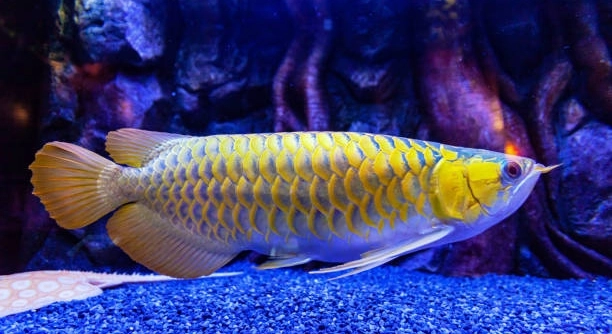
Have you ever noticed your arowana spending hours in one corner of its tank? It can be worrying to see such a beautiful fish stay hidden, avoiding interaction and activity. Observing your fish closely can help you understand its behavior.
Arowanas often hide due to stress, poor water conditions, or inadequate tank environment. Ensuring proper water parameters, sufficient space, and appropriate decorations can encourage more natural movement and reduce hiding behavior over time.
Learning why your arowana prefers one spot can help you create a healthier, more engaging tank environment for it. Small adjustments may make a significant difference in its overall comfort and activity levels.
Common Reasons Arowana Hides
Arowanas may hide for several reasons, most of which relate to their environment. Water quality is critical; poor parameters like high ammonia or low oxygen can make your fish seek shelter. Lighting and tank placement also influence behavior—bright lights or frequent disturbances can cause stress. Some arowanas are naturally shy, especially when first introduced to a new tank. Lack of space or inappropriate tank size can make them feel unsafe, leading to constant hiding. Even tank decorations, such as sharp rocks or overly complex layouts, may limit swimming areas, making the fish retreat to one spot. Diet can also impact activity levels; underfeeding or overfeeding can reduce their energy, making them less active. Understanding these factors is essential to creating a comfortable, healthy habitat. Observing your arowana closely and adjusting its environment gradually can significantly reduce hiding and promote natural movement within the tank.
Stress, limited space, or poor water quality are often reasons your arowana stays in one area.
Careful observation and small changes in tank setup, water conditions, and diet can improve your arowana’s behavior. Encouraging swimming and activity requires patience and attention to its needs.
How to Encourage Your Arowana to Explore
Improving tank conditions is the first step to reducing hiding.
Start by checking water parameters, including pH, temperature, and ammonia levels. Consistent maintenance, like regular water changes, helps create a safe environment. Ensure the tank is large enough for free swimming and avoid overcrowding. Adjust lighting to mimic natural conditions, and provide hiding spots without restricting movement. Introducing stimulation gradually, such as gentle rearrangement of decorations or varying feeding methods, encourages exploration. Proper nutrition, including a balanced diet with live or frozen food, can increase energy and activity. Avoid sudden changes that may further stress the fish. Observation over time will reveal improvements in behavior. It is important to combine environmental adjustments with patience, as arowanas may take time to feel secure enough to leave their preferred spots. Gradually, your fish can regain confidence and display more natural swimming patterns, enhancing both health and visibility in the tank.
Adjusting Tank Layout
Rearranging tank decorations can encourage your arowana to explore. Provide open swimming areas while keeping some hiding spots. Avoid overcrowding, as too many decorations can make your fish feel trapped and retreat to one corner. Balance safety with freedom.
Start by moving rocks, driftwood, or plants to create pathways for swimming. Ensure hiding spots are accessible but not overwhelming. Open areas let your arowana stretch and display natural behavior. Changing layout gradually avoids stressing your fish. Introduce new elements slowly to observe reactions. Over time, a well-planned tank encourages activity while maintaining comfort.
Monitoring your arowana’s response to layout changes is key. Some fish may take weeks to adjust, but gentle rearrangement often reduces hiding behavior. Combining open swimming spaces with secure hiding areas ensures your fish feels safe while encouraging more movement. Adjustments should be consistent with proper tank maintenance and feeding routines. Observing behavior carefully allows for fine-tuning the environment to your arowana’s preferences and needs, creating a more balanced and active habitat.
Feeding and Stimulation
Providing a varied diet can increase activity levels and reduce hiding. Live, frozen, or high-quality pellets stimulate natural hunting behavior. Feeding routines also impact confidence and movement in the tank.
Introducing new food types gradually encourages exploration and interaction. Rotate protein sources, such as shrimp, fish, or insects, to maintain interest. Scatter feeding or using tongs for live food can mimic natural hunting, making your arowana more active. Avoid overfeeding, which can reduce energy, and monitor portions carefully. Pair feeding with environmental enrichment, like rearranged decorations or floating objects, to encourage movement. These small steps foster curiosity and help your fish gain confidence.
Stimulation beyond feeding is important for mental and physical health. Adding floating toys, gentle currents, or changing tank visuals can provoke curiosity without causing stress. Observing your arowana during these activities helps identify preferences and adjust accordingly. A combination of varied diet and environmental stimulation promotes exploration, natural swimming, and overall well-being, ensuring your fish remains active rather than hiding in one spot. Regular interaction, careful monitoring, and patience are essential for lasting improvements in behavior.
Water Quality and Temperature
Stable water conditions are essential for your arowana’s comfort. Test parameters regularly, including ammonia, nitrite, nitrate, and pH. Sudden fluctuations can stress the fish, causing it to hide.
Temperature also plays a role. Keep the water within the recommended range for arowanas, usually between 75°F and 82°F. Consistency is key to reducing stress and encouraging natural swimming behavior.
Tank Size Considerations
Arowanas need plenty of space to move freely. Small or overcrowded tanks make them feel confined and lead to prolonged hiding. Ensuring adequate tank size allows for exercise and reduces stress-related behaviors, promoting a healthier, more active fish.
Lighting and Environment
Lighting affects your arowana’s comfort. Avoid overly bright or direct lights that can create stress. Use soft, natural lighting and provide shaded areas or decorations to create a balanced environment where your fish feels secure yet able to explore.
Observing Behavior
Regular observation is important. Monitor your arowana’s movements, appetite, and reactions to environmental changes. Noticing small signs of stress early allows for timely adjustments, helping the fish become more active and confident in its habitat.
FAQ
Why does my arowana hide all the time?
Arowanas often hide because of stress, poor water quality, or an uncomfortable tank environment. Sudden changes, overcrowding, or inappropriate decorations can make them feel unsafe. Ensuring stable water parameters, a suitable tank size, and a balanced layout helps the fish feel secure and reduces hiding behavior.
Can arowanas get used to being handled or watched?
While arowanas are not naturally social like some other fish, they can become accustomed to gentle observation over time. Regular, calm interactions during feeding can build familiarity, but excessive tapping on the glass or loud disturbances may increase stress and hiding.
How can I tell if water quality is affecting my arowana?
Check ammonia, nitrite, nitrate, pH, and temperature regularly. Cloudy water, strange odors, or unusual fish behavior like hiding or reduced appetite often indicate poor water quality. Consistent maintenance, including partial water changes and proper filtration, helps maintain a safe environment.
Does tank size really matter for an arowana?
Yes. Arowanas are large, active fish that require plenty of swimming space. Small or overcrowded tanks limit movement, making them feel trapped. Providing an appropriately sized tank allows for natural swimming, reduces stress, and encourages exploration rather than hiding.
Are hiding spots necessary in the tank?
Hiding spots are important for security, but they must be balanced with open swimming areas. Too few shelters can stress the fish, while too many can make it feel confined. Thoughtful placement of rocks, driftwood, or plants encourages exploration while maintaining a sense of safety.
Can diet affect hiding behavior?
Yes. A balanced, varied diet increases energy and activity levels. Live, frozen, or high-quality pellets stimulate natural hunting behavior and curiosity. Underfeeding or overfeeding can reduce energy, making the fish more prone to staying in one spot. Feeding routines also create a sense of routine and security.
What role does lighting play in hiding behavior?
Overly bright or direct lighting can stress arowanas, causing them to hide. Soft, natural lighting with shaded areas or strategically placed decorations creates a comfortable environment. Gradually adjusting lighting intensity can help the fish feel secure while exploring more of the tank.
How long does it take for an arowana to stop hiding?
Adjustment time varies by fish. Some may begin exploring within days after environmental improvements, while others may take weeks. Patience, careful observation, and consistent tank maintenance are key. Gradual changes and positive reinforcement through feeding help encourage confidence and activity.
Can temperature fluctuations make my arowana hide?
Yes. Arowanas prefer stable temperatures, typically between 75°F and 82°F. Sudden changes or prolonged exposure outside this range can stress the fish, making it retreat to one spot. Using a reliable heater and thermometer ensures a consistent environment.
Is stress from other fish a reason for hiding?
Absolutely. Aggressive tankmates or overcrowding can intimidate an arowana, leading it to hide. Maintaining proper tank size and separating aggressive species reduces stress and allows the fish to feel secure and explore naturally.
What signs indicate my arowana is finally comfortable?
A confident arowana swims more frequently, explores its environment, eats readily, and interacts with feeding routines. Reduced hiding, steady movements, and natural behavior patterns signal that environmental adjustments have been effective and the fish feels secure.
Can rearranging decorations really help?
Yes. Gradual rearrangement creates new pathways and areas for exploration without causing stress. Open swimming space combined with accessible hiding spots encourages activity, reduces boredom, and helps the fish adjust to its environment confidently.
How important is observation for long-term behavior management?
Observation is crucial. Regular monitoring helps identify stress triggers early, allowing timely adjustments to water quality, tank layout, lighting, or feeding. Understanding your arowana’s preferences and reactions ensures a healthier, more active, and confident fish over time.
Can environmental enrichment prevent hiding in the future?
Yes. Introducing gentle stimulation, such as floating objects, gentle currents, or varied feeding methods, keeps your arowana engaged. Enrichment promotes natural hunting instincts, curiosity, and exploration, reducing the tendency to stay hidden and improving overall well-being.
Is professional advice necessary for persistent hiding?
If your arowana continues to hide despite optimal tank conditions, consulting an experienced aquarist or veterinarian may be necessary. Persistent hiding can sometimes indicate underlying health issues that require targeted care or treatment to restore normal behavior.
This FAQ section provides practical solutions and explanations to understand and address why arowanas hide, helping ensure they remain healthy, active, and comfortable in their tank environment.
Final Thoughts
Watching an arowana spend most of its time in one spot can be worrying, but this behavior is often linked to its environment rather than serious health problems. These fish are naturally sensitive to changes in water quality, temperature, lighting, and tank layout. Small adjustments in these areas can make a significant difference in how comfortable your fish feels. By keeping water parameters stable, ensuring a suitable tank size, and creating a balanced environment with both open spaces and hiding spots, you can help your arowana feel more secure and confident. Regular maintenance, such as checking ammonia, nitrite, nitrate, and pH levels, is important for keeping the water clean and safe. Even small fluctuations can cause stress, leading to hiding behavior. Observing your fish’s response to these changes allows you to make gradual improvements without causing further anxiety.
Diet and stimulation are also key factors in encouraging an arowana to explore its tank. A balanced diet with live, frozen, or high-quality pellet food can increase energy levels and promote natural hunting behavior. Feeding routines provide structure and security, helping your fish feel more comfortable leaving its hiding spot. Beyond feeding, gentle environmental enrichment, such as rearranging decorations or introducing floating objects, can encourage curiosity and activity. It is important to introduce these changes gradually to avoid overwhelming the fish. Over time, arowanas can become more active and display their natural swimming patterns, but patience is essential. Every fish is different, and some may take longer than others to adapt to new conditions. Monitoring behavior carefully and adjusting the environment as needed ensures that changes are effective and supportive rather than stressful.
Finally, arowanas thrive in environments where they feel safe and secure while having the freedom to swim and explore. Stress, overcrowding, and poor water quality are common reasons for prolonged hiding, but these can often be resolved through careful observation and consistent care. Understanding your fish’s natural behavior, preferences, and reactions is essential for promoting long-term health and activity. Whether it is adjusting tank layout, improving water conditions, or providing stimulation and a varied diet, each step contributes to a more comfortable and engaging habitat. With patience and attention, arowanas can regain confidence and reduce hiding behavior, allowing you to enjoy their graceful movements and unique presence in the tank. Creating a balanced environment that meets both physical and behavioral needs is the best way to ensure your fish remains healthy, active, and happy for years to come.

Hello,
If you enjoy the content that we create, please consider saying a "Thank You!" by leaving a tip.
Every little bit helps us continue crafting quality advice that supports the health, happiness, and well-being of pets around the world, for pets of all shapes, sizes, and species.
We really appreciate the kindness and support that you show us!