
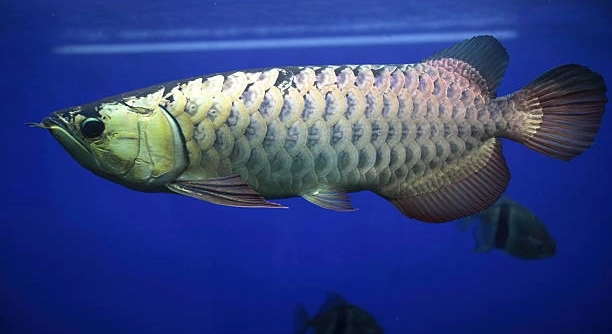
Do your arowana sometimes leap out of the tank, causing stress and potential injury? Many fish owners face this challenge, as arowanas are naturally active and strong swimmers prone to jumping when startled or exploring.
Preventing arowana from jumping involves ensuring the tank has a secure, well-fitted lid, maintaining proper water levels, reducing sudden disturbances, and providing an environment that meets their behavioral and space needs to minimize stress-induced leaps.
Understanding these steps will help maintain a safer environment for your arowana, promoting both its health and your peace of mind in daily care routines.
Understanding Why Arowanas Jump
Arowanas are naturally strong, agile fish that often leap out of tanks when they feel threatened or bored. They are surface dwellers, which means they spend a lot of time near the top of the water. Sudden movements, reflections on the tank walls, or loud noises can startle them, triggering their jumping behavior. Tank size also plays a role; arowanas need ample swimming space to feel comfortable. When the tank is too small, they may attempt to escape. Water quality impacts their activity as well. Poor oxygen levels, high ammonia, or inconsistent temperatures can make arowanas more restless and likely to jump. Providing enrichment, such as plants, hiding spots, or floating objects, can reduce stress and give them a sense of security. Observing your fish regularly helps you notice early signs of restlessness, making it easier to prevent leaps before they become dangerous. Proper care is essential for safety and well-being.
Maintaining consistent water conditions and observing tank activity are critical to reducing jump risks. Stressful environments increase jumping frequency.
Properly monitoring water parameters, tank layout, and arowana behavior ensures their health and minimizes sudden jumps, keeping both the fish and the aquarium safe and stable.
Securing the Tank
A secure, well-fitted lid is the most effective way to prevent arowanas from jumping. Open-topped tanks invite accidental leaps, which can result in injuries or death. The lid should be heavy or locked in place to withstand the fish’s strength. Materials such as glass or acrylic are ideal, as they provide a sturdy cover that won’t easily shift. Ensure the edges are sealed to prevent small gaps where the fish might squeeze through. Lighting should be positioned above the lid to avoid reflections that can startle your arowana. Keep decorations, filters, and equipment arranged so the fish can swim freely without obstruction. Regularly inspect the lid for warping, cracks, or loose fittings. By maintaining a secure environment, you reduce stress for your arowana, allowing it to swim naturally and safely without the urge to escape. Tank security directly supports the fish’s overall well-being and longevity.
Investing in a high-quality tank lid not only protects your arowana but also prevents accidents that could be costly and stressful.
Ensuring the tank is fully covered, properly secured, and designed with your arowana’s activity level in mind creates a stable, stress-free environment. Proper lighting, equipment placement, and periodic lid inspections reinforce safety, helping you maintain a healthy and active fish without unexpected jumps.
Adjusting Water Conditions
Maintaining stable water conditions reduces arowana stress and jumping behavior. Temperature, pH, and oxygen levels should be monitored regularly. Sudden changes in water quality can trigger restless swimming and attempts to escape the tank, so consistency is key for a calm environment.
Using a reliable heater and filter helps keep temperature and water chemistry stable. Arowanas prefer slightly acidic to neutral pH, usually between 6.5 and 7.5. Regular partial water changes remove waste and prevent ammonia buildup, which can irritate the fish. Monitoring oxygen levels ensures they have enough air at the surface. Avoid overcrowding the tank, as too many fish increase stress and provoke leaping behavior. By keeping water parameters consistent and providing proper aeration, you create a comfortable environment where your arowana can swim confidently without feeling the need to jump.
Water quality issues often go unnoticed until the fish act out, so regular testing is essential. Observing your arowana daily helps catch problems early, making adjustments before they escalate. Proper care and attention to water conditions protect both the fish and your investment in the aquarium.
Providing Proper Tank Size
Arowanas require a large tank to move comfortably and prevent jumping. A small or narrow tank restricts swimming space, causing stress and frantic movements that can lead to leaping. Minimum tank length should accommodate the fish’s full adult size, ideally over six feet for most species.
Depth also matters, as arowanas prefer open water near the surface. Shallow tanks make them feel exposed and increase jumping risk. Wider tanks allow more lateral movement, reducing boredom and aggression. Regular observation helps identify areas where the fish may collide with tank walls or decorations. Providing a spacious tank with a long, open swimming area satisfies their natural behavior, reducing stress and the urge to jump. Decorate carefully, avoiding sharp objects that could injure a leaping fish. A well-planned tank layout supports both safety and mental stimulation.
Proper sizing improves overall health, reduces stress, and encourages natural swimming patterns. Arowanas in appropriately sized tanks are less likely to exhibit sudden leaps, making your aquarium a safer, more stable environment. Regularly reviewing tank dimensions and layout ensures your fish has enough room to grow and thrive comfortably.
Minimizing Stress
Arowanas are sensitive to sudden movements, loud noises, and frequent disturbances near the tank. Limiting external stressors helps reduce jumping behavior. Keep the tank in a quiet area away from high-traffic zones and minimize tapping or vibrations on the glass.
Stress can also come from improper handling or aggressive tank mates. Avoid overcrowding the tank and choose compatible species that do not provoke or chase your arowana. Providing hiding spots or floating objects can give a sense of security. Consistent routines in feeding and maintenance further reduce stress, allowing the fish to feel safe and less likely to leap from the tank.
Feeding Practices
Overfeeding or irregular feeding schedules can make arowanas restless and more prone to jumping. Feed small portions two to three times a day, adjusting based on the fish’s activity and appetite. Avoid leaving uneaten food in the tank, as it can pollute the water and cause irritation. Rotate protein sources like shrimp, fish, or pellets to ensure balanced nutrition. Observing feeding behavior helps identify health issues early, as sluggish or overly aggressive feeding may indicate stress or illness. Proper feeding practices maintain energy levels and calm behavior, supporting both growth and safety.
Using Floating Objects
Floating objects provide mental stimulation and reduce jumping by giving arowanas areas to interact with while near the water surface.
These objects create a sense of security, breaking up open water space and preventing boredom that can trigger leaping behavior.
FAQ
How often should I check water parameters for my arowana?
Water parameters should be checked at least twice a week. Monitor temperature, pH, ammonia, nitrites, and nitrates regularly. Keeping a log helps track changes and ensures consistency. Sudden fluctuations can stress your arowana, increasing the chance of jumping, so early detection is key.
What is the ideal tank temperature for arowanas?
Arowanas thrive in temperatures between 75°F and 82°F (24°C–28°C). Consistent warmth is essential. Use a reliable heater with a thermometer to avoid sudden temperature drops or spikes, which can agitate your fish and lead to jumping or erratic swimming.
Can tank decorations prevent jumping?
Yes, decorations like floating logs, plants, or driftwood can reduce open water space, giving arowanas areas to explore. These objects provide mental stimulation and a sense of security, lowering stress and decreasing the likelihood of leaping from the tank.
How big should an arowana tank be?
Arowanas need a minimum tank length of six feet for adults. Depth should be sufficient for swimming comfortably. Wider tanks reduce boredom and allow natural movement. Overcrowding or small tanks increase stress and jumping frequency. Planning for full adult size is essential.
Is it necessary to cover the tank completely?
Yes, a tight-fitting lid is crucial. Arowanas can jump several feet out of the water. The lid should be sturdy, with no gaps, and able to support the fish’s strength. Secure edges and solid materials like glass or acrylic are recommended.
How does feeding affect jumping behavior?
Overfeeding or irregular feeding can make arowanas restless. Feed small portions two to three times daily. Remove uneaten food to prevent water pollution. Balanced nutrition and a consistent feeding schedule help reduce stress and sudden jumping behavior.
Can tank mates influence arowana jumping?
Yes, aggressive or overly active tank mates can provoke stress. Choose compatible species and avoid overcrowding. A calm environment with peaceful companions reduces tension and the likelihood of leaps, allowing your arowana to swim safely.
Do floating objects really help with mental stimulation?
Floating objects simulate natural conditions, breaking up open water and encouraging exploration. They reduce boredom and stress, helping your arowana feel secure. Rotating or rearranging these items occasionally keeps the environment engaging and discourages repetitive jumping behaviors.
What signs indicate my arowana is stressed?
Stress signs include rapid swimming, hiding, loss of appetite, or frequent attempts to jump. Restlessness and darting near tank walls are also indicators. Addressing water quality, tank size, and environmental enrichment quickly helps reduce stress and prevent injuries.
How can I safely observe my arowana?
Observe without tapping the glass or causing disturbances. Watch for changes in behavior, appetite, and interaction with tank features. Consistent observation allows early identification of problems like water quality issues or illness that could trigger jumping.
Are there special considerations for juvenile arowanas?
Juveniles are more prone to jumping because of energy levels and curiosity. Use a secure lid and avoid placing them in small tanks. Monitor feeding closely and provide floating objects for stimulation to keep them calm while they grow.
Can water flow affect jumping?
Strong currents or sudden bursts from filters can startle arowanas. Adjust water flow to create gentle, consistent movement. Proper aeration is important, but turbulence should be minimized to prevent stress-induced leaps.
How long does it take for an arowana to adjust to a new tank?
Adjustment can take several weeks. During this period, maintain stable water conditions, a consistent feeding schedule, and minimal disturbances. Providing hiding spots and a secure lid helps the fish feel comfortable and reduces jumping incidents.
Is tank lighting a factor in jumping?
Bright reflections or sudden light changes can trigger jumps. Position lighting above the lid and avoid reflective surfaces around the tank. Gradual lighting transitions mimic natural conditions and reduce stress, helping the arowana remain calm.
How important is regular maintenance?
Regular water changes, filter cleaning, and inspection of equipment are critical. Poor maintenance increases stress and jumping behavior. Consistent care ensures water quality, reduces toxins, and supports a stable environment for a healthy, safe arowana.
Can health issues cause jumping?
Yes, illnesses, parasites, or infections can make arowanas restless. Frequent attempts to jump may indicate discomfort. Observing symptoms and addressing health problems promptly helps prevent injuries and supports long-term well-being.
Should I separate arowanas if they jump frequently?
Separation may help reduce competition or aggression if multiple fish are in the same tank. However, first ensure water quality, tank size, feeding, and enrichment are optimized. Separation should be used only if other measures fail to reduce jumping behavior.
What is the best way to transport arowanas safely?
Use secure containers with sufficient water and aeration. Minimize movement and maintain consistent temperature. Covering the container prevents sudden jumps and stress. Proper handling reduces injury risks during transportation or relocation.
How can I prevent injuries from accidental jumps?
Always use a sturdy, secure lid. Keep surrounding areas clear of sharp objects. Padding or soft surfaces near the tank can reduce injury risk if a jump occurs. Ensuring a safe environment is essential for the arowana’s health and your peace of mind.
Are there long-term strategies to prevent jumping?
Yes, maintaining stable water conditions, appropriate tank size, enrichment, secure lids, compatible tank mates, and proper feeding routines all contribute. Consistency in care and attentive observation help create a calm environment, minimizing the risk of jumping throughout the fish’s life.
This FAQ provides practical guidance to reduce jumping and maintain a safe, healthy environment for your arowana. Regular attention, consistent care, and environmental adjustments are essential for preventing stress and protecting your fish.
Final Thoughts
Preventing arowanas from jumping requires attention to multiple aspects of their environment and care. The tank must be large enough to allow comfortable swimming, with sufficient length and width for adult fish. Depth and open space are equally important, as arowanas are surface dwellers and need room to move naturally. Secure, well-fitted lids are essential to prevent accidental escapes. Floating objects or decorations can help provide mental stimulation and reduce stress by giving the fish areas to explore and feel secure. Regular observation allows you to notice any unusual behavior early, making it easier to intervene before accidents occur. By creating a stable environment, you reduce stress and the likelihood of jumping, supporting both the safety and overall well-being of your fish.
Maintaining consistent water quality is another critical factor in preventing jumping. Temperature, pH, oxygen levels, and ammonia must be monitored and kept within suitable ranges. Sudden changes in water conditions can make arowanas restless, triggering leaping behavior. Partial water changes and regular filter maintenance help keep the water clean and free of harmful toxins. Feeding practices also influence behavior. Overfeeding or irregular schedules can make arowanas more active and prone to jumping. Small, consistent meals with balanced nutrition help maintain energy levels while reducing restlessness. Observing the fish during feeding ensures they are healthy and adapting well to their environment. Careful attention to water parameters, tank setup, and feeding routines creates a stable, predictable environment, minimizing the chances of accidents and promoting a calm, healthy fish.
Environmental stressors and social dynamics also affect jumping behavior. Loud noises, vibrations, sudden movements, or reflective surfaces can startle arowanas. Placing the tank in a quiet area and avoiding unnecessary disturbances helps the fish feel safe. Tank mates must be chosen carefully to prevent aggression or overcrowding, which can provoke stress and leaping. Providing hiding spots or objects that break up open water gives arowanas security and reduces boredom, encouraging natural swimming behavior. Juvenile arowanas, in particular, are more active and curious, so close observation and extra precautions are necessary during their early development. Consistent care, stable conditions, and thoughtful tank design ensure that your arowana thrives while minimizing the risk of jumping. With attention to these factors, you can create a safe, comfortable environment where your fish can live healthily and happily.

Hello,
If you enjoy the content that we create, please consider saying a "Thank You!" by leaving a tip.
Every little bit helps us continue crafting quality advice that supports the health, happiness, and well-being of pets around the world, for pets of all shapes, sizes, and species.
We really appreciate the kindness and support that you show us!