
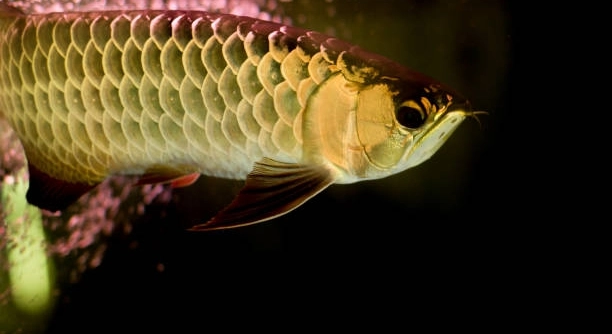
Are your arowanas showing signs of restlessness at night, swimming frantically or hiding more than usual? Nighttime anxiety is common in these fish and can affect their overall health and behavior if left unaddressed.
To reduce nighttime anxiety in arowanas, it is essential to maintain a stable environment. Ensuring consistent water temperature, adequate hiding spots, minimal light disturbance, and a calm feeding routine can significantly lower stress and promote healthier nocturnal behavior.
Understanding and addressing these habits can make a noticeable difference in your arowana’s comfort. Implementing simple changes will help your fish feel safer and more relaxed at night.
Maintain Proper Tank Lighting
Arowanas are sensitive to light changes, and improper lighting can increase nighttime anxiety. Ensure the tank has a consistent light schedule, ideally 10–12 hours of light followed by darkness. Avoid sudden or harsh lighting at night, as it can startle your fish. Using dim lights during evening hours helps them adjust naturally to night conditions. It is also important to position the tank away from windows or areas with fluctuating natural light, which can create stress. Soft, indirect lighting can simulate a natural environment and encourage calm behavior. Observing your arowana during these hours will help identify if the light setup is too intense or inconsistent. Gradual changes in lighting are better than abrupt shifts, giving the fish time to adapt. Over time, proper lighting will contribute to a more relaxed tank environment and reduce anxiety. Consistency is key, and combining it with other stress-reducing measures ensures optimal nighttime comfort.
Proper lighting reduces stress and helps your arowana maintain a stable sleep-wake cycle, promoting better overall health.
Combining lighting adjustments with hiding spots and gentle water movement creates a supportive environment. Gradual dimming before lights out prevents sudden stress. Ensuring that the tank is quiet and free from disturbances during the night also contributes to calm behavior. Arowanas are naturally alert and can sense vibrations or shadows in their tank, so minimizing these factors is critical. Observing your fish regularly helps determine if adjustments are working, and small tweaks in light intensity or duration can have a significant impact. Over time, consistent care will lead to improved sleep patterns, calmer nighttime activity, and healthier interactions with their environment, which ultimately supports both their physical and psychological well-being.
Provide Adequate Hiding Spaces
Hiding spots give arowanas a sense of security, which reduces anxiety. Plants, driftwood, or decorative caves work well.
Providing multiple hiding spaces allows your arowana to choose a safe area, reducing stress and encouraging natural behavior patterns.
These spaces also help during feeding times, preventing competition and sudden bursts of movement that can cause anxiety. Proper placement of hiding spots should balance accessibility with openness, ensuring the fish can retreat without feeling trapped. Combining hiding spaces with dim lighting and minimal noise creates a calm nighttime environment. Regularly changing or rotating these areas can maintain interest while supporting their instinctual need for shelter. This approach promotes both mental and physical health by allowing natural behaviors, encouraging exploration during the day, and offering security at night. When arowanas feel safe, they exhibit calmer swimming patterns and are less prone to stress-related illness, improving overall quality of life in the tank.
Maintain Stable Water Conditions
Stable water parameters prevent stress and nighttime anxiety in arowanas. Regularly monitor temperature, pH, and ammonia levels to ensure a healthy environment. Sudden changes can trigger restlessness and aggressive behavior.
Consistency in water conditions is critical for reducing stress. Arowanas are sensitive to fluctuations in temperature or chemical balance. Using a reliable heater and filter, performing partial water changes weekly, and testing water parameters frequently will help maintain stability. Drastic swings in pH or ammonia levels can lead to erratic swimming, loss of appetite, and heightened nighttime activity. Maintaining clean water also reduces the risk of disease, which can exacerbate anxiety. Even small adjustments, such as slowly acclimating your fish to changes, prevent unnecessary stress. Over time, this consistency fosters calmer nighttime behavior and promotes overall health.
In addition to chemical stability, physical factors like water flow and tank decorations influence comfort. Gentle filtration avoids strong currents that may startle arowanas at night. Observing your fish for signs of stress allows for timely adjustments. Maintaining a regular schedule for feeding and cleaning reinforces routine and security, helping the fish feel safe. Combining stable water conditions with proper lighting and hiding spots creates a complete, stress-reducing environment. This holistic approach ensures your arowana can rest calmly at night, supporting both mental well-being and long-term vitality.
Reduce Noise and Vibrations
Arowanas are highly sensitive to noise and vibrations, which can trigger anxiety. Keep the tank in a quiet, low-traffic area to minimize disturbances.
Excessive vibrations from household activity, tapping on glass, or nearby machinery can stress arowanas, especially at night. Minimizing these disturbances helps the fish settle more easily. Soft pads under the tank or relocating equipment can further reduce vibrations.
Consistency in environmental quietness is equally important. Sudden loud noises or prolonged disturbances disrupt normal behavior and elevate stress hormones, affecting sleep patterns. Regular observation allows you to identify sources of agitation and address them promptly. Quiet surroundings, combined with stable lighting, water conditions, and hiding spots, create a calm atmosphere. Reducing vibrations also helps prevent unnecessary injuries from panic swimming, allowing your arowana to maintain health and feel secure. Over time, this practice promotes a calmer, more relaxed nighttime routine, enhancing overall well-being and reducing long-term stress.
Regulate Feeding Schedule
Feeding your arowana at consistent times reduces nighttime anxiety. Avoid late-night feedings, as leftover food can disturb their sleep and water quality.
A predictable feeding schedule helps the fish anticipate meals, creating a sense of routine. Overfeeding or irregular feeding times can increase restlessness and nighttime activity.
Use Calming Tank Additions
Adding floating plants or gentle water features can create a soothing environment. These elements reduce stress by mimicking a natural habitat.
Avoid Overcrowding
Overcrowded tanks increase stress and competition, contributing to nighttime anxiety. Ensure your arowana has enough space to swim and retreat freely.
FAQ
How can I tell if my arowana is anxious at night?
Signs of nighttime anxiety in arowanas include frantic or erratic swimming, frequent hiding, loss of appetite, and jumping against the tank walls. Increased gill movement or clamped fins can also indicate stress. Observing these behaviors consistently during night hours can help identify anxiety early.
What water temperature is best for reducing nighttime anxiety?
Maintaining a stable temperature between 75–82°F (24–28°C) is ideal. Sudden fluctuations can increase stress and disrupt natural sleep patterns. Using a reliable heater and thermometer ensures consistent conditions, supporting calm nighttime behavior. Gradual adjustments are preferable when changing temperature.
Are certain tank decorations better for calming arowanas?
Yes. Driftwood, floating plants, and cave-like structures provide hiding spots that reduce stress. Avoid sharp or cluttered decorations that might cause injury. Placement should allow both retreat spaces and open swimming areas, maintaining balance between safety and mobility.
How important is lighting for nighttime anxiety?
Proper lighting is crucial. Arowanas need 10–12 hours of light followed by darkness. Dim or indirect lights in the evening can help them adjust gradually. Sudden bright lights or reflections may startle the fish and increase anxiety.
Can overfeeding cause nighttime restlessness?
Yes. Overfeeding or irregular feeding schedules can cause excess energy and digestive stress, leading to erratic nighttime swimming. Feeding small, consistent portions at regular times reduces nighttime activity and maintains water quality.
Does tank size affect nighttime anxiety?
Absolutely. Arowanas require large tanks, ideally 250 gallons or more for adults. Overcrowding limits swimming space and increases competition, causing stress. Providing adequate space allows natural behaviors and reduces nighttime anxiety.
Will reducing noise help my arowana sleep better?
Yes. Arowanas are highly sensitive to vibrations and loud noises. Placing the tank in a quiet, low-traffic area and using pads under equipment can minimize disturbances, helping the fish remain calm during the night.
How often should I check water parameters?
Regular testing is important. Temperature, pH, ammonia, nitrite, and nitrate levels should be monitored at least weekly. Stable water conditions reduce stress and support healthy nocturnal behavior. Partial water changes and gentle filtration maintain a calm environment.
Do arowanas need companions to feel secure?
Not necessarily. Arowanas are solitary and territorial. Introducing other fish may increase stress, especially at night. If adding tankmates, ensure compatibility, adequate space, and proper hiding areas to prevent anxiety.
Can calming additives or supplements help?
Some aquarium products are designed to reduce stress, such as water conditioners with natural plant extracts. While not a replacement for proper care, they can support a calm environment. Always follow instructions and monitor your arowana’s response closely.
How long does it take to reduce nighttime anxiety?
Improvement depends on the consistency of environmental adjustments. With proper lighting, hiding spots, stable water conditions, and minimal disturbances, signs of calm behavior can appear within a few weeks. Patience and observation are key to long-term results.
Is it normal for arowanas to be active at night?
Arowanas are naturally more active during the day, but some night activity is normal. Persistent restlessness, frantic swimming, or excessive hiding usually signals anxiety or environmental issues that need attention.
Can seasonal changes affect anxiety?
Yes. Fluctuations in ambient temperature, light exposure, and household activity during different seasons can influence stress levels. Adjusting heating, lighting, and monitoring behavior helps maintain calm nighttime habits throughout the year.
Are there behavioral signs I should act on immediately?
Yes. Continuous frantic swimming, jumping, clamped fins, or refusal to eat may indicate severe stress or illness. Immediate evaluation of water conditions, tank setup, and health is essential to prevent long-term harm.
Does diet affect nighttime anxiety?
A balanced diet supports energy levels and reduces stress. High-protein foods in appropriate portions encourage natural activity without causing hyperactivity at night. Avoid feeding too close to nighttime, as leftover food can contribute to restlessness and poor water quality.
This FAQ covers common concerns about reducing nighttime anxiety in arowanas, providing practical solutions to improve their comfort and overall health. Consistent care and observation are key to creating a calm, safe tank environment.
Final Thoughts
Nighttime anxiety in arowanas is a common issue that can affect their health and behavior if not addressed. These fish are sensitive to changes in their environment, and even small disturbances can create stress. Factors like unstable water conditions, sudden lighting changes, loud noises, and overcrowded tanks can all contribute to restlessness at night. Observing your arowana’s behavior is the first step to understanding what may be causing anxiety. By paying attention to patterns like frantic swimming, hiding, or loss of appetite, you can identify when adjustments are needed. Simple measures, such as maintaining stable water temperature, consistent feeding schedules, and providing adequate hiding spots, go a long way in creating a calmer environment. These adjustments are not difficult to implement, but they require attention and consistency to be effective. Over time, a well-maintained tank and predictable daily routine can significantly reduce nighttime stress, allowing your arowana to behave more naturally and comfortably.
Creating a calming environment involves multiple factors working together. Proper lighting is crucial, as arowanas need a clear distinction between day and night to maintain natural sleep patterns. Using dim or indirect lights in the evening helps them adjust gradually to night conditions without causing panic. Hiding spots, such as driftwood, caves, or floating plants, provide security and give the fish places to retreat if they feel threatened. Reducing vibrations and external noise also supports calm behavior, as arowanas are highly sensitive to sudden disturbances. Ensuring the tank is spacious enough for the fish to move freely without feeling crowded further minimizes stress. Combining all these elements creates a stable, comfortable environment that allows your arowana to rest and feed properly. Each adjustment may seem small, but together they create a noticeable difference in nighttime behavior.
Patience and consistent care are key to helping arowanas feel secure. Changes in behavior may not be immediate, and it can take several weeks of careful observation and adjustment to see improvement. Avoiding overfeeding, keeping a regular schedule, and maintaining clean, stable water conditions will prevent additional stress that can worsen anxiety. Observing your arowana daily helps you identify subtle changes in behavior, so adjustments can be made before anxiety becomes a serious issue. By focusing on creating a calm and predictable environment, you support not only the fish’s nighttime behavior but also its overall health and longevity. Arowanas that feel safe and comfortable are more likely to display natural behaviors, eat well, and thrive in the tank. Taking the time to address nighttime anxiety shows a commitment to your fish’s well-being, making the tank a more harmonious and healthy place for both you and your arowana.

Hello,
If you enjoy the content that we create, please consider saying a "Thank You!" by leaving a tip.
Every little bit helps us continue crafting quality advice that supports the health, happiness, and well-being of pets around the world, for pets of all shapes, sizes, and species.
We really appreciate the kindness and support that you show us!