
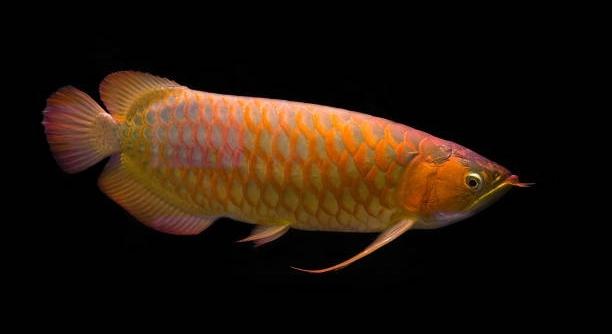
Is your arowana constantly nudging the walls of its tank and leaving you unsure why it behaves this way? Many owners notice this repetitive motion and wonder if it signals stress, health issues, or environmental problems in the aquarium.
This behavior is often linked to stress, poor water quality, or insufficient space. Arowanas require stable conditions, proper tank size, and adequate enrichment. Identifying environmental or health triggers is essential to prevent injury and maintain their wellbeing.
Understanding why your arowana behaves this way can help you create a healthier environment. Addressing tank conditions and habits ensures your fish thrives safely and comfortably in its habitat.
Common Reasons Arowanas Nudge Tank Walls
Arowanas are sensitive fish, and nudging the tank walls can indicate several underlying issues. One of the main reasons is stress caused by improper water conditions. High ammonia, nitrite, or nitrate levels can irritate the fish, making it restless. Tank size also plays a critical role. Arowanas are large, active fish that need spacious environments to swim freely. Crowding or insufficient swimming space can lead to repetitive behaviors like wall nudging. Additionally, a lack of enrichment, such as hiding spots or decor, can cause boredom and anxiety. Sometimes, the fish may mistake its reflection for another competitor, which triggers constant wall contact. Health problems, including internal parasites or injuries, may also contribute. Observing your arowana’s overall behavior, appetite, and appearance can help identify whether environmental adjustments or medical care is needed to stop the nudging.
Stress, reflections, and tank conditions are the main reasons for this repetitive behavior. Addressing them often resolves the issue quickly.
Providing proper water quality, adequate space, and suitable decor ensures your arowana remains calm. Regular monitoring helps maintain long-term health and reduces wall-nudging incidents.
Water Quality and Tank Environment
Poor water quality can significantly impact an arowana’s behavior. Frequent water changes, proper filtration, and monitoring of ammonia, nitrite, and nitrate levels are essential for stability. A tank that is too small or overcrowded will amplify stress and frustration, prompting the fish to nudge walls repeatedly.
Maintaining consistent water temperature, pH, and hardness ensures comfort. Arowanas thrive in stable, clean water, and environmental stressors are minimized when parameters are carefully managed.
Creating a suitable tank setup involves more than size alone. Adding soft lighting, plants, and secure hiding spaces helps reduce stress. Reflections on glass should be minimized, as they may trigger territorial behavior. Observing swimming patterns, appetite, and interaction with other tank mates provides insight into your arowana’s comfort. A well-maintained environment reduces repetitive nudging and promotes natural behavior. Consistency is key—sudden changes in water quality or layout can unsettle the fish. Over time, careful attention to the tank’s physical and chemical parameters creates a safe and enriching home, allowing your arowana to thrive and display its natural, confident behavior without constant wall contact.
Stress and Behavioral Triggers
Stress is a major factor in wall-nudging behavior. Sudden changes in lighting, tank layout, or water parameters can make an arowana uneasy. Overcrowding or aggressive tank mates also contribute, making the fish more likely to display repetitive movements against the glass.
Behavioral triggers are often linked to natural instincts. Arowanas are territorial and may react to reflections, perceived threats, or nearby movements outside the tank. When stressed, they may pace or nudge the walls repeatedly. Consistent handling and minimizing disturbances help reduce anxiety. Observation is important; changes in appetite or lethargy can indicate heightened stress levels.
Environmental enrichment can improve behavior. Adding driftwood, rocks, or gentle hiding spots allows the fish to explore and reduces boredom. Maintaining a predictable feeding schedule and avoiding sudden disruptions also helps. Over time, these adjustments decrease wall-nudging and promote a calmer, more balanced arowana.
Health Considerations
Internal parasites, infections, or injuries can cause discomfort, prompting the fish to nudge walls. Regular health checks are important to identify and address such issues promptly.
Arowanas showing unusual behaviors may have underlying health problems. Loss of appetite, color changes, or erratic swimming are indicators that veterinary attention or water treatment may be necessary. Monitoring closely and maintaining clean, stable water conditions supports recovery.
Preventative care is crucial for long-term wellbeing. Quarantining new fish, providing balanced nutrition, and avoiding stress-inducing conditions reduce the likelihood of disease. Observing the fish daily allows early detection of issues before they escalate. Prompt action ensures the arowana remains healthy, active, and less prone to repetitive wall-nudging behaviors.
Reflection and Glass Interaction
Reflections on tank walls can confuse arowanas, making them perceive another fish. This often leads to repeated nudging or chasing their reflection. Adjusting lighting and reducing external movement can minimize this behavior effectively.
Using background decorations or frosted panels can help. These visual barriers break reflections and provide a sense of security, reducing stress and promoting calmer swimming habits.
Feeding and Nutrition
Arowanas need a balanced diet rich in protein and essential nutrients. Poor feeding practices can affect energy levels and behavior, including wall nudging. Providing varied food such as pellets, live, or frozen options ensures proper growth and overall health.
Monitoring and Observation
Regularly observing your arowana helps detect subtle behavioral or health changes early. Noting patterns in nudging, appetite, and interaction allows timely intervention to maintain wellbeing and reduce repetitive actions.
FAQ
Why does my arowana keep nudging the tank walls even when everything seems normal?
Even if the tank appears fine, subtle stressors can trigger this behavior. Reflections, minor water parameter fluctuations, or insufficient space can make your arowana restless. Regular monitoring and small adjustments often reduce wall-nudging over time.
Can tank size really affect wall-nudging behavior?
Yes, arowanas require large, open tanks because they are active swimmers. A cramped tank limits movement and causes frustration, often resulting in repetitive nudging. Ensuring your tank is long and wide enough helps the fish swim comfortably and display natural behavior.
Could poor water quality be causing this behavior?
Absolutely. High ammonia, nitrite, or nitrate levels irritate your arowana, making it more likely to pace or nudge walls. Regular water testing, consistent water changes, and proper filtration are key to maintaining a stress-free environment.
Does lighting or reflections affect my arowana’s behavior?
Yes. Bright lights or reflections can confuse arowanas, making them perceive another fish in their territory. This often triggers repeated nudging. Using soft lighting and visual barriers, such as frosted backgrounds or plants, reduces these triggers.
Can diet impact wall-nudging behavior?
Yes. A poor diet can lead to low energy, stress, or aggressive tendencies. Feeding high-protein pellets and supplementing with live or frozen foods provides proper nutrition, supporting calm, natural behavior. A consistent feeding schedule also reduces anxiety-driven activity.
Is health a common reason for this behavior?
Health issues, including parasites, infections, or injuries, can cause discomfort, prompting wall nudging. Loss of appetite, lethargy, or color changes often indicate an underlying problem. Regular observation and preventative care, along with veterinary intervention when needed, are crucial for maintaining wellbeing.
Can tank decor help prevent wall nudging?
Yes. Adding driftwood, plants, and hiding spots reduces stress and boredom. Visual barriers can minimize reflections and provide comfort. Thoughtful tank design gives your arowana options for exploration and security, decreasing repetitive wall-nudging behavior over time.
How long does it take for arowanas to stop nudging walls?
The time varies depending on the cause. Addressing environmental stressors, improving water quality, and providing proper nutrition usually shows results within a few weeks. Consistency and observation are key to ensuring lasting behavioral improvement.
Are there signs that wall nudging is serious?
Yes. Persistent nudging accompanied by loss of appetite, unusual swimming, or visible injuries indicates a more serious issue. Immediate attention to water quality, diet, and health checks is necessary to prevent further harm.
Should I consult a vet if nudging continues?
Consulting an aquatic veterinarian is advisable if adjustments to tank size, water conditions, and diet do not reduce the behavior. Professional assessment can identify hidden health problems or provide targeted treatment for your arowana.
Can stress from tank mates cause this behavior?
Yes. Aggressive or incompatible tank mates can cause anxiety, leading to repetitive wall nudging. Separating fish or choosing compatible companions helps create a calm environment, allowing your arowana to feel secure and less prone to stress-driven behaviors.
Does temperature play a role in wall-nudging behavior?
Temperature fluctuations or water that is too warm or cold can stress arowanas. Maintaining a stable, appropriate temperature range is essential. Sudden changes disrupt comfort levels, often resulting in pacing or wall contact. Consistent monitoring helps prevent stress-induced behaviors.
How often should I observe my arowana for behavioral issues?
Daily observation is ideal. Watching swimming patterns, appetite, and interactions helps identify early signs of stress, health problems, or environmental issues. Timely adjustments prevent minor issues from escalating into persistent wall-nudging behaviors.
Is it normal for young arowanas to nudge walls more than adults?
Juveniles are often more energetic and curious, which can lead to more frequent nudging. As they grow and adapt to their environment, behavior usually becomes calmer if conditions are suitable. Proper tank size and enrichment support healthy development.
Can overfeeding or underfeeding contribute to nudging?
Yes. Overfeeding can cause bloating and discomfort, while underfeeding may increase stress and restless behavior. Feeding measured portions at regular intervals ensures proper digestion, energy, and calm behavior in your arowana.
Do arowanas ever nudge walls for exploration?
Sometimes, particularly in new tanks or unfamiliar environments. Nudging can be part of exploring boundaries. However, repeated or aggressive wall contact usually indicates stress, discomfort, or environmental inadequacies that need correction.
Are there ways to track progress in reducing wall nudging?
Keeping a simple journal of behavior, feeding, water tests, and tank adjustments helps track improvement. Noting changes in frequency and intensity of wall-nudging provides clear insight into what measures are effective.
Will adding tank mates reduce wall nudging?
Not necessarily. Adding companions can help only if they are compatible and non-aggressive. Crowding or incompatible fish can worsen stress. Careful selection and observation are essential before introducing new tank mates.
Does water current affect wall-nudging behavior?
Strong currents can stress arowanas, making them more likely to pace or nudge walls. Gentle, consistent flow allows natural swimming while minimizing stress. Adjusting filters or pumps to moderate currents helps maintain a comfortable environment.
Can long-term nudging cause injuries?
Yes. Constant contact with tank walls can lead to scrapes, bruising, or damage to fins and scales. Monitoring behavior and addressing underlying causes promptly reduces the risk of injury and supports long-term health.
Is it normal for an arowana to stop nudging temporarily?
Yes. Behavior can vary with mood, feeding, or environment changes. Temporary reductions do not always indicate resolution, but consistent monitoring and ongoing care help ensure permanent improvement.
How can I prevent future wall-nudging behavior?
Maintaining stable water quality, providing ample space, balanced nutrition, proper tank decor, compatible companions, and regular observation helps prevent stress-driven behaviors. Predictable conditions and attentive care allow your arowana to thrive calmly and safely.
Can stress from outside the tank influence nudging?
Yes. Vibrations, loud noises, or frequent movement around the aquarium can trigger stress responses. Positioning the tank in a quieter area and limiting disturbances helps reduce anxiety-related wall-nudging.
Does the size of the tank lid or cover matter?
Open-top tanks may cause stress if the arowana feels exposed. A secure lid provides a sense of security and prevents erratic jumping behavior. It also reduces reflections and sudden disturbances from outside the tank.
Are there any signs that nudging is purely behavioral and not health-related?
If the arowana appears healthy, maintains appetite, and shows no color or scale changes, nudging is likely behavioral. Addressing environmental enrichment, reflections, and space usually corrects repetitive movements.
How important is routine maintenance in preventing wall nudging?
Routine water changes, filter cleaning, and monitoring of parameters are crucial. Consistent maintenance prevents stressors from building up, supporting stable behavior and overall health, which directly reduces repetitive wall contact.
Can a change in diet alone fix wall-nudging behavior?
Diet alone rarely resolves the behavior. It should be combined with proper tank conditions, enrichment, and stress management. Balanced nutrition supports energy and calmness but is most effective when paired with environmental improvements.
What should I do if multiple measures don’t stop the nudging?
Persistent behavior despite adjustments suggests a deeper issue, such as hidden health problems or severe stress. Consulting an aquatic veterinarian or experienced aquarist can provide targeted solutions to ensure your arowana’s wellbeing.
Are some arowanas naturally more prone to wall nudging?
Yes. Individual temperament varies. Some fish are naturally more active, territorial, or sensitive to reflections and changes. While environmental management helps, observing each arowana’s personality allows for tailored care strategies.
Can seasonal changes affect this behavior?
Seasonal temperature or light fluctuations may stress arowanas, increasing nudging behavior. Maintaining consistent conditions year-round minimizes stress and supports stable, healthy behavior.
Does water hardness or pH influence wall nudging?
Water chemistry affects comfort and stress levels. Improper pH or hardness can irritate fish, leading to repetitive wall contact. Regular testing and adjustment help maintain ideal conditions and reduce this behavior.
How do I know if my arowana is stressed or just exploring?
Stress is accompanied by other signs such as rapid gill movement, loss of appetite, or frantic swimming. Simple curiosity usually results in calm, controlled exploration without repeated wall contact. Observation is key to distinguishing the two.
Can a row of plants along the tank walls help?
Yes. Plants create visual boundaries and reduce reflections. They also provide shelter and reduce boredom, encouraging natural swimming patterns and minimizing repetitive wall-nudging behavior.
How long should I monitor before deciding it’s serious?
A few weeks of consistent observation is usually enough. Persistent nudging, especially with signs of stress or health issues, indicates intervention is needed sooner rather than later.
Does tank placement in a room affect behavior?
Yes. Tanks in high-traffic areas can stress arowanas due to frequent movement or vibrations. Placing the tank in a quiet, stable location promotes calm behavior and reduces wall-nudging tendencies.
Are juvenile arowanas more sensitive to reflections?
Young arowanas often react strongly to reflections, seeing them as rivals. Providing visual barriers and appropriate tank size helps them adapt and reduces repetitive nudging as they mature.
Can changing tank mates help reduce nudging?
Yes, but only if it removes stress or aggression. Introducing peaceful, compatible fish may ease anxiety. Aggressive companions can worsen the behavior, so careful selection is necessary.
Is it normal for an arowana to nudge walls at night?
Some arowanas are more active during dim light periods or night. Occasional activity is normal, but constant nocturnal nudging may indicate stress or discomfort in the environment that should be addressed.
Should I track water parameters daily or weekly?
Weekly testing is generally sufficient if the system is stable. Daily checks may be needed in new setups or when changes occur. Monitoring ensures the water remains optimal, preventing stress-induced wall-nudging.
Can arowanas injure themselves from repetitive wall contact?
Yes. Constant nudging can cause scale loss, bruising, or fin damage. Addressing environmental or behavioral triggers promptly reduces injury risk and promotes long-term wellbeing.
Is reflection tape or background paint effective?
Yes. Applying frosted backgrounds or decals reduces reflections and perceived threats. It encourages calmer swimming and minimizes repetitive wall contact caused by confusion or territorial behavior.
How do I balance tank enrichment without overcrowding?
Add decor strategically to provide hiding spots and stimulation while leaving ample swimming space. Driftwood, rocks, and plants work well without restricting movement, allowing your arowana to explore safely.
Do arowanas react differently to live versus artificial plants?
Both types can reduce stress, but live plants may improve water quality and provide natural hiding spots. Artificial plants still offer visual barriers and enrichment but may require additional maintenance.
Is nudging behavior reversible with proper care?
Yes. Most cases improve with adjustments to water quality, tank size, diet, enrichment, and stress management. Early intervention ensures faster recovery and reduces the risk of injury or long-term stress.
Can tank vibrations from pumps or filters trigger nudging?
Strong vibrations can make arowanas restless. Adjusting equipment or cushioning the tank reduces environmental stressors, encouraging calm swimming and less wall contact.
Are there behavioral signs that indicate improvement?
Reduced frequency of nudging, relaxed swimming patterns, and consistent appetite are positive indicators. Observing gradual improvement confirms that environmental and health adjustments are effective.
Does the presence of people near the tank affect behavior?
Frequent movement, tapping, or sudden gestures can stress arowanas. Minimizing disturbances around the tank creates a calmer environment and reduces repetitive wall-nudging behaviors.
How can I prevent wall nudging in new tanks?
Set up the tank with stable water conditions, appropriate size, enrichment, and minimal reflections. Introducing the arowana gradually and maintaining a consistent routine helps reduce stress and exploratory nudging.
What is the most effective long-term strategy?
A combination of proper water management, tank design, nutrition, observation, and stress reduction ensures your arowana remains healthy, active, and less prone to wall-nudging behavior over time.
Final Thoughts
Arowanas are sensitive and intelligent fish that require careful attention to their environment. Constant wall-nudging behavior is usually a sign that something in their habitat or routine is not ideal. Factors such as water quality, tank size, lighting, and reflections can all influence how a fish behaves. Maintaining clean water with stable parameters is essential. Regular monitoring of ammonia, nitrite, nitrate, pH, and temperature ensures that the arowana remains comfortable and healthy. Even minor fluctuations can cause stress, leading to repetitive behaviors. Providing a spacious tank with room to swim freely allows the fish to express natural behaviors without frustration. Observing your arowana closely can help identify the triggers behind wall nudging.
In addition to environmental factors, diet and enrichment play a significant role in preventing stress and undesirable behaviors. Arowanas need a balanced diet, rich in protein and supplemented with live or frozen food options. Feeding at consistent times helps establish a routine and reduces anxiety. Tank enrichment, such as driftwood, plants, or hiding spaces, gives the fish a sense of security and stimulation. These elements break up monotony and provide safe areas for exploration. Reflections on glass can confuse arowana and provoke territorial behavior, so minimizing reflective surfaces or using background decorations can help. Even minor adjustments to lighting or décor can reduce stress and encourage calmer swimming habits.
Health and regular observation are equally important in addressing wall-nudging behavior. Internal parasites, infections, or injuries can cause discomfort and lead to repetitive contact with tank walls. Daily observation allows you to spot changes in appetite, swimming patterns, or appearance early. Promptly addressing health concerns through water treatments, dietary adjustments, or veterinary care ensures that the fish remains active and comfortable. Behavioral interventions, combined with proper environmental management, significantly reduce wall-nudging over time. By consistently monitoring water quality, providing appropriate space and enrichment, maintaining a balanced diet, and attending to health, your arowana can thrive. Understanding its needs and addressing stressors creates a calm and healthy environment, helping your fish display natural, confident behaviors without repetitive nudging.

Hello,
If you enjoy the content that we create, please consider saying a "Thank You!" by leaving a tip.
Every little bit helps us continue crafting quality advice that supports the health, happiness, and well-being of pets around the world, for pets of all shapes, sizes, and species.
We really appreciate the kindness and support that you show us!