
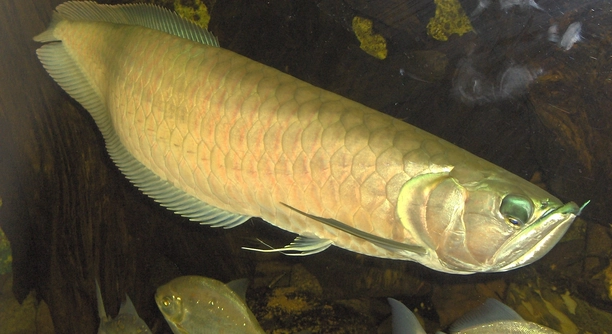
Have you ever noticed your arowana swimming sluggishly after weeks without cleaning its tank filter? Keeping the aquarium clean is a big part of caring for these majestic fish, and filters play an important role.
Arowanas can get sick from dirty filters because accumulated waste and harmful bacteria can pollute the water. Poor filtration increases stress, weakens their immune system, and creates an environment where diseases and infections thrive.
Maintaining a clean filter is key for healthy fish, and understanding how it affects your arowana helps prevent serious health problems.
How Dirty Filters Affect Water Quality
Dirty filters reduce the water flow in your arowana’s tank, which directly affects water quality. Over time, uneaten food, fish waste, and plant debris accumulate in the filter, breaking down into harmful substances. Ammonia and nitrite levels can spike, making the water toxic for your fish. Poor water quality stresses arowanas, weakening their immune system and leaving them more prone to infections. A slow-moving or clogged filter can also lead to oxygen depletion, which can cause lethargy, loss of appetite, and unusual swimming patterns. Regularly cleaning or replacing filter media is necessary to maintain a safe environment. Even partial maintenance, like rinsing sponges in tank water, helps reduce buildup. Keeping the water clear also prevents unpleasant odors and keeps beneficial bacteria thriving. These bacteria are essential for breaking down waste and maintaining a balanced ecosystem. Neglecting the filter can turn an otherwise healthy tank into a risky place for your arowana, affecting its overall behavior and lifespan.
Dirty filters can quickly turn healthy water unsafe, making regular maintenance critical for your fish’s well-being.
Consistent filter care not only removes debris but also ensures the tank’s biological balance. A healthy filter helps stabilize pH and prevents toxins from building up, keeping ammonia and nitrite levels low. This stability is essential for the arowana’s immune system and growth. Neglecting filter cleaning allows bacteria to overgrow, creating cloudy water and foul odors. Arowanas rely on clean water for feeding and proper activity, and even minor water quality issues can stress them. Scheduling a weekly or biweekly filter check keeps the water clear and reduces the risk of disease. Using a combination of mechanical, chemical, and biological filtration ensures that waste is removed efficiently. Observing water parameters regularly allows you to spot early signs of problems before they become serious. A properly maintained filter makes caring for arowanas easier and improves their overall health and longevity.
Signs of arowanas suffering from poor filtration
Lethargy, loss of appetite, and unusual swimming patterns are early signs of poor filtration.
Arowanas exposed to dirty filters may develop white spots, fin rot, or red streaks on their bodies. Stress from poor water quality weakens their immune system, leaving them vulnerable to infections. Monitoring behavior and physical appearance helps catch issues early. Immediate action, like cleaning the filter and performing partial water changes, can prevent serious illness. Even minor changes in water clarity or odor should not be ignored. Observing your arowana daily ensures that any problems are addressed before they escalate, keeping your fish healthy and active.
Preventing Health Issues from Dirty Filters
Regularly checking and cleaning your filter is the easiest way to prevent health problems in arowanas. Removing debris and replacing worn media keeps the water safe and reduces stress on your fish, ensuring they remain active and healthy.
Using a mix of mechanical and biological filtration is essential. Mechanical filtration removes solid waste, while biological filtration supports beneficial bacteria that break down harmful substances. Rinsing sponges in tank water instead of tap water preserves these bacteria. Scheduling consistent maintenance prevents ammonia spikes and keeps nitrite and nitrate levels stable. Even small steps, like topping off water and observing water clarity, contribute to a healthier environment for your arowana, reducing the likelihood of disease and improving overall tank balance.
Observing your arowana’s behavior after cleaning filters can indicate how effective maintenance is. Fish that swim actively and feed well usually benefit from clean water, while sluggishness or abnormal swimming may signal ongoing water issues. Maintaining a consistent cleaning schedule and checking water parameters regularly helps ensure that your tank remains a safe environment. Minor adjustments, like changing filter media or improving water flow, can significantly reduce stress. Healthy filters support a strong immune system, promote growth, and allow your arowana to display its natural beauty.
Choosing the Right Filter for Your Arowana
Selecting a filter that matches your tank size and fish load prevents water quality problems. Filters that are too small can become clogged quickly, while oversized filters may create excessive current, stressing the fish.
Arowanas need powerful filters that provide both mechanical and biological filtration. Canister filters are often preferred for larger tanks because they handle high volumes of water and debris efficiently. Sponge or hang-on-back filters can complement the system by providing gentle water movement. Maintaining multiple filtration stages ensures that waste is captured before it affects water quality. Consistently monitoring flow rate and adjusting as needed prevents stagnant areas. Choosing the right filter supports your arowana’s health, reduces cleaning frequency, and creates a stable environment that mimics natural conditions.
Signs Your Filter Needs Cleaning
Cloudy water, unpleasant odors, and reduced water flow are clear indicators that your filter needs attention. Ignoring these signs can quickly compromise water quality and put your arowana at risk of illness.
Visible debris or buildup in the filter media also signals it’s time for maintenance. Regular inspection prevents harmful toxins from accumulating.
Water Changes and Filter Maintenance
Performing regular water changes is essential, even with a properly functioning filter. Removing 20-30% of the water weekly helps maintain stable water parameters and reduces stress on your arowana. Clean water supports beneficial bacteria and keeps ammonia, nitrite, and nitrate levels under control.
Filter maintenance and water changes work together to create a healthy environment. Rinsing or replacing filter media prevents clogging and ensures proper water flow. Skipping maintenance can allow waste to accumulate, causing cloudy water, foul odors, and increased disease risk. Consistency in these practices keeps your arowana energetic, promotes growth, and reduces susceptibility to infections, making tank care more manageable.
Avoid Overfeeding
Overfeeding contributes to debris buildup in filters and deteriorates water quality.
Monitoring Water Parameters
Regularly testing pH, ammonia, nitrite, and nitrate levels helps detect early issues. Stable water parameters prevent stress and illness in arowanas.
FAQ
How often should I clean my arowana’s filter?
Cleaning frequency depends on tank size, fish load, and filter type. Generally, mechanical parts should be rinsed every two weeks, while biological media should be cleaned gently in tank water once a month. Over-cleaning biological media can harm beneficial bacteria and destabilize the tank’s ecosystem.
Can dirty filters make arowanas sick immediately?
Not always immediately, but poor filtration gradually worsens water quality. Ammonia and nitrite levels rise, creating toxic conditions that stress the fish. Over time, this stress weakens immunity and makes your arowana more susceptible to infections and fin rot.
What are the most common health issues from dirty filters?
Arowanas exposed to neglected filters often show signs of lethargy, loss of appetite, cloudy eyes, or red streaks on fins. White spots and fin rot are common secondary problems caused by stress and weakened immunity from poor water quality.
Can I use tap water for rinsing filter media?
Tap water contains chlorine, which can kill beneficial bacteria. Always rinse biological media in water taken from the tank. Mechanical media like sponges or pads can be rinsed more thoroughly, but avoid using hot water that may damage the filter components.
Are certain filter types better for arowanas?
Canister filters are ideal for large tanks, offering strong mechanical and biological filtration. Sponge filters provide gentle flow, useful for smaller tanks or supplementary filtration. Hang-on-back filters are convenient but may require frequent cleaning depending on tank size. Combining types often works best for stable water quality.
How do I know if my filter is failing?
Reduced water flow, unusual noises, or persistent cloudy water are signs of filter failure. Accumulated debris or worn media can block the system. Regular inspections and maintenance prevent these issues, ensuring the filter continues to remove waste effectively.
Do water changes replace filter cleaning?
No. While water changes reduce toxins and replenish minerals, they cannot remove solid debris trapped in filters. Both practices are necessary to maintain water quality, reduce stress, and prevent disease in arowanas.
Can I over-clean a filter?
Yes. Excessive cleaning, especially of biological media, can eliminate beneficial bacteria, causing ammonia and nitrite spikes. Gentle rinsing in tank water is enough to remove buildup while preserving the bacterial colonies essential for waste breakdown.
What happens if I ignore filter maintenance for months?
Neglecting filters leads to ammonia and nitrite accumulation, cloudy water, foul odors, and an unhealthy environment. Arowanas become stressed, stop eating, and are prone to bacterial or fungal infections. Severe cases may result in permanent damage or death if untreated.
Is filter maintenance stressful for the fish?
Brief maintenance can slightly disturb fish, but the long-term benefits outweigh temporary stress. Minimizing sudden water changes and handling filter parts carefully reduces disruption. Consistent routines help arowanas adapt without prolonged stress, supporting overall health.
Can supplements or medications replace filter cleaning?
Supplements cannot replace proper filtration. While some chemicals detoxify ammonia or nitrite, they are temporary fixes and do not remove debris. Relying solely on additives may mask problems but does not address underlying water quality issues that cause sickness.
How can I make filter maintenance easier?
Using multiple filters, choosing easy-to-clean media, and scheduling regular maintenance makes care manageable. Labeling parts and keeping spare media helps avoid mistakes. Observing water clarity and fish behavior provides feedback on when adjustments are needed, preventing emergencies.
Will arowanas recover if water quality improves after a dirty filter?
Yes, many arowanas recover when water quality is restored. Gradual improvements through cleaning, water changes, and maintaining proper filtration allow stress levels to drop and immune function to return. Recovery may take time depending on the severity of damage caused by poor conditions.
Can filters get clogged even with proper maintenance?
Yes, debris accumulation can happen quickly in heavily stocked tanks or after overfeeding. Regular inspection, timely rinsing, and adjusting feeding habits prevent clogging and ensure consistent water flow, keeping your arowana safe and healthy.
Are there natural ways to support filtration?
Live plants help absorb nitrates and provide oxygen, complementing mechanical and biological filters. However, plants cannot replace routine filter maintenance. Combining natural filtration with proper equipment creates a balanced, stable environment that supports your arowana’s health effectively.
Keeping your arowana healthy depends heavily on maintaining a clean and efficient filter. Dirty filters allow waste and harmful substances to build up in the tank, which can lead to stress, illness, or even death in extreme cases. When filters are neglected, ammonia and nitrite levels rise, oxygen decreases, and the water becomes cloudy. These changes affect the fish’s immune system, making it more vulnerable to infections and diseases. Even small signs of stress, such as sluggish swimming or loss of appetite, can indicate that water quality is declining. By paying attention to your filter and water parameters, you can prevent many of these issues before they become serious. Regular inspections of the filter, observing the flow rate, and checking the clarity of the water are all simple steps that make a big difference in the long-term health of your arowana.
Filter maintenance is not just about cleaning; it’s about creating a stable and balanced environment for your fish. Biological filtration is particularly important because it supports beneficial bacteria that break down toxic waste. Over-cleaning or using tap water on biological media can disrupt these bacteria and cause harmful spikes in ammonia or nitrite. Mechanical filtration removes visible debris, which keeps the water clear, while chemical filtration can address odors and impurities. Together, these filtration processes help maintain consistent water conditions, which reduce stress and improve the fish’s overall well-being. Coupled with regular water changes, feeding control, and monitoring water parameters like pH, nitrates, and ammonia, proper filter maintenance forms the foundation of responsible arowana care. A well-maintained tank not only supports health but also allows the fish to thrive, swim energetically, and display natural behaviors.
It’s important to understand that arowanas are sensitive to their environment, and even minor neglect can have consequences over time. Maintaining a routine for filter cleaning, partial water changes, and monitoring your tank prevents sudden changes that could harm the fish. Observing your arowana’s behavior and appearance gives you immediate feedback on water quality, allowing you to take action before problems worsen. While the idea of filter maintenance may seem tedious, it is a small effort compared to the benefits it provides for your fish’s health and longevity. Investing time in maintaining a clean filter ensures that your arowana can live comfortably, grow properly, and remain strong against illnesses. With consistent care, you create a safe, stable habitat that supports the fish’s natural beauty and vitality, making the tank a healthier and more enjoyable space overall.

Hello,
If you enjoy the content that we create, please consider saying a "Thank You!" by leaving a tip.
Every little bit helps us continue crafting quality advice that supports the health, happiness, and well-being of pets around the world, for pets of all shapes, sizes, and species.
We really appreciate the kindness and support that you show us!