
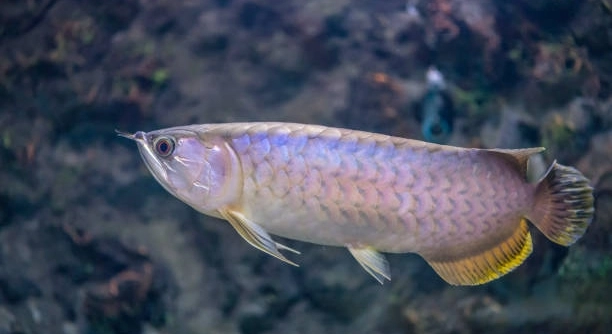
Have you ever noticed how your arowana glides gracefully through its tank but pauses whenever something changes? Watching these elegant fish can be calming, yet even small changes in their environment seem to catch their attention.
Arowanas often react to tank cleaning with cautious or defensive behavior. They may hide, swim rapidly, or stay near the bottom. This response is largely due to disturbance of familiar scents, water movement, and the temporary disruption of their established territory.
Observing these reactions can help you maintain a calmer environment for your arowana while keeping the tank clean and healthy. Understanding their behavior improves both care and the fish’s comfort.
Signs Your Arowana Is Stressed During Tank Cleaning
When I first cleaned my arowana’s tank, I noticed it would suddenly dart from one corner to another or press itself against the glass. These behaviors are common indicators of stress. Arowanas are highly sensitive to changes in their environment, and even minor adjustments in water flow, temperature, or the placement of decorations can make them uneasy. Rapid swimming, hiding behind ornaments, or staying near the surface are all signals that the fish feels unsettled. It’s important to watch for these signs, especially if the cleaning process is frequent or involves strong water currents. Over time, observing these reactions can help you adjust your cleaning routine to reduce stress. For instance, moving decorations slowly, cleaning in sections, and avoiding abrupt water changes can make the process calmer. A calmer fish is easier to care for, and this awareness ensures the arowana maintains its health and natural behavior patterns.
Recognizing stress early can prevent long-term health problems and keeps your arowana more comfortable during maintenance.
Arowanas rely heavily on consistency and routine. Sudden disturbances during tank cleaning can disrupt their environment and trigger defensive behaviors. For example, a quick removal of water or scrubbing of surfaces may cause the fish to swim erratically or hide for extended periods. In addition, arowanas are territorial; rearranging tank ornaments or changing the substrate can make them feel threatened. Over time, repeated stress can affect appetite, immune function, and overall vitality. To reduce stress, clean the tank gradually, avoid startling movements, and ensure water temperature and chemistry remain stable. Introducing changes slowly helps the fish adapt and keeps the tank environment safe. Observing the arowana’s behavior during these activities allows you to respond promptly, such as pausing cleaning if the fish becomes overly agitated. Maintaining a calm approach during every cleaning session supports both the fish’s health and your ability to care for it effectively.
Techniques to Minimize Stress
Using a gentle approach while cleaning can make a big difference. Simple adjustments like lowering water flow or moving slowly help the fish feel secure.
Gradual cleaning methods are key for arowanas. Cleaning in small sections, maintaining water temperature, and avoiding rapid water changes reduces anxiety. Additionally, minimizing noise and vibrations near the tank supports a calmer environment. Preparing all cleaning tools beforehand and keeping interactions brief helps maintain consistency. These steps make the cleaning process less disruptive, allowing the arowana to continue its normal swimming and feeding behavior without prolonged stress. Observing the fish’s reactions during these sessions is important. If it hides or swims erratically, pause and let it settle before continuing. Over time, these careful techniques create a smoother routine that benefits both the fish and the caretaker. Ensuring a stress-free cleaning environment promotes better long-term health and reduces the likelihood of behavior changes caused by repeated disturbances. Implementing these strategies consistently helps the arowana remain comfortable and secure while keeping the tank clean.
Preparing Your Tank Before Cleaning
Removing debris and old food before a full clean helps reduce sudden changes in water quality. Using a siphon or net carefully prevents disturbing the arowana too much, keeping it calmer during the process.
I always start by checking the water parameters before cleaning. Testing for ammonia, nitrite, and pH levels ensures the tank remains stable while I work. Cleaning only part of the water at a time prevents sudden temperature shifts and reduces stress. Moving decorations gently and leaving hiding spots intact allows the fish to feel secure. Preparing everything beforehand also shortens the cleaning time, which helps the arowana stay calm. A stable environment is crucial because arowanas are sensitive to abrupt changes and can react negatively if the cleaning process is too disruptive.
During substrate cleaning, I focus on removing visible waste while keeping most of the substrate undisturbed. Avoiding deep agitation of the gravel or sand prevents stirring up excessive debris and keeps the water clearer. Using slow, steady movements while cleaning plants and ornaments reduces vibrations in the water. This method maintains a consistent environment and helps the arowana adjust to changes gradually. By limiting disruptions, I notice the fish stays more relaxed, continues normal swimming patterns, and returns to feeding behavior quickly after cleaning.
Observing Behavior During Cleaning
Watching how the arowana reacts helps identify stress signs early. Rapid swimming, hiding, or staying near the surface signals unease and calls for slower movements.
If the arowana becomes overly cautious, I pause cleaning to allow it to settle. Stress behaviors, such as darting or pressing against glass, often subside when water flow is reduced and interactions are minimized. Gradually removing decorations, cleaning only sections at a time, and maintaining steady water temperature prevents agitation. I also notice subtle behaviors, like fin clamping or slower movements, which indicate mild stress. Observing these cues ensures I can adjust the routine immediately, protecting the fish’s health. Keeping sessions brief while maintaining cleanliness allows the tank to stay safe without overwhelming the arowana.
Using Proper Tools
Choosing the right tools makes cleaning easier and less stressful for the arowana. Soft brushes, siphons, and gentle nets prevent sudden disturbances in the tank.
I always keep separate tools for substrate, decorations, and glass. This avoids spreading debris or chemicals that could harm the fish. Proper tools also speed up cleaning, reducing the time the arowana feels disturbed.
Water Changes
Partial water changes maintain water quality without shocking the fish. Removing 20–30% of water gradually keeps parameters stable.
Cleaning Decorations
I clean decorations outside the tank using warm water and a soft brush. Avoiding soap or chemicals ensures safety for the arowana.
Maintaining Routine
Keeping a consistent cleaning schedule helps the arowana adjust and reduces stress over time. Frequent, small cleanings are more effective than occasional deep cleans.
FAQ
How often should I clean my arowana’s tank?
I usually clean my arowana’s tank once every two weeks, but it depends on the fish size and tank volume. Smaller tanks or highly stocked tanks need more frequent maintenance. Regular cleaning helps keep water parameters stable, reduces waste buildup, and keeps the fish healthy. Partial water changes can be done weekly, while deep cleaning of decorations and substrate can follow a biweekly schedule.
What is the safest way to remove debris?
Using a siphon or gravel vacuum works best. I move slowly to avoid scaring the fish. Picking out leftover food and waste before changing water helps reduce stress and prevents cloudy water. Avoid stirring the substrate too much, which can release harmful compounds.
Can arowanas handle full water changes?
Full water changes are not recommended. I always remove 20–30% of water at a time to prevent sudden temperature or chemical changes. Arowanas are sensitive to rapid shifts, and full changes can cause shock, appetite loss, or stress. Gradual changes keep the tank safe.
Do decorations need to be cleaned every time?
Not necessarily. I clean decorations every few weeks or when algae buildup is visible. Cleaning too often can disturb the fish. Removing and scrubbing ornaments gently with warm water and a soft brush works well. Avoid soap or chemical cleaners, as residues can harm the arowana.
Why does my arowana hide during cleaning?
Hiding is a normal stress response. When I clean the tank, the fish may feel threatened by sudden movements, changes in water flow, or rearranged ornaments. Providing hiding spots and moving slowly reduces stress. Over time, the arowana may become more comfortable with routine maintenance.
How do I know if my arowana is stressed?
Stress signs include rapid swimming, staying near the surface, clamped fins, hiding, or refusing food. I observe these behaviors closely during and after cleaning. Early detection allows me to pause or slow down maintenance, ensuring the fish stays healthy and calm.
Is it safe to clean filters during tank maintenance?
Yes, but carefully. I rinse filter media in removed tank water instead of tap water to preserve beneficial bacteria. Over-cleaning the filter can harm water balance. A clean filter supports water quality, reduces odors, and prevents harmful ammonia spikes.
What water parameters should I check before cleaning?
I check temperature, pH, ammonia, nitrite, and nitrate levels. Keeping these stable during cleaning prevents stress or health problems. Using a thermometer and test kit ensures the water remains within safe ranges for the arowana. Gradual adjustments are key when cleaning or adding water.
Can I feed my arowana before cleaning the tank?
It’s better to feed after cleaning. Feeding beforehand may leave leftover food that increases waste and water contamination during maintenance. After cleaning, the tank is fresher, and feeding becomes safer and more controlled for the fish.
How long should cleaning sessions last?
I try to keep each session under an hour. Long cleaning periods can stress the arowana. Preparing tools, working slowly, and cleaning in sections helps complete the process efficiently without upsetting the fish. Regular, shorter sessions are better than infrequent deep cleans.
What should I do if my arowana becomes extremely agitated?
I pause cleaning and let the fish settle in a quiet area of the tank. Reducing water flow, limiting movement near the tank, and allowing hiding spots helps the fish calm down. Observing behavior before resuming ensures the process doesn’t cause prolonged stress.
Are there signs of long-term stress from tank cleaning?
Yes, repeated stress can lead to loss of appetite, fin clamping, slower swimming, or weakened immune response. I monitor my arowana for these signs and adjust cleaning routines to be gentler and more consistent. A stable, predictable environment reduces long-term stress risks.
How do I minimize stress while doing water changes?
I remove water slowly, match temperature, and pour new water gently. Sudden currents or temperature shifts can alarm the fish. I also avoid crowding the tank and keep movements slow. Maintaining familiar scents and visual landmarks helps the arowana feel secure.
Is it necessary to clean the tank decorations outside the tank?
Yes, it prevents disturbing the fish and reduces mess. I scrub ornaments in warm water, leaving them free of algae or debris. Avoiding chemicals ensures safety. Returning cleaned decorations gradually maintains a familiar environment and reduces stress during reintroduction.
How do I balance cleaning frequency with my arowana’s comfort?
I observe behavior after each cleaning to find the best routine. Partial water changes weekly, substrate cleaning biweekly, and decorations monthly work for my setup. Adjusting based on water quality and fish reactions ensures cleanliness without causing repeated stress.
Can over-cleaning be harmful?
Yes, too much cleaning disturbs beneficial bacteria, water stability, and the fish’s sense of territory. I avoid scrubbing every surface every time and focus on removing waste, keeping the tank clean while maintaining arowana comfort.
What tools help reduce stress during cleaning?
Soft brushes, siphons, gentle nets, and pre-prepared buckets work best. Using quiet, slow movements and sectioning the cleaning process reduces agitation. I also keep tools ready beforehand to make the session quicker and smoother.
Is there a way to make arowanas more comfortable during routine cleaning?
Maintaining a predictable schedule, minimizing sudden movements, and leaving hiding spots intact help. I notice the fish becomes calmer over time as it learns the routine. Gradual water changes, gentle handling, and consistent care reduce stress and support long-term health.
How important is observation during tank maintenance?
Observation is key. I watch for unusual behavior, rapid swimming, hiding, or fin clamping. Adjusting my cleaning process based on these cues keeps the arowana safe and comfortable. Over time, observation allows me to improve the cleaning routine while keeping water quality high.
What is the best order for cleaning tasks?
I start with debris removal, then partial water changes, followed by cleaning decorations, and finally checking filters. This order minimizes disruption and prevents unnecessary stress. Preparing all tools beforehand makes this process smooth and efficient.
Can temperature changes during cleaning affect the arowana?
Yes, sudden temperature shifts can stress the fish. I always check water temperature and add new water slowly to match existing conditions. Gradual adjustments prevent shock and maintain the fish’s comfort during cleaning.
How do I know if the tank is clean enough without overdoing it?
Visible debris removal, clear water, and minimal algae buildup indicate adequate cleaning. I avoid deep scrubbing every surface each session to protect beneficial bacteria and maintain a stable environment for the arowana. Regular, gentle maintenance is most effective.
Are certain areas of the tank more sensitive to clean?
Yes, corners, caves, and heavily planted areas are sensitive. I clean these spots slowly and carefully to avoid stressing the fish or disturbing established territories. Gradual cleaning ensures the arowana continues to feel secure in its environment.
How should I manage multiple arowanas during cleaning?
I focus on one area at a time, keeping fish separated if possible. Minimizing movement and providing hiding spots helps reduce stress. Observing reactions allows me to adjust pace and ensure all fish remain comfortable while maintaining water quality.
Can overfeeding affect cleaning frequency?
Yes, excess food increases waste, requiring more frequent cleaning. I monitor feeding portions carefully. Proper feeding reduces debris accumulation, keeps water quality high, and lowers stress for the arowana during maintenance.
What do I do if water turns cloudy after cleaning?
Cloudiness often comes from disturbed substrate or leftover debris. I allow the tank to settle and may run the filter longer. Gradual cleaning and careful siphoning prevent this issue. Patience helps maintain a calm environment for the arowana.
How important is consistency in tank cleaning?
Consistency reduces stress and supports stable water conditions. I follow a schedule for water changes, substrate cleaning, and decorations. Predictable routines help the arowana adapt and prevent negative behavioral changes due to sudden disruptions.
How can I tell if my cleaning methods are working?
Healthy appetite, normal swimming, and minimal hiding indicate effective cleaning. Observing the arowana’s behavior after maintenance ensures that water quality remains high and the fish stays comfortable. Adjustments can be made based on these cues to improve care.
What steps help during algae removal?
I scrub gently with soft brushes or cloths. Using tools carefully prevents stirring up too much debris. Removing algae gradually avoids startling the arowana and keeps the tank visually clean without compromising water stability.
Are there common mistakes to avoid during cleaning?
Rushing, using chemicals, full water changes, or over-cleaning filters are mistakes I avoid. They can stress the fish, disrupt water chemistry, or remove beneficial bacteria. Slow, careful cleaning ensures the arowana stays calm and healthy.
How do I maintain water quality between cleanings?
I feed appropriate portions, remove uneaten food, monitor parameters, and run the filter efficiently. Observing the fish’s behavior and water clarity helps me determine when minor maintenance or partial water changes are needed. These steps keep the tank balanced between deep cleaning sessions.
Can stress from cleaning affect breeding or growth?
Yes, repeated stress can impact appetite, growth, and breeding behavior. I keep cleaning gentle, gradual, and consistent to reduce stress. Maintaining a stable environment supports healthy development and natural behavior patterns in the arowana.
Is it necessary to acclimate water changes?
Absolutely. I match temperature, pH, and chemistry before adding new water. Sudden changes can shock the fish, causing stress or health problems. Slow acclimation ensures the tank remains safe during maintenance.
How do I know if my arowana enjoys the cleaning routine?
While fish cannot “enjoy” cleaning, calm behavior, normal swimming, and quick return to feeding indicate comfort. Observing these responses helps me adjust routines and reduce stress over time. Consistency and gentle handling are key.
What should I do if my arowana refuses food after cleaning?
I wait and monitor behavior. Sometimes stress or disturbed water parameters cause temporary appetite loss. Ensuring water quality, gentle cleaning, and minimal disturbances usually restore normal feeding within hours to a day.
Are there signs my cleaning frequency is too high?
Frequent hiding, rapid swimming, or clamped fins after each session may indicate over-cleaning. I reduce the intensity or frequency and focus on gradual maintenance to keep the arowana calm and healthy.
Can lighting affect cleaning stress?
Bright lights can make arowanas nervous during cleaning. I lower lighting or work from outside the tank to reduce agitation. A calmer environment improves the fish’s response to maintenance.
How do I balance thorough cleaning with minimal stress?
I clean in sections, use gentle tools, maintain temperature and water quality, and observe behavior. Prioritizing slow, steady movements and consistent routines ensures a clean tank while keeping the arowana comfortable and safe.
Are water conditioners necessary during cleaning?
Yes, especially when topping off or adding new water. I use conditioners to remove chlorine or heavy metals. This protects the fish and maintains a safe environment while preventing stress from chemical changes.
What should I do if multiple stress signs appear at once?
Pause all cleaning, reduce water flow, and provide hiding spaces. I let the fish settle before continuing and monitor behavior closely. Immediate adjustments prevent long-term health problems. Gradual resumption of cleaning keeps the tank safe and the arowana calm.
Is temperature fluctuation during cleaning a major risk?
Yes, sudden drops or rises can shock the fish. I always check and match water temperature carefully. Maintaining stable conditions during cleaning prevents stress and supports overall health.
How can I improve efficiency without stressing the arowana?
Preparing tools, cleaning in sections, and working slowly helps. I prioritize areas with visible debris and avoid unnecessary disturbance. This approach maintains cleanliness while minimizing agitation and keeping the arowana comfortable.
What is the best approach to acclimating new water after cleaning?
I add water slowly, matching temperature and chemistry. Pouring gently reduces currents, and observing behavior ensures the fish tolerates changes. Gradual acclimation prevents stress and supports a smooth transition during tank maintenance.
How do I know if my cleaning habits are effective long-term?
Healthy water parameters, active behavior, normal feeding, and minimal stress indicate effective cleaning. I adjust frequency and methods based on ongoing observation to maintain both a clean tank and a calm, healthy arowana.
Are there shortcuts that should be avoided?
Skipping partial water changes, overusing chemicals, or rushing the process are mistakes. I focus on slow, careful, and consistent cleaning to avoid stressing the fish or disrupting water balance. Efficiency should not come at the cost of the arowana’s comfort.
Can arowanas recognize the cleaning routine over time?
Yes, they become more comfortable with gradual, predictable routines. I notice reduced hiding and calmer swimming after repeated sessions. Consistency builds familiarity, reducing stress and making maintenance smoother for both the fish and caretaker.
What is the single most important factor to keep in mind during cleaning?
Maintaining a stable environment with minimal disturbance is key. I focus on gradual water changes, gentle cleaning, and observing behavior. Protecting the arowana’s comfort ensures both health and tank cleanliness.
How do I handle sudden emergencies during cleaning?
If water quality spikes or equipment fails, I stop cleaning, restore water conditions, and monitor the fish closely. Quick action prevents prolonged stress and keeps the arowana safe. Maintaining calm and steady procedures helps manage unexpected situations efficiently.
Can overhandling during cleaning be harmful?
Yes, excessive interaction or touching the fish can increase stress. I avoid handling the arowana unless absolutely necessary, relying on gentle tools and observation to maintain the tank safely.
How can I keep the fish occupied during cleaning?
Providing hiding spots or rearranging non-essential decorations slowly can reduce agitation. I also avoid standing directly above the tank for long periods. Subtle environmental adjustments help the arowana feel secure while I clean.
Are there seasonal adjustments needed for cleaning?
Yes, temperature and water parameters fluctuate with seasons. I adjust cleaning frequency and water changes accordingly. During warmer months, more frequent partial changes may be needed, while cooler months require gentle maintenance to avoid temperature shock.
How do I know if water flow is stressing my arowana?
Rapid swimming or staying near the surface often indicates discomfort. I slow down water movement, reduce filter output temporarily, and observe responses. Adjusting flow during cleaning helps maintain a calm environment.
Is it necessary to change cleaning methods as the arowana grows?
Yes, larger fish may be more sensitive to disturbances or require more space. I adapt tools, water change volumes, and cleaning routines to suit their size and behavior, ensuring comfort and safety.
How do I deal with stubborn algae or debris without stressing the fish?
I clean small areas at a time, using soft brushes and gentle scraping. Avoiding aggressive scrubbing prevents agitation, while gradual removal of debris keeps water clear and the arowana calm.
Are there signs the tank is not clean enough?
Cloudy water, strong odors, visible waste, or algae buildup indicate more cleaning is needed. I focus on problem areas gradually, avoiding excessive disturbance to maintain both cleanliness and comfort.
How do I maintain calm behavior after cleaning?
I reduce light, maintain stable water parameters, and avoid sudden movements around the tank. Observing the fish returning to normal swimming and feeding indicates it has adjusted and remains comfortable in its environment.
Can stress from cleaning affect social behavior in multiple arowanas?
Yes, stressed fish may become territorial or hide more. I monitor interactions and adjust cleaning routines to reduce tension. Gradual, predictable maintenance supports harmonious behavior among multiple arowanas.
What adjustments help during extreme weather or temperature changes?
I monitor water temperature carefully, adjust heaters or coolers gradually, and avoid large water changes during extreme conditions. Maintaining stable parameters reduces stress and protects the arowana’s health during maintenance.
How do I balance chemical use and natural cleaning methods?
I avoid harsh chemicals, relying on water changes, gentle scrubbing, and natural filtration. Conditioners are used only when needed. This approach keeps the tank safe, the arowana calm, and the ecosystem balanced.
Can sudden noise affect the arowana during cleaning?
Yes, loud sounds can startle the fish. I minimize nearby noise and vibrations while cleaning. Keeping a quiet environment supports calm swimming and reduces stress-related behavior.
How do I ensure safe water refilling after cleaning?
I match temperature and chemistry, pour slowly, and monitor the arowana’s reaction. Gradual refilling prevents shock and maintains water stability, allowing the fish to stay comfortable during the process.
Is partial cleaning more effective than deep cleaning for stress reduction?
Yes, partial cleaning reduces disturbances while maintaining water quality. I focus on sections, debris removal, and water changes rather than disturbing the entire tank at once, keeping the arowana calmer and healthier.
How do I handle sudden waste buildup without stressing the fish?
I remove debris carefully using a siphon or net, focusing on problem areas slowly. Avoiding agitation of the substrate prevents cloudiness and reduces stress. Frequent small removals are more effective than rare, intensive cleaning.
What role does observation play in long-term tank maintenance?
Observation is critical. Watching the arowana’s behavior allows me to adjust cleaning frequency, methods, and water parameters to maintain a safe, comfortable environment. Consistent monitoring ensures health and reduces stress over time.
How can I prepare for unexpected cleaning emergencies?
I keep backup water, test kits, and tools ready. Monitoring equipment and water quality ensures I can respond quickly to sudden issues, minimizing stress and maintaining a healthy environment for the arowana.
Are there habits that reduce stress over time?
Yes, predictable routines, gentle movements, gradual water changes, and consistent observation help the arowana adapt to cleaning. Over time, the fish becomes calmer and more comfortable, making maintenance easier for both the fish and caretaker.
What is the best practice for feeding after cleaning?
I wait until the water has settled and parameters are stable. Feeding too soon can increase waste or stress. Waiting allows the arowana to resume normal behavior and ensures a safe, clean environment for consumption.
How important is patience during cleaning?
Patience is essential. Moving slowly, observing reactions, and addressing only small sections at a time prevents stress. Rushing through cleaning can lead to agitation, disrupted water parameters, and long-term behavioral changes.
How do I prevent accidental injury to the fish?
I avoid sharp tools, sudden movements, and unnecessary handling. Using soft brushes, siphons, and gentle nets ensures the arowana remains safe. Careful attention during every step prevents injuries and supports overall health.
How do I manage water chemistry fluctuations during cleaning?
I test water before and after changes, use conditioners, and add water gradually.
Keeping an arowana healthy requires more than feeding and regular tank maintenance. Cleaning the tank plays a significant role in maintaining water quality, preventing disease, and ensuring the fish has a comfortable environment. Observing how the arowana reacts during cleaning is equally important, as these behaviors provide insight into stress levels and overall well-being. Arowanas are sensitive creatures that notice changes in water flow, temperature, and the arrangement of decorations. Even small disturbances can trigger hiding, rapid swimming, or staying near the surface. Recognizing these reactions helps adjust cleaning routines to reduce stress, keeping the fish calm and healthy over time. By being mindful of these cues, caretakers can create a safer and more stable environment, which is essential for long-term health and growth.
Consistency and patience are key when caring for an arowana. Maintaining a regular cleaning schedule, monitoring water parameters, and using gentle tools all contribute to a stable tank environment. Partial water changes are better than full replacements, and gradual cleaning of decorations and substrate prevents sudden disruptions that can stress the fish. Observing behavior during these routines allows for immediate adjustments, whether that means slowing down, pausing, or moving more gently. Even small habits, like avoiding abrupt movements near the tank or keeping equipment ready beforehand, make a noticeable difference. Over time, the arowana becomes familiar with the routine, showing calmer swimming patterns, resuming feeding quickly, and adapting more comfortably to minor disturbances. This approach not only maintains cleanliness but also promotes a long-lasting sense of security for the fish.
Understanding your arowana’s reactions to tank cleaning also improves overall care and interaction. Watching how the fish responds to changes can reveal preferences for certain hiding spots, water flow, and environmental conditions. It helps prevent long-term stress, which can affect appetite, immunity, and behavior. Maintaining a calm, predictable environment ensures the fish remains active, healthy, and visually striking. Gentle, consistent care enhances the arowana’s natural behaviors while keeping the tank clean and balanced. Over time, these practices become part of a routine that benefits both the caretaker and the fish. Observing, adapting, and maintaining a stable environment ensures that tank cleaning is not just a chore but a way to support the arowana’s comfort, safety, and overall well-being.

Hello,
If you enjoy the content that we create, please consider saying a "Thank You!" by leaving a tip.
Every little bit helps us continue crafting quality advice that supports the health, happiness, and well-being of pets around the world, for pets of all shapes, sizes, and species.
We really appreciate the kindness and support that you show us!