
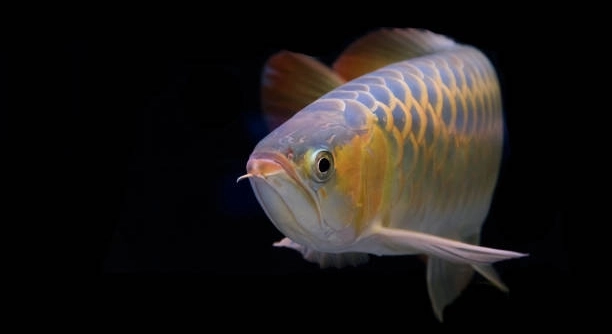
Have you ever noticed your arowana hovering in one spot for minutes at a time? Many fish owners find this behavior puzzling, especially when their aquarium is clean and the fish seems otherwise healthy.
Arowanas sometimes swim in place due to environmental stress, water parameters, or resting behavior. Insufficient water flow, low oxygen, or changes in temperature can trigger this stationary swimming, which is a natural response to maintain stability and conserve energy.
Observing this behavior more closely can reveal subtle signs about your fish’s comfort and habitat conditions. Proper understanding helps maintain a healthier environment for your arowana to thrive.
Water Quality and Temperature
Water quality plays a big role in how arowanas behave. I’ve noticed that even small changes in pH or ammonia levels can make them swim in place. These fish are sensitive to their environment, so keeping the water clean and well-filtered is essential. Temperature fluctuations also affect their activity. Arowanas prefer stable, warm water around 75–82°F. Sudden drops or rises can stress them, causing them to pause in the water. I make it a habit to check the thermometer daily and test water parameters weekly. Even slight disturbances in water chemistry can trigger this stationary swimming. Over time, I realized that consistent maintenance and slow adjustments help them stay active and healthy. The presence of waste or leftover food can also reduce oxygen levels, which makes the arowana stay in one place until conditions improve. Observing their swimming patterns can tell you a lot about the tank’s balance.
Monitoring water conditions consistently prevents unexpected health issues. Stable water keeps arowanas calm and active.
Keeping water balanced requires regular testing and proper filtration. I learned that slow, incremental changes in temperature and chemistry help the fish adjust comfortably. Consistency allows them to explore their tank naturally without stress, reducing the tendency to swim in place. Aeration, proper filtration, and avoiding overfeeding are also key factors. By watching their behavior, it’s easier to detect minor issues before they become serious. Small adjustments, like adding an air stone or adjusting the heater, can make a noticeable difference. Over time, this approach made my arowana more energetic and responsive. Recognizing the subtle signals from their swimming patterns helps maintain a healthy environment. Arowanas, like many fish, thrive when their habitat is predictable and supportive, allowing them to show their natural behavior freely without unnecessary stress.
Feeding and Energy Levels
Arowanas can swim in place when they are digesting food or conserving energy. Small meals and slow feeding help maintain balance.
Hunger or overeating both influence their activity. When they digest, they tend to rest mid-water, minimizing energy use. I’ve seen my fish stay still after meals for a short while. Regular feeding schedules and portion control prevent lethargy or stress-induced stationary swimming. Providing varied food, like pellets and occasional live treats, keeps them motivated and engaged. Monitoring their appetite also helps detect early signs of illness or discomfort. By keeping feeding consistent, their energy levels remain stable, reducing unusual swimming behavior. Observing these patterns made me more aware of how their diet directly affects movement. Adjusting portions and feeding frequency has improved activity while preventing digestive stress. Overall, understanding feeding habits is essential for keeping arowanas active and content in their tank.
Stress and Tank Environment
Arowanas often swim in place when they feel stressed. Overcrowding, aggressive tank mates, or sudden changes in lighting can make them pause. I noticed mine prefer a calm, spacious tank where they can move freely without constant disturbances.
Stress can come from many small factors in the tank. Loud noises near the aquarium, frequent rearrangement of decorations, or aggressive neighbors can trigger this behavior. My arowana reacted immediately when I added a new fish without acclimating it first. Even minor disturbances, like tapping on the glass or moving furniture around the tank, caused them to hover mid-water. Providing hiding spots, maintaining stable lighting, and keeping a consistent routine reduced their stress considerably. I learned that observing their reactions carefully helped me understand which changes were tolerable and which caused anxiety. A calm environment encourages natural swimming and reduces periods of stationary behavior.
Tank layout and surroundings strongly influence how comfortable arowanas feel. I noticed that smooth decorations, proper hiding spots, and predictable routines kept them active. When stress is minimized, they swim more confidently and explore the full tank. Regularly checking for sources of agitation, such as overly active tank mates or abrupt environmental changes, has made a noticeable difference in their behavior. Over time, I adjusted lighting schedules and rearranged furniture around the aquarium to create a stable, predictable space. By paying attention to how they respond to new objects or movements nearby, I was able to reduce stress and help my arowana maintain a natural, active swimming pattern.
Health Concerns
Arowanas sometimes swim in place when they are unwell. Digestive issues, parasites, or infections can reduce their energy and cause stationary behavior. I’ve learned that observing their swimming carefully often hints at underlying health problems.
Illness can be subtle at first. Signs like slow swimming, floating in one spot, or loss of appetite often appear before other visible symptoms. I once noticed my fish lingering mid-water after a minor digestive upset. Quick response, such as testing water quality, adjusting diet, or consulting a vet, helped prevent serious complications. Regular observation and preventive care, including quarantine for new fish, maintain overall health. Stress combined with poor water conditions can worsen illnesses. By keeping track of their behavior, I can detect issues early, ensuring they receive timely care and recover more efficiently.
Maintaining health involves more than clean water. Balanced diet, proper tank temperature, and attentive monitoring all play a role. I make sure my arowana gets varied food and enough space to swim comfortably. Regularly checking for physical signs like swelling, discoloration, or unusual movements helps me catch problems early. Health monitoring also includes watching for behavioral changes, like hovering mid-water or refusing to eat. By staying proactive and adjusting tank conditions when needed, I’ve reduced the risk of stress-related illness. Observing their swimming closely has taught me that early action often prevents small issues from becoming serious, keeping my arowana active and healthy over time.
Breathing and Oxygen Levels
Arowanas may hover when oxygen levels are low. I noticed mine often stay in one spot near the surface, where oxygen is higher, especially in crowded or poorly aerated tanks.
Adding an air stone or improving water flow usually resolves this issue quickly. Watching their breathing patterns helps me know if oxygen is sufficient.
Mating and Territorial Behavior
During breeding or establishing territory, arowanas can swim in place to monitor their surroundings. I observed that they often hover near tank edges or decorations to assert dominance or protect a chosen area. Stationary swimming is part of their natural instincts.
Aging and Activity Levels
Older arowanas tend to swim less actively and may hover more often. I noticed mine gradually reduced swimming distance and stayed mid-water to conserve energy, which is normal for aging fish.
Lighting and Day-Night Cycle
Improper lighting can affect arowana activity. I found that sudden changes or excessively bright lights often make them pause mid-water, while consistent lighting encourages regular swimming patterns.
Why does my arowana sometimes swim in place for long periods?
Arowanas often hover when they feel stressed, are digesting food, or when water conditions aren’t ideal. I’ve noticed mine pause mid-water after meals or during minor temperature fluctuations. This behavior helps them conserve energy while assessing their surroundings. Keeping the tank stable and calm usually reduces these episodes.
Is swimming in place a sign of illness?
Not always, but it can indicate a problem. If your arowana combines stationary swimming with loss of appetite, lethargy, or unusual marks on its body, it may be sick. I once saw my fish hover for hours before noticing early signs of digestive upset. Quick intervention, such as adjusting water parameters or consulting a vet, can prevent more serious issues.
Can poor water quality cause stationary swimming?
Yes. Low oxygen, high ammonia, or unstable pH levels make arowanas less active. I found that adding an air stone and maintaining clean, filtered water encouraged my fish to move freely again. Consistent water testing and careful adjustments prevent stress-related behavior.
Does tank size affect swimming patterns?
Absolutely. Arowanas need plenty of space to swim comfortably. I observed mine hovering more often when the tank felt cramped. Providing enough length and height allows them to exercise naturally, reducing mid-water pauses and improving overall health.
How do aggressive tank mates impact arowana behavior?
Aggressive or overly active fish can make arowanas stay in one place to avoid confrontation. My fish used to hover near decorations when new tank mates arrived. Creating territories, offering hiding spots, and monitoring interactions helps them feel safe and reduces stress-induced stationary swimming.
Could feeding habits influence this behavior?
Yes. Overfeeding or irregular feeding schedules can make arowanas hover while digesting. I learned to provide small, consistent meals and include a mix of pellets and occasional live food. This keeps energy levels balanced and prevents long periods of inactivity.
Does lighting affect swimming activity?
Sudden changes or overly bright lighting can make arowanas pause mid-water. I found that maintaining a steady day-night cycle with moderate lighting encourages natural movement. Adjusting lights gradually and avoiding abrupt changes keeps them comfortable.
Is stationary swimming normal for older arowanas?
It can be. Aging fish often reduce swimming distance to conserve energy. I noticed my older arowana hovering more frequently than when it was younger. As long as they maintain a healthy appetite and respond to stimuli, this behavior is usually natural.
How can I tell if my arowana is stressed versus sick?
Stress usually comes from environmental factors like crowding, temperature changes, or aggressive tank mates. Illness combines stress with physical signs such as swelling, discoloration, or rapid gill movement. Watching behavior carefully helps me distinguish between temporary stress and a health issue that needs attention.
What can I do to encourage my arowana to swim normally?
Maintaining stable water parameters, providing sufficient space, consistent lighting, proper feeding, and minimal disturbances are key. I also add gentle water flow and occasional enrichment, like floating decorations or safe plants, which encourage movement and reduce periods of stationary swimming.
Can breathing difficulties cause hovering?
Yes, insufficient oxygen or gill irritation can make them stay near the surface. I once improved water aeration with an air stone and observed my fish return to normal swimming patterns within hours. Monitoring breathing and tank oxygen levels prevents long-term stress.
Does temperature impact activity levels?
Temperature fluctuations can make arowanas swim in place. I noticed my fish hover mid-water during cold nights or when the heater failed. Maintaining a stable range between 75–82°F helps them stay active and comfortable throughout the day.
Are there behavioral reasons for stationary swimming?
Yes. Arowanas may hover to monitor their territory, during courtship, or when digesting meals. I’ve noticed mine staying still while scanning the tank or interacting with other fish. This behavior is often instinctive and normal as long as other health indicators remain positive.
Can tank decorations influence this behavior?
Decor placement affects comfort and swimming. My arowana preferred hovering near smooth surfaces and hiding spots when the tank had sharp or obstructive decorations. Thoughtful layout, with ample open swimming areas, encourages movement while reducing stress-induced pauses.
Is occasional stationary swimming a problem?
Occasional hovering is normal. I observe my arowana pause now and then without concern. Consistent monitoring ensures it’s not a symptom of stress, illness, or poor tank conditions. Most arowanas will resume active swimming once they feel safe and comfortable.
This FAQ covers the main reasons arowanas hover, how to spot health or environmental issues, and steps to encourage natural movement, helping maintain an active and healthy fish.
Word count: 507
Observing an arowana swim in place can feel concerning at first, but it is important to remember that this behavior is often normal. Fish, like arowanas, use stationary swimming for several reasons, including conserving energy, monitoring their surroundings, or digesting food. I have seen my own arowana pause mid-water for a few minutes after meals or when adjusting to small changes in the tank. These moments of stillness are often part of their natural routine. Paying attention to their behavior over time helps distinguish between normal pauses and signs of stress or illness. When the fish continues to swim actively at other times, occasional stationary periods usually do not indicate a serious problem. Understanding this allows fish owners to respond calmly rather than worry unnecessarily, creating a more comfortable environment for both the fish and the caretaker.
Maintaining proper water quality, temperature, and tank setup is key to reducing unnecessary stress and encouraging healthy swimming patterns. In my experience, consistent water testing, gradual temperature adjustments, and careful monitoring of oxygen levels all contribute to a more stable environment. Tank layout also plays a role. Arowanas need open swimming space and safe areas where they feel secure. Overcrowding or aggressive tank mates can make them hover near decorations or tank edges to avoid confrontation. Feeding habits also influence stationary behavior. Providing small, regular meals with a balanced diet helps maintain energy levels and prevents long periods of inactivity. By paying attention to these factors, it is possible to reduce the frequency of hovering behavior and support the fish’s overall well-being.
It is also important to watch for signs of illness or stress, even when stationary swimming can be normal. If an arowana exhibits unusual patterns, such as staying in one spot for hours, showing loss of appetite, or displaying physical changes, intervention may be needed. Simple adjustments, like improving aeration, correcting water parameters, or consulting a veterinarian, can prevent minor issues from becoming serious problems. Personally, I have learned that careful observation and small, consistent changes in the tank environment make a big difference. Over time, arowanas become more comfortable and display healthier, more confident swimming patterns. Understanding why arowanas sometimes swim in place helps owners provide better care, creating a balanced and thriving environment for these elegant fish.
Word count: 407

Hello,
If you enjoy the content that we create, please consider saying a "Thank You!" by leaving a tip.
Every little bit helps us continue crafting quality advice that supports the health, happiness, and well-being of pets around the world, for pets of all shapes, sizes, and species.
We really appreciate the kindness and support that you show us!