
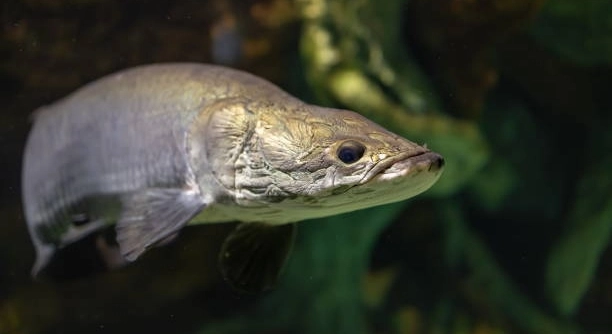
Have you ever noticed your arowana swimming frantically or bumping against the glass? Many fish owners underestimate how quickly these majestic creatures can outgrow their tanks. Recognizing the signs early ensures your fish stays healthy and comfortable.
Arowanas require spacious environments to support their size and natural behavior. Insufficient tank space can lead to stunted growth, increased stress, poor water quality, and higher susceptibility to disease, making tank size a critical aspect of proper care.
Observing changes in your fish’s behavior or growth can reveal the need for a larger tank. These early indicators help prevent long-term health complications and improve overall wellbeing.
Rapid Growth
Arowanas can grow faster than many fish owners expect. In their first year, they may double or even triple in size, depending on diet and environment. If your tank is too small, the fish can become cramped, leading to restricted movement and stunted growth. Observing the size relative to the tank is essential, as arowanas need plenty of horizontal space to swim comfortably. Signs of limited space include the fish frequently hitting the tank walls, awkward swimming patterns, and reduced activity during the day. Maintaining proper water quality becomes harder in a small tank, which can compound stress. Stress weakens the immune system and may result in infections or other health problems. Regularly monitoring growth and considering the adult size helps ensure the tank meets their long-term needs. Adjusting the tank before the fish becomes too large prevents complications and supports natural behaviors such as gliding and exploring the full space.
A larger tank supports healthy movement, growth, and stress reduction. It allows the arowana to thrive physically and mentally.
Providing ample space prevents stunted growth and helps maintain water quality. Arowanas need room to turn, glide, and swim naturally, which reduces injury risk. Regular observations of swimming behavior and growth rates can indicate when a tank upgrade is necessary. A proper-sized tank also allows for easier maintenance, as overcrowded conditions produce more waste, demanding frequent cleaning and water changes. Stress from cramped spaces can affect feeding behavior, leading to nutritional deficiencies. Ensuring enough space early on avoids long-term health issues and encourages active, natural behavior. Planning for the adult size, rather than current size, is key for responsible fishkeeping and supports the fish’s well-being over its lifespan.
Aggressive Behavior
Small tanks often lead to heightened aggression in arowanas.
When space is limited, territorial instincts intensify. Arowanas may become defensive, chase tank mates, or display biting behavior. Overcrowding increases stress and reduces hiding areas, which aggravates aggression. It is common to see frequent clashes or attempts to dominate the tank. This behavior can injure the fish or lead to constant tension within the aquarium. Stress from aggression also affects immunity and appetite. Observing how the arowana interacts with other fish or even its reflection helps gauge if the tank is too small. Providing a larger, unobstructed environment allows the fish to establish a comfortable territory, reducing conflict. Designing the tank with open swimming areas and minimal obstructions supports natural behavior and decreases aggressive incidents. Prompt action in upgrading the tank size prevents persistent behavioral problems and ensures a safer, more stable habitat for the arowana to thrive.
Lethargic Swimming
Arowanas in small tanks often show reduced activity. They may hover near the surface or stay in corners, appearing uninterested in exploring. Limited space restricts natural movement and exercise, which can impact overall health and energy levels.
Restricted swimming space causes physical and mental strain. Arowanas need room to glide and turn freely. In cramped conditions, muscles weaken from lack of exercise, affecting coordination and stamina. Reduced activity can make them more susceptible to disease and slower to recover from minor injuries. It also disrupts feeding patterns, as lethargic fish may eat less or miss meals, impacting growth. Increasing tank size restores normal activity levels, allowing them to swim actively and maintain proper muscle tone, which is vital for long-term health and natural behavior.
Swimming behavior is a clear indicator of tank adequacy. Active, confident movements show comfort, while sluggish, hesitant swimming signals the need for more space. Observing these patterns helps determine when an upgrade is necessary. Proper tank size supports natural behavior, exercise, and overall vitality.
Poor Appetite
Arowanas may eat less when confined in a small tank. Stress from limited space reduces interest in food, affecting growth and health over time.
Small tanks increase stress levels, which can lead to irregular or diminished feeding habits. When movement is restricted, arowanas expend less energy, which reduces hunger. Constant stress may cause chronic health problems, weakening immunity and making the fish more prone to infections. Providing a larger tank improves comfort, encourages feeding, and restores normal growth. Observing consistent refusal or incomplete feeding can indicate the tank is insufficient.
Feeding patterns are directly connected to environmental comfort. Arowanas with adequate space show regular interest in meals, feeding efficiently and maintaining healthy weight. Limited space, poor circulation, and high stress suppress appetite, slowing growth. Ensuring proper tank size supports digestion and energy levels while preventing nutrient deficiencies. Over time, adequate space encourages routine feeding and stabilizes metabolism. Tracking appetite alongside swimming behavior provides insight into tank suitability. A proper environment allows arowanas to thrive physically and behaviorally, reducing stress-related feeding issues.
Stunted Growth
Arowanas kept in small tanks often fail to reach their full size. Limited swimming space and poor water quality can slow development, resulting in a smaller, less healthy fish over time.
Restricted environments increase stress, which suppresses natural growth hormones. Arowanas need ample space to move freely and develop properly.
Constant Hitting Against Glass
Arowanas may repeatedly bump into tank walls when confined. This behavior indicates frustration and lack of swimming space, potentially causing injury.
Water Quality Issues
Small tanks accumulate waste faster, leading to poor water conditions. Arowanas produce significant waste, and cramped environments make it difficult to maintain proper filtration and stable water parameters. Over time, toxins build up, increasing the risk of illness. Regular monitoring and larger tanks are essential to ensure clean, safe water and maintain long-term fish health.
Excessive Jumping
Arowanas confined to inadequate space may try to jump out of the tank. This behavior is a stress response to limited movement and frustration.
What size tank does an adult arowana need?
Adult arowanas can grow over 2 feet in length, requiring a tank that allows them to swim comfortably. A minimum of 250 gallons is generally recommended, with sufficient length and width to prevent constant contact with walls. Tank height is also important, but horizontal swimming space is crucial. A larger tank reduces stress, supports natural movement, and allows for better water quality management. Planning for the adult size rather than the current size ensures the fish can grow without restrictions.
How often should I upgrade my arowana’s tank?
Upgrading depends on growth and behavior. If the fish shows signs of stress, lethargy, aggression, or frequently hits the glass, it is time to consider a larger tank. Growth rate varies by diet, genetics, and environment, but checking size relative to tank dimensions every few months helps prevent long-term issues. Moving to a larger tank early avoids stunted growth and supports healthy activity levels. Upgrades should also accommodate proper filtration and swimming areas.
What signs indicate my arowana is stressed?
Stress manifests in multiple ways. Lethargic swimming, refusal to eat, aggression toward tank mates, and excessive jumping are common indicators. Color changes or clamped fins also suggest discomfort. Observing your arowana daily helps detect stress early. Addressing tank size and water quality issues usually reduces these behaviors, creating a more stable environment. Stress compromises immunity, so early intervention is key.
Can small tanks cause health problems for arowanas?
Yes, small tanks can lead to stunted growth, weakened immunity, and increased susceptibility to disease. Poor water circulation allows waste buildup, raising ammonia and nitrite levels. Confined space also heightens stress, causing behavioral and physiological issues. Ensuring a larger, well-maintained tank supports overall health and longevity, preventing these complications before they become serious.
Is aggressive behavior normal in arowanas?
Arowanas are naturally territorial, but aggression increases in small tanks. Confined space leads to chasing, nipping, and heightened stress. Providing ample room allows them to establish territory without constant confrontation. Strategic tank design, including open swimming areas and minimal obstructions, reduces tension and promotes calmer interactions, even with multiple fish.
How do I maintain water quality in a large tank?
Regular water changes, efficient filtration, and monitoring of ammonia, nitrite, and nitrate levels are essential. Larger tanks dilute waste, but arowanas produce significant bioload, so consistent maintenance is necessary. Testing water parameters weekly helps prevent toxic buildup. Proper cleaning routines combined with adequate filtration ensure a stable, healthy environment.
Can arowanas survive in smaller tanks temporarily?
Short-term confinement may be manageable, but long-term small tanks are harmful. Temporary setups require careful monitoring of water quality, frequent water changes, and observation of behavior. Any signs of stress or illness indicate the need for immediate relocation to a larger, permanent tank. Extended periods in small tanks can stunt growth and create lasting health problems.
What tank features help arowanas thrive?
Open swimming space, secure lids to prevent jumping, proper filtration, and minimal sharp decorations are essential. Driftwood or smooth rocks can be added for aesthetics, but space must remain unobstructed. Lighting should mimic natural conditions, and temperature must remain stable. Thoughtful tank design supports health, reduces stress, and encourages natural behavior.
How can I encourage proper feeding in arowanas?
Providing a balanced diet of high-quality pellets, live, or frozen food supports growth and energy. Sufficient tank space encourages active feeding, while stress reduction prevents appetite loss. Feeding multiple times daily in smaller amounts ensures proper nutrition. Observing eating behavior helps identify stress or tank size issues affecting appetite.
When should I consult a professional?
If your arowana shows persistent lethargy, aggression, poor appetite, or signs of disease, professional advice is necessary. Veterinarians or experienced aquarists can help assess tank conditions, health issues, and proper care. Early intervention prevents irreversible problems and ensures your fish thrives in its environment.
Caring for an arowana requires attention to its size, behavior, and environment. One of the most important factors is ensuring the tank is large enough for the fish to move freely. Arowanas are naturally active and require space to swim horizontally and turn comfortably. When they are confined to small tanks, it can affect their physical development, behavior, and overall health. Observing their swimming patterns, appetite, and interactions with the environment provides valuable insight into whether the current tank is sufficient. Investing in a tank that accommodates their adult size not only promotes healthy growth but also reduces stress and prevents common problems associated with cramped spaces.
Tank size also directly affects water quality, which is essential for maintaining arowana health. Small tanks can accumulate waste quickly, leading to high levels of ammonia, nitrites, and other toxins. Even with regular water changes and filtration, maintaining stable conditions is much easier in a larger tank. Clean, stable water supports the immune system, encourages regular feeding, and reduces the risk of disease. Additionally, a spacious tank allows for the proper placement of filtration equipment, heating systems, and decorations without overcrowding the fish. By creating a more natural and open environment, the arowana can display natural behaviors, glide freely, and establish a sense of territory, which is critical for long-term wellbeing.
Finally, monitoring behavior and making timely adjustments ensures arowanas live comfortably and healthily. Signs such as lethargy, constant glass-bumping, poor appetite, and aggression indicate that the fish may need more space or environmental improvements. Addressing these issues promptly prevents long-term health consequences and supports natural behavior. Providing an environment tailored to the fish’s physical and mental needs strengthens overall health and encourages proper growth. Planning for a larger tank before the arowana reaches full size allows for easier maintenance, fewer stress-related behaviors, and better water quality management. By paying close attention to these factors, arowana owners can ensure their fish thrive and remain vibrant for many years.

Hello,
If you enjoy the content that we create, please consider saying a "Thank You!" by leaving a tip.
Every little bit helps us continue crafting quality advice that supports the health, happiness, and well-being of pets around the world, for pets of all shapes, sizes, and species.
We really appreciate the kindness and support that you show us!