
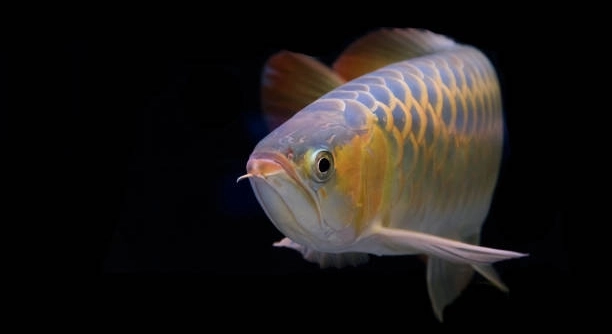
Do you enjoy keeping Arowanas but sometimes wonder if your tank setup is truly safe for them? Maintaining a healthy environment is more than just water and food. Certain items can seriously harm these majestic fish.
There are specific objects and substances that should never be placed in an Arowana tank. Items such as sharp decorations, untreated wood, toxic plants, improper filtration materials, and certain metals can negatively affect water quality, stress the fish, or cause serious injuries.
Understanding these risks will help you create a safer and more comfortable habitat for your Arowana. Knowing what to avoid ensures long-term health and stability in your tank.
Sharp or Jagged Decorations
Placing sharp or jagged decorations in an Arowana tank can be extremely dangerous. These fish are strong and active swimmers, and they often explore their environment by rubbing against or nudging objects. Sharp edges can easily tear their delicate fins or injure their bodies. Even small chips or cracks in decorations may pose risks. Over time, repeated contact with these objects can lead to infections, fin rot, or permanent scarring. Choosing smooth, rounded décor is essential for preventing injuries. Materials such as polished stones, smooth resin ornaments, and rounded driftwood are much safer alternatives. Always inspect decorations before adding them to the tank to ensure there are no hidden sharp edges. Keeping the environment free from hazards supports healthy swimming behavior and reduces stress, allowing the fish to thrive. Proper placement is equally important, avoiding crowded areas where the fish might get trapped or injured while swimming around.
Sharp decorations can cause injuries and stress, so opt for smooth, safe items to protect your Arowana.
Safe decoration choices include rounded stones, polished resin, and driftwood. Avoid crowded arrangements and inspect all items before adding them to the tank to prevent harm. Ensuring a secure and smooth environment promotes healthy swimming and reduces the risk of accidents or infections over time, supporting the fish’s overall well-being. Arowanas respond well to clear open spaces and gentle décor that allows free movement, which is vital for their physical and mental health. Smooth, stable décor also minimizes the chance of accidental tank damage or sudden shifts that may startle the fish. Carefully selecting and positioning tank items contributes to both aesthetic appeal and a functional, injury-free habitat. Maintaining this balance helps reduce stress and supports long-term vitality, giving the Arowana a safe and comfortable home.
Untreated or Toxic Wood
Untreated wood may seem like a natural addition, but it can release harmful tannins and chemicals into the water. These substances can lower pH levels, increase acidity, and harm the delicate balance of the tank environment. Some woods may also carry fungi or bacteria that infect your fish. Properly treated or aquarium-safe wood is essential for maintaining water quality. Boiling, soaking, or purchasing pre-treated driftwood are safe methods to ensure it does not release dangerous substances.
Toxic wood can alter water chemistry, stressing Arowanas and risking their health. Always use treated or safe wood options.
Using untreated wood poses significant risks for Arowanas. Tannins can discolor water, reduce oxygen levels, and lower pH, creating an unstable environment. Bacteria and fungi present in raw wood may lead to infections and disease outbreaks. Long-term exposure to these toxins can weaken the fish’s immune system, making them more susceptible to illness. Selecting aquarium-approved wood and preparing it properly prevents these issues. Soaking or boiling raw pieces removes harmful compounds and ensures a safer habitat. It’s also important to monitor water parameters after introducing wood, as even safe materials can temporarily affect pH or hardness. Maintaining stable water conditions supports natural behavior, growth, and overall health. Arowanas benefit from wood that provides hiding spots without compromising the tank’s chemistry. Safe preparation and careful placement of wood maintain both aesthetics and functionality while protecting the fish from unnecessary stress and potential illness.
Small or Fragile Tank Items
Small or fragile items can easily be swallowed or knocked over by an Arowana. These fish are strong and active, and unstable decorations can break, creating sharp fragments that injure them. Avoid adding tiny ornaments or delicate objects that cannot withstand their movement.
Fragile items in an Arowana tank can break under pressure, producing dangerous shards. These fish often explore by bumping or nudging objects, which can easily topple or snap light decorations. Swallowing small pieces can lead to internal injuries or blockages, and broken fragments may puncture fins or skin. Durable, stable décor ensures safety while allowing the fish to swim freely. Using heavy, solid ornaments reduces the risk of accidents and maintains a stable tank environment. Always test the stability of items before adding them.
Even seemingly harmless trinkets pose risks. Arowanas may accidentally ingest or strike them while swimming, causing serious harm. Choose sturdy, sizable decorations that cannot tip, crack, or break. This prevents injuries, internal issues, and unnecessary stress while maintaining a clean, functional, and safe habitat for the fish. Durable items support both health and a visually appealing tank, allowing your Arowana to thrive without the constant danger of small or fragile objects.
Certain Live Plants
Some live plants release toxins or decay rapidly in water, negatively affecting Arowanas. Choose species that are proven safe and compatible with large, carnivorous fish to prevent contamination or poisoning. Regular maintenance is crucial to remove decaying plant matter.
Certain plants can leach chemicals or release harmful substances, disrupting water quality. Rapid decay increases ammonia and nitrite levels, stressing fish and leading to health issues. Carnivorous Arowanas may also uproot or damage plants, causing debris to float and degrade water conditions. Choosing hardy, non-toxic species ensures the tank remains safe, and proper care minimizes risks.
Proper plant selection and upkeep are essential for a healthy tank. Avoid plants that decay quickly or are toxic to fish. Hardy species provide hiding spots without compromising water chemistry, and trimming dead leaves prevents contamination. Monitoring growth and removing debris keeps water stable and clean. Even safe plants need observation, as large Arowanas can damage them, creating floating waste. Correct placement allows free swimming and reduces the risk of accidental ingestion. Maintaining a balance of safe plants enhances the tank visually and supports the fish’s overall well-being.
Metal Objects
Metal objects can corrode in water, releasing harmful substances that damage Arowanas. Rust and sharp edges from deteriorating metal pose injury risks and can alter water chemistry, stressing the fish. Avoid placing any untreated metal inside the tank.
Even stainless steel may leach ions over time, affecting pH and overall water quality. Opt for aquarium-safe materials like plastic, ceramic, or treated resin to prevent contamination and injury. Ensuring that all décor is non-metallic preserves a stable, healthy environment for your fish.
Household Chemicals
Household chemicals, including cleaners, soaps, and air fresheners, can poison Arowanas even in small amounts. Residues on hands, nets, or equipment can be transferred into the tank, causing fatal reactions. Always handle items carefully and rinse tools thoroughly before use.
Small Gravel or Pebbles
Small gravel or pebbles can be swallowed, leading to choking or digestive blockages. Choose appropriately sized substrate that cannot be ingested by your Arowana to ensure safety.
FAQ
What are the most common items to avoid in an Arowana tank?
Sharp decorations, untreated wood, toxic plants, small or fragile ornaments, metal objects, household chemicals, and small gravel are the main items to avoid. Each of these can cause injuries, water contamination, or health issues for your Arowana. Careful selection of tank materials ensures a safe and stable environment.
Can Arowanas eat small decorations or pebbles?
Yes, Arowanas may try to swallow small objects out of curiosity. This can lead to choking, internal injuries, or digestive blockages. Always use larger, non-ingestible decorations and substrate that cannot be accidentally eaten. Monitoring the tank regularly helps prevent accidents.
Are all types of wood unsafe for Arowanas?
Not all wood is unsafe, but untreated or toxic wood can release tannins, chemicals, or harmful bacteria into the tank. Only use aquarium-approved or properly treated driftwood. Boiling, soaking, or purchasing pre-treated wood prevents harmful substances from affecting water chemistry or fish health.
Do live plants pose risks for Arowanas?
Yes, some live plants decay quickly or release toxins into the water, which can stress or harm fish. Choosing hardy, non-toxic plants reduces risks. Regular maintenance, such as trimming dead leaves and removing decaying matter, helps maintain water quality and keeps the tank safe.
Is it safe to use metal objects in the tank?
No, most metal objects can corrode or leach harmful substances over time. Even stainless steel may slowly release ions affecting water chemistry. Use aquarium-safe materials such as plastic, ceramic, or resin instead. This prevents contamination and protects the fish from injury or poisoning.
How can household chemicals affect my Arowana?
Residues from soaps, cleaners, or air fresheners can enter the tank through hands, nets, or other equipment. Even small amounts can be toxic, causing illness or death. Always rinse any tools thoroughly before use and avoid exposing the tank to chemicals. Maintaining chemical-free handling is essential.
Why is substrate size important?
Small gravel or pebbles can be ingested by Arowanas, leading to choking or blockages. Larger, safe substrate prevents accidental swallowing and supports healthy swimming behavior. Selecting appropriate substrate also ensures water flow is not restricted and reduces the buildup of harmful waste.
Can decorations injure Arowanas?
Yes, sharp, jagged, or fragile decorations can cause cuts, fin damage, or stress. Heavy objects that shift or fall can also injure fish. Always choose smooth, stable, and sturdy decorations that allow the Arowana to move freely without risk. Inspect all items before placing them in the tank.
How often should I check my tank for hazards?
Regular inspection is crucial. Check decorations, plants, substrate, and equipment weekly for wear, sharp edges, or decay. Removing potential hazards promptly prevents injuries and keeps water conditions stable. Consistent monitoring ensures a safe and healthy environment for your Arowana.
Are there safe alternatives for decorative items?
Yes, rounded stones, polished resin decorations, aquarium-safe driftwood, and hardy live plants provide safe and functional tank décor. These materials withstand the Arowana’s activity, prevent injuries, and do not leach harmful substances, creating a secure and comfortable habitat.
Can improper tank items stress my Arowana?
Absolutely. Sharp objects, unstable decorations, toxic plants, or contaminated water can increase stress, weaken the immune system, and reduce lifespan. Providing a hazard-free tank environment with safe décor and clean water supports healthy growth, behavior, and long-term well-being.
How do I know if a plant or decoration is safe?
Research and preparation are key. Only select plants and décor labeled as aquarium-safe. Inspect materials for sharp edges, toxins, or instability. Pre-treat wood or stones when necessary, and monitor water quality closely after adding new items. Safety ensures your Arowana thrives without risk.
What should I do if my Arowana swallows something harmful?
Immediate action is required. Observe the fish for signs of distress, bloating, or unusual behavior. Contact a veterinarian specializing in fish care. Prevention is better, but prompt attention can reduce the risk of serious health complications or fatalities.
How can I maintain a hazard-free tank long-term?
Regular maintenance, careful selection of decorations, substrate, and plants, and avoiding chemicals are essential. Monitor water parameters, remove decaying materials, and replace unsafe items immediately. A proactive approach ensures a stable, healthy environment, minimizing stress and health risks for your Arowana.
What are the risks of overcrowding the tank with items?
Overcrowding reduces swimming space, increases collisions with decorations, and makes cleaning difficult. This raises stress levels and can lead to injuries. Prioritize open areas for swimming, place decorations strategically, and maintain adequate room to promote natural behavior and overall well-being.
Are there signs my Arowana is affected by unsafe items?
Signs include torn fins, injuries, lethargy, unusual swimming patterns, poor appetite, or discoloration. Changes in behavior or water clarity may indicate stress or contamination. Observing your fish daily and maintaining safe tank conditions helps detect and prevent problems early.
Final Thoughts
Maintaining an Arowana tank requires careful attention to detail and a clear understanding of what items can harm the fish. Arowanas are large, active, and sometimes unpredictable fish that need a safe and stable environment to thrive. Avoiding sharp decorations, untreated wood, small or fragile objects, metal items, toxic plants, and harmful chemicals is essential to prevent injuries, poisoning, or water contamination. Even small mistakes, like adding a tiny ornament or using the wrong substrate, can create serious problems over time. By focusing on safe and durable materials, you create a tank that supports both the physical health and natural behavior of your Arowana. Observing your fish regularly and monitoring water parameters can help detect issues early and allow you to make adjustments before serious harm occurs.
Choosing the right decorations, plants, and substrates is not only about safety but also about providing a comfortable and functional space. Smooth, stable décor allows the Arowana to swim freely without risk of injury, while hardy, non-toxic plants provide natural hiding spots and visual appeal. Properly treated driftwood or aquarium-safe ornaments prevent chemical contamination, and using appropriately sized substrate avoids accidental ingestion or blockages. Regular maintenance, including cleaning, removing decaying plant matter, and checking the condition of décor, is vital for long-term success. Small habits, like rinsing tools thoroughly and avoiding household chemicals near the tank, also contribute to a safe and healthy environment. A well-maintained tank reduces stress and promotes natural activity, ensuring that your Arowana can grow and live comfortably for many years.
A successful Arowana tank is the result of consistent care and thoughtful planning. Every item added should serve a purpose, either for aesthetics, functionality, or safety. Avoiding hazards and providing a stable habitat encourages healthy behavior, strong immune function, and overall well-being. Observing your Arowana closely helps you understand its preferences and needs, allowing adjustments when necessary. Creating this environment is an ongoing process that requires attention to both the fish and its surroundings. By prioritizing safety, durability, and water quality, you ensure that your Arowana has a habitat where it can thrive. Taking these steps leads to a tank that is not only visually appealing but also supportive of the fish’s long-term health, allowing you to enjoy a beautiful and active Arowana with confidence and peace of mind.

Hello,
If you enjoy the content that we create, please consider saying a "Thank You!" by leaving a tip.
Every little bit helps us continue crafting quality advice that supports the health, happiness, and well-being of pets around the world, for pets of all shapes, sizes, and species.
We really appreciate the kindness and support that you show us!