
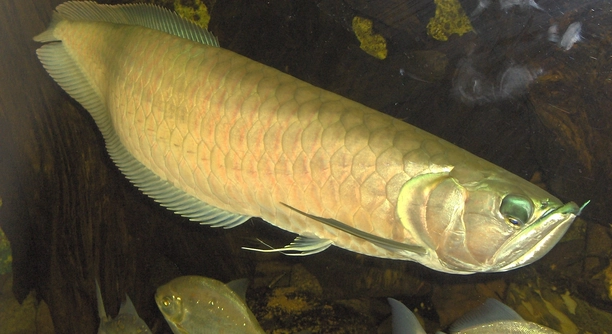
Is your arowana showing unusual behavior that leaves you wondering if something is wrong? These graceful fish are sensitive and can express frustration in subtle ways that may be easy to overlook in daily observation.
Arowanas display frustration through changes in swimming patterns, aggression, loss of appetite, and frequent hiding. Environmental stressors, inadequate tank space, and improper water conditions contribute significantly, making it essential to monitor these signals to maintain their health and well-being.
Recognizing these signs early can help improve your arowana’s environment and ensure a calmer, healthier life in your care.
Erratic Swimming Patterns
Arowanas often show frustration through erratic or repetitive swimming. They may pace along the tank edges or suddenly dart from one side to another without reason. This behavior indicates discomfort or stress, often caused by insufficient space or improper tank setup. Observing your fish’s movement daily can reveal subtle changes in behavior that suggest irritation or frustration. Changes in swimming can also result from sudden shifts in water temperature or poor filtration. Arowanas thrive in calm, stable environments, and disturbances can make them restless. Consistent monitoring helps prevent stress-related illnesses and ensures your fish maintains normal activity levels. Paying attention to patterns over time will allow you to identify problems early, such as aggression toward tank mates or frustration from environmental limitations. Simple adjustments in tank arrangement, like providing hiding areas or enlarging swimming space, can significantly reduce agitation and improve overall behavior. Healthy water conditions and ample room are essential for your arowana’s mental and physical health.
Erratic swimming is a clear sign of dissatisfaction and should prompt immediate attention to environment and care.
Consistently observing how your arowana navigates its tank helps you understand its comfort levels. Small changes in setup, like removing obstacles or adding plants, can make a difference. Tank dimensions, water quality, and companions all affect how content your fish feels. By adjusting these factors, you can minimize stress, encouraging smoother, calmer swimming patterns. A stable environment allows your arowana to express natural behaviors without frustration.
Loss of Appetite
Loss of appetite is a common indicator that your arowana is frustrated or stressed.
When an arowana refuses food, it may signal dissatisfaction with tank conditions, health issues, or social stress from other fish. Persistent loss of interest in feeding can lead to weight loss and weakened immunity, making early intervention important.
Observing feeding habits closely helps identify the issue. Changes in water temperature, pH, or oxygen levels can impact appetite. Aggressive tank mates or lack of space may also discourage eating. Ensuring a varied diet that meets nutritional needs while maintaining ideal environmental conditions encourages healthy feeding behavior. Providing calm, undisturbed feeding times helps your arowana regain interest in food. Regular water changes, proper filtration, and adequate hiding spaces all support appetite recovery. By addressing these factors promptly, you can prevent long-term health problems and improve your fish’s overall well-being. Consistency in care allows the arowana to feel secure, reducing stress and supporting natural feeding instincts.
Aggressive Behavior
Aggression is a sign your arowana may be frustrated or stressed. It can manifest as chasing other fish, nipping fins, or ramming against the tank walls.
Frustrated arowanas often display territorial behavior, especially in confined spaces. Aggression can increase if tank mates are too close in size or temperament. Limited space prevents them from retreating, intensifying stress and conflicts. Consistent monitoring of interactions helps identify if aggression is situational or persistent. Adjusting tank layout, adding barriers, or separating incompatible fish can reduce tension. Regular maintenance and stable water conditions also support calmer behavior.
Feeding schedules and diet quality influence aggression as well. A well-fed arowana with proper nutrition is less likely to display irritation toward tank mates. Sudden changes in environment, such as decorations or lighting, can trigger bursts of aggressive activity. Understanding your fish’s natural temperament and providing adequate enrichment, like plants or hiding spots, helps manage behavioral issues. Observing subtle signs, like flared gills or sudden lunges, can prevent escalation. Creating a stable and enriched habitat supports mental well-being, minimizing destructive aggression and encouraging balanced social interactions.
Excessive Hiding
Excessive hiding indicates your arowana is uncomfortable or frustrated in its environment.
Arowanas may retreat behind decorations, plants, or rocks when stressed, avoiding interaction or activity. Frequent hiding suggests dissatisfaction with tank conditions, social tension, or environmental instability. Maintaining clean water and ensuring ample swimming space reduces hiding behavior.
Providing safe areas for retreat while keeping swimming zones open encourages balanced activity. Monitoring hiding frequency helps distinguish normal behavior from stress-related withdrawal. If your arowana spends most of its time concealed, adjustments in tank layout, light levels, or tank mates may be necessary. Gradually changing conditions allows your fish to explore confidently, restoring normal activity patterns. Consistent observation helps detect early signs of stress before it affects appetite or health. Enrichment elements, such as floating plants or gentle current flow, can also reduce frustration while offering stimulation. By carefully balancing open areas with sheltered spots, your arowana can feel secure, confident, and less prone to excessive hiding, improving overall well-being.
Color Fading
Arowanas often show frustration through dull or faded colors. This can indicate stress, poor water quality, or insufficient nutrition.
Prolonged color fading may suggest chronic dissatisfaction with the environment. Regular water changes, proper diet, and stable tank conditions help restore vibrancy and support overall health.
Constant Surface Gulping
Surface gulping can signal low oxygen levels or frustration with tank conditions. Arowanas may frequently come to the surface, indicating discomfort.
This behavior often occurs in tanks with poor aeration or high stocking density. Increasing oxygenation and monitoring water quality can reduce stress and prevent health issues.
Climbing or Jumping Attempts
Arowanas may attempt to jump or climb when frustrated. This behavior reflects stress, boredom, or inadequate tank space.
Frequent jumping is dangerous and can lead to injuries. Ensuring a secure tank lid and providing ample swimming room reduces this risk. Environmental enrichment also helps redirect energy, promoting calmer behavior.
How can I tell if my arowana is stressed?
Arowanas show stress in several ways, including erratic swimming, hiding, loss of appetite, and dull colors. Watching daily behavior helps identify stress early. Changes in interactions with other fish, sudden aggression, or repeated surface gulping are strong indicators that your fish is uncomfortable.
Stress often results from poor water quality, inadequate space, or incompatible tank mates. Observing how your arowana behaves compared to its normal patterns allows you to intervene quickly. Maintaining stable water parameters and providing enough room helps reduce stress, ensuring your arowana remains healthy and active.
What are the main causes of frustration in arowanas?
Frustration in arowanas often comes from environmental limitations. Small tanks restrict movement, while sudden changes in temperature or pH create discomfort. Aggressive or overly active tank mates can also trigger irritation. Even subtle changes, like rearranging decorations or lighting, may frustrate your fish.
Dietary deficiencies can contribute as well. Arowanas need a balanced diet rich in protein and vitamins. Feeding too little or providing unvaried food can make them restless. Overcrowding, insufficient hiding spots, and lack of enrichment in the tank all combine to increase frustration. Addressing these factors helps your fish stay calmer.
How can I reduce my arowana’s stress at home?
Stable water conditions are essential. Regular testing for pH, ammonia, nitrites, and nitrates ensures a healthy environment. Providing a large tank with plenty of swimming space helps your arowana feel secure and reduces aggression toward other fish.
Introducing hiding areas and gentle currents mimics a natural habitat and supports mental well-being. Consistent feeding schedules with a varied diet also contribute to reduced frustration. Minimizing sudden disturbances, such as loud noises or abrupt movements near the tank, can prevent stress spikes. Observing behavior daily allows timely adjustments, helping your arowana thrive in captivity.
Can frustration affect my arowana’s health?
Yes, prolonged frustration and stress can lead to serious health issues. Loss of appetite, weakened immunity, and stunted growth are common consequences. Behavioral problems like aggression or excessive hiding may worsen over time, making care more challenging.
Chronic stress can also trigger physical problems, such as fin damage, infections, and organ strain. Early detection through careful observation is key. Maintaining optimal water quality, adequate tank size, proper nutrition, and minimal disturbances directly reduces the likelihood of stress-related health complications. A balanced, secure environment keeps your arowana physically and mentally healthy.
What are some signs my arowana is happier and less frustrated?
A content arowana will swim smoothly and explore its tank regularly. Bright, consistent coloration indicates good health and low stress. Feeding eagerly and interacting calmly with its surroundings are positive signs of comfort.
Calm social behavior, such as gentle interaction with tank mates and minimal hiding, also reflects satisfaction. Your arowana may occasionally explore hiding spots without staying there constantly, showing confidence in its environment. By maintaining these conditions, you can encourage ongoing well-being and reduce the likelihood of frustration or stress in the future.
Are there preventive measures to avoid frustration?
Yes. Providing a spacious, well-maintained tank with stable water parameters is crucial. Choosing compatible tank mates and avoiding overcrowding reduces conflicts. A varied, nutrient-rich diet keeps your arowana engaged and healthy.
Regular observation helps detect early signs of frustration. Enrichment through plants, gentle water currents, and safe hiding areas supports natural behaviors. Avoid sudden changes in lighting, decorations, or temperature. These preventive measures create a secure and stimulating environment, helping your arowana remain calm, healthy, and less prone to frustration over time.
Observing your arowana closely is essential for understanding its behavior and maintaining its well-being. Frustration and stress in these fish often manifest through subtle signs, such as erratic swimming, hiding, or changes in appetite. Recognizing these behaviors early allows you to make timely adjustments to their environment, reducing the risk of health issues. Consistency in monitoring daily activity, feeding habits, and interactions with other fish helps identify patterns that may indicate dissatisfaction. Arowanas are sensitive creatures that respond strongly to their surroundings, so even small changes in water quality, tank space, or tank mates can have a noticeable impact. Being attentive to these signals is the first step in creating a calm and stable environment.
Providing the right environment plays a critical role in minimizing frustration. Arowanas require adequate swimming space, clean water, and a stable temperature to thrive. Tank setup should allow for both open swimming areas and safe hiding spots to reduce stress. Enrichment, such as plants, gentle currents, and decorations, can encourage natural behavior while preventing boredom. Proper nutrition is equally important, as a balanced diet keeps your arowana healthy and less prone to irritability. Additionally, observing interactions with other fish and making adjustments when necessary can prevent conflicts and reduce aggressive behaviors. Attention to detail in maintaining tank conditions ensures that your arowana remains both physically and mentally healthy. Regular care and observation allow you to detect early signs of stress, providing the opportunity to address potential problems before they escalate.
Maintaining a healthy relationship with your arowana relies on patience, attentiveness, and proactive care. By addressing environmental and dietary factors, you create a stable setting where your fish can thrive. Understanding the signs of frustration helps you prevent prolonged stress, which can lead to illness or behavioral issues. Consistency in tank maintenance, feeding, and monitoring fosters a sense of security for your arowana, encouraging natural behaviors and overall well-being. Observing subtle changes in behavior, responding to them promptly, and adjusting the environment when needed will help your arowana remain calm and content. Over time, these practices establish a routine that supports both mental and physical health, allowing your fish to live a stable, balanced, and fulfilling life.

Hello,
If you enjoy the content that we create, please consider saying a "Thank You!" by leaving a tip.
Every little bit helps us continue crafting quality advice that supports the health, happiness, and well-being of pets around the world, for pets of all shapes, sizes, and species.
We really appreciate the kindness and support that you show us!