
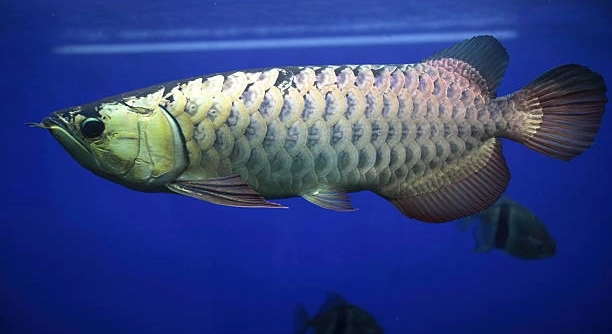
Arowanas are striking, graceful fish that can form meaningful connections with their owners. Observing their behavior closely and providing consistent care can help foster trust and a sense of companionship between you and your aquatic friend.
Bonding with an Arowana involves consistent interaction, proper feeding routines, and a stable, enriched environment. Gentle handling, observing behavioral cues, and maintaining optimal water conditions are essential to building trust and ensuring the fish responds positively over time.
These seven steps will guide you in creating a stronger connection with your Arowana while promoting its overall well-being.
Understanding Your Arowana’s Behavior
Arowanas are intelligent and observant creatures, often showing their moods through subtle movements and body language. Learning to read these cues is essential for building trust. Pay attention to how your Arowana swims, responds to your presence, and reacts during feeding. Over time, you will notice patterns in its behavior that signal comfort or stress. Providing a calm environment and avoiding sudden changes helps the fish feel secure. Bright lights, loud noises, or excessive tank disturbances can create anxiety and hinder bonding. Offering consistent routines, such as feeding at the same time daily, encourages the Arowana to recognize you as a safe presence. Interaction doesn’t mean forcing proximity; it involves patience, observation, and respecting the fish’s space. Gradually, this awareness will allow more meaningful engagement.
Consistency in observing your Arowana’s behavior helps form a stable, trusting relationship over time.
By dedicating time to understanding body language, you can prevent unnecessary stress and encourage positive interactions. Familiarity develops naturally when the Arowana feels safe, allowing it to respond more openly to your presence. With patience, each movement and reaction becomes a guide for nurturing trust and deepening your connection. Recognizing when the fish is curious versus anxious ensures you respond appropriately. Feeding rituals, gentle tapping, or calm gestures can reinforce comfort. Every small, deliberate action contributes to a more relaxed and interactive Arowana. Creating this secure environment lays the groundwork for consistent interaction, helping the fish become accustomed to you. Over weeks, the Arowana may start approaching the glass or following your hand with interest. These signs indicate growing confidence, showing that your efforts are effective. Balancing attention with respect for the fish’s autonomy is key. Ultimately, understanding behavior allows the bond to strengthen naturally while supporting the Arowana’s overall health and well-being.
Establishing a Feeding Routine
Providing meals at regular times reinforces familiarity and trust with your Arowana. A consistent feeding schedule allows the fish to recognize you as the source of nourishment and security.
Feeding your Arowana at predictable times reduces stress and encourages approachability.
Offer a balanced diet that suits the species’ needs, including live or frozen food appropriate for its size. Avoid overfeeding, as it can harm the fish’s health and reduce responsiveness. During feeding, maintain calm movements and avoid splashing water, which may startle the fish. Observe how it reacts to different foods and adjust portions accordingly. Repetition builds recognition, and the fish begins associating your presence with positive experiences. Small gestures, such as slowly moving food toward the tank, can encourage interaction. Rotate food types to provide variety, ensuring proper nutrition and preventing boredom. Gradual reinforcement through a predictable routine fosters confidence, making the Arowana more willing to engage. Over time, the fish may swim toward you during feeding, showing increasing comfort and acknowledgment of your consistent care. Establishing this routine is foundational for the other bonding steps, as it builds trust, reinforces safety, and encourages cooperative behavior.
Creating a Comfortable Tank Environment
A stable tank environment is crucial for your Arowana’s well-being. Maintaining consistent water temperature, pH levels, and cleanliness ensures the fish feels secure and less stressed.
Proper filtration and regular water changes prevent harmful buildup, keeping the tank healthy. Include hiding spots and open swimming areas to mimic natural conditions. Decorations should be secure to avoid accidents during active swimming. Avoid overcrowding and ensure compatible tank mates if any. Light levels should be balanced, providing natural day-night cycles. Consistency in environmental factors allows your Arowana to recognize the tank as a safe space, which supports interaction and bonding over time. Observing changes in behavior can indicate discomfort or stress, giving you cues to adjust conditions.
Consistency in environment not only promotes health but also enhances trust. Your Arowana responds better when daily conditions are predictable.
A well-maintained tank encourages calm behavior. With proper water quality, the fish swims confidently, showing curiosity rather than fear. Introducing enrichment, such as floating plants or gentle currents, stimulates mental activity without causing stress. Avoid sudden changes to lighting or water parameters. Gradual adjustments are safer and reduce anxiety. A predictable environment reinforces a sense of safety, making the fish more open to interaction. Over time, this stability leads to visible improvements in behavior, such as following movements or accepting food calmly. Every small effort to maintain consistency contributes directly to your bond and the fish’s overall comfort in its habitat.
Gentle Interaction Techniques
Approaching your Arowana slowly helps build trust and reduces fear. Consistency and calm movements encourage the fish to respond positively.
Begin with small gestures like tapping the glass lightly or moving your hand slowly near the tank. Avoid sudden motions that might startle the fish. Over time, allow the Arowana to get used to your presence before attempting direct interaction.
When feeding by hand or encouraging swimming near your hand, patience is key. Observe the fish’s responses and adjust movements to match its comfort level. Repeated gentle sessions help the Arowana associate your presence with safety and positive experiences. Combining feeding routines with calm gestures strengthens recognition. Always respect boundaries—if the fish retreats, give it space. Gradually, the Arowana will show curiosity, swimming closer and reacting calmly to interaction. This approach promotes a healthy bond based on trust rather than fear, enhancing both your connection and the fish’s overall well-being.
Observing Natural Behavior
Watching your Arowana’s natural movements helps you understand its preferences and moods. Take note of swimming patterns, feeding habits, and resting areas.
Recognizing these behaviors allows you to interact appropriately. Avoid forcing contact and respect its natural rhythms to foster trust.
Encouraging Swimming and Exercise
Providing enough space and stimulating conditions encourages active swimming. Arowanas need room to move freely, which supports health and reduces stress. Introduce gentle currents or floating objects to prompt natural movement. Regular exercise prevents lethargy, strengthens muscles, and enhances overall responsiveness to your presence.
Avoiding Stressful Situations
Minimize sudden changes in lighting, water temperature, or tank decorations. Stress can make the fish wary and reduce willingness to interact.
FAQ
How often should I feed my Arowana?
Arowanas typically do well with one to two feedings per day, depending on size and age. Juveniles require more frequent feeding, while adults need less. Stick to a consistent schedule to reduce stress and help the fish associate your presence with positive experiences. Avoid overfeeding, as uneaten food can pollute the tank. Offering a balanced diet of pellets, live, or frozen food ensures proper nutrition and supports healthy growth. Monitoring your Arowana’s appetite daily can help you adjust portions without causing harm.
What type of food is best for bonding?
Feeding by hand or using tongs can help develop recognition and trust. Protein-rich options like small fish, shrimp, or specially formulated pellets work well. Rotate food types to keep meals interesting while providing essential nutrients. Ensure pieces are appropriately sized to prevent choking or digestive issues. Consistent hand-feeding sessions, done gently and calmly, make the fish more comfortable with your presence, reinforcing positive associations between you and its meals. Avoid sudden movements during feeding to prevent stress or fear.
How can I tell if my Arowana is stressed?
Signs of stress include erratic swimming, hiding excessively, loss of appetite, or clamped fins. Water quality issues or sudden environmental changes often cause stress. Observing the fish regularly helps identify these behaviors early, allowing prompt adjustments. Maintaining stable temperature, pH, and lighting minimizes stress and encourages natural activity. Providing ample swimming space and avoiding overcrowding also contributes to a calm environment. Stress management is key to building trust, as a relaxed Arowana is more likely to engage and respond positively to interaction.
Is it safe to touch or hold my Arowana?
Direct contact is generally not recommended because it can cause stress and damage the fish’s protective slime coat. Gentle hand gestures near the tank are sufficient for bonding. Use feeding tongs or a net if handling is necessary for tank maintenance or health checks. Over time, your Arowana may recognize your presence and approach the glass voluntarily, reducing the need for direct contact. Focus on creating trust through calm movements, feeding routines, and observation rather than physical handling.
How long does it take to bond with an Arowana?
Bonding time varies depending on the fish’s temperament, age, and prior experiences. Some Arowanas may show curiosity within weeks, while others need months of consistent, gentle interaction. Patience and consistency are crucial. Gradual, daily routines of feeding, observing, and moving calmly near the tank build recognition and comfort. Respecting the fish’s space and responding to behavioral cues allows trust to develop naturally. Regular, non-threatening engagement over time strengthens this connection and encourages the Arowana to approach more willingly.
Can Arowanas recognize their owners?
Yes, Arowanas are intelligent and can recognize the person who regularly feeds and interacts with them. They may follow your movements or approach the tank during feeding times. Recognition develops through repeated, consistent exposure paired with positive experiences. Gentle interaction, predictable routines, and patience enhance this recognition, making the fish more responsive and comfortable around you. Avoid sudden changes in behavior or feeding patterns, as consistency is key to reinforcing familiarity and trust over time.
What are some mistakes to avoid when bonding with an Arowana?
Common mistakes include overfeeding, sudden movements, changing water parameters abruptly, or forcing interaction. Each of these can cause stress and slow the bonding process. Neglecting to observe behavior and not respecting the fish’s boundaries also hinders trust development. Consistency, patience, and careful attention to both environment and behavior ensure positive interactions. Prioritize calm, deliberate gestures and establish routines that your Arowana can rely on. Gradual exposure and avoiding unnecessary stressors make the bonding process smoother and more effective.
How important is tank maintenance for bonding?
Tank maintenance is crucial. Clean water and stable conditions reduce stress, making the Arowana more receptive to interaction. Regular water changes, proper filtration, and monitoring temperature and pH levels create a safe environment. A healthy tank supports activity, curiosity, and consistent behavior, all of which help build recognition and trust. Neglecting maintenance can lead to illness or anxious behavior, setting back the bonding process. Providing a stable, well-maintained habitat is one of the most important foundations for developing a strong, positive relationship with your fish.
Can I use toys or decorations to help bonding?
Yes, introducing floating objects or gentle currents can stimulate interest and activity without causing stress. Movement encourages natural behavior, which allows you to observe responses and interact calmly. Avoid overcrowding the tank or using items that could injure the fish. Objects should enhance the environment, giving the Arowana space to explore and exercise. Interactive sessions can include using objects to guide swimming patterns or placing food near decorations. Carefully selected enrichment promotes curiosity and engagement, indirectly supporting the trust-building process while keeping the fish active and healthy.
How do I know if my efforts are working?
Signs of progress include the Arowana swimming closer to your hand or following movement calmly. Increased appetite during feeding, reduced hiding, and relaxed fin posture indicate comfort. Patience and consistent routines reveal gradual improvement in responsiveness. Tracking behavior over weeks helps measure progress. Positive responses show the fish is recognizing your presence as safe and predictable. Consistency, observation, and gentle interaction remain key to reinforcing these behaviors and maintaining the bond over time.
Final Thoughts
Building a bond with your Arowana takes patience, consistency, and careful observation. These fish are intelligent and can recognize the person who regularly interacts with them, but trust does not happen overnight. Small, deliberate steps—like maintaining a predictable feeding schedule, observing natural behavior, and providing a calm tank environment—lay the foundation for a positive connection. Every action counts, whether it is gently moving near the tank, offering food at consistent times, or keeping the tank clean and stable. Gradual and steady care encourages the Arowana to feel secure, which is essential for meaningful interaction. Over time, you will notice the fish responding to your presence, swimming with confidence, and showing curiosity. These behaviors indicate that the fish has begun to associate you with safety and nourishment, which is a key part of bonding. Consistency in approach, paired with attention to detail, makes this process easier for both you and your Arowana.
Arowanas thrive in an environment that respects their natural instincts and provides stability. Sudden changes in water parameters, lighting, or tank layout can create stress and disrupt the progress you have made in building trust. Observing behavioral cues, such as fin position, swimming patterns, and appetite, helps identify how the fish is feeling and allows you to respond appropriately. Gentle, calm movements during feeding or interaction sessions are far more effective than forceful attempts to engage the fish. Enrichment, such as floating objects or gentle currents, can encourage natural swimming and curiosity, creating opportunities for interaction without causing anxiety. Maintaining a balance between care and respect for the fish’s autonomy ensures that your Arowana remains healthy while gradually becoming more comfortable with your presence. Over time, even small signs of recognition, like following your hand or approaching the glass, become meaningful milestones in the relationship.
The process of bonding with an Arowana is as much about patience as it is about understanding. It requires observing, learning, and adapting to the fish’s individual personality and comfort levels. Every Arowana is different, and what works for one may take longer with another. Creating a stable, enriching environment and combining it with consistent, calm interaction allows trust to develop naturally. Avoiding stressors, maintaining proper nutrition, and giving the fish space to respond at its own pace are essential elements in fostering a lasting connection. The reward comes in seeing your Arowana respond to you, demonstrating comfort, curiosity, and engagement. This bond is built gradually, but with attention, care, and patience, it can become a meaningful and satisfying experience, enriching both your life and the well-being of your fish.

Hello,
If you enjoy the content that we create, please consider saying a "Thank You!" by leaving a tip.
Every little bit helps us continue crafting quality advice that supports the health, happiness, and well-being of pets around the world, for pets of all shapes, sizes, and species.
We really appreciate the kindness and support that you show us!