
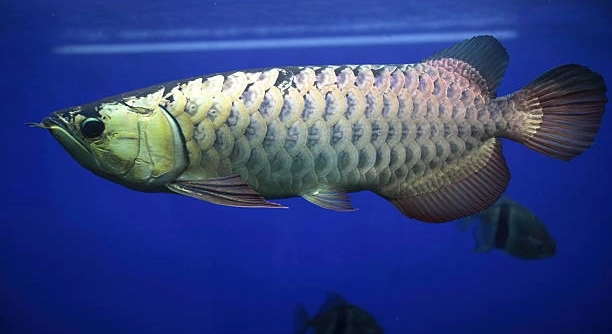
Arowanas are admired for their elegant movements and shimmering scales. Many aquarium enthusiasts enjoy observing their behavior and unique feeding habits. These fish are highly interactive, and their natural instincts often make them engaging pets to watch daily.
Arowanas can be conditioned to jump for food through consistent feeding routines and positive reinforcement. Gradual training with hand-fed food encourages recognition and predictable responses, allowing the fish to associate human presence with a feeding opportunity over time.
Training an arowana requires patience, consistency, and understanding of its behavior. Proper techniques ensure the fish remains healthy while responding effectively to feeding cues.
Understanding Arowana Behavior
Arowanas are natural predators with strong hunting instincts. In the wild, they leap to catch insects and small prey at the water’s surface. Observing this behavior helps in understanding why they respond to food placed above the tank. They are territorial, often patrolling their space and monitoring for movement. Their large size and agility make them impressive jumpers, but these actions are driven by instinct rather than play. Knowing these traits allows for better interaction during feeding times. Providing a structured environment with sufficient swimming space and clear tank boundaries can reduce stress. Lighting and water quality also affect their activity levels, making consistency important. Gradual introduction to hand feeding encourages the fish to recognize feeding cues. Positive reinforcement, such as using floating or sinking food, can make arowanas more responsive. Repetition and patience are essential, as sudden changes may discourage jumping or cause stress.
Training sessions should be brief and consistent, focusing on daily reinforcement to build predictable behavior.
Understanding arowana instincts and routines helps you create a controlled environment for safe and effective feeding practices. Observing their preferences for food types and response patterns allows for better timing and placement of feedings. Using floating pellets, small insects, or pieces of shrimp encourages natural jumping behavior. It’s important to maintain patience; forcing the fish or overfeeding can lead to refusal or aggressive reactions. Gradually increasing the height and distance of food placement allows the arowana to exercise its jumping instinct safely. Monitoring water quality, temperature, and tank setup ensures the fish remains healthy and active. Over time, the fish begins to anticipate feeding cues and responds reliably, creating a smoother feeding experience. Consistent handling and observation strengthen trust between the fish and handler, making training more effective.
Safe Training Practices
Always supervise feeding sessions to prevent accidents and maintain fish health.
Proper training involves starting slowly with low jumps and gradually increasing height. Avoid sudden movements around the tank to reduce stress, and ensure food is fresh and appropriate in size. Consistency in timing, method, and environment reinforces predictable responses, while overfeeding can negatively impact health. Using small, frequent sessions allows the arowana to learn without exhaustion or frustration. Water conditions should remain stable, as changes can affect behavior. Recording responses can help track progress and adjust techniques accordingly. Arowanas are intelligent fish, and repeated, gentle training encourages cooperation. Combining observation with structured practice ensures that jumps are safe and controlled, creating a more interactive and engaging feeding routine.
Monitoring the fish’s health during training is crucial. Avoid feeding items that could cause choking or digestive issues. If the arowana shows signs of stress, reduce the session length and return to simpler cues. Keeping the tank environment enriched with open swimming areas and minimal obstructions allows safe jumping. Gradually, the fish learns to anticipate feeding without overexertion, responding reliably to hand feeding or tools designed for vertical feeding. Safety precautions, such as limiting tank overcrowding and using secure lids, prevent injuries. Combining patience, observation, and structured practice supports long-term engagement and a healthier fish. The process also provides insight into natural instincts, helping improve overall care while maintaining the fish’s well-being and vitality.
Feeding Techniques for Jump Training
Consistency is key when teaching an arowana to jump. Use small, floating food items and place them slightly above the water surface. Repeat the process daily to reinforce behavior. Avoid overfeeding to maintain health and encourage natural jumping instincts.
Gradually increase the distance and height of the food placement to challenge the fish safely. Begin with short, easy jumps and slowly progress as the arowana becomes more confident. Use tools like feeding tongs or chopsticks to position food precisely. Observe the fish’s response and adjust the timing and placement to maintain engagement without causing stress. Patience ensures the fish associates hand-feeding with positive reinforcement.
Monitoring the fish during training helps prevent injuries. Ensure the tank has enough open space and a secure lid. Avoid sudden movements or loud noises near the tank that could startle the fish. Using a consistent feeding routine helps build predictability, and alternating food types can keep the arowana motivated. Keep sessions short to avoid fatigue, focusing on quality over quantity.
Tools and Equipment
Using proper tools ensures effective and safe training. Tongs, chopsticks, and floating feeding trays help place food accurately and reduce stress.
Feeding tongs allow for precise placement of food above the water surface, encouraging natural jumping behavior without excessive movement. Floating trays help contain small food items and prevent them from sinking too quickly. Both tools allow the trainer to maintain distance while keeping control over the session. Observing the fish’s reactions while using these tools helps refine technique. Over time, the arowana will associate the tools with feeding cues, improving response consistency. Maintaining these tools clean and free of residue ensures food remains safe and appealing, supporting both health and training outcomes.
Proper tank setup complements tool use for safe training. Ensure open swimming areas and a secure lid to prevent injuries during jumps. Position lighting to enhance visibility without stressing the fish. Regular cleaning of tools and tank prevents contamination. Gradually introduce new tools to avoid startling the fish. Monitoring water parameters and food type ensures the fish remains healthy while practicing jumps. Consistent application of these methods reinforces behavior and builds reliability, making training sessions more effective. Combining patience, precision, and proper equipment creates a controlled environment that encourages natural instincts safely.
Timing and Frequency
Short, consistent sessions work best for training. Limit each session to a few minutes to keep the fish engaged and avoid stress.
Daily repetition helps the arowana recognize feeding cues. Avoid long gaps between sessions, as consistency is crucial for building reliable jumping behavior.
Positive Reinforcement
Reward the fish immediately after a successful jump. Using preferred food items strengthens the connection between the action and reward. Positive reinforcement encourages repeated behavior and builds trust. Observe reactions closely to adjust rewards and maintain motivation without overfeeding or causing frustration.
Common Challenges
Arowanas may hesitate to jump if startled or stressed. Maintain a calm environment and reduce sudden movements around the tank.
Health Considerations
Monitor the fish’s physical condition during training. Avoid overfeeding and ensure proper nutrition to support both growth and active behavior.
FAQ
Can all arowanas be trained to jump for food?
Not all arowanas will respond the same way. Factors like age, temperament, and prior experience affect their willingness. Younger fish often learn more quickly, but older fish can still adapt with patience. Individual personality plays a role, and some arowanas may never fully jump on cue, even with consistent training.
How long does it take for an arowana to learn to jump?
Training time varies widely. Some fish respond within a few days, while others may take several weeks. Daily, short training sessions are more effective than long or inconsistent ones. Gradually increasing the challenge, like raising the height of food placement, helps the fish build confidence and skill safely.
What type of food is best for jump training?
Small, floating food items work best. Live or frozen insects, shrimp pieces, or specially formulated floating pellets encourage natural jumping behavior. Avoid oversized or sinking foods initially, as they may discourage jumping or cause frustration. Rotate food types to maintain interest and ensure balanced nutrition.
How often should training sessions occur?
Daily sessions are ideal, but they should be brief—usually five to ten minutes. Overly long sessions can stress the fish, while inconsistent training slows progress. Keeping a predictable schedule helps the arowana associate human presence and feeding tools with positive outcomes.
Is it safe for the fish to jump repeatedly?
Yes, if the tank is properly set up. Ensure there is enough open swimming space and a secure lid to prevent injuries. Avoid forcing jumps or startling the fish, and limit session length to prevent fatigue. Observing the fish’s energy and behavior helps gauge safe limits.
Can I use hand-feeding as the primary training method?
Hand-feeding is effective because it creates a direct association between the trainer and food. Use tools like feeding tongs for precision. Keep movements slow and consistent to avoid stress. Hand-feeding also allows for better observation of the fish’s behavior and progress.
What should I do if my arowana refuses to jump?
Stop forcing it and review training conditions. Check water quality, tank setup, and food type. Sometimes the fish needs smaller, easier jumps or a more gradual introduction. Patience is key, and consistent reinforcement over time often produces results without stress.
Can jumping damage the arowana or the tank?
In a secure, properly sized tank, risk is minimal. Make sure there is sufficient depth and open swimming space. A sturdy lid prevents accidental escapes, while removing obstacles reduces the chance of injury. Gradually increase jump height to allow safe adjustment.
Will jumping for food affect the fish’s health?
When done correctly, jumping exercises natural instincts and promotes activity. Avoid overfeeding to prevent obesity or digestive issues. Maintaining water quality and balanced nutrition supports overall health while encouraging safe and controlled jumps.
Are there alternative methods to encourage jumping?
Yes, using floating trays or feeding sticks can guide the fish without direct hand interaction. Adjusting water flow or placing food slightly above the surface also encourages jumping. Combining multiple methods can improve engagement while maintaining safety.
Do arowanas enjoy jumping, or is it just for food?
Jumping is instinctual, driven by hunting behavior. While it is not play in the human sense, many fish appear more active and alert when engaged in feeding sessions. Consistent, positive reinforcement allows them to express natural behavior safely.
How do I measure progress in jump training?
Track responses to different heights, distances, and types of food. Note the speed and confidence of jumps, as well as consistency in response. Gradual improvements in timing, height, and reliability indicate successful training. Adjust techniques based on observation to maintain motivation.
Is there a risk of stressing the fish with frequent sessions?
Yes, too frequent or overly long sessions can cause stress. Keep sessions short and consistent, allowing recovery time. Watch for signs like lethargy, loss of appetite, or erratic swimming, which indicate the need to reduce training intensity.
What environmental factors support successful jump training?
Stable water temperature, proper lighting, and minimal disturbances encourage consistent behavior. Open swimming space and secure lids are essential. Consistent feeding times and clean, appropriate food also improve training outcomes. Small changes in environment can significantly affect responsiveness.
Can multiple arowanas be trained together?
Yes, but it’s more challenging. Territorial behavior can interfere, and some fish may dominate feeding sessions. Ensure enough space and multiple feeding points to allow fair participation. Monitor interactions closely to prevent aggression and maintain safety.
Are there long-term benefits to jump training?
Jump training encourages physical activity, stimulates natural hunting instincts, and strengthens the bond between handler and fish. It can make feeding sessions more predictable and engaging while supporting mental and physical health through controlled exercise.
Final Thoughts
Training an arowana to jump for food can be a rewarding experience when approached with patience and consistency. These fish are naturally active and display remarkable agility, which makes feeding time both interesting and interactive. Observing their movements and recognizing their behavior patterns helps in understanding how they respond to different stimuli. Every fish has its own personality, and some will take to jumping more readily than others. Patience is key, as rushing the process or applying too much pressure can cause stress or hesitation. A well-structured routine with short, consistent sessions encourages the fish to associate human presence and food placement with positive outcomes, which gradually builds reliable behavior. It is important to focus on creating a calm environment with minimal distractions, ensuring that the arowana feels secure and confident during training sessions.
Maintaining proper tank conditions is essential for safe and effective training. Open swimming space, a secure lid, and stable water parameters allow the fish to move freely and prevent injuries. Food should be appropriately sized and nutritious, supporting both growth and activity without overfeeding. Using tools such as feeding tongs or floating trays can help place food accurately above the water surface, making it easier for the fish to understand the desired behavior. Gradually increasing the height or distance of the food encourages controlled jumping while allowing the arowana to develop confidence in its abilities. Observation plays a crucial role, as small adjustments in technique, timing, and environment can significantly influence the fish’s response. Over time, consistency in training and care reinforces natural instincts, making feeding sessions more engaging and predictable.
Jump training also offers physical and mental benefits for the arowana. It encourages exercise, stimulates natural hunting instincts, and creates a more interactive experience. While the behavior is instinct-driven rather than playful in a human sense, the fish often appears more alert and responsive during these sessions. It is important to respect the fish’s limits, keeping sessions brief and avoiding stressors such as sudden movements or loud noises. Tracking progress, adjusting feeding techniques, and maintaining a healthy environment contribute to long-term success. By combining patience, observation, and proper care, jump training can enhance both the fish’s well-being and the overall experience of maintaining an arowana. Consistent, thoughtful practice allows the fish to demonstrate its natural abilities safely, making feeding a more engaging and rewarding part of aquarium care.

Hello,
If you enjoy the content that we create, please consider saying a "Thank You!" by leaving a tip.
Every little bit helps us continue crafting quality advice that supports the health, happiness, and well-being of pets around the world, for pets of all shapes, sizes, and species.
We really appreciate the kindness and support that you show us!