
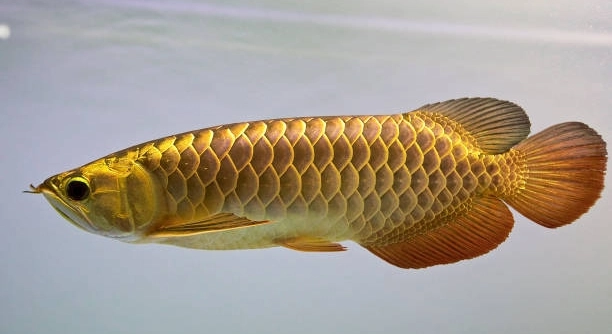
Arowanas are fascinating fish that often display unusual behaviors in their tanks. Observing them closely, you may notice small changes in movement and activity before a water change, signaling shifts in their environment.
Before a water change, arowanas exhibit distinct behaviors such as increased surface swimming, frequent gill movement, tail flicking, and sudden hiding. These actions are responses to changes in water chemistry, light conditions, and environmental stressors, reflecting their instinctual need for stability.
These behaviors may seem simple at first, but they reveal a lot about your arowana’s health and comfort. Watching them carefully can give insight into how to maintain a better aquarium environment.
Increased Surface Swimming
Before a water change, arowanas often spend more time near the water surface. They may swim slowly or hover with their mouths just above the water. This behavior usually happens because oxygen levels fluctuate slightly in their tank. Arowanas are sensitive to changes in their environment, and surface swimming helps them get more oxygen. You may also notice small bubbles forming around their mouths as they gulp air. This is completely normal and a natural response to lower oxygen concentrations. Monitoring their surface activity can help you detect early signs of stress. Adjusting aeration or performing regular water changes can reduce these behaviors. Over time, observing your fish carefully helps you understand what is normal for them. Each arowana has its own rhythm, and subtle changes can indicate shifts in tank conditions. The more you watch, the easier it becomes to maintain a healthy aquarium environment.
Surface swimming increases as oxygen levels vary, allowing arowanas to maintain proper respiration. This activity is a normal environmental response before water changes.
Watching them glide near the surface can be oddly calming. It also signals that you may need to check oxygenation and tank cleanliness regularly to keep them healthy.
Tail Flicking and Sudden Movements
Tail flicking often occurs when arowanas sense disturbances in the water. Even minor changes in temperature or cleanliness can trigger these quick movements. It may seem like playful behavior, but it is actually a natural reaction to their environment. Observing these movements allows you to anticipate water changes. Some arowanas may also dart across the tank suddenly, especially when they sense new water or smell chemical differences. These behaviors help them adjust quickly to variations in their surroundings. Understanding this can reduce worry, as it is not usually a sign of illness. Regular monitoring and maintaining stable conditions can minimize excessive tail flicking. Keeping a consistent schedule for water changes ensures they remain comfortable and active. Noticing these subtle cues can improve your care routine. Over time, you can predict when your fish might act differently and respond appropriately to support their well-being.
Tail flicking is a common behavior indicating environmental awareness in arowanas.
These sudden movements are linked to sensitivity to changes in water parameters. Rapid swimming, darting, and tail flicking are natural stress responses to new water or minor disturbances. Maintaining steady water quality and temperature helps reduce unnecessary activity, making your arowana feel secure. Understanding these cues allows for better care and keeps the fish healthier over time. Observing how frequently these movements occur can guide adjustments in water changes, feeding, and tank setup. Each fish reacts differently, so noting individual patterns can make maintenance easier and more effective. Consistency in tank conditions reduces stress, while awareness of these behaviors ensures that your arowana remains active without being overly agitated. Proper aeration, filtration, and routine checks complement these observations, giving your fish a stable and safe habitat.
Hiding Spots and Sudden Retreats
Arowanas often retreat to corners or behind decorations before a water change. This behavior is a response to sensing environmental changes, helping them feel safe and secure in their tank.
Hiding allows arowanas to avoid sudden water movement or disturbances. They may stay motionless for several minutes, blending with plants or tank décor. This instinctual behavior is their way of coping with stress, ensuring they conserve energy and avoid potential threats. Observing where your fish hides can provide insight into their preferred environment and comfort zones. Arranging your tank with adequate cover and hiding spaces helps them feel secure. Over time, this reduces overall stress and encourages healthier, more predictable behavior.
Some arowanas may suddenly dart into hiding if water is added or stirred. These retreats are quick, sometimes lasting only seconds, but consistently occur before water changes. Recognizing this pattern allows you to anticipate stress and make adjustments to minimize unnecessary agitation. Proper placement of rocks, plants, or floating objects can give your fish a sense of security, helping them remain calm while you maintain their tank.
Gill Movement and Breathing Patterns
Arowanas often show noticeable changes in gill movement before a water change. Faster or deeper breaths indicate sensitivity to water quality shifts.
Increased gill activity occurs as fish respond to changes in oxygen levels, temperature, or chemical balance. Even minor fluctuations in ammonia or nitrite levels can trigger this behavior. Careful monitoring ensures you maintain safe conditions for your fish. Observing these subtle signals can prevent potential health issues, as consistent patterns in gill movement reveal environmental stressors. Ensuring proper filtration and aeration stabilizes water parameters, reducing unnecessary strain on their respiratory system. Noticing these cues helps maintain an optimal habitat for your arowana.
Sudden, exaggerated gill movements can signal minor stress before water changes, helping you adjust your maintenance routine. Keeping track of these breathing patterns allows you to time water changes more effectively and prevent prolonged stress. Maintaining consistent water parameters, using aeration devices, and monitoring temperature ensures your fish remain healthy. Over time, you can anticipate these responses, making tank upkeep smoother and safer for your arowana. Recognizing these signs early improves long-term well-being and helps avoid respiratory complications caused by fluctuating conditions.
Fin Clamping
Arowanas sometimes clamp their fins close to their bodies before a water change. This behavior helps reduce stress and protect sensitive fins from sudden water movement.
Clamped fins are a natural response to environmental changes. It signals that the fish is feeling cautious or unsettled. Providing a calm tank environment can help them relax.
Slow Feeding or Reduced Appetite
Before a water change, arowanas may eat less or ignore food entirely. Their appetite often decreases as they sense changes in their tank conditions. Stress or slight shifts in water quality can influence feeding behavior. Observing feeding patterns helps identify when the tank environment may need attention. Maintaining stable water parameters, consistent feeding schedules, and careful monitoring reduces these fluctuations. Over time, recognizing appetite changes allows you to adjust care routines effectively. Noticing this behavior early ensures your fish receive proper nutrition and remain healthy throughout routine water changes.
Gentle Circling
Some arowanas swim in slow, circular patterns before a water change. This motion helps them assess their environment and stay alert.
FAQ
Why does my arowana swim near the surface before a water change?
Swimming near the surface is a natural response to small changes in oxygen levels or water chemistry. Arowanas are sensitive to their environment, and surface swimming helps them access more oxygen. It is usually temporary and should decrease once water conditions stabilize.
Is tail flicking a sign of illness?
Tail flicking is often a normal behavioral response to environmental changes, such as temperature shifts or slight water disturbances. It usually indicates alertness rather than illness. Consistent or violent flicking combined with other symptoms may require checking water quality and overall health.
Why does my arowana hide suddenly?
Sudden retreats or hiding are instinctual stress responses. Arowanas seek cover when sensing environmental changes or unfamiliar water conditions. Providing adequate decorations, plants, or caves gives them secure spots, reducing anxiety during routine maintenance.
What does fin clamping mean?
Clamped fins signal caution or mild stress. When water parameters shift slightly, fish protect sensitive fins by holding them close to their bodies. Calm handling, stable water conditions, and minimal disturbance help them relax.
Why does my arowana eat less before a water change?
Reduced appetite is common before water changes due to stress or shifts in water chemistry. Feeding smaller amounts or temporarily adjusting the schedule can reduce unnecessary worry. Stable water parameters encourage normal feeding behavior.
How can I reduce stress during water changes?
Maintaining a consistent schedule, avoiding sudden large changes, and gently adding water can minimize stress. Using aeration and monitoring temperature and water chemistry also helps your arowana feel secure. Gradual changes are less likely to trigger defensive behaviors like hiding or surface swimming.
Do arowanas recognize routine water changes?
Arowanas can detect patterns in their environment. Over time, they associate water changes with certain disturbances and may show preemptive behaviors like increased activity or hiding. Awareness of these patterns helps you plan tank maintenance more effectively.
Can these behaviors indicate poor water quality?
Yes. Frequent surface swimming, rapid gill movement, or erratic tail flicking can indicate issues with oxygen levels, ammonia, or nitrites. Regular testing and proper filtration ensure the tank remains safe and reduces stress-related behaviors.
Should I worry if behaviors persist after water changes?
If unusual behaviors continue despite stable water conditions, it may indicate health issues or chronic stress. Observing for other signs, checking water parameters, and consulting a specialist if needed can help address potential problems early.
How can I make my arowana feel safe during maintenance?
Providing hiding spots, avoiding sudden movements, and keeping lighting gentle during water changes helps. Slow water additions and minimal disturbance reduce stress, allowing your fish to remain calm and maintain regular behavior patterns.
What other signs should I watch for?
In addition to the common pre-water change behaviors, watch for lethargy, discoloration, or labored breathing. Any drastic or persistent changes in movement, appetite, or gill function warrant a check of water conditions and overall health.
How often should water changes occur to prevent stress?
Regular, consistent water changes help maintain stable conditions, minimizing behavioral stress. The exact frequency depends on tank size, filtration, and stocking levels, but consistency is more important than large, infrequent changes.
Are there ways to predict when my arowana will react to a water change?
Yes. Observing patterns in swimming, hiding, or feeding before previous water changes allows you to anticipate responses. This helps you adjust care routines, reduce stress, and maintain a more stable environment for your fish.
Can environmental enrichment reduce pre-water change stress?
Adding plants, driftwood, or floating objects gives arowanas places to explore and feel safe. Environmental enrichment reduces stress behaviors and encourages natural movement, keeping your fish more comfortable during routine maintenance.
Do all arowanas behave the same way before water changes?
No. Individual personality and tank conditions influence behavior. Some may hide constantly, others may swim actively, and some show minimal response. Paying attention to your specific fish allows for better care and adjustment of tank maintenance practices.
Can improper handling worsen these behaviors?
Yes. Sudden movements, loud noises, or rapid water changes can amplify stress behaviors. Handling should be calm, gentle, and predictable to keep your arowana comfortable and maintain normal routines.
Is it normal for multiple arowanas to react differently?
Absolutely. Even in the same tank, fish may display varying responses based on hierarchy, temperament, and comfort with their environment. Observing individual behavior ensures you understand each fish’s needs.
What long-term benefits come from observing these behaviors?
Monitoring pre-water change behaviors helps maintain water quality, reduce stress, and detect early signs of health issues. It allows you to create a safer, more comfortable environment and improves overall well-being for your arowana.
Can lighting affect these behaviors?
Yes. Sudden bright lights or reflections can trigger hiding, darting, or fin clamping. Keeping consistent lighting and gradual transitions during maintenance reduces stress and promotes normal activity.
Are pre-water change behaviors more noticeable in small tanks?
They often are. Smaller tanks magnify environmental changes, making fish more sensitive. Observing behavior closely in smaller tanks helps detect water quality issues early and manage stress more effectively.
Do arowanas ever become accustomed to water changes?
Yes. Repeated, gentle water changes allow arowanas to adapt. Predictable routines reduce anxiety and lead to fewer exaggerated behaviors over time, helping maintain a stable, healthy aquarium environment.
How can I tell if gill movement is normal or stressed?
Normal gill movement is steady and consistent. Rapid, erratic, or deep breathing indicates environmental stress or poor water quality. Monitoring patterns before and after water changes helps identify when intervention may be necessary.
What is the best way to introduce new water?
Adding water slowly at a similar temperature reduces shock. Avoid stirring aggressively and keep changes gradual. This approach minimizes stress, prevents sudden behavior changes, and helps maintain stable conditions in the tank.
Can diet affect pre-water change behavior?
Yes. A balanced diet supports health, energy, and resilience. Malnourished or irregularly fed arowanas may show exaggerated stress behaviors. Feeding consistently before maintenance helps reduce stress and maintain normal activity levels.
How does tank size influence these behaviors?
Larger tanks buffer changes, making behaviors less pronounced. Smaller tanks amplify minor fluctuations, causing increased surface swimming, hiding, or tail flicking. Understanding the influence of tank size helps adjust maintenance practices and reduce stress effectively.
Should I monitor multiple behaviors together?
Yes. Observing swimming, gill movement, hiding, and feeding together gives a complete picture of environmental comfort. Changes across multiple behaviors can indicate water issues or stress, guiding timely intervention for optimal fish health.
Can seasonal changes affect these behaviors?
Yes. Temperature, light cycles, and water chemistry shifts with seasons can influence pre-water change behaviors. Monitoring environmental consistency ensures your arowana remains comfortable year-round.
Are these behaviors unique to arowanas?
Some behaviors overlap with other sensitive freshwater species, but arowanas display them more noticeably due to size and territorial instincts. Understanding species-specific behavior helps in proper care and stress management.
How can I track behavior effectively?
Keeping a journal of observations, noting times, frequency, and intensity of behaviors before water changes, helps identify patterns. This allows proactive adjustments in tank maintenance and improved fish comfort.
Do these behaviors indicate social stress if multiple arowanas are kept together?
Yes. Changes in swimming patterns, hiding, or aggression can reflect social hierarchy stress. Ensuring enough space, hiding spots, and monitoring interactions helps maintain a calm, balanced environment.
What should I do if behaviors worsen over time?
Check water quality, tank setup, and diet. Persistent stress may require consulting an aquatic specialist. Addressing root causes early prevents long-term health issues and ensures your arowana remains active and comfortable.
Can these behaviors predict future health problems?
Consistent pre-water change behaviors can reveal sensitivity to environmental changes, which may indicate vulnerability. Early detection and proactive tank management reduce the likelihood of illness or chronic stress.
Is there a way to minimize all pre-water change stress behaviors?
Gradual water changes, stable temperature, aeration, hiding spots, gentle handling, and routine monitoring reduce stress. While some behaviors are natural, consistent care helps your arowana remain calm, healthy, and comfortable during maintenance.
Can lighting, tank size, and diet combined affect behavior?
Absolutely. These factors interact to influence overall comfort and stress levels. Properly balancing each element ensures stable behavior and supports your arowana’s long-term well-being.
How long do these pre-water change behaviors usually last?
They typically occur briefly before and during water changes. Once the tank stabilizes, behaviors return to normal. Frequent observation helps determine duration and triggers for individual fish, allowing for tailored care.
Is it necessary to document every minor behavior?
While not mandatory, tracking patterns helps identify subtle stress signals, water quality issues, or health concerns. Documentation supports proactive tank management and ensures your arowana thrives.
Can stress behaviors be completely eliminated?
No, some stress responses are natural. The goal is to minimize unnecessary stress through stable water conditions, proper handling, and a comfortable environment. Reducing triggers improves overall health and reduces excessive behavioral responses.
Do older arowanas show these behaviors differently than younger ones?
Yes. Older arowanas may be calmer and less reactive, while younger fish are more sensitive. Recognizing age-related differences helps tailor water change routines and reduce stress effectively.
How can I tell if my arowana is adapting to water changes?
Reduced hiding, calmer swimming, and steady gill movement indicate adaptation. Over time, consistent water changes help your arowana become more comfortable, showing fewer exaggerated pre-change behaviors.
Are these behaviors influenced by tank decorations or layout?
Yes. Providing hiding spots, plants, or open swimming areas affects how your arowana reacts. Well-arranged environments reduce stress, encourage natural behavior, and make water changes less disruptive.
Is it normal for behavior to vary day to day?
Yes. Minor variations are normal due to feeding, light, or environmental factors. Persistent unusual behavior may signal water quality or health issues, requiring monitoring and intervention.
Can monitoring pre-water change behaviors improve long-term health?
Yes. Understanding patterns allows proactive management of water quality, diet, and tank setup. Early detection of stress helps prevent disease and ensures your arowana remains healthy and active for years.
What tools can help monitor these behaviors?
Simple observation, video recording, water testing kits, and behavioral journals are effective. Tracking these details supports better care, reduces stress, and improves long-term fish well-being.
Do different arowana species behave differently?
Yes. Some species are more sensitive or active, while others are calmer. Knowing species-specific tendencies ensures proper care, reduces stress, and maintains normal behavior before water changes.
How much water change is ideal to reduce stress?
Partial, regular water changes (around 20–30%) are ideal. Large, sudden changes can trigger stress behaviors. Gradual adjustments maintain stability and reduce anxiety.
Can temperature swings during water changes cause these behaviors?
Yes. Even minor fluctuations can increase surface swimming, gill movement, and hiding. Maintaining consistent temperature minimizes stress and keeps your arowana comfortable.
Are these behaviors permanent if ignored?
No, but ignoring them can lead to chronic stress or health issues. Observing and addressing environmental factors ensures your arowana remains healthy and behaviors stay natural and manageable.
Do pre-water change behaviors affect social interaction among tank mates?
Yes. Stress behaviors like darting or hiding can influence other fish, potentially causing tension. Ensuring space, hiding spots, and stable water conditions supports a calmer, balanced tank environment.
Can supplements or additives influence these behaviors?
Proper supplements may improve overall health, but water conditioners or additives should be used carefully. Overuse or sudden changes can increase stress rather than reduce it. Maintaining a balanced approach is key.
Is behavior monitoring more important than water testing?
Both are essential. Water testing ensures chemical balance, while observing behavior provides insight into subtle stress signals. Together, they give a complete picture of your arowana’s well-being.
Do stress behaviors differ between morning and evening?
Yes. Activity levels, lighting, and feeding schedules can influence behavior. Observing at different times helps identify patterns and adjust maintenance routines accordingly.
Can pre-water change behaviors be mistaken for illness?
Yes. While many are normal, extreme or persistent behaviors combined with other symptoms should prompt water checks and possible health evaluation to rule out disease.
Does tank noise or vibration affect these behaviors?
Yes. Loud noises, movement near the tank, or vibrations can trigger hiding, darting, or fin clamping. Minimizing disturbances reduces unnecessary stress during water changes.
Are there natural ways to calm arowanas before water changes?
Yes. Dim lighting, slow water additions, hiding spots, and calm handling naturally reduce stress. Avoid sudden changes to create a stable, reassuring environment for your fish.
Do water hardness or pH fluctuations influence pre-water change behavior?
Yes. Even slight changes in pH or hardness can trigger surface swimming, gill movement, or hiding. Monitoring and maintaining stable water parameters reduces these stress behaviors effectively.
Can multiple water changes in a week affect behavior?
Frequent, small changes are usually less stressful than infrequent, large ones. Overdoing water changes can cause repeated stress responses. Consistency and moderation are key for stability.
Should I separate arowanas during water changes?
Not usually necessary unless aggression occurs. Gentle water additions and minimal disturbance are generally sufficient to reduce stress without isolating the fish.
Do pre-water change behaviors affect growth or long-term health?
Chronic stress from unstable conditions may impact growth, immunity, and overall health. Monitoring and minimizing stress ensures normal development and longevity for your arowana.
Can acclimation methods during water changes reduce behaviors?
Yes. Gradually introducing new water at matching temperature and chemistry minimizes shock, reduces hiding, fin clamping, and excessive swimming, and helps maintain normal activity levels.
Are some arowanas naturally more reactive?
Yes. Individual temperament influences behavior. Some are more sensitive to changes, showing pronounced pre-water change behaviors, while others remain calm. Recognizing personality helps tailor care.
How do I know if behavior changes are temporary?
Temporary changes usually resolve once water stabilizes. Persistent abnormal behavior may indicate stress or health problems, requiring assessment of water quality and tank conditions.
Does aeration reduce pre-water change stress?
Yes. Proper oxygenation helps reduce surface swimming, rapid gill movement, and agitation, creating a more stable environment during maintenance.
Can temperature-controlled heaters help?
Maintaining consistent temperature with heaters reduces stress behaviors triggered by sudden water additions or seasonal fluctuations, keeping arowanas comfortable.
Should water changes be done at the same time each week?
Yes. Consistency allows arowanas to anticipate maintenance, reducing anxiety and exaggerated pre-change behaviors, promoting a more predictable and calm environment.
Can these behaviors indicate future behavioral patterns?
Yes. Regular observation of pre-water change behavior helps predict how your arowana may react to other environmental changes, supporting proactive care and stress management.
Is it normal for arowanas to show multiple behaviors at once?
Yes. Surface swimming, hiding, tail flicking, and gill movement can occur together. Recognizing combinations helps you understand environmental triggers and adjust care routines appropriately.
Can tank mates influence pre-water change behaviors?
Yes. Aggressive or active companions can increase hiding, darting, or fin clamping. Observing interactions ensures a balanced environment and reduces stress during maintenance.
Do water conditioners or additives change these behaviors?
Proper use helps maintain water quality and reduces stress. Sudden or excessive additives may worsen behaviors, so gradual, controlled use is recommended.
How can I measure if my interventions are working?
Observe behavior before, during, and after water changes. Reduced hiding, calmer swimming, and normal feeding indicate effective measures, helping you refine maintenance routines for optimal fish comfort.
Can observing behavior replace regular water testing?
No. Behavior monitoring complements water testing but cannot replace it. Both are necessary to maintain a healthy, stress-free environment for your arowana.
Are stress behaviors more noticeable in certain tank setups?
Yes. Minimal decorations or strong currents can increase hiding, darting, or tail flicking. Providing secure, stable environments reduces stress and encourages normal behavior.
Do seasonal light changes affect behavior?
Yes. Changes in photoperiod can influence activity levels, hiding, and feeding. Gradual lighting adjustments reduce stress and maintain predictable behavior patterns.
Is it normal for pre-water change behaviors to vary by time of day?
Yes. Activity, feeding, and light cycles influence behavior. Monitoring at different times helps identify consistent patterns and plan maintenance effectively.
Can proper nutrition reduce these behaviors?
Yes. Balanced diet supports energy, immune function, and stress resilience. Well-nourished arowanas show fewer exaggerated responses to environmental changes.
Are some behaviors genetic?
Individual temperament may have a genetic component, influencing reactivity and sensitivity to water changes. Recognizing this helps customize care routines.
Do arowanas ever become fully accustomed to water changes?
Yes. Gradual, consistent maintenance reduces exaggerated behaviors over time. They learn to anticipate changes and remain calmer with repeated, gentle handling.
How can I create a stress-minimizing tank environment?
Stable water parameters, hiding spots, gentle handling, consistent lighting, and gradual water additions reduce stress, helping arowanas feel safe and maintain normal behavior during routine maintenance.
Can pre-water change behaviors signal long-term stress?
Persistent exaggerated behaviors, even with proper care, may indicate underlying stress. Addressing water quality, diet, and environment ensures long-term well-being and reduces potential health risks.
Is it useful to video-record behaviors?
Yes. Recording helps track subtle patterns, compare pre- and post-maintenance activity, and identify triggers, improving your ability to maintain a calm, healthy tank environment.
Can multiple arowanas synchronize stress behaviors?
Sometimes. Observing one fish reacting can trigger similar behaviors in others. Awareness allows better timing and management of water changes to reduce collective stress.
Do behaviors differ between captive-bred and wild-caught arowanas?
Yes. Wild-caught fish may be more sensitive and reactive, while captive-bred arowanas tend to adapt faster to routine maintenance and show less pronounced stress behaviors.
Are these behaviors ever dangerous?
Usually not, if water parameters are stable. Excessive hiding or darting may indicate stress, but proper tank care ensures safety and reduces risk of injury or illness.
How often should I reassess tank conditions?
Regularly. Observing behavior alongside water tests ensures consistent quality, reduces stress, and maintains a healthy environment for your
Arowanas are remarkable fish that show many subtle behaviors before a water change. These behaviors, such as surface swimming, tail flicking, hiding, and fin clamping, are natural ways for the fish to respond to changes in their environment. Observing them closely can give insight into their comfort levels and the overall health of the tank. Each arowana has its own personality and may respond slightly differently to changes in water conditions, temperature, or light. Some may swim actively near the surface, while others may retreat to hiding spots. Recognizing these patterns is important because it allows you to anticipate how your fish might react during routine maintenance. Paying attention to these behaviors also helps identify early signs of stress, which can prevent potential health issues before they become serious. Small adjustments, such as providing adequate hiding spaces or ensuring gentle water changes, can make a big difference in their well-being.
Maintaining arowanas requires consistency and attention to detail. Regular water testing, proper filtration, and careful temperature control all contribute to a stable environment that reduces stress for your fish. Even small fluctuations in oxygen levels, pH, or chemical balance can trigger noticeable behaviors like rapid gill movement or sudden hiding. By understanding and monitoring these responses, you can create a tank that feels safe and predictable for your arowana. Observing feeding patterns and appetite changes is another way to gauge stress or discomfort. Reduced appetite before a water change is common, but if it persists, it may indicate a need to adjust water parameters or diet. A consistent maintenance schedule, combined with careful observation of your fish, allows you to maintain a healthier and calmer aquarium overall.
Over time, observing these behaviors helps you form a closer connection with your arowana and understand its needs. While pre-water change behaviors may seem unusual, they are normal responses to environmental shifts. Taking steps to minimize stress, such as slow water additions, stable lighting, and proper tank layout, supports the fish’s long-term health and comfort. Watching for changes in movement, hiding, or gill activity can also provide early warning signs of problems that may otherwise go unnoticed. Providing a calm and stable environment helps your arowana adapt more easily to routine water changes and reduces unnecessary stress. By paying attention to these subtle behaviors, you not only ensure the well-being of your arowana but also gain a better understanding of its natural instincts and preferences, making aquarium care more effective and rewarding.

Hello,
If you enjoy the content that we create, please consider saying a "Thank You!" by leaving a tip.
Every little bit helps us continue crafting quality advice that supports the health, happiness, and well-being of pets around the world, for pets of all shapes, sizes, and species.
We really appreciate the kindness and support that you show us!