
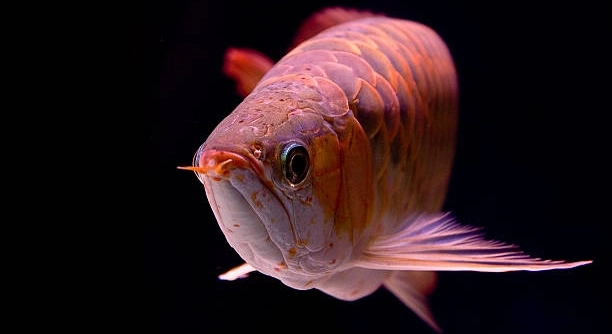
Caring for an Arowana can be rewarding, yet challenging. Many owners are unaware of the subtle factors that may affect its longevity, from water quality to diet. Understanding these elements is crucial for a healthy, thriving fish.
Several factors can shorten an Arowana’s lifespan, including poor water conditions, overfeeding, insufficient tank size, lack of enrichment, inadequate nutrition, stress from frequent handling, and exposure to diseases. Addressing these issues is essential for prolonging their life expectancy.
Being aware of these risks allows owners to create a safer, more comfortable environment. Each step taken can significantly impact the well-being of your Arowana.
Poor Water Quality
Maintaining clean water is one of the most important factors for an Arowana’s health. Dirty or improperly balanced water can quickly stress your fish, leading to weakened immunity and illness. High ammonia, nitrite, or nitrate levels are particularly dangerous, as they damage the gills and organs. Frequent water changes and a reliable filtration system help maintain a stable environment. Monitoring pH and temperature is equally important, as fluctuations can confuse the fish’s biological system. Even minor neglect in water maintenance can shorten lifespan significantly. Using a water testing kit regularly and performing partial water changes keeps the tank safe. Avoid overcrowding the tank, as too many fish produce waste faster than your filtration system can handle. Clean equipment, including nets and decorations, to reduce bacteria and algae buildup. A well-maintained tank ensures that your Arowana can swim freely and stay healthy for years, reducing stress-related illnesses and supporting overall vitality.
Regular testing and maintenance prevent sudden health issues and extend your Arowana’s life efficiently.
Keeping water consistently clean also supports natural behavior and feeding patterns, allowing your Arowana to thrive. Consistent care reduces the risk of infections and encourages growth.
Overfeeding
Overfeeding is a common issue that can have severe effects on an Arowana’s health. Too much food can lead to obesity, organ failure, and poor water quality due to leftover waste.
A controlled feeding schedule ensures proper nutrition without overloading the system. Limiting portions based on size and age helps maintain balance.
Feeding your Arowana too often stresses its digestive system and reduces lifespan. Uneaten food decomposes, raising ammonia levels and affecting water quality. Overfeeding can cause fatty liver disease and weaken the immune system, making the fish more prone to infections. It also encourages aggressive behavior, as crowded feeding times lead to competition and stress. Using appropriate food types and sticking to a strict feeding routine supports healthy growth. Measuring portions by observation and adjusting as your fish grows is essential. A careful approach to feeding keeps the fish active, healthy, and able to live longer. Monitoring appetite and avoiding sudden diet changes also prevent digestive issues and maintain stability in their environment.
Insufficient Tank Size
A small tank limits your Arowana’s growth and mobility. Crowded conditions increase stress, aggression, and susceptibility to disease.
Arowanas are large, active fish that need space to swim comfortably. A tank that is too small restricts movement, causing stress that weakens the immune system. Over time, limited space can stunt growth and reduce lifespan. Providing a tank that matches their adult size, with at least 250 gallons for larger species, ensures they have room to move and thrive. Proper space also prevents injuries from bumping into tank walls or decorations. Avoid overcrowding by limiting tank mates and carefully planning the setup.
Inadequate space often leads to behavioral problems. Stress from cramped conditions can trigger aggression or refusal to eat. By offering ample space, you help your Arowana remain active, healthy, and less prone to stress-related illness, supporting long-term survival.
Stress from Handling
Frequent handling or sudden movements near the tank can stress your Arowana. Stress affects appetite, immunity, and overall well-being.
Stressful environments, including tapping on the glass, sudden noises, or frequent relocation, can harm an Arowana. Stress weakens the immune system, making the fish more susceptible to disease. Avoid handling unless necessary, such as during tank maintenance or health checks. Consistency in environment and gentle interactions reduce stress levels. Stress may also cause abnormal swimming patterns, loss of appetite, and vulnerability to parasites. Minimizing disturbances, maintaining stable water conditions, and keeping a calm atmosphere are crucial. Observing behavior and adjusting the environment helps prevent chronic stress.
Chronic stress leads to long-term health issues that significantly shorten lifespan. Protecting your Arowana from stress ensures better growth, stronger immunity, and a healthier, longer life.
Inadequate Nutrition
Feeding your Arowana an unbalanced diet can lead to vitamin deficiencies and poor growth. Protein and essential nutrients are crucial for maintaining health and vitality.
Relying solely on one type of food, such as pellets, limits nutrient variety. A mix of high-quality pellets, live foods, and occasional frozen options ensures balanced nutrition. Proper feeding supports immune function, growth, and longevity.
Disease and Parasites
Arowanas are susceptible to bacterial, fungal, and parasitic infections. Early detection is critical to prevent serious health issues.
Regular observation for unusual spots, behavior changes, or loss of appetite helps identify illness quickly. Quarantining new fish and maintaining proper water conditions reduces the risk of introducing diseases.
Aggression and Tank Mates
Aggressive behavior from other fish or territorial disputes can injure your Arowana. Monitor interactions closely and separate if necessary.
FAQ
What is the ideal water temperature for an Arowana?
Arowanas thrive in water temperatures between 75°F and 82°F (24°C–28°C). Keeping the temperature stable is important, as sudden changes can stress the fish and increase susceptibility to illness. Using a reliable heater and thermometer helps maintain consistency, reducing health risks.
How often should I change the water in my Arowana tank?
Partial water changes of 20–30% should be performed weekly. Frequent water changes remove waste, prevent harmful chemical buildup, and maintain oxygen levels. Overlooking this routine can quickly degrade water quality, affecting your Arowana’s health and longevity.
Can I feed my Arowana only pellets?
No, relying solely on pellets limits nutrition. A balanced diet should include high-quality pellets, live foods like shrimp or small fish, and occasional frozen options. Variety supports growth, strengthens the immune system, and prevents deficiencies.
How do I prevent my Arowana from getting stressed?
Minimize sudden movements, loud noises, and tapping on the glass. Avoid frequent handling and maintain a calm environment. Proper tank size, clean water, and suitable tank mates also reduce stress and promote healthy behavior.
What are signs of illness in an Arowana?
Look for changes in appetite, unusual swimming patterns, faded colors, white spots, or bloating. Early detection is crucial to prevent serious complications. Quarantining sick fish and consulting a veterinarian helps control disease spread.
How big should an Arowana tank be?
Adult Arowanas require at least 250 gallons to swim freely. Smaller tanks restrict movement, increase stress, and stunt growth. Tank size should accommodate both the fish’s length and activity, with sufficient swimming space and hiding areas.
Can tank mates affect an Arowana’s lifespan?
Yes, aggressive or small tank mates can cause stress, injuries, or even death. Choose compatible species that are similar in size and temperament. Monitor interactions and separate fish if aggression appears. Proper tank planning ensures a safer, longer life.
How do I prevent diseases and parasites?
Maintain clean water, quarantine new fish, and avoid overfeeding. Regular observation for early signs of disease is essential. Using high-quality food and controlling stress also strengthens the immune system, reducing the risk of infections.
Is overfeeding harmful to Arowanas?
Yes, overfeeding causes obesity, digestive issues, and poor water quality. Feed small portions based on the fish’s size and age, adjusting as it grows. Removing uneaten food promptly prevents ammonia spikes and keeps the tank environment safe.
How often should I check water parameters?
Water parameters such as pH, ammonia, nitrite, and nitrate levels should be checked weekly. Regular monitoring prevents harmful fluctuations and ensures a stable environment. Correcting imbalances promptly protects health and supports long-term survival.
Can Arowanas live in a small tank for a short period?
Short-term housing in a smaller tank may be acceptable for quarantine or temporary care. However, prolonged confinement causes stress, stunted growth, and increases the risk of disease. Always provide a tank that meets long-term needs for optimal health.
How do I reduce aggression in my Arowana?
Ensure adequate space and hiding spots, limit feeding competition, and avoid pairing with overly aggressive fish. Proper tank setup and compatible tank mates reduce territorial behavior, stress, and potential injuries, promoting a healthier, longer life.
What are the most common causes of early death in Arowanas?
Poor water quality, overfeeding, small tank size, inadequate nutrition, stress, disease, and aggressive tank mates are the primary factors. Addressing these proactively ensures a longer, healthier life. Monitoring conditions and adjusting care routines is essential.
Can diet alone improve my Arowana’s lifespan?
Diet plays a major role but is only one part of proper care. Balanced nutrition supports immune function, growth, and energy levels. Combining a varied diet with clean water, proper tank size, stress management, and disease prevention maximizes lifespan.
How can I monitor my Arowana’s health effectively?
Observe daily for behavior, swimming patterns, and appetite. Regular water testing and careful tank maintenance are also essential. Early intervention when problems arise prevents serious issues and supports overall health. A proactive approach ensures longevity and vitality.
This FAQ provides practical, actionable guidance for addressing the main factors that influence an Arowana’s lifespan, helping maintain health, reduce stress, and improve longevity.
Final Thoughts
Caring for an Arowana requires attention to many details that affect its health and longevity. Each factor, from water quality to tank size, plays a vital role in ensuring the fish thrives. Ignoring even one aspect can have a cumulative effect, leading to stress, illness, or a shorter lifespan. For instance, poor water quality not only directly harms the fish’s gills and organs but also creates an environment that encourages disease. Similarly, overfeeding may seem harmless, but leftover food rapidly degrades water conditions and can cause obesity and organ issues. Understanding the connection between care practices and health outcomes allows for more effective management and a happier, longer-living Arowana.
Maintaining a consistent routine is one of the simplest ways to support your fish’s health. Regular water changes, monitoring of pH and temperature, and observing behavior for signs of illness can prevent many problems before they become serious. Providing a balanced diet with varied foods ensures that nutritional needs are met, while adequate space and compatible tank mates reduce stress and aggression. Even seemingly small actions, like avoiding sudden handling or loud noises near the tank, contribute to a stable, comfortable environment. These steps do not require complicated procedures but do demand attention and consistency. Over time, these consistent habits significantly improve the fish’s overall well-being and extend its lifespan.
Ultimately, caring for an Arowana is a commitment to understanding and responding to its needs. The fish relies entirely on its environment and the decisions made by its owner for survival. By prioritizing clean water, proper nutrition, sufficient space, and minimal stress, you create the conditions for the fish to flourish. Addressing potential issues proactively—whether it is preventing disease, managing aggression, or monitoring feeding—ensures a safer and healthier life. While challenges may arise, observing your fish regularly and adjusting care as needed makes a meaningful difference. A thoughtful, consistent approach allows you to enjoy the presence of a strong, vibrant Arowana for many years.

Hello,
If you enjoy the content that we create, please consider saying a "Thank You!" by leaving a tip.
Every little bit helps us continue crafting quality advice that supports the health, happiness, and well-being of pets around the world, for pets of all shapes, sizes, and species.
We really appreciate the kindness and support that you show us!