
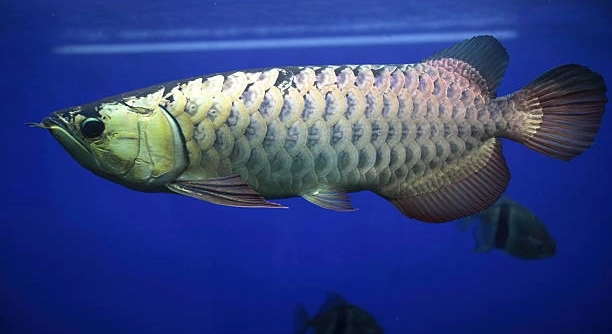
Are your arowanas showing sudden mood changes that leave you puzzled? Many fish owners encounter this situation, noticing shifts in behavior that seem unpredictable. Understanding the triggers behind these swings is essential for maintaining a healthy aquarium environment.
Environmental factors play a significant role in influencing arowana mood swings. Changes in water temperature, lighting, tank size, filtration, water quality, presence of tank mates, and feeding schedules can directly affect their stress levels and overall behavior.
Recognizing these triggers can help you create a stable, harmonious environment for your arowanas. Managing these factors ensures your fish remain calm and healthy.
Water Temperature Fluctuations
Arowanas are sensitive to changes in water temperature, which can directly influence their mood and activity. Sudden shifts, even by a few degrees, can cause stress, leading to aggression, lethargy, or erratic swimming. Maintaining a stable temperature appropriate for your specific arowana species is essential for their mental and physical well-being. Using reliable heaters, thermometers, and monitoring equipment can help prevent these fluctuations. Seasonal changes in household temperature or placement of the tank near windows, radiators, or air conditioning vents can unintentionally cause shifts, so careful positioning is important. Consistency in temperature creates a calm environment where your arowanas feel secure, reducing the likelihood of stress-related mood swings. Observing their behavior after any minor temperature adjustments will also allow you to see how sensitive your fish may be, and which adjustments keep them at ease. Proper attention to these details supports healthier, more predictable behavior in your aquatic companions.
Stable temperature is key to keeping arowanas calm and less prone to sudden behavioral changes.
Water temperature impacts not only mood but also feeding and activity levels. Arowanas exposed to fluctuating temperatures may show reduced appetite, swimming in circles, or sudden aggression. Such behaviors can escalate over time if the environment remains inconsistent. Ensuring a constant range of temperature allows them to maintain normal metabolic functions. Monitoring water temperature daily and investing in reliable heaters or chillers depending on the climate helps prevent unnecessary stress. Even minor temperature drops during night cycles or heat from sunlight exposure can affect their mood. Gradual adjustments are always preferable to sudden changes, as rapid shifts can trigger stress hormones. Keeping temperature records may also reveal patterns in behavior linked to seasonal changes or equipment performance. Combining temperature control with other stable environmental factors like proper lighting and filtration enhances overall tank harmony, promoting well-being and reducing the likelihood of chronic stress or disease.
Lighting and Tank Placement
Lighting schedules directly affect arowana behavior. Too much light can make them skittish, while too little can reduce activity. Maintaining a consistent day-night cycle supports mood stability and natural rhythms.
Proper lighting balance is essential for mental health and behavior consistency. Placing the tank in areas without direct sunlight and using timers ensures consistency. Abrupt lighting changes or irregular cycles can confuse fish, causing stress. Additionally, reflections or shadows can trigger aggression or hide-and-seek behaviors, affecting their overall mood. Choosing full-spectrum lighting that mimics natural conditions helps maintain energy and coloration, supporting daily activity levels. When rearranging the tank, be mindful of how furniture or room layout affects light exposure. Even small differences in brightness can impact behavior, especially for highly sensitive species like arowanas. Observing the fish during different lighting conditions reveals preferences and helps prevent unnecessary agitation. Combining lighting control with other environmental stability measures like filtration, temperature, and tank enrichment provides a cohesive, calm environment that supports long-term behavioral health and reduces unexpected mood swings.
Tank Size and Space
Arowanas need ample space to swim freely. Crowded tanks cause stress, territorial behavior, and sudden mood swings. Ensuring the tank is large enough for their growth and activity is crucial for maintaining calm and balanced behavior.
A small or improperly sized tank limits movement and natural swimming patterns. Arowanas may become aggressive toward tank mates or display erratic swimming when space is restricted. Providing sufficient horizontal and vertical swimming space allows them to exercise, explore, and establish comfort zones. Overcrowding can also affect water quality, indirectly adding to stress and impacting mood. Large tanks with open areas reduce tension and support more predictable behavior, promoting healthier interactions within the tank environment.
Proper tank size also helps regulate territorial instincts. When arowanas feel confined, they often lash out at other fish or bump into decorations, causing injuries. Ample space minimizes confrontations and allows hiding or resting areas. Long, open swimming areas encourage natural movement, which reduces anxiety and stimulates mental well-being. Tank enrichment, such as strategically placed plants or driftwood, enhances their environment without limiting mobility. Observing how arowana uses space helps identify if the current setup meets their needs, ensuring calmer and more balanced moods over time.
Water Quality and Filtration
Poor water quality directly affects arowana health and mood. Accumulated waste, high ammonia, or low oxygen levels can lead to stress, aggression, and unusual behavior, making filtration essential for maintaining a stable environment.
Consistent water testing and proper filtration prevent chemical imbalances. High ammonia, nitrites, or nitrates negatively impact fish behavior. A reliable filter removes debris and maintains oxygenation, reducing stress. Weekly partial water changes complement filtration, ensuring cleaner, healthier conditions. Clean water prevents illness that can trigger irritability and mood swings, allowing arowanas to behave naturally and calmly in their environment.
Filtration type should suit the tank size and stocking density. Mechanical filters remove debris, while biological filtration maintains healthy bacteria for nitrogen breakdown. Over-filtering may cause strong currents, stressing the fish, while under-filtering allows toxin buildup. Combining different filtration methods ensures balanced water quality. Monitoring pH and hardness levels is also important, as fluctuations can affect metabolism and behavior. Even minor changes in water clarity or chemical composition can provoke agitation or lethargy. Proper maintenance routines, such as checking filters, cleaning components, and replacing media as needed, provide stable living conditions, supporting healthier moods and long-term well-being.
Tank Mates
Aggressive or incompatible tank mates can trigger stress and mood swings in arowanas. Choosing fish with similar temperament and size reduces conflicts and promotes a calm environment.
Even peaceful species may cause tension if they crowd the tank or compete for food. Careful observation of interactions helps identify potential issues early.
Feeding Schedules
Consistent feeding schedules are crucial for stable behavior. Irregular feeding can cause irritability, over-eating, or aggression. Maintaining a routine ensures arowanas remain calm, healthy, and predictable in their actions.
Noise and Vibration
Excessive noise or vibrations near the tank can disturb arowanas, causing sudden stress and agitation. Minimizing external disturbances helps maintain a calm and stable environment.
FAQ
What causes sudden mood swings in arowanas?
Arowanas react strongly to changes in their environment. Sudden shifts in water temperature, lighting, tank size, water quality, or the presence of aggressive tank mates can trigger stress. Even small disturbances, such as rearranging decorations or loud vibrations, may cause agitation or unusual behavior. Maintaining consistency in all aspects of their habitat helps reduce these sudden mood swings. Observing patterns in behavior can reveal which environmental factors are most affecting your fish.
How often should I check water quality?
Water quality should be monitored at least once a week. Key parameters include ammonia, nitrite, nitrate, pH, and temperature. Regular testing allows you to detect imbalances early and prevent stress-induced behaviors. Partial water changes and proper filtration work together to maintain clean, safe water for your arowanas. Keeping a log of water readings helps track trends and prevents unnoticed gradual changes.
Can lighting really affect arowana behavior?
Yes, lighting has a significant impact. Arowanas need a consistent day-night cycle to regulate their activity and mood. Too bright or direct light can make them skittish, while low light may reduce activity and appetite. Using timers and avoiding direct sunlight ensures predictable lighting, which supports stable behavior. Reflections or shadows can also provoke aggression, so positioning lights carefully is important.
What is the ideal tank size for arowanas?
Arowanas require spacious tanks to swim freely. A tank that is too small restricts movement and can increase stress and aggression. Depending on the species, a tank of at least 250–400 liters is recommended for juveniles, with larger setups necessary for adults. Providing open swimming space and hiding areas reduces territorial disputes and encourages calmer behavior. Overcrowding also impacts water quality, so space supports both physical and mental health.
How do tank mates influence arowana mood?
Tank mates can either calm or stress your arowana. Aggressive or very active fish may provoke territorial behavior, while compatible species help maintain a peaceful environment. Observing interactions is essential, as even minor conflicts can escalate if space is limited. Choosing similar-sized, non-aggressive fish reduces tension and supports emotional stability in the tank.
Does feeding schedule affect mood swings?
Yes, irregular feeding can lead to irritability, over-eating, or aggression. A consistent feeding schedule ensures your arowana remains calm and healthy. Overfeeding or long gaps between meals can trigger stress behaviors, so providing food at the same times each day supports routine and stability. Monitoring appetite also helps detect early signs of illness or environmental stress.
Can external noise disturb arowanas?
Loud noises and vibrations can stress arowanas. They are sensitive to sudden movements or sounds around the tank, which can lead to erratic swimming, hiding, or aggression. Placing the tank in a quiet, low-traffic area and minimizing external vibrations creates a more stable and calm environment. Even household activities like vacuuming or slamming doors can affect their mood.
How can I reduce stress in my arowana?
Maintaining stable water quality, temperature, and lighting is the first step. Adequate tank size, compatible tank mates, and consistent feeding schedules also help. Minimizing external disturbances and providing enrichment like hiding spots or driftwood reduces tension. Observing behavior regularly allows early detection of stress, so adjustments can be made before it escalates.
Are arowanas affected by seasonal changes?
Seasonal changes in room temperature, sunlight, and household activity can influence arowana behavior. Sudden drops in temperature, increased light, or more noise can trigger stress. Monitoring environmental conditions and adjusting heating, lighting, or tank placement helps maintain consistency year-round. Gradual changes are better than sudden ones to reduce mood swings.
What signs indicate an unhappy or stressed arowana?
Common signs include erratic swimming, aggression toward tank mates, hiding, loss of appetite, and changes in coloration. Stress may also make them more prone to illness. Noticing these behaviors early allows corrective actions like adjusting water quality, feeding, or tank layout. Consistent observation supports arowanas’ emotional and physical well-being.
How can I prevent mood swings long-term?
Consistency is key. Stable water quality, proper tank size, balanced lighting, compatible tank mates, and regular feeding routines help prevent stress. Minimizing sudden changes and observing behavior ensures early intervention. Providing a safe, predictable environment promotes long-term mental stability and healthier, calmer arowanas.
Final Thoughts
Arowanas are sensitive fish that respond strongly to their environment. Their moods can shift quickly if their habitat is not stable or if basic needs are overlooked. Factors like water temperature, lighting, tank size, filtration, feeding schedules, and tank mates all influence how they behave. Even small disturbances, such as sudden noise or vibrations near the tank, can trigger stress or agitation. Observing your arowanas closely allows you to identify these triggers and adjust their surroundings accordingly. By paying attention to these factors, you can create an environment where your arowanas feel secure, relaxed, and more predictable in their behavior. Consistency in care is essential for preventing sudden mood swings and promoting overall health.
Maintaining water quality is one of the most important aspects of keeping arowanas calm. Regular testing for ammonia, nitrite, nitrate, and pH levels ensures that the water remains safe and supportive of their natural behavior. Filtration and partial water changes are key practices to keep water clean and oxygenated. Temperature control also plays a vital role, as sudden shifts can lead to stress, reduced appetite, or erratic swimming. Lighting should follow a consistent day-night cycle, mimicking natural conditions to help regulate activity and mood. Providing sufficient space in the tank allows arowanas to swim freely and reduces territorial aggression, while compatible tank mates contribute to a peaceful atmosphere. Each of these elements works together to stabilize behavior and promote emotional well-being.
Feeding schedules and daily routines also impact arowana moods. Regular, predictable meals reduce irritability and aggression while supporting healthy growth. Overfeeding or irregular feeding can lead to frustration and abnormal behavior. Minimizing external disturbances, such as loud noises or sudden vibrations, further reduces stress and creates a sense of safety. Providing enrichment, like plants or decorations, helps arowanas feel more comfortable without limiting swimming space. By focusing on consistent care, careful observation, and a stable environment, you can minimize mood swings and support long-term health. Small adjustments and attention to detail make a significant difference, ensuring your arowanas remain calm, active, and thriving in their aquatic home.

Hello,
If you enjoy the content that we create, please consider saying a "Thank You!" by leaving a tip.
Every little bit helps us continue crafting quality advice that supports the health, happiness, and well-being of pets around the world, for pets of all shapes, sizes, and species.
We really appreciate the kindness and support that you show us!