
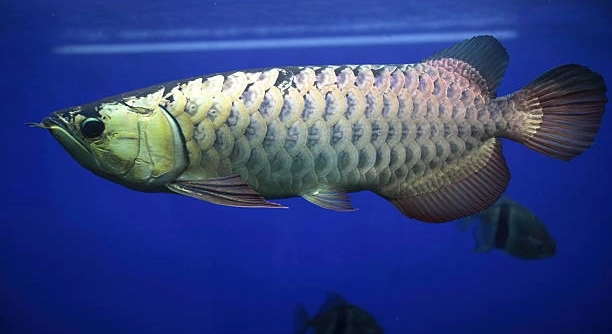
Many aquarists enjoy watching their fish swim gracefully in their tanks. Arowanas are no exception. These striking fish often show interest in their surroundings, especially when there is movement outside their aquarium.
Arowanas generally respond positively to outside movement. They are naturally curious predators and will often track motion near their tank. Observing activity can stimulate mental engagement and physical activity, contributing to their overall well-being and natural behaviors.
Learning how outside activity affects your arowana can improve tank setup and interaction. Proper observation helps create a stimulating environment for these captivating fish.
How Arowanas Observe Their Surroundings
Arowanas are natural predators with keen eyesight, which makes them highly aware of movement around them. When something passes near their tank, they often follow it with smooth, deliberate motions. This is not just a reflex; it reflects their curiosity and hunting instincts. Watching outside movement can keep them alert and engaged, reducing boredom in a captive environment. Some arowanas may swim closer to the glass or even attempt gentle taps, testing their environment. Their reactions can vary depending on individual temperament and previous experiences. Over time, they may become familiar with household patterns, such as people walking past or shadows shifting, and react accordingly. Providing a clear view without exposing them to constant stress helps balance stimulation and comfort. Observing these behaviors gives insight into their personality and preferences. A calm environment with occasional external activity seems to make them more interactive and less lethargic, enhancing their overall health and mental stimulation.
Arowanas notice small changes quickly. Subtle movements can grab their attention immediately.
Understanding how they watch can help set up a tank that encourages active behavior. Proper placement of aquariums, away from excessive stress but with occasional motion, can make a noticeable difference in an arowana’s daily routine. Watching an arowana respond to external activity is a gentle reminder of their natural instincts, even in captivity. Adjusting lighting, background, and nearby activity allows the fish to engage without feeling threatened. Some owners use occasional visual stimulation, like moving objects, to mimic a natural environment. Careful observation can reveal whether the fish enjoys interaction or prefers solitude. Maintaining balance ensures the fish remains healthy, both mentally and physically. Over time, this approach can create a more enriching habitat. Arowanas can thrive when their environment respects their instinctive behaviors and provides safe, occasional stimulation. This creates a routine where the fish feels secure yet mentally engaged, fostering both activity and calm.
Benefits of Watching Outside Movement
Arowanas gain mental stimulation from observing their environment. Tracking motion can prevent boredom, encourage natural behaviors, and promote mental alertness.
Providing this type of visual engagement also supports physical activity. Fish that watch and respond to outside movement often swim more actively and explore different areas of the tank. Mental stimulation is essential for long-term health because it reduces stress and encourages natural instincts like hunting and exploring. Overstimulating or constant movement can have the opposite effect, making them skittish, so moderation is key. Balancing quiet periods with occasional visual activity creates a stable environment. Consistent observation allows owners to notice behavioral changes, which can indicate health or mood shifts. Simple adjustments, such as placing the tank near a window with controlled lighting or allowing occasional passersby, provide subtle engagement without overwhelming the fish. These small steps can make a big difference in arowanas’ daily lives, keeping them curious and active while preserving calm and security in their habitat. Maintaining this balance ensures their behavior stays natural, supporting both mental and physical well-being over time.
Signs Your Arowana is Engaged
Active tracking of movement is a clear sign your arowana is engaged. They may swim along the glass, follow shadows, or pause to observe passing objects. Small changes in posture or fin movements often indicate attention and curiosity.
When your arowana notices movement, it often responds by adjusting its swimming patterns. Some fish will follow an object slowly, while others react quickly, showing alertness. This behavior demonstrates their natural hunting instincts and intelligence. It is common to see them focus intently, occasionally shifting position to get a better view. Over time, consistent observation helps you understand individual preferences and personality traits. Engagement varies from fish to fish, but attentive behaviors typically indicate good mental stimulation. Watching how your arowana interacts with its environment can also help spot signs of stress or boredom early, allowing for adjustments to improve overall well-being.
Not all arowanas react the same way. Some may be shy, observing from a distance, while others actively approach the glass. Regular attention to these behaviors provides insight into their comfort level and preferences. Adjusting tank setup or lighting can encourage natural engagement, making their habitat more stimulating.
Encouraging Positive Interaction
Placing the tank near moderate activity encourages your arowana to engage without causing stress. They respond well to occasional movement and subtle changes in light.
Maintaining a balance between quiet and active periods is important. Too much motion or constant activity can make them anxious, while complete isolation can lead to boredom. Controlled stimulation, such as light shifts or passing shadows, provides mental engagement. Observing these interactions allows you to adapt tank placement or environment for the fish’s comfort. Over time, you learn how much stimulation is ideal, enhancing both physical activity and mental alertness. Providing this type of engagement helps arowanas express natural behaviors safely and promotes overall health in a calm, manageable way.
Ideal Tank Placement
Positioning your arowana’s tank near gentle movement allows observation without stress. Avoid high-traffic areas that can startle or overwhelm them.
A stable, calm environment with occasional visual stimuli helps your arowana stay engaged. Windows with filtered light or quiet rooms with light movement often work best, promoting natural curiosity and alertness.
Watching Through the Glass
Arowanas often react to movement along the tank’s exterior. They may swim closer to the glass or follow objects slowly, showing attention and awareness.
Signs of Stress
Rapid darting, hiding, or refusing to move can indicate stress. Adjusting environmental factors like light or placement often helps the fish feel secure.
FAQ
Do arowanas get stressed by outside movement?
Yes, arowanas can become stressed if exposed to constant or sudden movement. While occasional activity can stimulate them, too much can lead to skittish behavior, rapid swimming, or hiding. Ensuring a balance between calm periods and visual engagement helps them feel secure.
How much movement should be near the tank?
Moderate movement is ideal. A few people walking by, shadows shifting, or subtle light changes can engage your arowana without causing anxiety. Avoid placing the tank in high-traffic areas like doorways or near loud appliances. Controlled exposure encourages natural curiosity while maintaining comfort.
Can arowanas recognize people outside the tank?
Arowanas are intelligent fish and may learn to recognize repeated movements or familiar shapes near their tank. Over time, they can respond differently to people they see often, showing more curiosity toward familiar faces and remaining cautious around strangers or sudden activity.
Do arowanas need toys or decorations for stimulation?
Not necessarily. While some fish enjoy floating objects or plants to explore, arowanas primarily rely on observing movement in their surroundings. Providing clear sightlines and occasional external activity often offers enough mental stimulation. Decorations should not block their view entirely.
Is watching outside movement enough for exercise?
Watching alone may not fully meet their exercise needs. Arowanas also require space to swim freely and occasionally chase food or interact with gentle currents. Ensuring a spacious tank with clean water helps maintain both physical and mental health.
What signs show an arowana enjoys watching outside movement?
Engaged arowanas follow objects slowly, swim closer to the glass, and occasionally adjust their position to track motion. Relaxed body posture, smooth swimming, and consistent attention to external activity indicate curiosity rather than stress.
Can too much light affect their interest in outside movement?
Yes, excessive or direct light can make them anxious, reducing their willingness to engage. Soft, indirect light allows them to notice movement comfortably and observe their surroundings without feeling threatened.
Should windows be covered during certain times?
Covering windows during periods of intense sunlight or high activity can prevent overstimulation. A balanced environment with light shifts but not constant glare helps arowanas maintain alertness without stress.
How do you know if movement is harmful?
Rapid, frantic swimming, hiding, or refusal to eat are key indicators. These behaviors suggest the fish feels threatened. Reducing external movement and providing quiet periods usually helps restore calm and normal behavior.
Can arowanas get bored if there’s no outside movement?
Yes, lack of visual stimulation can lead to inactivity and decreased interest in their environment. Controlled, occasional movement and varied tank setup keep them mentally engaged, encouraging natural behaviors and preventing lethargy.
Does age affect how they react to movement?
Younger arowanas tend to be more curious and responsive, while older fish may be calmer and less reactive. Adjusting stimulation levels according to age ensures they remain comfortable and engaged without stress.
Are there health benefits to watching outside movement?
Observing movement can improve mental alertness, encourage activity, and reduce boredom. Combined with proper diet and tank conditions, this mental stimulation supports overall well-being and a healthier, more active fish.
Can mirrored surfaces be harmful?
Mirrors or reflective surfaces may confuse arowanas, making them perceive their reflection as a rival. This can lead to stress, aggression, or overexertion. Avoid placing mirrors directly on or near the tank to maintain calm behavior.
How often should movement be introduced?
Occasional and consistent intervals are best. Daily brief periods of external activity keep them alert, while extended or unpredictable exposure can create anxiety. Observing their reactions helps determine the optimal amount of stimulation.
Do all arowanas react the same way?
No, individual temperament plays a role. Some arowanas are naturally curious and actively track movement, while others are shy or indifferent. Paying attention to each fish’s behavior helps provide a personalized environment.
Can watching movement replace interaction with the tank owner?
Not entirely. While outside movement is stimulating, interaction through feeding, gentle water changes, and maintaining a clean, comfortable habitat is essential. Engagement combined with care ensures both mental and physical health.
How to safely encourage interest in outside movement?
Introduce movement gradually. Avoid sudden shadows or rapid changes, and allow the fish to adjust. Controlled exposure, such as slowly moving objects or predictable household activity, encourages curiosity without causing stress or fear.
Does tank size affect their interest?
Yes, larger tanks give arowanas room to move and react naturally. Smaller tanks may limit swimming and make them more sensitive to movement. Adequate space allows them to explore and respond comfortably, supporting both mental and physical activity.
Are there signs that too little movement is harmful?
Yes, inactivity, reduced appetite, and less interaction with their environment indicate insufficient stimulation. Occasional, gentle movement helps maintain alertness, encouraging natural behaviors and promoting a healthier, more responsive fish.
Is it better to have curtains or blinds for controlling light?
Blinds or curtains provide flexibility, allowing you to regulate light and movement exposure. Softly filtered light reduces stress and helps create a comfortable, visually engaging environment without overwhelming your arowana.
Do arowanas enjoy watching other fish?
Some may show interest, especially if the other fish move slowly and peacefully. Aggressive or overly fast fish can cause stress. Observing their reactions helps determine whether tankmates contribute positively to mental stimulation.
Can outside movement prevent boredom completely?
It helps, but it doesn’t replace overall care. Regular feeding, water maintenance, and safe swimming space are also necessary. Movement complements these factors, ensuring your arowana remains active, alert, and mentally engaged throughout the day.
How to tell if your arowana prefers quiet?
Arowanas that consistently hide, swim away from movement, or remain stationary may prefer quieter conditions. Adjusting their environment to reduce visual stimuli helps them feel secure while still allowing brief periods of engagement.
Can reflections from windows or TVs be stressful?
Yes, sudden reflections or flickering screens can trigger startle responses. Minimizing reflections and controlling nearby light sources ensures they stay calm while still enjoying occasional visual stimulation.
Does movement affect feeding behavior?
Mild visual activity can stimulate interest and appetite, but excessive movement may distract or stress them. Balanced exposure ensures feeding remains consistent and enjoyable without triggering anxiety.
Can movement help with aggression?
Observing non-threatening external movement can provide a distraction and reduce aggressive behavior. However, it doesn’t replace proper tank management, territorial space, and careful selection of tankmates to maintain a peaceful environment.
How long can an arowana watch movement safely?
Short, consistent periods are ideal, typically a few minutes several times a day. Overexposure can lead to stress or overexcitement, so monitoring their reactions helps maintain a healthy balance.
Are outdoor views better than indoor movement?
Both can work, but outdoor views may introduce unpredictable stimuli that stress the fish. Controlled indoor activity, like light shifts or gentle movement, often provides safer and more reliable engagement.
How do you combine movement with other enrichment?
Movement works best alongside proper tank size, water quality, and occasional hiding spots. Together, these factors create a stimulating yet secure environment, encouraging exploration, mental alertness, and natural behavior without causing anxiety.
Can you use toys to mimic outside movement?
Yes, floating objects or slow-moving decorations can simulate external activity. Ensure they are safe, non-toxic, and don’t overcrowd the tank. This method can complement observing outside motion to maintain curiosity.
Do different lighting setups change their response?
Soft, natural lighting encourages observation without stress. Harsh, bright, or flickering light can make arowanas avoid activity or hide. Gradual changes help them adjust while remaining alert and engaged.
How to monitor their reactions effectively?
Watch posture, swimming patterns, and attention to movement. Calm, smooth swimming indicates curiosity, while frantic or withdrawn behavior signals stress. Adjusting stimuli based on these cues ensures a healthy environment.
Does age affect their tolerance to movement?
Younger arowanas are usually more curious and responsive, while older ones may be calmer or more selective in their attention. Tailoring visual stimulation to age helps maintain interest without causing stress.
Can watching movement replace mental enrichment completely?
No, it supplements other enrichment methods like proper feeding routines, spacious tanks, and environmental variety. A balanced approach ensures they remain active, healthy, and mentally stimulated over the long term.
Is there a risk of over-stimulation?
Yes, too much movement, light, or reflections can cause stress, aggressive behavior, or hiding. Observing responses carefully and limiting exposure maintains comfort and natural curiosity.
Do arowanas enjoy tracking slow or fast movement more?
They generally prefer moderate, predictable motion. Extremely fast or erratic movement can startle them, while gentle tracking allows mental engagement without causing fear. Adjusting speed and frequency ensures positive stimulation.
How can household activity be used effectively?
Controlled, predictable movement like family members walking past at regular intervals provides stimulation. Sudden changes or unpredictable patterns may stress the fish. Observing reactions helps find the right balance for engagement.
Can watching outside movement improve overall health?
Yes, when combined with proper diet, water quality, and tank space, observing motion encourages physical activity, mental alertness, and natural behavior, contributing to a healthier, more active arowana.
What if the arowana ignores movement completely?
Some fish are naturally less reactive. Focus on other forms of enrichment like gentle water flow, hiding spots, or feeding routines to ensure mental and physical stimulation without forcing engagement.
Is it safe to use reflections intentionally?
No, reflections can create stress or aggressive behavior. It’s better to provide safe, controlled visual stimuli rather than relying on mirrors or glass reflections to engage your arowana.
How to adjust the environment for sensitive arowanas?
Reduce sudden movements, soften lighting, and allow quiet periods. Gradually introduce controlled activity to encourage curiosity while respecting their comfort level and natural behavior.
Can observing outside movement prevent boredom-related aggression?
Yes, moderate visual stimulation can distract and engage arowanas, reducing frustration and aggression. However, proper tank setup and careful monitoring are essential for consistent results.
Does tank height or width influence their interest?
Spacious tanks provide room to follow movement naturally. Limited vertical or horizontal space may restrict swimming and reduce engagement, so adequate dimensions are important for both activity and comfort.
How long should you wait to adjust movement exposure?
Observe behavior over several days. If stress signs appear, reduce exposure gradually. Positive responses indicate the current level is appropriate, helping maintain a balance between engagement and comfort.
Can multiple fish in a tank affect movement response?
Yes, dominant or aggressive fish may distract or intimidate others, changing how they respond to external movement. Providing space and monitoring interactions ensures each fish benefits from visual stimulation safely.
Is interaction with owners more effective than outside movement?
Both have value. Gentle interaction like feeding or cleaning supports trust and engagement, while controlled outside movement provides mental stimulation. Combining both methods encourages a well-rounded, healthy arowana.
Does water clarity impact their ability to observe movement?
Yes, murky or dirty water reduces visibility and engagement. Keeping water clean and clear ensures they can notice external stimuli comfortably, supporting mental alertness and natural behaviors.
Should movement be introduced gradually for new arowanas?
Yes, sudden exposure can cause stress. Slowly introducing visual stimuli allows them to adjust, building curiosity while maintaining a calm, secure environment.
Can observing movement replace enrichment from other fish?
It helps but doesn’t fully replace interaction with tankmates if compatible. Social behavior varies, so combining safe external movement with proper tankmates enhances stimulation and overall well-being.
Do arowanas show preferences for specific types of movement?
Yes, they often respond better to slow, predictable motion. Rapid or erratic changes may cause stress, while consistent patterns encourage curiosity and natural tracking behaviors.
How to balance light, reflections, and movement?
Control lighting and reflections while providing moderate visual activity. Observe reactions to ensure the fish remains alert without showing stress, maintaining a healthy balance of stimulation.
Can observing outside movement affect sleep patterns?
Excessive or bright light during rest periods can disrupt sleep. Allow quiet, dim periods to maintain natural activity cycles while providing occasional visual stimulation during awake hours.
Does tank decor influence movement engagement?
Yes, excessive decorations can block sightlines, reducing interest in outside activity. Minimal, safe decor allows free observation while still offering hiding spots for comfort.
Can sudden shadows cause fear?
Yes, abrupt changes or fast-moving shadows can startle arowanas. Gradual, predictable visual stimuli are safer and more effective for mental engagement.
How often should tank owners monitor reactions?
Daily observation helps identify stress or boredom. Noticing subtle changes in swimming, posture, or attention ensures timely adjustments to maintain a balanced, comfortable environment.
Is outdoor activity always beneficial?
Not always. Uncontrolled outdoor movement can stress the fish. Controlled, predictable indoor activity is generally safer and more effective for maintaining engagement without causing anxiety.
Can watching outside movement influence feeding behavior long-term?
Moderate stimulation may enhance appetite by encouraging alertness. Excessive or stressful activity, however, can reduce interest in food. Balance is key for consistent feeding and overall health.
Do arowanas prefer natural light or artificial light for observing movement?
Soft natural light is usually best, but gentle artificial lighting can work if consistent. Avoid harsh or flickering light, as it may reduce comfort and engagement.
How to create a safe observation area?
Clear sightlines, controlled lighting, minimal sudden movement, and secure tank placement create an environment where arowanas can observe without stress, supporting curiosity and mental stimulation.
Can watching movement improve swimming techniques?
Yes, tracking external objects encourages smooth, controlled swimming. This supports physical activity, coordination, and mental engagement, contributing to overall health and alertness.
How to handle overstimulation quickly?
Reduce visual stimuli, dim lighting, and provide calm periods. Observing their behavior closely helps restore comfort and ensures stress does not affect long-term health.
Can movement near the tank replace enrichment from live food?
No, live food provides physical stimulation and hunting practice. Visual activity complements but does not replace the benefits of natural feeding behaviors.
Are reflective backgrounds better than solid ones?
Solid backgrounds are generally safer, reducing reflections and potential stress. Reflective surfaces may confuse or startle arowanas, interfering with calm observation of external movement.
How long does it take for arowanas to adjust to movement?
Adjustment varies by temperament and age. Some may respond immediately, while others take days or weeks. Gradual exposure ensures comfort and sustained engagement without stress.
Does temperature affect reactions to movement?
Yes, cooler water may reduce activity, while optimal temperatures promote alertness and curiosity. Maintaining consistent water conditions ensures movement remains a positive form of stimulation.
Can watching movement replace environmental enrichment entirely?
No, it is one component. Proper tank size, water quality, feeding, hiding spaces, and occasional visual stimulation together create a healthy, engaging habitat.
Is it better to have periodic or continuous movement?
Periodic, controlled movement is safer. Continuous or unpredictable activity can stress arowanas and reduce their natural curiosity, while short intervals encourage engagement and alertness.
How to combine movement with feeding routines?
Introduce visual stimulation before feeding to encourage alertness, but avoid distraction during feeding itself. This supports natural hunting instincts and maintains a calm environment during meals.
Can watching outside movement reduce aggression in a community tank?
Moderate visual stimulation can distract and reduce tension, but proper tank layout, compatible species, and sufficient space are essential for managing aggression effectively.
Are all reflections equally stressful?
No, intensity and angle matter. Subtle reflections may be ignored, while strong, moving reflections can trigger stress or aggressive behavior. Adjusting surfaces and lighting minimizes negative effects.
How to measure mental engagement?
Observe tracking behavior, attention span, and responsiveness to controlled movement. Calm, alert responses indicate positive mental stimulation, while hiding or frantic swimming suggests stress.
Can watching movement improve overall tank health?
Indirectly, yes. Engaged, active arowanas maintain appetite and natural behaviors, reducing the risk of obesity or inactivity-related health problems. Combined with proper tank care, this supports overall well-being.
Does fish size affect interest in movement?
Larger arowanas may be more confident and curious, while smaller ones may be cautious. Adjusting stimuli to size ensures comfort and promotes safe engagement.
Can multiple tanks in one room affect responses?
Yes, observing movement in other tanks may stimulate curiosity or competition. Monitor behavior to ensure mental engagement remains positive without causing stress.
How do seasonal changes affect movement observation?
Seasonal light and temperature changes can alter activity levels. Adjust stimuli and tank conditions accordingly to maintain consistent mental stimulation and comfort.
Can watching movement replace social interaction entirely?
No, while it provides mental engagement, social interaction through feeding, care, and occasional gentle handling is still necessary for overall well-being.
How often should movement patterns change?
Occasionally, to prevent habituation. Too frequent or unpredictable changes can stress the fish. Subtle, controlled variations maintain interest without overwhelming them.
Can movement near the tank reduce boredom during winter months?
Yes, controlled indoor activity helps maintain engagement when outdoor stimuli are limited. Combining this with proper lighting and temperature ensures mental and physical stimulation year-round.
Are there signs a fish prefers quiet over movement?
Yes, hiding, slow swimming, or ignoring visual stimuli indicates preference for calm. Adjusting tank placement and reducing movement ensures comfort while still providing occasional engagement.
Do arowanas react differently to shadows vs. direct movement?
Yes, subtle shadows are often less stressful and can encourage curiosity, while rapid, direct motion may startle them. Gradual introduction helps them adjust safely.
Can visual stimulation replace enrichment from tankmates?
It complements but cannot replace the benefits of compatible social interaction. Providing both ensures mental engagement and supports natural behaviors.
How to prevent overstimulation during feeding?
Avoid introducing movement or reflections while feeding. Focus on a calm, predictable routine, then reintroduce controlled visual activity afterward to maintain engagement without stress.
Does tank shape affect movement tracking?
Yes, wide, unobstructed tanks allow better tracking of external stimuli. Narrow or heavily decorated tanks can limit visibility and reduce engagement.
Can watching movement improve response time?
Yes, tracking external motion exercises attention and reflexes. Over time, arowanas become quicker at observing and reacting to stimuli, reflecting healthy alertness and cognitive activity.
How to combine natural and artificial light for engagement?
Use soft natural light during the day and gentle artificial light when needed. Avoid glare and sudden shifts to keep observation stimulating yet comfortable.
**Is it better to introduce movement gradually
Arowanas are fascinating fish with distinct personalities and behaviors. Observing them react to outside movement can reveal a lot about their natural instincts. These fish are naturally curious and attentive to changes in their surroundings. They often follow moving objects with their eyes and may swim closer to the glass to get a better look. This behavior is not random; it reflects their predatory instincts and mental alertness. Watching how they respond over time helps owners understand individual preferences and personalities, which is important for maintaining a healthy and comfortable environment. Each arowana is different, so reactions to movement will vary, and recognizing these differences ensures proper care.
Providing occasional visual stimulation can benefit arowanas in multiple ways. It helps reduce boredom and encourages physical activity, as they often swim to follow objects or shadows. Mental engagement is also supported, which is important for long-term well-being. Too much constant movement, however, can cause stress, so it is essential to maintain a balance. The tank’s placement plays a big role in this. Positioning the aquarium where there is moderate activity allows the fish to observe without feeling threatened. Soft, indirect light and clear sightlines make visual engagement more comfortable. Controlling these factors helps arowanas stay calm yet alert, allowing them to display natural behaviors while maintaining mental and physical health.
Finally, creating a safe and engaging environment involves more than just allowing them to watch movement. Proper tank size, clean water, sufficient swimming space, and occasional enrichment, like hiding spots or gentle currents, are all necessary for arowanas’ overall well-being. Observing outside movement can be a helpful addition to their environment, but it should complement, not replace, proper care and attention. By paying close attention to reactions, adjusting environmental conditions when needed, and offering balanced stimulation, owners can support an arowana’s mental alertness, reduce stress, and encourage natural behaviors. Over time, these thoughtful adjustments help the fish thrive, making the tank a more enriching and comfortable space for them to live.

Hello,
If you enjoy the content that we create, please consider saying a "Thank You!" by leaving a tip.
Every little bit helps us continue crafting quality advice that supports the health, happiness, and well-being of pets around the world, for pets of all shapes, sizes, and species.
We really appreciate the kindness and support that you show us!