
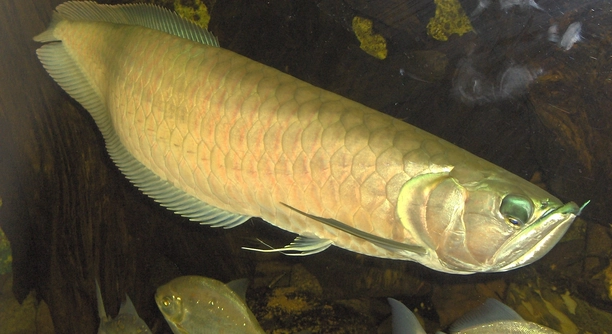
Have you ever noticed your arowana behaving differently after a slight change in water temperature? These fish are sensitive to their environment, and even minor shifts can influence their health and activity levels. Understanding this is important.
Temperature changes in aquariums can immediately affect arowanas by altering their metabolism, immune response, and stress levels. Rapid shifts may lead to decreased appetite, erratic swimming, or increased susceptibility to disease, emphasizing the need for careful temperature management.
Keeping your arowana healthy requires attention to even small temperature fluctuations. The following points will explain the most impactful changes and their immediate effects on your fish.
Sudden Drop in Water Temperature
A sudden drop in water temperature can shock your arowana instantly. Their metabolism slows down quickly, making them less active and sometimes causing them to hide. Stress levels rise, weakening their immune system and leaving them vulnerable to illness. Even a few degrees can have a noticeable effect. Lower temperatures can reduce their appetite, leading to skipped meals or slower growth. If this happens often, it may affect their overall health, making it harder for them to recover from minor infections. Tank heaters should be checked regularly to prevent this, and any maintenance that changes water temperature should be done gradually. Observing behavior closely helps catch issues early, preventing long-term problems. While some species tolerate minor fluctuations, arowanas are particularly sensitive. Quick adjustments in temperature can also impact oxygen levels in the water, adding another stress factor. Monitoring and stabilizing the environment is crucial for their well-being.
Rapid temperature drops can slow arowana metabolism, reduce feeding, and increase disease risk, highlighting the importance of stable water conditions.
Even small shifts downward can cause noticeable stress. Maintaining consistent warmth helps your fish remain active, healthy, and stress-free.
Sudden Increase in Water Temperature
A sudden rise in water temperature can be equally dangerous. Warmer water reduces oxygen levels, making it harder for your arowana to breathe comfortably. They may swim closer to the surface, gasp, or display erratic movements. Prolonged exposure can increase metabolism too quickly, causing fatigue and loss of appetite. Rapid heating often occurs when heaters malfunction or hot water mixes into the tank. High temperatures also encourage bacterial growth, putting your arowana at greater risk of infections. Monitoring water temperature daily ensures changes are detected early. Gradual adjustments are safer, especially during seasonal shifts. The behavior of your fish is a good indicator—listlessness, frequent surface visits, or abnormal swimming patterns signal stress. Maintaining an even temperature prevents long-term health issues and keeps your arowana active and alert. Small adjustments over time help your tank remain a stable environment for their needs, avoiding sudden shock.
Keeping temperature steady prevents breathing difficulties and disease. Observing behavior can catch early warning signs.
Rapid Temperature Fluctuations
Frequent swings in water temperature stress arowanas. Their bodies struggle to adjust, causing irregular swimming and reduced appetite. Even small changes throughout the day can make them uneasy and less active.
Rapid fluctuations disrupt metabolism and weaken the immune system. Arowanas become more prone to infections when water conditions are inconsistent. Stress from sudden changes can trigger lethargy, loss of appetite, or abnormal swimming patterns. These fluctuations often occur when heaters, filters, or room temperatures vary throughout the day. Maintaining consistent temperatures with reliable equipment and careful monitoring prevents unnecessary stress. Over time, repeated exposure to unstable water can stunt growth and cause long-term health problems, making the fish less resilient to disease. Observing your fish closely helps detect early signs of distress.
Behavioral changes from rapid swings can be subtle, like slight hesitation in swimming or brief hiding. Over days, these signs may intensify, showing as clear stress responses. Consistency in tank temperature is essential for arowana health.
Nighttime Temperature Drops
Nighttime drops in temperature can leave your arowana sluggish. Cooler water slows their metabolism, making them less active during the night.
Arowanas naturally experience cooler nights, but sharp drops are risky. If the tank loses heat quickly, it can trigger stress and make them vulnerable to illness. Nighttime drops often happen if heaters aren’t properly set or insulated, or if room temperatures fluctuate. Stress from cold nights can lead to reduced feeding the following day, affecting growth and energy levels. Using a reliable heater with a thermostat helps maintain stable temperatures even overnight. Some aquarists notice their arowanas hiding more when nights are too cold, signaling discomfort. Gradual cooling that mimics natural conditions is safer than abrupt changes, keeping them calm and active when the tank warms up again. Consistent nighttime temperatures also support healthy sleep patterns and metabolism.
Keeping nighttime conditions steady ensures arowanas remain active and healthy. Monitoring temperature with thermometers helps prevent unexpected drops.
Heater Malfunction
A heater that stops working suddenly can drop tank temperatures quickly. Arowanas react immediately with stress, reduced activity, and hiding. Monitoring equipment regularly is key to avoiding sudden problems.
Heater failures often go unnoticed until the fish show signs of discomfort. A backup heater or routine checks prevent sudden drops that could harm your arowana.
Overheating from Sunlight
Direct sunlight on the tank can raise water temperature unexpectedly. Even small increases make arowanas restless and can reduce oxygen levels.
Prolonged exposure to sunlight can accelerate bacterial growth and stress your fish. Shifting the tank away from windows or using shades helps maintain stable, safe temperatures. Consistency protects their health and keeps behavior normal.
Cold Water Changes
Adding unconditioned cold water during cleaning shocks your arowana instantly. Even a minor drop can trigger erratic swimming and temporary loss of appetite.
Using pre-warmed water that matches tank temperature prevents stress. Gradual water changes maintain stability and support the fish’s immune system. Consistent routines help them remain calm and healthy.
FAQ
How sensitive are arowanas to temperature changes?
Arowanas are very sensitive to fluctuations in water temperature. Even a few degrees up or down can impact their metabolism, stress levels, and overall health. They rely on a stable environment to stay active, eat regularly, and maintain strong immunity. Sudden shifts often trigger hiding, erratic swimming, or loss of appetite.
What is the ideal temperature range for arowanas?
The ideal water temperature for most arowanas is between 75°F and 82°F (24°C–28°C). Keeping the tank within this range ensures their metabolism functions properly and reduces stress. Temperatures outside this range, even slightly, can weaken their immune system or slow digestion.
Can arowanas recover from a sudden temperature drop?
Yes, but it depends on how quickly the temperature stabilizes and how long the fish were exposed. Short-term exposure often results in temporary stress and reduced appetite. If the water is corrected gradually and consistently, arowanas can return to normal activity. Prolonged or repeated drops increase the risk of illness and may require medical intervention.
What happens if water gets too warm?
High water temperatures reduce oxygen levels, causing arowanas to breathe faster and swim near the surface. Overheating can trigger fatigue, appetite loss, and stress. Persistent warm water may encourage bacterial growth, making the fish more susceptible to infections. Immediate action involves cooling the tank gradually while maintaining a safe range.
How can I prevent temperature fluctuations in my tank?
Use a reliable heater with a thermostat and regularly check it for accuracy. Insulate the tank if room temperatures vary, and avoid placing it near windows, heaters, or vents. Monitoring with an aquarium thermometer daily helps catch early changes. Gradual adjustments during maintenance or water changes keep the fish comfortable.
Are sudden nighttime temperature drops dangerous?
Yes, sudden nighttime drops can slow metabolism and stress arowanas. While they tolerate slight nightly cooling, abrupt decreases can lead to lethargy, hiding, and loss of appetite. Using a heater with consistent settings overnight ensures they remain healthy and reduces nighttime stress.
What signs indicate temperature stress in arowanas?
Common signs include hiding, erratic swimming, rapid breathing, reduced feeding, and unusual body posture. Behavioral changes may appear before physical symptoms, so observing your fish daily is essential. Early detection allows for quick corrective actions to prevent illness or long-term harm.
Can cold water changes harm arowanas?
Yes, adding water that is colder than the tank can shock your fish. Always pre-warm replacement water to match the tank temperature. Gradual changes maintain stability and prevent stress, supporting their immune system and overall health.
Is it safe to leave heaters unattended?
Heaters should not be left unchecked for long periods. Malfunctions can cause rapid temperature shifts. Using a backup heater or automatic shut-off device provides extra safety. Regular inspection ensures consistent water conditions and prevents sudden stress on the fish.
How long does it take for arowanas to adjust to minor temperature changes?
Minor, gradual changes allow arowanas to adjust within a few hours. Rapid changes, even small ones, can cause immediate stress, affecting swimming, feeding, and overall behavior. Slow, controlled adjustments are always safer for their health.
Do temperature changes affect arowana growth?
Yes, frequent or extreme temperature changes can slow growth. Metabolism slows in cooler water and accelerates in warmer water, making nutrient absorption inconsistent. Stable conditions help maintain regular growth patterns and energy levels, supporting long-term health.
What equipment helps maintain stable temperatures?
A reliable heater with a thermostat, an aquarium thermometer, and sometimes an insulated tank cover help regulate temperature. Backup heaters are useful for emergencies. Regular monitoring ensures quick action if fluctuations occur, preventing stress and health problems for your arowana.
How often should I monitor the tank temperature?
Daily monitoring is ideal, especially during seasonal changes or extreme weather. Checking multiple times a day in extreme conditions ensures stability. This simple habit prevents sudden shocks and keeps the arowana active and healthy.
Can temperature stress lead to disease?
Yes, prolonged or repeated stress from temperature fluctuations weakens the immune system. This makes arowanas more vulnerable to infections, fin rot, and other diseases. Consistent, appropriate water temperatures reduce the risk and support overall well-being.
What should I do if my arowana shows stress signs after a temperature change?
Correct the water temperature gradually to return to the ideal range. Ensure oxygen levels are sufficient and avoid sudden movements around the tank. Observing for continued signs of stress or illness is important, as medical intervention may be necessary for prolonged exposure.
How important is consistent temperature for long-term health?
Consistency is critical. Stable temperatures prevent stress, support growth, and maintain immunity. Regular monitoring and equipment checks reduce risks of sudden shifts. Arowanas thrive best in a predictable, controlled environment where temperature remains within their ideal range at all times.
Can minor temperature swings be beneficial?
Minor, gradual swings that mimic natural conditions can stimulate metabolism slightly, but only within safe limits. Sudden or large swings are harmful. Controlled variations should be slow and monitored to prevent stress or health issues.
How does temperature affect arowana behavior?
Temperature directly influences swimming activity, feeding, and overall energy. Cool water slows movement, while warm water may make them restless. Consistent temperatures support normal behavior, reduce stress, and make daily observation easier for owners to track health.
Are all arowana species equally sensitive to temperature?
Most arowanas are sensitive, but some tropical species tolerate minor changes better than others. Regardless of species, sudden or extreme shifts are stressful. Knowing your specific arowana’s needs ensures the best care and long-term health.
What steps help prevent sudden temperature shocks during maintenance?
Use pre-warmed water, check heater function, and adjust gradually. Avoid abrupt mixing of hot or cold water, and monitor the fish’s behavior closely. Maintaining a calm environment reduces stress and prevents negative reactions during tank cleaning or equipment adjustments.
Can lighting affect tank temperature?
Yes, strong aquarium lighting can slightly raise water temperature. Overhead lights or prolonged exposure can contribute to overheating, especially in smaller tanks. Adjusting light duration or positioning helps maintain safe and stable water conditions.
How does water movement influence temperature stability?
Proper water circulation distributes heat evenly, preventing hot or cold spots. Filters and pumps help maintain uniform temperature throughout the tank, ensuring the arowana experiences a stable environment without sudden localized stress.
What is the best approach to acclimate new arowanas?
Gradual introduction to tank water prevents shock. Float the bag, adjust temperature slowly, and monitor the fish during the first few hours. Proper acclimation reduces stress and supports a smooth transition into their new environment.
How can I spot long-term effects of temperature stress?
Look for reduced growth, consistent hiding, irregular swimming, or frequent appetite loss. Chronic stress may also show as weaker immunity or susceptibility to infections. Early detection and consistent tank conditions prevent long-term problems.
Are temperature controllers necessary for arowanas?
Yes, using a reliable controller ensures the tank remains within a safe range. It reduces human error and provides automatic adjustments if the heater malfunctions, giving peace of mind and protecting the fish from sudden shocks.
How do seasonal changes affect tank temperature?
Winter or summer can cause room temperature fluctuations, impacting the tank. Heaters and insulation are essential during cold months, while shading or partial cooling helps in heat waves. Regular monitoring compensates for seasonal effects.
Can temperature stress affect reproduction?
Yes, unstable water conditions reduce breeding activity and egg viability. Stress from sudden changes can prevent mating behavior or harm developing eggs. Stable, ideal temperatures support natural reproductive cycles and healthier offspring.
Is it safe to use multiple heaters?
Using multiple heaters with thermostats can provide stability and backup in case one fails. Position them to ensure even heat distribution. This approach helps maintain consistent conditions and protects your arowana from sudden drops or spikes.
How often should I replace heaters or thermometers?
Replace equipment according to manufacturer guidelines or if it shows signs of malfunction. Faulty devices are common causes of sudden temperature changes. Regular maintenance ensures accuracy and reduces risk of stress or illness in your fish.
Can filtration affect temperature stability?
Yes, strong filters can slightly cool water if ambient air is cooler. Ensuring heaters compensate for circulation effects and monitoring water temperature regularly helps maintain a stable environment for your arowana.
What are common mistakes that lead to temperature stress?
Skipping equipment checks, sudden water changes, placing the tank near heat or cold sources, and ignoring seasonal fluctuations are common mistakes. Avoiding these errors reduces stress and supports healthy, consistent behavior in your fish.
How do I know my heater is accurate?
Use a separate, reliable thermometer to verify readings. Regular calibration or cross-checking ensures the heater maintains the correct temperature. Accurate measurements prevent unnoticed fluctuations that can stress or harm your arowana.
Can I use an air pump to help with high temperatures?
Yes, increased aeration improves oxygen levels when water warms slightly. This helps your arowana breathe comfortably. However, cooling should still be gradual and controlled to avoid additional stress from sudden temperature drops.
How does tank size affect temperature stability?
Larger tanks are more stable because water takes longer to heat or cool. Smaller tanks fluctuate quickly, requiring closer monitoring. Adjust equipment and routines based on tank size to maintain a consistent environment.
Are plastic covers or lids helpful for temperature control?
Yes, covers reduce heat loss during cold nights and limit evaporation. They help maintain stable water temperatures while protecting your arowana from drafts or sudden environmental changes.
What is the effect of rapid temperature swings on feeding behavior?
Rapid swings can cause immediate loss of appetite. Arowanas may refuse food for hours or days, affecting growth and energy. Stable, consistent water encourages regular feeding patterns and supports overall health.
Can I safely use a chiller in summer?
Yes, chillers help prevent overheating in warmer months. Gradual cooling is essential to avoid shocking the fish. Monitoring temperature and oxygen levels ensures arowanas remain comfortable while maintaining safe water conditions.
How can I combine heater and chiller use effectively?
Set both to maintain a consistent temperature range. Use thermostats to avoid overlap, ensuring smooth transitions without rapid swings. This method keeps the tank stable year-round, protecting your arowana from stress.
What long-term precautions help prevent temperature-related health issues?
Regular monitoring, reliable equipment, gradual water changes, and maintaining consistent day-night cycles reduce stress. Observing behavior, inspecting gear, and adjusting for seasonal changes ensure long-term health and activity for your arowana.
Can water additives impact temperature sensitivity?
Some additives slightly affect water chemistry, but they don’t replace temperature control. Always add chemicals gradually and check temperature afterward to avoid additional stress. Consistent water conditions remain the top priority for arowana health.
Is tank placement important for maintaining temperature?
Yes, avoid direct sunlight, drafts, or proximity to heaters and air conditioners. Stable placement helps prevent sudden shifts, ensuring consistent conditions that reduce stress and support your arowana’s well-being.
How quickly should I respond to temperature alarms?
Immediate action is necessary. Rapid response prevents prolonged exposure to stressful conditions. Correcting the temperature, checking equipment, and observing the fish minimizes health risks and keeps behavior normal.
Can water agitation reduce temperature shock effects?
Moderate circulation distributes heat evenly and avoids localized cold or hot spots. Gentle movement can help stabilize conditions, but it should complement proper heating or cooling rather than replace it.
Are there signs of long-term stress from repeated temperature shifts?
Yes, chronic hiding, weak immunity, irregular feeding, and stunted growth indicate repeated temperature stress. Addressing equipment and routine adjustments prevents lasting damage and ensures continued health.
How do I acclimate arowanas after temperature-related stress?
Gradually adjust water temperature to the ideal range while monitoring behavior. Offer food once appetite returns, and minimize disturbances. Providing a calm environment allows recovery from stress and restores normal activity levels.
Do temperature changes affect aggression levels?
Yes, stressed arowanas may become more aggressive or territorial. Consistent temperatures help maintain calmer behavior, reducing fights or stress-related injuries when multiple fish share the same tank.
Can I combine temperature FAQs with other water care tips?
Yes, stable temperature complements proper filtration, water changes, and diet. Managing all aspects of care together maximizes health, reduces stress, and supports natural behavior for your arowana.
Is monitoring behavior more important than exact temperature?
Both are important, but behavior often signals stress before measurements show major changes. Watching for hiding, erratic swimming, or appetite loss helps detect temperature problems early.
How do I balance temperature control with tank aesthetics?
Position heaters, chillers, and thermometers discreetly but accessibly. Proper placement keeps the tank visually pleasing while ensuring easy monitoring and quick adjustments when necessary.
What routine checks prevent temperature surprises?
Daily thermometer readings, weekly equipment inspections, and seasonal adjustments prevent sudden changes. Combining these checks with consistent observation helps maintain arowana health and prevents long-term stress effects.
Can temperature swings affect water chemistry?
Yes, rapid changes can alter dissolved oxygen, pH, and gas solubility. Monitoring both temperature and water chemistry ensures stability and reduces stress on your arowana.
Are arowanas more sensitive than other tropical fish?
Generally, yes. Arowanas react more strongly to minor fluctuations, showing stress behaviors sooner than some other species. Maintaining steady temperatures is particularly important for their care.
How does temperature affect energy levels?
Cooler water slows metabolism, causing lethargy. Warmer water accelerates activity but can lead to fatigue and stress. Maintaining optimal temperatures keeps energy levels consistent and supports feeding and growth.
Can stress from temperature affect lifespan?
Repeated or prolonged stress can weaken immunity and make arowanas more prone to disease, potentially reducing lifespan. Consistent, appropriate water conditions support long-term health and longevity.
What’s the safest way to introduce temperature changes?
Adjust slowly over hours, not minutes. Small increments allow the arowana to acclimate without stress. Combine with observation and stable oxygen levels for safe transitions.
Do temperature fluctuations affect social behavior?
Yes, stressed arowanas may isolate themselves or become aggressive. Stable conditions promote normal interactions, reducing conflicts and stress in multi-fish tanks.
How often should I recalibrate heaters and thermometers?
At least once every few months or after seasonal changes. Regular calibration ensures accuracy, preventing unnoticed temperature swings that could stress your arowana.
Are there natural signs to anticipate a temperature problem?
Restlessness, frequent surface visits, and unusual hiding indicate stress before equipment readings show issues. Observing these behaviors allows early corrective action.
Can supplements help arowanas cope with temperature stress?
Supplements support immunity but don’t replace stable water conditions. Maintaining ideal temperatures is the most effective way to prevent stress-related health problems.
What’s the best daily routine for temperature management?
Check thermometer, monitor fish behavior, inspect heater function, and note any environmental changes. Small, consistent steps prevent sudden shocks and ensure long-term arowana health.
Can temperature issues be subtle at first?
Yes, early signs include minor changes in swimming or feeding. Quick detection and correction prevent escalation into severe stress or illness.
How do I balance heating and aeration in warm weather?
Ensure oxygen levels remain sufficient when heaters are on or water warms naturally. Aeration supports respiration while gradual temperature adjustments protect fish from stress.
Are young arowanas more vulnerable to temperature shifts?
Yes, juveniles are less resilient to rapid changes. Consistent temperatures are critical for their growth, immunity, and overall development.
Does tank depth influence temperature stability?
Deeper tanks maintain temperature longer due to water volume, reducing rapid fluctuations. Shallow tanks require closer monitoring to prevent sudden shifts.
Can seasonal storms or drafts impact tank temperature?
Yes, sudden weather changes or drafts from windows and vents can affect water temperature. Proper placement and insulation mitigate these risks.
Is automated monitoring worth the investment?
Yes, automated systems alert you to fluctuations immediately. They offer peace of mind and prevent stress from unnoticed changes, supporting arowana health and stability.
How do I handle emergencies when heaters fail?
Use a backup heater, monitor fish closely, and gradually adjust water temperature. Immediate action reduces stress and prevents health complications.
Can temperature swings affect color or appearance?
Stress from sudden changes can dull coloration temporarily. Stable conditions help maintain vibrant, healthy appearance over time.
Are small incremental changes safer than large shifts?
Yes, gradual adjustments allow acclimation without stress. Rapid changes, even small in magnitude, can cause immediate negative reactions.
What tools help detect subtle temperature changes?
Reliable digital thermometers, temperature controllers, and alarms help detect minor fluctuations before they impact arowanas, ensuring consistent conditions and early intervention.
How important is tank maintenance for temperature stability?
Proper cleaning and water changes prevent temperature swings from sudden chemical or thermal shocks. Consistent routines support stable conditions and reduce stress.
Can multiple arowanas in one tank worsen temperature stress?
Yes, higher activity or size differences can amplify sensitivity to fluctuations. Stable, evenly heated water supports all fish and minimizes conflicts or stress.
What’s the long-term benefit of consistent temperatures?
Maintaining steady water prevents stress, supports growth, strengthens immunity, and reduces disease risk. Consistency ensures a healthier, more active arowana over its lifetime.
How can I combine temperature management with feeding schedules?
Feed when water is within the optimal range, as appetite and digestion are temperature-dependent. Proper timing ensures food is eaten efficiently and supports growth.
Are there signs after recovery from temperature stress?
Normal swimming, steady appetite, and vibrant color indicate recovery. Continued observation ensures the arowana maintains health and doesn’t relapse into stress.
Can temperature stress be cumulative?
Yes, repeated minor stressors accumulate, weakening immunity and growth. Long-term consistency is essential to prevent gradual health decline.
Is acclimating to a new tank different from temperature adjustment?
Acclimation involves matching water chemistry and temperature gradually. Both aspects reduce stress and prevent shock when moving arowanas into a new environment.
How do I prioritize temperature among other care factors?
Temperature stability is foundational. Filtration, feeding, and water quality complement it, but none compensate for sudden or extreme temperature changes. Arowanas rely heavily on consistent warmth.
What’s the best way to track long-term temperature patterns?
Maintain a daily log of readings, environmental changes, and fish behavior. Patterns help predict problems and prevent recurring stress from seasonal or daily fluctuations.
Can minor seasonal adjustments be beneficial?
Small, gradual changes that mimic natural conditions can support metabolism without causing stress. Avoid sudden swings, and monitor closely for any behavioral changes.
How do I handle temperature stress in older arowanas?
Older fish may recover more
Final Thoughts
Maintaining a stable water temperature is one of the most important aspects of caring for an arowana. These fish are highly sensitive to changes in their environment, and even small fluctuations can cause immediate stress or behavioral changes. Over time, repeated exposure to temperature shifts can impact their metabolism, immune system, and overall health. Arowanas rely on consistent conditions to remain active, feed properly, and grow at a healthy rate. While heaters, thermometers, and other equipment help keep water stable, regular observation of the fish is just as important. Noticing subtle changes in swimming patterns, appetite, or coloration can alert you to potential temperature problems before they escalate into serious health issues. Consistency in water conditions is essential to prevent illness and to ensure that your fish thrives in its tank.
Temperature management is not just about avoiding extremes. Rapid drops, sudden increases, nighttime cooling, or exposure to sunlight can all create stressful conditions for an arowana. Each of these situations affects the fish in different ways, from slowing their metabolism to reducing oxygen levels, encouraging bacterial growth, or triggering erratic behavior. Regular maintenance, careful water changes, and the use of reliable heaters or temperature controllers can prevent these issues. Gradual adjustments to water temperature, rather than abrupt changes, give your arowana time to adapt without stress. Even minor shifts can affect appetite, energy, and overall well-being, so it is important to monitor both the tank environment and the fish’s responses closely. Paying attention to these details will help your arowana stay healthy and active over time.
Creating a stable and comfortable environment requires ongoing care and observation. It is not enough to set a heater and forget about it; daily temperature checks and routine equipment inspections are necessary to maintain optimal conditions. Tank placement also plays a role, as sunlight, drafts, or proximity to heating or cooling sources can influence water temperature. Small adjustments, like pre-warming water for changes or using tank covers at night, help prevent sudden shifts. By taking these steps and being attentive to your arowana’s behavior, you can reduce stress and support long-term health. Consistent water conditions promote regular feeding, normal growth, and a more vibrant, active fish. Keeping temperature stable may take effort, but it is a key factor in ensuring that your arowana lives a healthy and balanced life in your care.

Hello,
If you enjoy the content that we create, please consider saying a "Thank You!" by leaving a tip.
Every little bit helps us continue crafting quality advice that supports the health, happiness, and well-being of pets around the world, for pets of all shapes, sizes, and species.
We really appreciate the kindness and support that you show us!