
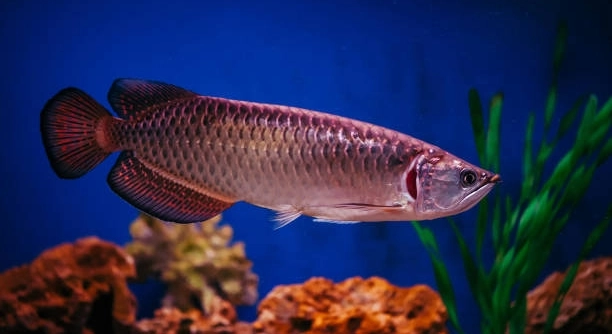
Are your arowanas swimming faster than usual, darting across the tank, or showing signs of restless energy? Hyperactive behavior in these fish can be surprising and sometimes concerning for aquarists, especially when it disrupts the tank’s balance.
Hyperactivity in arowanas is often caused by environmental factors, dietary issues, or stress. Common contributors include poor water quality, insufficient tank size, overfeeding, lack of hiding spots, sudden changes in lighting, incompatible tank mates, and health problems.
Understanding these triggers can help maintain a calm, healthy environment for your arowanas and improve their overall wellbeing and behavior over time.
Poor Water Quality
Arowanas are sensitive to their environment, and poor water quality can quickly lead to hyperactive behavior. High levels of ammonia, nitrites, or nitrates cause stress, making your fish swim frantically or appear restless. Even minor imbalances in pH or temperature can trigger constant movement as they search for comfort. Regular water testing and changes are essential. Filtration systems help maintain a stable environment, while monitoring for cloudy water, unusual odors, or debris ensures the tank stays healthy. Observing your fish daily can reveal early signs of stress caused by water issues. Frequent water changes, typically 20-30% weekly, prevent buildup of harmful chemicals. Avoid overcrowding the tank, as too many fish create competition for oxygen and space, worsening stress. Adding live plants can improve oxygen levels and provide hiding spaces. By maintaining clean, balanced water, arowanas are calmer, healthier, and more likely to exhibit normal, controlled swimming patterns throughout the day.
Poor water conditions directly increase stress, leading to more frequent bursts of hyperactivity.
Even when tanks appear clean, chemical imbalances can exist. Using a reliable water testing kit ensures levels remain safe. Consistent maintenance, including substrate cleaning and filter checks, prevents harmful buildup. Temperature fluctuations also affect metabolism and energy, causing unusual swimming behavior. Monitoring the tank and reacting promptly to changes supports stable behavior and overall health.
Overfeeding
Overfeeding arowanas can lead to hyperactivity and erratic swimming as they attempt to process excess food.
Feeding smaller portions multiple times a day is better than large meals.
Excess food not only stresses the fish but also deteriorates water quality, indirectly affecting behavior. Leftover food decomposes, increasing ammonia and nitrate levels, which cause irritation and agitation. Arowanas may become restless after eating too much, swimming quickly or bumping into tank surfaces. Observing feeding habits helps determine the correct amount per fish, typically based on body size and age. Using feeding tools like tongs or measuring cups prevents accidental overfeeding. Removing uneaten food after a few minutes keeps the tank clean and prevents chemical spikes. A well-balanced diet with variety ensures proper nutrition and energy levels. Controlling feeding routines creates calmer, more predictable behavior while supporting long-term health, reducing unnecessary hyperactivity linked to digestive discomfort and environmental stress.
Insufficient Tank Size
Arowanas need plenty of space to swim. Small tanks restrict movement, causing frustration and hyperactive behavior.
When arowanas are confined to a tank that is too small, they cannot swim freely or establish territories. This lack of space increases stress, leading to constant movement or sudden bursts of activity. Tank decorations or obstacles can worsen the problem if they limit swimming paths. Ideally, an adult arowana requires a tank that is at least 250 gallons, with enough length and width to accommodate its full size. Providing open swimming areas alongside hiding spots helps balance activity levels. Observing behavior in different sections of the tank can indicate whether space is adequate. A spacious tank reduces aggression, allows for natural swimming patterns, and minimizes excessive energy expenditure caused by confinement.
Smaller tanks force arowanas to navigate tight spaces, which can increase collisions and stress, contributing to restless behavior.
Arowanas in restricted environments often display repetitive swimming patterns or frequent surface visits. Stress from confinement may lead to loss of appetite or aggression toward other tank mates. Providing a larger tank improves circulation, oxygenation, and overall comfort. Combining adequate space with proper water quality and enrichment elements supports calmer, healthier behavior. Ensuring each fish has room to grow and move naturally prevents the constant hyperactivity associated with crowded or undersized tanks.
Sudden Changes in Lighting
Bright or inconsistent lighting can startle arowanas, triggering hyperactive responses and rapid swimming.
Rapid shifts between bright and dim conditions disrupt their natural rhythms and make them feel exposed.
Arowanas are sensitive to light intensity and duration. Sudden changes, such as turning on overhead lights abruptly or moving the tank near a window with fluctuating sunlight, can cause stress. Flickering or overly bright lights may lead to frantic swimming, jumping, or hiding attempts. Using dimmable lighting or gradual transitions helps the fish adjust without panic. Consistent day-night cycles simulate natural conditions, supporting calmer behavior. Positioning the tank away from direct sunlight and using floating plants or shaded areas provides visual relief. Proper lighting reduces stress, encourages normal activity patterns, and prevents the hyperactivity linked to perceived threats or sudden environmental changes.
Incompatible Tank Mates
Aggressive or overly active tank mates can trigger hyperactive behavior in arowanas.
Stress from constant interactions or competition for space often leads to frantic swimming and agitation.
Lack of Hiding Spots
Without places to retreat, arowanas feel exposed and unsafe.
Providing driftwood, plants, or rock formations allows them to rest and reduces stress. A secure environment helps minimize unnecessary bursts of activity and promotes calmer swimming patterns.
Health Issues
Illnesses such as parasites, infections, or internal problems can cause sudden hyperactivity.
Changes in swimming, appetite, or appearance may indicate underlying conditions. Prompt observation and treatment from a veterinarian or experienced aquarist are essential. Maintaining optimal water conditions and diet supports overall health and reduces behavior problems linked to disease.
Sudden Temperature Fluctuations
Rapid shifts in water temperature affect metabolism and energy levels.
Consistent, stable temperatures prevent stress-induced hyperactivity and help maintain normal swimming patterns.
FAQ
Why is my arowana swimming so fast all the time?
Arowanas often swim quickly due to stress or environmental triggers. Common factors include poor water quality, small tank size, overfeeding, incompatible tank mates, and sudden changes in lighting or temperature. Ensuring a clean, spacious, and stable tank helps your fish maintain normal activity levels.
Can overfeeding make arowanas hyperactive?
Yes, overfeeding can increase energy and restlessness. Uneaten food decomposes, raising ammonia and nitrate levels, which stresses the fish. Feeding small, measured portions and removing leftovers reduces hyperactivity and keeps the water balanced.
How does tank size affect behavior?
Arowanas require large tanks to swim freely. Restricted space causes frustration, repetitive swimming, or constant bursts of activity. Providing a tank that allows for open swimming and hiding spots reduces stress and encourages calmer movement.
Do water parameters really matter?
Absolutely. Imbalanced pH, high ammonia, nitrites, or nitrates, and temperature fluctuations all cause stress. Regular water testing and maintenance, including partial water changes and filtration checks, prevent hyperactive behavior linked to poor water conditions.
Can lighting influence arowana activity?
Yes, sudden or intense lighting can startle arowanas, causing rapid swimming or frantic behavior. Gradual light changes, consistent day-night cycles, and shaded areas help the fish feel secure and maintain normal activity patterns.
What role do tank mates play?
Incompatible or aggressive tank mates can trigger stress and hyperactivity. Arowanas are territorial, and constant competition or threats from other fish increases restless swimming. Choosing calm, compatible species reduces stress and improves overall behavior.
Are health issues a factor in hyperactivity?
Health problems such as parasites, infections, or internal issues can cause sudden bursts of energy. Observing changes in appetite, appearance, or swimming patterns is crucial. Timely treatment and maintaining proper water and nutrition prevent behavior problems linked to illness.
How often should I change the water?
Regular water changes are essential, usually 20-30% weekly, depending on tank size and fish load. Consistent maintenance keeps chemical levels stable and prevents stress-induced hyperactivity.
Can temperature changes affect my arowana?
Rapid shifts in temperature stress arowanas, increasing energy and erratic swimming. Maintaining stable temperatures suited to the species promotes calm behavior and overall health.
How can I reduce hyperactivity in my arowana?
Focus on tank size, water quality, proper feeding, lighting, temperature, and compatible tank mates. Adding hiding spots, monitoring behavior, and observing for illness all contribute to a calmer, healthier fish. Consistency and routine are key to long-term behavioral stability.
Is stress the main reason for hyperactivity?
Stress is the most common cause. Environmental changes, overcrowding, poor water, and diet issues all trigger stress. Reducing stress through stable conditions, proper care, and attentive observation is the most effective way to manage hyperactive behavior in arowanas.
How can I tell if my arowana is too stressed?
Signs include constant swimming, erratic movements, hiding excessively, reduced appetite, or visible health changes. Addressing environmental factors, adjusting care routines, and ensuring a secure, balanced tank can restore normal behavior.
Are there long-term effects of hyperactivity?
Persistent hyperactivity can lead to fatigue, injury, or reduced immunity. Maintaining optimal tank conditions and monitoring health prevents long-term consequences, ensuring the fish stays active in a healthy, controlled manner.
Can diet improve behavior?
Yes, a balanced diet supports energy regulation. Overfeeding or poor nutrition can cause restlessness, while proper portioning, variety, and high-quality food maintain calm, controlled swimming.
Should I consult a professional if my arowana remains hyperactive?
If hyperactivity persists despite proper care, consulting a veterinarian or experienced aquarist is recommended. They can identify underlying health issues or environmental problems that may not be immediately obvious.
Hyperactive behavior in arowanas can be concerning, but it is usually a sign that something in their environment or care routine needs attention. Many common triggers, such as poor water quality, insufficient tank space, or improper feeding, can be addressed with careful observation and routine maintenance. Monitoring water parameters regularly, performing partial water changes, and keeping the tank clean helps prevent stress and allows the fish to swim comfortably. Arowanas thrive in stable conditions, and even small improvements in water quality or tank setup can lead to calmer, more predictable behavior. Over time, creating a balanced environment will not only reduce hyperactivity but also support the overall health and longevity of your fish.
Diet and feeding routines play a significant role in managing hyperactive behavior. Overfeeding or providing inconsistent meal sizes can lead to sudden bursts of energy or restless swimming. Feeding smaller, measured portions at regular intervals helps regulate metabolism and prevents the water from becoming contaminated with uneaten food. It is also important to choose high-quality food that meets the nutritional needs of arowanas. Variety in the diet, such as including pellets, live foods, or frozen options, ensures the fish remain healthy and engaged without overstimulation. Combined with adequate tank size and hiding spots, a consistent feeding plan can greatly reduce hyperactivity and promote natural swimming patterns. Observing the fish during and after feeding allows you to adjust portions and identify any changes in energy or appetite that may indicate stress or health issues.
Tank setup and environment are equally important for maintaining calm behavior. Arowanas need ample space to move, as well as areas where they feel secure, such as plants, driftwood, or rocks. Sudden changes in lighting, temperature, or the introduction of incompatible tank mates can cause stress, leading to erratic swimming and hyperactivity. Maintaining stable conditions, such as a consistent day-night lighting cycle and a steady water temperature, supports natural rhythms and reduces unnecessary agitation. Observing your arowana’s behavior daily helps identify early signs of stress or discomfort, allowing timely adjustments before problems escalate. By combining proper tank care, consistent feeding, and careful monitoring, you create a supportive environment that encourages calm, healthy, and balanced behavior, ensuring your arowanas remain active yet comfortable in their habitat.

Hello,
If you enjoy the content that we create, please consider saying a "Thank You!" by leaving a tip.
Every little bit helps us continue crafting quality advice that supports the health, happiness, and well-being of pets around the world, for pets of all shapes, sizes, and species.
We really appreciate the kindness and support that you show us!