
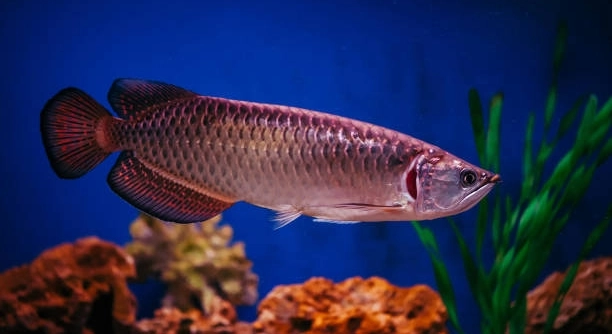
Are your Arowanas settling into their new aquarium with ease, or do they seem unsettled despite careful preparation? Observing a fish adapting to a new environment can be subtle, yet understanding their behavior helps ensure they thrive in their habitat.
Arowanas exhibit enjoyment in a new setup through active swimming, consistent feeding, and exploring decorations or plants. A healthy appetite and calm interactions with tankmates also indicate comfort. Monitoring these behaviors provides reliable insight into the fish’s adaptation to its environment.
Recognizing these signs early will help you create a stable and engaging home for your Arowana, supporting its long-term health and contentment.
Understanding Arowana Behavior in a New Tank
When I first introduced my Arowana to a new setup, I noticed subtle shifts in its swimming patterns. It spent more time gliding along the tank walls, inspecting plants and ornaments. These movements aren’t random; they indicate curiosity and comfort with its surroundings. A fish that repeatedly hides or stays motionless often signals stress. Observing how it reacts to feeding time is another clear indicator. My Arowana eagerly approached the surface during feeding, showing it recognized the tank as safe. Water quality and temperature are also critical. Even minor fluctuations can make a fish hesitant to explore. I ensured the filtration system was working quietly and that the water remained at a stable temperature. Bright lighting was adjusted to mimic natural conditions, which encouraged activity. Over a few days, the fish became more confident, exploring open spaces and interacting with decorations more freely.
Behavioral cues reveal more than instincts; they show adaptation and satisfaction in a new environment.
Paying attention to these details early helps prevent long-term stress and keeps your Arowana healthy and active.
Signs of Enjoyment and Comfort
A confident Arowana will swim steadily, interact with its surroundings, and feed without hesitation.
It is common for new tanks to trigger minor stress responses. My Arowana initially hovered near the corners, avoiding open spaces, and hesitated at feeding. Within a few days, as the environment stabilized, I observed more active swimming and surface exploration. Signs of comfort include curiosity toward decorations, plants, or other tank features. The fish may gently nudge ornaments or follow movements around the tank. Feeding patterns also shift noticeably; an Arowana that eagerly accepts food demonstrates trust in its surroundings. Observing interactions with other fish is equally important. Friendly cohabitation without aggression shows confidence. Water conditions remain crucial; stable pH and temperature support activity and appetite. I noticed that adjusting light gradually helped reduce hiding behaviors. Over time, my Arowana explored all corners of the tank, patrolled the middle spaces, and maintained a healthy, consistent feeding routine. These behaviors confirm the fish has adapted and feels secure, making the new setup a suitable habitat.
Adjusting Decorations and Hiding Spots
Providing a few hiding spots can make Arowanas feel secure in a new tank. My fish immediately explored caves and plants, showing interest and reduced stress behaviors.
Placement of decorations affects movement and comfort. I noticed my Arowana avoided sharp objects and preferred smooth rocks. Driftwood and plants created shaded areas, encouraging natural exploration. Over time, the fish learned safe pathways between decorations. Hiding spots also helped during feeding, as the Arowana would briefly retreat before returning confidently. Adjusting items gradually prevented sudden stress, while maintaining open swimming areas encouraged exercise. Observing these preferences gave me insight into how the fish balances curiosity and safety in its environment.
Interaction with decorations also reveals personality traits. My Arowana often nudged driftwood and circled plants, demonstrating comfort and active engagement. Monitoring these behaviors consistently allows me to tweak the layout, ensuring stimulation without overwhelming the fish. Each adjustment improved confidence, feeding, and exploration, reflecting a healthy adaptation to its new surroundings.
Monitoring Water Quality and Temperature
Maintaining stable water conditions is essential for Arowana wellbeing. My fish’s behavior improved as the tank temperature and filtration stabilized.
Fluctuations in temperature or pH directly affect activity and feeding. Early on, my Arowana stayed near the surface, avoiding certain areas. I monitored water chemistry daily, adjusted the heater gradually, and tested for ammonia and nitrate levels. Stabilizing these parameters reduced stress indicators, such as rapid gill movement and erratic swimming. Clean, oxygenated water also encouraged regular feeding and exploration. Over weeks, my fish became more active and interacted confidently with its environment. Proper maintenance reinforced its trust in the setup.
Regular water changes and monitoring are key. I created a simple routine, checking temperature twice daily and performing partial water changes weekly. Observation of behavioral cues guided adjustments, ensuring consistent conditions. My Arowana began exploring the full tank, swimming freely without hesitation. Maintaining clear, stable water prevented illness and stress, supporting appetite and energy levels. Gradually, I saw the fish confidently interact with decorations, glide near tank mates, and maintain calm, consistent movements. This approach demonstrated that careful environmental management directly impacts an Arowana’s enjoyment and adaptation in a new setup.
Feeding Habits and Appetite
A consistent appetite is a clear sign of comfort. My Arowana immediately ate more steadily once the tank felt familiar.
Observing feeding routines helps gauge adaptation. Hesitation or refusal may indicate stress or water issues. My fish gradually began accepting food at the same spot, showing trust in the environment.
Swimming Patterns and Exploration
Active swimming and smooth movement demonstrate enjoyment. My Arowana began exploring open areas and weaving between decorations, signaling confidence and comfort. Its curiosity about plants and driftwood increased, showing it felt safe to investigate. Tracking daily movements confirmed that stable conditions encouraged engagement with the environment and healthy exercise.
Interaction with Tank Mates
Peaceful cohabitation reflects adaptation. My Arowana remained calm around other fish, avoiding aggression and showing balanced social behavior.
FAQ
How can I tell if my Arowana is stressed in a new setup?
Stress in Arowanas is often visible through behavior changes. My fish initially hid behind decorations and avoided open spaces. Rapid gill movement, erratic swimming, and refusal to eat are also signs. Monitoring these cues helped me adjust water conditions, hiding spots, and lighting to reduce stress.
What behaviors indicate that my Arowana enjoys its new tank?
Active swimming, steady feeding, and exploration of decorations are clear indicators. My Arowana frequently circled the tank, inspected plants, and nudged driftwood without hesitation. Calm interactions with other fish and consistent appetite also confirmed comfort and adaptation over time.
How important is tank size for a new Arowana setup?
Tank size directly affects comfort and activity. Arowanas need space to swim freely. My 125-gallon tank allowed for open areas while including hiding spots, which encouraged natural behaviors. A cramped tank can lead to stress, reduced movement, and aggression, so ensuring sufficient space is essential.
How long does it take for an Arowana to adjust?
Adjustment varies by individual. My fish took about two weeks to explore the entire tank confidently and feed without hesitation. Gradual changes, stable water conditions, and proper placement of decorations speed up adaptation. Consistent observation ensures any stress or health issues are noticed early.
Does water quality affect my Arowana’s comfort?
Absolutely. I noticed hesitation and reduced activity when ammonia or nitrate levels rose slightly. Maintaining stable pH, temperature, and clean water directly influenced swimming, feeding, and interactions. Regular testing and partial water changes kept my Arowana active and confident in the new environment.
Should I rearrange the tank decorations for better adjustment?
Gradual rearrangements can help. My Arowana responded well when I moved driftwood and plants slowly, creating new pathways without causing stress. Sudden changes made the fish cautious, but small adjustments encouraged exploration and engagement, enhancing enjoyment of the tank.
How do I know if my Arowana likes its hiding spots?
Usage frequency is the best indicator. My fish often retreated briefly to caves or shaded areas before returning to swim. If a hiding spot is ignored, it might feel unsafe or uncomfortable. Observing which areas are preferred helps optimize placement for security and exploration.
Can Arowanas interact with other fish in a new setup?
Yes, with caution. My Arowana remained calm around peaceful tank mates once it adjusted. Aggressive or overly active fish can trigger stress, so monitoring initial interactions is key. Gradual introductions and sufficient space prevent conflicts and help the Arowana feel secure.
How do feeding patterns reflect comfort?
A confident Arowana approaches food promptly and consistently. My fish initially hesitated but quickly learned to feed in the same spot, signaling trust. Irregular appetite may indicate stress, illness, or water issues. Observing feeding behavior daily provided insights into comfort and overall health.
What signs show that the tank environment is ideal?
Balanced activity, steady feeding, and calm interactions signal a suitable environment. My Arowana swam confidently, explored open and shaded areas, and maintained a healthy appetite. Regular observation, water testing, and minor adjustments ensured the tank remained comfortable, allowing my fish to thrive.
How often should I observe my Arowana during the adjustment period?
Daily observation is important, especially in the first few weeks. I monitored swimming, feeding, and interactions each day, noting any stress indicators. Regular attention allows timely adjustments to water, temperature, or layout, ensuring the Arowana adapts smoothly and enjoys its new habitat.
Can lighting affect Arowana behavior?
Yes. My fish reacted to overly bright lighting by hiding more frequently. Adjusting light intensity and providing shaded areas improved exploration and feeding behavior. Consistent light schedules support natural rhythms and reduce stress, helping the Arowana feel secure and confident.
What should I do if my Arowana seems unhappy despite adjustments?
Check water quality, tank size, temperature, and hiding spots. My adjustments involved minor layout changes and steady water monitoring, which improved behavior. If issues persist, consulting an aquatic specialist or veterinarian ensures the fish’s health and comfort are maintained.
Final Thoughts
Creating a comfortable and enjoyable environment for an Arowana requires careful observation and attention to detail. Every fish has its own personality, and behaviors can vary widely. My experience showed that small adjustments in tank setup, decorations, and water conditions made a noticeable difference in how the fish adapted. By providing hiding spots, smooth decorations, and open swimming areas, the Arowana felt secure while still being able to explore. Watching it investigate new elements and move confidently around the tank was a clear sign that it was settling in well. Even minor details like the placement of driftwood or plants affected how freely the fish moved and how often it engaged with its surroundings. Stability in water temperature, pH, and cleanliness also played a significant role in promoting comfort. I found that maintaining consistent routines helped the Arowana feel secure and confident in its new environment, reducing stress and encouraging natural behaviors over time.
Observing daily habits is crucial when assessing comfort and enjoyment. Feeding patterns, swimming behavior, and interaction with tank mates all provide insight into how the fish is adjusting. My Arowana initially hesitated during feeding and often stayed near hiding spots, which indicated a need for reassurance in the environment. Gradually, as conditions stabilized, it began exploring more freely, accepting food quickly, and interacting calmly with other fish. These subtle changes were important signals of adaptation and well-being. Attention to detail, including monitoring water quality, lighting, and the layout of decorations, allowed me to create a setup that supported healthy, confident behavior. Adjusting slowly and observing carefully ensured that each change encouraged positive reactions rather than stress. Over time, the fish developed predictable routines, and its curiosity and active exploration became more pronounced. Consistency in care and patience during the adjustment phase were key factors in helping my Arowana feel safe and comfortable.
The enjoyment of a new tank is reflected in the fish’s overall behavior and health. A confident Arowana will move freely, interact with its environment, and display a strong appetite. My experience emphasized that a combination of stable conditions, thoughtful layout, and consistent monitoring leads to visible improvements in comfort and activity. Encouraging natural behaviors while maintaining a safe and clean environment is essential for long-term well-being. Every observation, from swimming patterns to reactions to decorations, offered insights into how the fish felt in its habitat. By paying attention to these cues and making gradual adjustments, I was able to support my Arowana’s adaptation and create an environment where it could thrive. Over time, the fish not only grew more confident but also showed signs of engagement and enjoyment, which is the ultimate goal when introducing any Arowana to a new setup. Consistent care, patience, and observation form the foundation for a healthy, content, and active aquatic companion.

Hello,
If you enjoy the content that we create, please consider saying a "Thank You!" by leaving a tip.
Every little bit helps us continue crafting quality advice that supports the health, happiness, and well-being of pets around the world, for pets of all shapes, sizes, and species.
We really appreciate the kindness and support that you show us!