
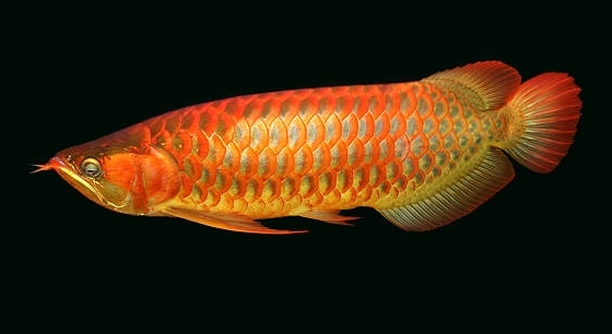
Arowanas are fascinating fish that often capture attention in home aquariums. Their sleek bodies and graceful movements make them a favorite for enthusiasts. Many owners are surprised by the variety of objects these fish may interact with.
Arowanas may engage with unexpected items in their environment, including floating plants, aquarium decorations, feeding tools, substrate surfaces, water currents, reflections, and other tank inhabitants. These interactions can influence their behavior, feeding patterns, and overall well-being.
Observing how arowanas interact with these objects can reveal important insights into their natural instincts and environmental needs, helping ensure a healthier and more stimulating habitat.
Floating Plants
Floating plants can capture arowanas’ attention in surprising ways. These fish often swim near the surface, inspecting leaves and roots. The gentle movement of plants can encourage arowanas to explore, creating natural enrichment in their tank. Some arowanas even nibble at plant roots or push leaves aside while swimming. Their interest is not harmful if the plants are safe for aquariums, and it can provide mild stimulation. Watching how arowana interacts with floating plants offers insight into its curiosity and natural behaviors. However, owners should ensure plants do not obstruct filtration or create stagnant areas in the tank. Choosing hardy plants like water lettuce or duckweed can provide continuous movement and interest. Placement of floating plants should allow free swimming and avoid overcrowding. Over time, observing these interactions can help gauge the arowana’s comfort in its environment and highlight any behavioral changes due to stress or boredom. A balance of open water and floating greenery is ideal for arowanas.
These plants offer gentle movement that arowanas enjoy exploring. They help fish stay active and mentally engaged.
Adding floating plants creates both visual appeal and functional enrichment. They help reduce light glare, provide cover, and encourage natural swimming patterns. Observing interactions allows owners to adjust plant density and placement to suit individual fish behavior. Over time, floating plants can become a key part of arowana care.
Aquarium Decorations
Arowanas may approach rocks, driftwood, or ceramic ornaments, often nudging or circling them. These items provide visual and tactile stimulation that can prevent boredom. Decor should be smooth and secure to avoid injuries.
Decorations serve multiple purposes. They break line of sight, provide resting zones, and stimulate natural instincts. Arowanas may use these objects to explore territory or practice hunting-like movements.
Decor choices affect both safety and engagement. Sharp edges or unstable items can harm the fish, so rounded surfaces and solid anchoring are essential. Placing decor strategically allows free swimming while encouraging interaction. Driftwood releases tannins, subtly altering water chemistry, which may appeal to the arowana’s senses. Rocks and ceramic ornaments mimic natural habitats and can serve as focal points, encouraging fish to investigate and patrol their territory. Over time, these interactions can reduce stress and support mental stimulation. Observing preferences in decor may help identify personality traits, such as cautious or bold behaviors. Carefully selecting and arranging decorations balances aesthetics with practical enrichment, ensuring the tank environment meets both physical and behavioral needs. Properly curated, decorations become more than ornamentation—they foster activity and a sense of security for the arowana.
Feeding Tools
Arowanas often investigate feeding tools like nets, tongs, or floating feeders. They may follow movement closely or try to catch food mid-air. Interaction with these tools can influence feeding habits and indicate responsiveness to care routines.
Regular use of feeding tools encourages active engagement. Arowanas track the motion of tongs or nets, often snapping at food with precision. This interaction stimulates hunting instincts and helps maintain alertness. Some fish may even associate certain tools with feeding times, showing excitement when they appear. Using floating feeders or controlled feeding devices can promote slower consumption and prevent overeating, while giving owners better control over portion sizes. Observing reactions to different tools can also reveal preferences for certain food types or feeding styles, allowing tailored feeding routines that support both nutrition and enrichment. Consistent exposure builds familiarity, reducing stress during feeding and encouraging natural behaviors in a controlled environment.
Feeding tools also provide subtle enrichment beyond mere nutrition. They encourage movement, sharpen reflexes, and maintain engagement in the tank environment.
Reflections
Arowanas are known to respond to reflections on tank walls or glass. They may approach, circle, or display aggressive gestures, often mistaking the reflection for another fish.
Reflections trigger behavioral responses that resemble territorial or social interactions. Fish may repeatedly investigate mirrored surfaces, testing boundaries or practicing displays. This can help release energy but may also stress the fish if excessive. Tank placement and lighting affect reflection intensity, so managing these factors is important. Arowanas tend to be highly visual, and reflections can provoke curiosity, aggression, or playful behavior. Monitoring how the fish reacts allows owners to adjust environment or reduce reflective surfaces. Proper management prevents unnecessary stress while providing safe stimulation.
Reflections can also serve as training cues. Arowanas may become accustomed to seeing themselves and display controlled movements, which can support confidence and interaction with their environment. They may follow their reflection as if it were a companion or rival, reinforcing swimming patterns and alertness. Controlled exposure helps balance mental stimulation with calm periods. Over time, this interaction can strengthen observational skills and provide mild exercise, contributing to overall health and engagement in a well-maintained tank setting.
Substrate Surfaces
Arowanas sometimes explore the bottom of the tank, nudging gravel, sand, or smooth stones. This behavior helps them investigate their surroundings and may reveal their curiosity about textures and movement of objects on the substrate.
Different substrates provide varied stimulation. Gravel, sand, or smooth stones can influence swimming patterns and comfort, supporting natural behavior.
Water Currents
Strong or gentle currents can attract arowanas, prompting them to swim actively or hover in place. Currents mimic river environments and offer physical exercise.
Water flow affects fish behavior, feeding efficiency, and stress levels. Adjusting current intensity ensures a balance between stimulation and comfort.
Other Tank Inhabitants
Arowanas interact with other fish, snails, or shrimp in their environment. These interactions range from curiosity to territorial displays, depending on species and individual temperament.
FAQ
What items are safe for arowanas to interact with?
Safe items include smooth aquarium decorations, floating plants, and feeding tools designed for fish. Driftwood and certain rocks are also suitable if they are free of sharp edges. Avoid materials that can leach harmful chemicals or break easily. Monitoring interactions ensures safety and prevents injury.
Why do arowanas interact with reflections?
Arowanas are highly visual and often mistake reflections for other fish. This can trigger territorial or social behaviors, including circling or snapping at the mirrored surface. Controlled exposure to reflections can provide mild mental stimulation without causing excessive stress.
Can floating plants affect arowana behavior?
Yes. Floating plants create gentle water movement and provide visual interest. They encourage exploration, mild foraging, and can reduce light glare in the tank. Hardy species like water lettuce or duckweed are ideal because they withstand interaction without frequent replacement.
Do arowanas play with decorations?
Yes. Smooth ornaments, rocks, and driftwood can attract arowanas’ attention. They may circle, nudge, or swim under and around objects. This interaction simulates natural habitat conditions, promotes mental stimulation, and can reduce boredom when decorations are safely arranged.
How do feeding tools influence their activity?
Feeding tools such as tongs, nets, or floating feeders encourage hunting-like movements. Arowanas follow motion closely, snapping at food, which maintains alertness and provides controlled feeding. Using these tools can help prevent overeating and build positive feeding associations.
Are water currents beneficial for arowanas?
Yes. Currents mimic river environments, promoting exercise and natural swimming patterns. Adjusting current intensity ensures the fish is challenged but not stressed. Gentle currents encourage hovering and exploration, while stronger flows support muscle activity and energy release.
Do substrate types matter for arowana interaction?
Substrates like gravel, sand, or smooth stones influence exploration and comfort. Arowanas may nudge or swim along the bottom to investigate textures. Proper substrate choice enhances environmental enrichment and supports natural behaviors without causing injury.
How do arowanas react to other tank inhabitants?
Interactions vary by species and temperament. Some arowanas are curious, observing or following smaller fish, shrimp, or snails. Others may show territorial or aggressive displays. Careful monitoring and compatible tank mates are essential to prevent stress or injury.
Can excessive interaction with reflections or objects stress arowanas?
Yes. Constant attention to reflections or over-stimulating environments may lead to stress, fin damage, or reduced feeding. Balancing enrichment with calm areas helps maintain mental and physical health, allowing arowanas to remain active without anxiety.
How can owners provide safe enrichment for arowanas?
Use a combination of floating plants, smooth decorations, proper substrates, moderate currents, and controlled feeding tools. Regular observation helps tailor the environment to the fish’s behavior, promoting engagement and well-being while minimizing risks. Adjusting items and tank layout over time maintains novelty.
Do arowanas remember objects or tools?
Yes. Arowanas can learn to associate tools or objects with feeding times or exploration opportunities. Familiar items reduce stress and improve feeding efficiency, while varied stimuli encourage mental engagement and natural behaviors in a controlled setting.
How often should the tank setup be adjusted?
Occasional adjustments maintain interest and enrichment. Moving decorations, altering plant placement, or changing substrate patterns provides novelty without causing sudden stress. Observing reactions ensures changes support comfort, curiosity, and healthy activity levels consistently over time.
Can enrichment improve arowana health?
Proper enrichment reduces boredom, promotes exercise, and encourages natural behaviors. It helps prevent lethargy and stress-related issues, supporting overall growth, immunity, and long-term well-being in captive environments.
Are there signs of overstimulation from tank objects?
Signs include constant chasing of reflections, repeated striking at objects, or aggression toward tank mates. Overstimulation may lead to physical damage or stress-related behaviors. Reducing stimuli and providing calm areas restores balance.
What should I do if my arowana ignores objects?
Some arowanas are naturally cautious or slow to explore. Introducing new items gradually or changing tank layout subtly can spark curiosity. Ensuring comfort, water quality, and adequate space also encourages interaction.
How do environmental factors influence object interaction?
Lighting, water clarity, and current intensity all affect how arowanas perceive and engage with objects. Bright reflections or strong currents may increase attention or stress. Balanced conditions support natural exploration while maintaining comfort.
Is it normal for arowanas to nibble on plants or decorations?
Yes, gentle nibbling is part of exploration. Monitor for damage to both fish and items. Using hardy plants or smooth, solid decorations prevents harm and maintains safe engagement.
Can observing interactions help with behavior understanding?
Absolutely. Watching how arowana approaches different objects or tank mates reveals temperament, activity levels, and preferences. This insight guides tank management, enrichment planning, and overall care decisions.
Do all arowanas interact the same way?
No. Individual personality, size, and prior experiences affect engagement. Some may be bold and curious, while others are cautious. Understanding these differences allows tailored enrichment and ensures safety and well-being for each fish.
How important is tank size for interaction?
Tank size directly influences movement and exploration opportunities. Arowanas need space to swim freely around objects, plants, and currents. Adequate room reduces stress, supports natural behavior, and allows meaningful interaction with enrichment items.
Can enrichment reduce aggression in multi-fish tanks?
Yes. Providing objects, floating plants, and controlled feeding tools can distract arowanas and create visual barriers. This helps reduce territorial disputes and allows cohabitation with compatible species when properly managed.
What is the best way to introduce new items to the tank?
Introduce one item at a time, monitoring reactions closely. Gradual exposure prevents stress and allows the fish to adjust, promoting curiosity without overwhelming the environment. Repeating this process with different objects ensures balanced enrichment over time.
How do reflections differ from real tank mates?
Reflections trigger social or territorial behaviors but do not provide interaction or feedback. Real tank mates allow dynamic responses, movement, and hierarchy formation, which reflections cannot replicate. Controlled reflection exposure is purely for stimulation, not social development.
Can enrichment affect feeding behavior?
Yes. Interactive feeding tools, floating plants, and controlled currents encourage natural hunting and foraging. This improves engagement, portion control, and activity, supporting physical health and mental stimulation simultaneously.
Are there risks in providing too many objects?
Overcrowding the tank may stress arowanas, limit swimming space, and increase aggression. Balancing enrichment with open areas ensures safety, freedom of movement, and proper exercise.
How do arowanas signal contentment with their environment?
Calm swimming, regular feeding, and gentle exploration indicate comfort. They interact naturally with plants, decorations, and mild currents. Relaxed behavior and curiosity are signs that enrichment and tank conditions are appropriate.
How can owners measure enrichment effectiveness?
Observe activity levels, interaction frequency, and engagement with plants, tools, and decor. Arowanas that explore, feed actively, and maintain healthy routines reflect successful enrichment strategies. Adjusting based on behavior ensures continued stimulation and well-being.
Do arowanas need variety in enrichment?
Yes. Rotating decorations, adjusting currents, and introducing new objects gradually maintain mental engagement. Variety prevents boredom and encourages natural exploration without overwhelming the fish.
How important is observation in enrichment management?
Observation is key. Monitoring reactions, activity levels, and behavior patterns guides safe adjustments, identifies stress signs, and ensures enrichment supports health, mental stimulation, and natural instincts.
Can enrichment replace other forms of care?
No. Enrichment complements proper diet, water quality, tank maintenance, and health monitoring. A balanced approach ensures physical, mental, and behavioral well-being for arowanas, rather than relying solely on interaction with objects.
How long should enrichment items remain in the tank?
Items can remain for weeks or months but may be rotated periodically. Gradual changes maintain interest while preventing over-familiarity, keeping engagement consistent.
Does enrichment benefit all types of arowanas?
Yes. Silver, golden, and other arowana species all benefit from safe interaction with plants, decor, feeding tools, and controlled currents. Adjustments should reflect individual temperament and tank size.
Can enrichment prevent boredom-related health issues?
Properly designed environments reduce inactivity, stress, and aggression, which can lead to illness. Engaging items and varied stimuli promote both mental and physical health, supporting longevity and overall quality of life.
What are the signs of successful enrichment?
Active swimming, investigation of objects, responsive feeding, and calm interaction with reflections or tank mates indicate successful enrichment. Observing these behaviors helps maintain a well-balanced and engaging environment.
How often should enrichment strategies be reviewed?
Reviewing every few weeks ensures items remain safe, interesting, and effective. Adjustments based on behavior and growth maintain consistent engagement and support overall well-being.
Can enrichment help new arowanas adjust to a tank?
Yes. Safe objects, gentle currents, and controlled feeding tools encourage exploration and reduce stress for newly introduced fish. Gradual exposure helps them adapt to their environment while promoting natural behaviors.
How does tank layout influence interaction?
Strategic placement of decor, plants, and feeding tools encourages natural swimming patterns, exploration, and engagement. Adequate open space ensures movement while enriching areas provide stimulation without causing stress.
Can enrichment improve long-term behavior?
Consistent interaction with safe objects, varied substrates, and feeding tools encourages natural instincts, reduces aggression, and supports healthy activity patterns. Over time, enrichment fosters confidence, curiosity, and overall well-being.
Does tank lighting affect enrichment responses?
Lighting intensity and angle influence reflections, plant movement, and visibility of decorations. Balanced lighting ensures objects are visible without causing stress, allowing positive interactions and exploration.
How do owners balance stimulation and calm areas?
Providing both open swimming space and enriched zones allows arowanas to choose activity or rest. This balance supports mental health, reduces stress, and encourages voluntary engagement with tank features.
Can enrichment adapt to changing tank conditions?
Yes. Adjustments for growth, new tank mates, or seasonal changes in lighting or water flow help maintain meaningful engagement and prevent boredom, while ensuring safety and comfort for the arowana.
Do arowanas benefit from observing each other?
In tanks with compatible species, watching movements, interactions, and territorial displays adds visual stimulation. Observing conspecifics or other species can supplement enrichment while promoting alertness and natural behaviors.
Are there items arowanas consistently ignore?
Some objects, particularly those without movement, texture, or color contrast, may be ignored. Introducing novelty, motion, or food association increases the likelihood of interaction and prevents wasted space in the tank.
How do feeding schedules influence object interaction?
Regular feeding routines help arowanas associate tools or objects with food, encouraging activity and focus. Irregular schedules may reduce engagement and disrupt interest in enrichment items.
Can enrichment reduce stress during tank maintenance?
Familiar objects, safe hiding spots, and controlled interaction with feeding tools help arowanas feel secure. Maintaining enrichment during brief maintenance activities minimizes stress and supports calm behavior.
How do arowanas indicate discomfort with certain items?
Signs include avoidance, rapid swimming away, aggressive strikes, or hiding excessively. Monitoring behavior ensures items are removed or adjusted to maintain a safe, engaging environment.
Can enrichment support learning in arowanas?
Yes. Repeated exposure to tools, reflections, and controlled obstacles allows fish to recognize patterns, develop preferences, and anticipate feeding events, promoting mental stimulation and cognitive engagement.
Do older arowanas interact differently than younger ones?
Age can affect curiosity and activity. Younger fish may explore more actively, while older arowanas may engage selectively. Tailoring enrichment to life stage ensures appropriate stimulation and physical support.
Is enrichment necessary for single arowanas?
Yes. Solitary fish benefit from safe objects, plants, and controlled currents to maintain activity and mental engagement, compensating for lack of interaction with other fish.
How should enrichment be cleaned or maintained?
Regular cleaning of decorations, plants, and tools prevents algae buildup and bacterial growth. Safe, gentle methods maintain hygiene without removing features that provide stimulation.
Do arowanas ever use enrichment for resting?
Yes. They may hover near plants, under decorations, or along substrate areas for comfort. Enrichment can offer both stimulation and shelter, supporting natural rest behaviors.
Can enrichment influence social hierarchy?
Objects and plant coverage can reduce direct competition by providing visual barriers and multiple activity zones. This helps minimize aggression and supports more peaceful cohabitation.
How long do arowanas typically interact with a new item?
Initial curiosity often lasts minutes to hours, with repeated short interactions over days. Rotating or adding new objects maintains interest and encourages exploration over time.
Can enrichment prevent destructive behavior?
Properly chosen items reduce boredom-driven behaviors like tail biting, fin nipping, or aggression. Providing safe stimulation outlets supports mental and physical health.
Does enrichment affect breeding behavior?
In species where breeding occurs in captivity, objects and plant coverage can create territorial or hiding zones. These features encourage natural behaviors and reduce stress during reproductive periods.
Are there seasonal effects on interaction?
Seasonal changes in lighting, temperature, or water flow may affect activity levels. Adjusting enrichment in line with these changes ensures consistent engagement without overstimulation or stress.
How can owners track enrichment success?
Keeping notes on interaction frequency, behavioral changes, and feeding response helps evaluate effectiveness. Observing trends over time informs adjustments and maintains a stimulating, safe environment.
Can enrichment influence lifespan?
Indirectly, yes. Active, mentally engaged arowanas are less prone to stress, obesity, or disease. Providing balanced stimulation contributes to overall health and longevity.
Is it normal for arowanas to ignore some enrichment sometimes?
Yes. Individual mood, hunger, or stress may temporarily reduce engagement. Observing long-term patterns ensures items continue to provide value without causing concern.
How often should reflections or mirrored surfaces be used?
Moderate exposure is sufficient. Excessive reflection may increase stress or aggression, so balancing reflective surfaces with open swimming areas is important for comfort and natural behavior.
Do arowanas enjoy interacting with water currents more than static objects?
Many respond actively to currents because they mimic river conditions. Currents provide exercise, exploration, and sensory stimulation that static objects alone may not offer.
Can enrichment be used to teach feeding cues?
Yes. Associating tongs, nets, or floating feeders with feeding times helps fish recognize signals, improving feeding efficiency and encouraging alert, active behavior.
What role do sensory cues play in enrichment?
Visual, tactile, and motion cues stimulate curiosity and natural behavior. Items with color, movement, or texture increase engagement compared to plain, static objects, providing mental and physical stimulation simultaneously.
Are some arowanas more responsive to enrichment than others?
Individual personality, age, and prior experience affect responsiveness. Observing preferences helps tailor enrichment to maintain consistent engagement and comfort in the tank environment.
Can enrichment prevent tank aggression during feeding?
Yes. Multiple feeding tools, floating platforms, or decor can create visual separation and slow consumption. This reduces competition and promotes calmer, more controlled feeding sessions.
How important is variety in enrichment items?
Variety maintains curiosity and prevents habituation. Rotating plants, decorations, feeding tools, and current intensity ensures sustained engagement, supporting both mental and physical stimulation over time.
Does enrichment affect water quality?
Indirectly. Live plants, driftwood, and certain substrates can influence water chemistry. Proper monitoring ensures these items provide enrichment without compromising water quality or fish health.
Can enrichment influence activity patterns?
Yes. Objects, currents, and plants encourage exploration, exercise, and natural swimming patterns, contributing to consistent daily activity and reducing sedentary behavior.
Do arowanas use enrichment differently when alone versus with other fish?
Yes. Alone, interaction is often exploratory or hunting-like. With others, enrichment may serve as a visual barrier, resting spot, or mild competition focus, influencing social dynamics and behavior.
How do you know when enrichment needs updating?
Declining interaction, boredom behaviors, or overfamiliarity indicate it’s time to rotate or introduce new items. Observing fish response ensures stimulation remains effective without stress.
Can enrichment improve feeding response?
Yes. Associating tools, currents, and plant areas with food encourages alertness, active pursuit, and efficient consumption, supporting health and engagement in the tank.
How can enrichment help identify behavioral changes?
Monitoring interactions reveals changes in curiosity, aggression, or lethargy. Early detection allows timely adjustments in care, tank setup, or health management to maintain well-being.
Are live plants better than artificial plants for enrichment?
Live plants provide movement, subtle water chemistry benefits, and natural textures, while artificial plants remain visually stimulating and low-maintenance. Both types can be used effectively, depending on tank conditions and fish behavior.
Do arowanas prefer moving items over static ones?
Many respond more to moving or dynamic stimuli, such as currents, floating plants, or feeding tools, as these mimic natural conditions and encourage active engagement.
Can enrichment help reduce aggressive tendencies in arowanas?
Yes. Objects, plants, and varied feeding tools can distract fish, create visual barriers, and provide multiple activity zones, reducing aggression and territorial disputes in the tank.
Does tank size influence enrichment effectiveness?
Larger tanks allow more interaction, exploration, and exercise. Adequate space ensures enrichment items are used naturally without overcrowding or stress.
Can enrichment prevent boredom in single-species tanks?
Yes. Floating plants, feeding tools, decor, and water currents provide mental and physical stimulation, keeping solitary fish active and engaged without relying on other tank mates.
How do you balance enrichment with tank aesthetics?
Choose visually appealing, safe items that encourage interaction while maintaining swimming space. Proper arrangement ensures the tank remains functional, attractive, and stimulating for the fish.
Can enrichment be used to monitor health indirectly?
Yes. Changes in interaction, curiosity, or activity levels can signal illness, stress, or discomfort, helping owners respond promptly to maintain well-being.
How long does it take for arowanas to engage with new enrichment?
Initial interest may appear within minutes to hours. Continued engagement over days indicates the item is effective, with occasional rotation maintaining novelty and stimulation.
Can enrichment support natural predatory behaviors?
Feeding tools, floating prey-like items, and currents simulate hunting conditions. These promote reflexes, alertness, and mental engagement, supporting instinctual activity in a controlled environment.
Do arowanas need both visual and tactile enrichment?
Yes. Visual stimuli like reflections or plant movement complement tactile exploration of substrate and decor. Combining both types ensures balanced mental and physical activity, supporting overall well-being.
How should enrichment be adapted for growing arowanas?
L
Final Thoughts
Arowanas are fascinating fish that respond to a variety of stimuli in their environment. Their interactions with objects, reflections, plants, currents, and other tank inhabitants reveal a lot about their natural instincts and behavioral patterns. Observing these behaviors can help owners understand their fish better and provide a more suitable environment. Each fish is different, so paying attention to individual preferences and reactions is key. Some arowanas may explore floating plants more actively, while others may show interest in substrate surfaces or decorations. The way they engage with these items can indicate comfort, curiosity, and overall well-being. Over time, patterns of interaction may emerge, showing which types of enrichment are most beneficial. This knowledge allows for more thoughtful tank management and ensures the fish remains mentally and physically stimulated without undue stress or harm.
Providing a balanced environment for arowanas involves combining multiple forms of enrichment. Floating plants, smooth decorations, and substrate surfaces provide visual and tactile stimulation. Controlled water currents encourage exercise and natural swimming patterns. Feeding tools can support hunting instincts and promote alertness during mealtimes. Reflections and other tank inhabitants also contribute to engagement, helping the fish remain active and attentive. However, it is important to monitor interactions carefully. Excessive attention to reflections or overcrowded decorations can cause stress or injury. Adjusting tank layout, object placement, and current intensity allows the fish to engage in a healthy way. The goal is to create an environment that encourages natural behaviors while providing enough open space for free swimming. By observing the fish’s reactions to different items and arrangements, owners can make informed adjustments that support long-term health and behavioral balance.
Maintaining consistent enrichment over time is essential for arowanas’ overall well-being. Rotating objects, introducing new plants, or adjusting water flow keeps the environment engaging without overwhelming the fish. Regular observation of activity levels, interaction patterns, and feeding responses helps identify changes in behavior that could signal stress or discomfort. Enrichment is not just about entertainment; it directly impacts physical fitness, mental stimulation, and social behavior. A well-planned tank setup can reduce aggression, encourage exploration, and support natural instincts. Even solitary arowanas benefit from safe and varied items, while multi-fish tanks require careful consideration of compatibility and space. Ultimately, providing thoughtful and monitored enrichment ensures that arowanas remain healthy, active, and content in their environment. By combining attention to safety, stimulation, and individual preferences, owners can create a habitat that promotes both long-term health and natural behavioral expression, leading to a more rewarding experience for both fish and caretaker.

Hello,
If you enjoy the content that we create, please consider saying a "Thank You!" by leaving a tip.
Every little bit helps us continue crafting quality advice that supports the health, happiness, and well-being of pets around the world, for pets of all shapes, sizes, and species.
We really appreciate the kindness and support that you show us!