
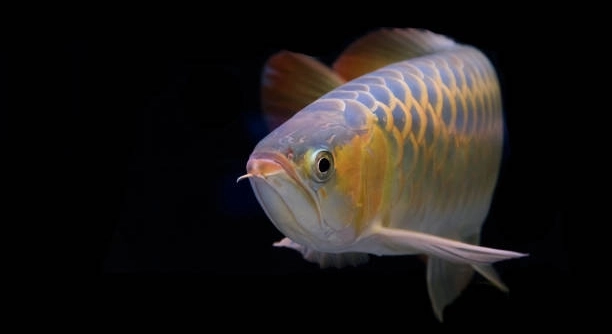
Arowanas are beautiful and graceful fish that many people enjoy keeping in home aquariums. Their shimmering scales and elegant movements make them fascinating to watch every day in your tank.
Touching your arowana is not recommended. These fish have delicate scales and sensitive slime coats that protect them from infections. Physical contact can stress them, cause injury, and compromise their immune system, making handling dangerous for their health.
Learning proper care and observation techniques will help ensure your arowana thrives in its environment without unnecessary risk or stress.
Why Arowanas Shouldn’t Be Touched
Arowanas are sensitive fish, and their scales and skin are more delicate than most people realize. Handling them can easily remove the protective slime coating that shields them from bacteria and infections. Even a gentle touch can cause stress, leading to erratic swimming, loss of appetite, or long-term health issues. Stress weakens their immune system, making them more vulnerable to disease. Many people don’t realize that what seems harmless to us can feel threatening to a fish. Even experienced keepers avoid direct contact whenever possible, instead using nets or tools designed for aquariums. It’s also important to maintain clean water and a stable environment, as stress from handling can compound other issues. Observing their behavior, feeding habits, and tank conditions is safer and helps you notice health problems early. Keeping interaction visual rather than physical is the best way to maintain a healthy, thriving arowana.
Stress and infections are the main reasons touching arowanas is harmful.
Watching your arowana from a distance allows you to see its natural movements and personality without causing harm. Observing water quality, feeding behavior, and social interactions ensures it remains healthy. Small actions, like avoiding tapping on the tank or sudden movements, reduce stress, while maintaining proper tank conditions supports long-term wellness.
Alternatives to Handling
Using tools like soft nets or fish traps is safer than touching your arowana.
If you need to move or inspect your arowana, nets or containers designed for aquarium use minimize risk. Water changes and tank cleaning can be done without physical contact. These methods protect both the fish and yourself. Avoiding unnecessary handling prevents injury and reduces stress levels, keeping your arowana healthier and calmer.
Providing a comfortable, stable environment is the best way to ensure your arowana thrives. Regular tank maintenance, including proper filtration, temperature control, and water quality monitoring, reduces the need for handling. Feeding a balanced diet supports growth and strengthens immunity. Observing your fish regularly allows early detection of illness or behavioral changes. If relocation is necessary, always use soft nets and avoid squeezing or sudden movements. Keeping tank companions compatible and minimizing disruptions helps maintain a peaceful habitat. By focusing on these preventative measures, you protect your arowana from avoidable stress and injuries. Learning the proper techniques for care ensures a long, healthy life for your fish while keeping your interaction safe and respectful.
Common Health Issues from Handling
Physical contact can lead to bacterial or fungal infections in arowanas. Stress from handling may weaken their immune system, making them more prone to illness. Even brief exposure to dirty hands or rough surfaces can damage scales or fins.
Injuries from touching an arowana often appear as torn fins, scratched scales, or lesions. These injuries may not seem serious at first but can allow bacteria and fungi to enter, leading to infections that are harder to treat. Stress from handling also affects appetite and behavior, causing the fish to swim erratically or hide more often. Over time, repeated stress or minor injuries can result in long-term health issues, reducing lifespan and vitality. Preventing physical contact is the most effective way to avoid these problems.
Handling your arowana can also cause internal stress. Stress hormones released during handling affect metabolism and digestion, sometimes leading to slower growth or weight loss. Behavioral changes like aggression or lethargy can occur, making interactions with tank mates difficult. Even if injuries aren’t visible, the fish may feel discomfort for days after being touched. Regularly monitoring behavior and physical condition is important, as subtle signs can indicate stress or health issues early, allowing timely intervention before serious problems develop.
Safe Observation Practices
Visual observation is safer and more effective than touching. Watching your arowana closely helps monitor health without risk.
Place yourself in a calm, quiet position near the tank and observe movement, color, and behavior daily. Note changes in appetite, swimming patterns, or fin positions. Use tools like feeding sticks or transparent dividers to interact safely, avoiding direct contact. Good lighting and a clean tank also make observation easier. Regular observation allows early detection of disease or stress without harming your fish.
Maintaining a stable environment is just as important as observation. Temperature, pH, and water clarity directly affect health, and keeping these factors consistent reduces stress. Providing hiding spots or structured decor allows natural behaviors without forcing interaction. Feeding on a regular schedule ensures proper nutrition, while avoiding sudden changes in diet or tank conditions prevents unnecessary stress. Observing social interactions with other tank mates helps prevent aggression or bullying. By combining careful observation with stable care routines, you can support your arowana’s wellbeing and reduce the risks associated with handling.
Handling Risks
Even gentle handling can stress an arowana, affecting both physical and mental health. Stress reduces immunity, making the fish more vulnerable to infections and slower to recover from minor injuries.
Touching can also damage delicate scales or fins. Arowanas’ slime coat is essential for protection, and any disruption increases disease risk.
Stress Indicators
Changes in swimming patterns, hiding, or reduced appetite often signal stress. Observing these signs early helps prevent serious health problems. Regularly checking your arowana’s behavior ensures any issues are noticed before they escalate. Maintaining a calm, stable environment supports natural behaviors and reduces the chance of stress-related complications.
Using Nets Properly
Soft, aquarium-safe nets should be used when moving an arowana. Avoid sudden movements to prevent panic and injury. Nets help transfer fish safely for cleaning or medical care while minimizing contact.
Feeding Without Touch
Hand-feeding is risky for arowanas, as it can encourage biting or accidental scratches. Use feeding tools to maintain distance and safety.
FAQ
Can I ever touch my arowana safely?
Touching an arowana should generally be avoided. Even careful handling can remove the protective slime coat, stress the fish, and cause injuries. If handling is absolutely necessary, use soft, wet hands or a specialized aquarium net and limit contact to only what is required. Always ensure your hands are clean and free of chemicals before any contact.
Why is the slime coat so important?
The slime coat acts as the fish’s first line of defense against bacteria, parasites, and fungi. It also helps reduce friction as they swim. Removing or damaging this layer, even slightly, can lead to infections, increased stress, and slower recovery from injuries. This is why touching is risky.
What are the signs my arowana is stressed from handling?
Common stress signs include erratic swimming, frequent hiding, loss of appetite, clamped fins, or unusual color changes. Some arowanas may become aggressive toward tank mates or refuse to eat. Observing these behaviors can help identify if the fish has been negatively affected by handling.
Can touching my arowana cause long-term health problems?
Yes. Repeated handling can lead to chronic stress, slow growth, weakened immunity, and susceptibility to disease. Even minor injuries can become infected and affect the fish’s overall well-being. Avoiding unnecessary contact is the best way to protect long-term health.
Are there safe alternatives to touching for maintenance?
Yes. Using soft nets, containers, or feeding tools allows you to interact with your arowana without direct contact. For tank cleaning or water changes, you can move decorations or siphon debris without touching the fish directly. Observation from a distance is also highly effective.
Is it okay to hand-feed my arowana?
Hand-feeding is risky because it encourages biting or accidental scratches. Using feeding tools or dropping food into the tank reduces stress and keeps both you and your arowana safe. This method also helps maintain proper hygiene and prevents slime coat damage.
What should I do if my arowana gets injured?
If your arowana sustains a cut or fin damage, isolate the fish in a quarantine tank if possible. Treat with appropriate antibacterial or antifungal remedies recommended for aquarium fish. Avoid handling during treatment, and keep the water clean and stable to support recovery.
How can I reduce stress without touching my arowana?
Maintain stable water conditions, consistent temperature, proper filtration, and a balanced diet. Provide hiding spaces and avoid sudden movements near the tank. Observing behavior regularly helps catch early signs of stress, reducing the need for intervention that might require touching.
Does tapping on the tank count as touching?
Yes, indirectly. Tapping or sudden movements near the tank can startle arowanas, triggering stress responses similar to physical handling. It’s best to move slowly and speak softly if near the tank to avoid disturbing the fish.
Can children interact safely with arowanas?
Children should avoid touching or attempting to feed arowanas by hand. Supervised observation from outside the tank allows them to enjoy the fish safely while preventing injuries and stress for the arowana.
How often should I check my arowana if I’m not touching it?
Daily visual checks are recommended. Look for changes in swimming behavior, color, appetite, and interactions with tank mates. Consistent monitoring allows early detection of health issues and reduces the temptation to handle the fish unnecessarily.
What is the main takeaway about touching arowanas?
Physical contact is risky and unnecessary for most care routines. Observation, proper feeding tools, soft nets, and stable tank conditions provide safer ways to interact, ensuring your arowana remains healthy and stress-free over the long term.
This FAQ addresses the most common concerns about handling arowanas, highlighting safe practices and preventive measures. By focusing on careful observation and proper tools, you can protect your fish from harm and promote a thriving, low-stress environment.
Word count: 524
Final Thoughts
Arowanas are delicate, elegant fish that require careful attention and thoughtful care. Their scales, fins, and protective slime coat are easily damaged by direct contact, making physical handling risky. Even gentle touching can stress the fish, reduce immunity, or create opportunities for infections. For anyone keeping an arowana, the focus should always be on observation rather than interaction. Watching your fish closely each day allows you to monitor behavior, appetite, and overall health without causing harm. Simple routines like feeding, cleaning, and checking water quality are enough to maintain a healthy environment, provided they are done carefully and consistently. Over time, observing your arowana from a safe distance will help you notice subtle changes that might indicate illness or stress, allowing for timely intervention before serious problems occur.
Providing a stable and calm environment is one of the most important ways to care for an arowana. Maintaining proper water conditions, temperature, and filtration helps reduce stress and supports natural behaviors. Adding hiding spaces or decorative elements encourages exploration and prevents boredom, giving the fish a sense of security. Feeding a balanced diet on a consistent schedule is equally important, as nutrition supports growth, immunity, and overall vitality. Even minor changes, like a sudden shift in lighting or water chemistry, can cause stress and affect health. By prioritizing a predictable routine and gentle care, you minimize the risk of injury or illness, keeping your arowana thriving without ever needing to touch it.
Ultimately, the goal is to create a safe, low-stress environment where your arowana can live a long and healthy life. Avoiding physical contact, using tools like soft nets when necessary, and focusing on visual observation ensures that both the fish and you stay safe. Stress and injury are far easier to prevent than to treat, and small, consistent practices can make a big difference in your fish’s wellbeing. Every careful step you take—clean water, proper feeding, stable conditions—helps your arowana flourish naturally. Learning to appreciate your fish’s behavior and personality from a distance builds trust and allows you to enjoy their beauty without causing harm. In the end, respecting their delicate nature is the best way to ensure happiness, health, and longevity for your arowana.
Word count: 411

Hello,
If you enjoy the content that we create, please consider saying a "Thank You!" by leaving a tip.
Every little bit helps us continue crafting quality advice that supports the health, happiness, and well-being of pets around the world, for pets of all shapes, sizes, and species.
We really appreciate the kindness and support that you show us!