
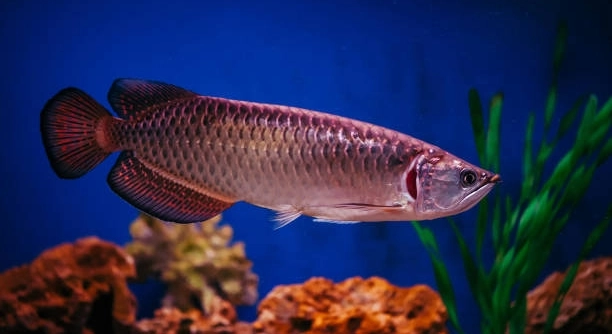
Have you ever bought Arowanas for your aquarium and noticed they seem tense around each other? Watching them interact can be both fascinating and worrying as you try to ensure harmony in your tank.
Arowanas that are getting along generally exhibit calm swimming patterns, minimal chasing, and occasional synchronized movements. Aggressive behaviors, like nipping fins or constant territorial displays, are clear indicators that the fish are not coexisting peacefully.
Observing these behaviors closely will help you maintain a balanced and stress-free environment for your fish. Small signs often reveal the bigger picture of their interactions and well-being.
Signs of Harmony Among Arowanas
When I first added two Arowanas to my tank, I watched them closely for signs of stress or conflict. Calm swimming is the first thing I noticed when they started feeling comfortable with each other. They rarely chased one another, and their movements often seemed coordinated, gliding through the water in parallel paths. Another sign is when they share the same areas without confrontation. They sometimes come close to each other while feeding without aggressive gestures, which is a reassuring indicator that they are coexisting peacefully. Even subtle interactions, like facing the same direction or hovering near decorations together, show growing trust and comfort. Over time, I realized that minor territorial displays can happen, but as long as they don’t escalate into fin nipping or constant chasing, it’s normal. Paying attention to these small cues helps me understand their moods and ensure a stable tank environment.
Observing body posture is crucial. Relaxed fins and smooth swimming show content Arowanas.
Daily monitoring is key. Changes in behavior, like sudden aggression or hiding, signal stress. Adjusting tank layout or adding hiding spots can help reduce tension. Providing consistent feeding times and avoiding overcrowding also encourages harmony. I noticed that alternating spots for decorations prevented one fish from claiming the entire tank, which reduced territorial disputes. Lighting, water quality, and temperature all affect their mood, so keeping these factors stable keeps interactions peaceful. Over time, I could see patterns where the fish swam calmly together for long periods, occasionally exploring separately but always returning to shared areas. This balance made feeding times smoother and the tank more visually calming. Recording behaviors helped me track which conditions promoted the most cooperative interactions. Gradually, the fish became predictable in their social dynamics, and I felt confident they were adjusting well to each other’s presence. Consistency, observation, and small environmental adjustments proved essential in maintaining harmony among Arowanas.
Addressing Minor Conflicts
Small squabbles are normal. They often resolve without intervention.
When conflicts arise, I first assess the tank layout. Adding extra plants, rocks, or decorations creates separate zones, reducing competition for space. I also monitor feeding closely, ensuring each Arowana receives enough food without confrontation. If aggression persists, temporary separation in a divider can prevent stress and injury. Observing individual personalities helps, as some fish naturally assert dominance more than others. Adjusting water temperature slightly or rearranging furniture can reset territorial boundaries. Gradually, the fish often resume calm interactions, showing that minor conflicts are manageable. Consistent care and observation allow me to maintain peace while supporting their natural behaviors, keeping the tank environment balanced and healthy for all Arowanas.
Feeding and Behavior
Feeding time often shows how well Arowanas get along. Calm eating without chasing is a positive sign. Aggressive grabs or cornering can indicate tension that needs attention.
I noticed that when I offered food in different spots, both fish ate comfortably without competing. They approached calmly, sometimes waiting their turn, and rarely displayed fin-nipping or lunging. Over time, consistent feeding schedules reduced anxiety and territorial behavior, and their swimming patterns remained peaceful afterward. Watching their interactions during meals gave me a clear sense of how balanced their relationship was. Minor squabbles sometimes happened but never escalated, showing that a proper feeding routine strengthens harmony.
Observing how they react to new food is also telling. If one fish dominates or blocks the other, it can signal growing tension. I adjusted portions and feeding locations to ensure equality. Introducing floating and sinking foods encouraged exploration and minimized competition. Gradually, both Arowanas learned to respect each other’s space during feeding. Consistency in feeding times, amounts, and placement not only prevents aggression but also supports healthy growth. The improvement in their behavior reassured me that careful feeding management is essential for long-term coexistence.
Tank Environment and Space
A spacious tank with hiding spots makes Arowanas feel secure and reduces aggressive behavior. Decorations and plants create boundaries without crowding.
When I arranged my tank with multiple levels and hiding places, both Arowanas explored freely without constant confrontation. Each could claim a small territory without dominating the entire tank, reducing stress. Open swimming areas allowed them to glide side by side peacefully, while caves and overhangs offered retreat zones when needed. Over time, I realized that spacing and thoughtful decoration placement played a bigger role in harmony than I initially expected. Even minor adjustments, like moving a rock or plant, changed swimming patterns and reduced skirmishes. The combination of open space, structured hiding spots, and stable water conditions created a balanced environment where both fish thrived. Watching them move confidently, I felt reassured that a well-planned tank directly supports cooperative behavior, making observation and maintenance easier while keeping stress levels low.
Observing Interaction Patterns
Watching how Arowanas swim around each other shows their comfort level. Calm, parallel swimming is a good sign, while constant chasing indicates tension.
I noticed that when they explore new areas together without aggression, it reflects growing trust. Minor displays of dominance usually fade quickly, showing balance.
Recognizing Early Signs of Aggression
Early aggression often appears as fin flicking, sudden lunges, or blocking access to preferred areas. I found that observing these behaviors closely helps prevent injuries. Adjusting tank layout or providing extra hiding spots often stops minor disputes from escalating. Keeping interactions monitored ensures the fish remain healthy and stress-free.
Lighting and Activity Levels
Consistent lighting supports natural activity and reduces stress in Arowanas. Sudden changes can trigger restlessness and minor conflicts.
FAQ
How can I tell if my Arowanas are stressed?
Stressed Arowanas often hide for long periods, swim erratically, or refuse to eat. I noticed that when my fish were stressed, their fins clamped close to their bodies and their color appeared dull. Stress usually signals issues with water quality, tank size, or aggressive interactions, so monitoring these areas is crucial.
What are common signs of Arowana aggression?
Aggression can appear as chasing, nipping fins, or blocking another fish from moving freely. I observed that dominant Arowanas often patrol the tank and approach others suddenly. Early intervention, such as rearranging decorations or separating fish temporarily, prevents injuries and reduces ongoing stress.
Is tank size important for Arowana harmony?
Yes. Arowanas need ample space to swim and establish territories. My experience showed that a crowded tank increases tension and makes minor disputes escalate. Providing at least 250 gallons for two adult Arowanas allows room for personal zones and reduces aggressive encounters.
Can diet affect their behavior?
Absolutely. Unequal feeding often triggers competition and fights. I found that distributing food in multiple areas and providing varied diets keeps both fish calm. When each fish feels it is getting enough, aggression decreases significantly, and overall activity becomes smoother and more predictable.
Should I separate Arowanas if they fight?
Temporary separation can help. I used dividers when fights became frequent, giving each fish a chance to calm down. Most disputes resolved once they returned to a balanced environment. Permanent separation is only necessary for persistent aggression or injuries.
How often should I observe their behavior?
Daily observation is best. I keep a short log of interactions during feeding and free swimming. Patterns emerge quickly, letting me identify early signs of tension. Even small changes, like one fish hiding more often, can signal a need to adjust tank conditions.
Do decorations help reduce aggression?
Yes. Rocks, plants, and caves provide territories and retreat areas. I noticed that adding more hiding spots allowed each Arowana to claim space without constantly confronting the other. Rearranging tank decor periodically can reset territorial boundaries and keep conflicts minimal.
How does water quality influence their interactions?
Poor water quality raises stress and aggression levels. I found that keeping temperature, pH, and ammonia levels stable creates a calm environment. Frequent testing and water changes are essential. A healthy tank supports both Arowanas’ physical well-being and social behavior.
Can lighting affect their behavior?
Yes, consistent lighting helps maintain a natural routine. I observed that sudden bright lights or inconsistent schedules made my fish skittish and more prone to chasing. Providing a stable day-night cycle encourages predictable behavior and reduces minor conflicts.
Is it normal for Arowanas to have minor disputes?
Yes, small disputes are part of establishing territory. I noticed occasional fin displays or short chases, but they rarely led to injury. Monitoring these interactions and ensuring enough space and resources helps prevent escalation while allowing the fish to establish social order naturally.
How do I know if they are getting along long-term?
Long-term harmony is visible when both Arowanas swim together calmly, eat without conflict, and rarely hide. I found that consistent observation, feeding routines, and a well-structured tank maintain this balance. Over time, their predictable interactions reflect trust and comfort in shared spaces.
Can temperature changes influence aggression?
Yes. Sudden shifts in temperature can make Arowanas restless and more aggressive. I learned to maintain a stable range suitable for their species. Consistent heating and monitoring reduce stress and support peaceful coexistence over time.
What should I do if aggression persists despite all adjustments?
Persistent aggression may require permanent separation. I tried temporary dividers and tank rearrangements first, but if one fish continues to dominate, separating them prevents injuries and ensures both Arowanas remain healthy. Choosing compatible sizes and temperaments from the start also reduces long-term conflicts.
How can I encourage positive interactions?
Providing enough space, multiple hiding spots, consistent feeding, and stable water conditions encourages calm behavior. I also noticed that keeping a predictable environment and avoiding sudden changes lets the fish establish routines and reduces stress-related aggression naturally.
How important is observation compared to other interventions?
Observation is crucial. I found that monitoring behavior allowed me to detect early signs of stress or conflict before they became serious. While tank setup, diet, and environment matter, daily observation is the most effective way to maintain long-term harmony between Arowanas.
Final Thoughts
Watching Arowanas interact in a shared tank has been both a learning experience and a source of calm for me. These fish are naturally territorial and can show aggression if conditions are not ideal, but with careful observation and proper tank management, they often develop a balanced way of coexisting. I have noticed that harmony does not happen by chance; it is a result of providing enough space, creating distinct territories, and monitoring their behavior regularly. Even small details, like the position of a rock or plant, can influence their interactions. Over time, I learned to read subtle signals, such as changes in swimming patterns, fin posture, or feeding behavior, which helped me respond before minor disputes escalated. By paying attention to these cues, I was able to maintain a calm environment that allows both fish to thrive and reduce stress-related issues.
Feeding routines are another important factor that supports peaceful coexistence. When I first introduced multiple Arowanas into my tank, I noticed tension during meal times. Competition for food can quickly escalate into aggression if not managed properly. I started offering food in different areas of the tank, making sure each fish had easy access without feeling threatened. Providing a mix of floating and sinking foods also encouraged exploration and prevented one fish from dominating the entire feeding process. Consistency in feeding times and portions became essential, and I observed that as the Arowanas adapted to the routine, their overall behavior improved. They swam more calmly, displayed less aggression, and even started showing signs of synchronized movements at times, which was a clear indicator of growing comfort and trust. Small adjustments in diet and feeding methods had a noticeable impact on their mood and interactions, proving that even simple actions can help maintain a harmonious environment.
The tank environment itself plays a major role in keeping Arowanas getting along. Adequate space, consistent water quality, and proper lighting contribute to their overall well-being. I found that adding hiding spots and decorations allowed each fish to claim a small territory without constantly confronting the other. This not only reduced stress but also encouraged natural behaviors like exploration and resting in separate zones. Monitoring water conditions, such as temperature, pH, and ammonia levels, became part of my routine to ensure the environment remained stable. Over time, the combination of proper tank setup, careful feeding, and consistent observation allowed both Arowanas to develop a sense of security and trust with each other. While occasional minor disputes are normal, a balanced and well-maintained tank minimizes conflict and promotes long-term harmony. Through patience and attention to their behavior, I was able to create a peaceful environment where both Arowanas can thrive, swim freely, and maintain their health comfortably.

Hello,
If you enjoy the content that we create, please consider saying a "Thank You!" by leaving a tip.
Every little bit helps us continue crafting quality advice that supports the health, happiness, and well-being of pets around the world, for pets of all shapes, sizes, and species.
We really appreciate the kindness and support that you show us!