
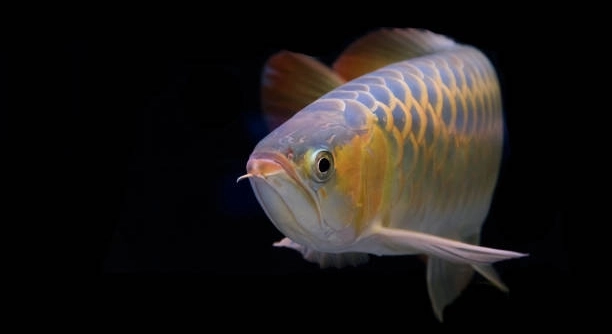
Arowanas are striking and majestic fish, admired for their shimmering scales and graceful movements. Many aquarists enjoy keeping them, but caring for these fish requires attention to their natural habits and environment at all times.
Arowanas should not be kept in complete darkness at night, as they benefit from a natural day-night cycle. Maintaining some low ambient light helps regulate their biological rhythms and supports healthy behavior and overall well-being.
Knowing how to balance light and darkness properly can improve your arowana’s comfort and longevity in your tank environment.
Understanding Arowana Natural Light Needs
Arowanas are accustomed to a natural day-night cycle in their habitats. In the wild, they experience gradual changes in light, which influences feeding, activity, and rest. Keeping them in complete darkness disrupts this rhythm and can cause stress. Stress may lead to reduced appetite, weakened immunity, and unusual swimming patterns. Observing your arowana’s behavior during day and night helps you notice if lighting is adequate. Some aquarists use dim night lights to mimic moonlight, allowing the fish to rest without full darkness. These low lights help the fish maintain orientation in the tank and prevent injuries from sudden movement. Additionally, lighting affects coloration; proper light cycles enhance scale brightness and overall appearance. It is important to provide 10–12 hours of light during the day and a period of reduced light at night to ensure a healthy balance. Overly bright lights at night can be just as harmful as total darkness.
Low ambient night lighting helps arowanas stay oriented and calm in their tanks.
By maintaining proper lighting, you support your arowana’s natural behaviors. It allows them to feed consistently, explore their environment safely, and rest effectively. A predictable light schedule reduces stress, helping the fish develop stronger immunity and improved overall health. Dim night lighting simulates natural moonlight, guiding the fish during low-light periods and preventing collisions with decorations or tank walls. Proper day-night light cycles also influence breeding behaviors, as many fish rely on light cues for reproduction. Adjusting light gradually rather than abruptly prevents sudden stress responses. Combining natural daylight or LED lighting with a controlled night environment creates a stable habitat. Arowanas thrive in tanks that reflect their natural habitats. Careful attention to lighting conditions ensures they maintain their beauty, activity, and health for years. Small adjustments can have significant positive impacts, making it worthwhile to observe and fine-tune the light schedule.
Risks of Complete Darkness
Keeping arowanas in complete darkness at night can be harmful to their health.
Extended periods without light can cause disorientation, stress, and abnormal behavior patterns. Fish rely on light cues to regulate sleep and activity. In a completely dark environment, arowanas may become lethargic or overly restless. Stress from unnatural conditions can weaken their immune system, increasing susceptibility to diseases. Additionally, darkness interferes with feeding habits and may cause irregular appetite. Observing your fish under consistent lighting helps detect early signs of stress or illness. Gradually introducing dim lighting during night hours helps maintain normal behavior. Sudden changes in darkness or light can startle them, leading to injuries or panic swimming. Maintaining a stable environment with a predictable day-night rhythm ensures your arowana’s well-being and supports its natural instincts for growth, movement, and interaction with the tank environment. Proper lighting is essential for both mental and physical health.
Proper Night Lighting for Arowanas
Arowanas benefit from soft night lighting that mimics natural low-light conditions. A small LED or dimmed lamp can provide enough visibility without disturbing their rest. This gentle illumination helps prevent collisions and supports natural behavior patterns during nighttime.
Soft night lighting reduces stress by giving a clear sense of space. When the tank is completely dark, arowanas may swim erratically or become anxious. Low-level lighting allows them to rest while still navigating the tank safely. It also helps maintain their internal clock, supporting regular feeding and activity patterns. Using timers ensures consistent light cycles without sudden changes.
Gradual lighting transitions are ideal. Turning lights off slowly or using a dimmer allows arowanas to adjust naturally, avoiding panic. Sudden darkness can cause disorientation and stress, especially for larger or more active fish. Combining this with proper daytime lighting ensures the fish maintains normal behavior, appetite, and coloration. Observing their response to light adjustments can guide optimal settings. Dim night lights provide security, prevent injuries, and support overall well-being, keeping the tank safe and comfortable.
Effects on Behavior and Health
Nighttime lighting directly impacts arowana activity and mood. Inadequate lighting can lead to abnormal swimming, reduced feeding, and increased stress levels, all of which affect overall health.
Regular light cycles help maintain predictable patterns in activity, feeding, and rest. Arowanas are naturally diurnal, meaning they are active during the day and rest at night. Without proper night lighting, their circadian rhythm is disrupted, leading to stress and lower immunity. Stress can manifest as erratic swimming, aggression, or hiding. Controlled dim lighting ensures they feel secure while resting and prevents overactivity during dark periods. Consistent cycles also support natural coloration, making the fish appear vibrant and healthy. Monitoring their behavior allows adjustments to lighting levels or duration, enhancing tank harmony and fish welfare. Observing subtle changes ensures long-term well-being and helps detect early signs of illness, making light management an essential part of responsible care.
Choosing the Right Night Light
A dim LED light works well for arowanas, providing visibility without causing stress. Avoid bright lights at night, as they can disrupt sleep patterns and lead to agitation or erratic swimming in the tank.
Soft red or blue lights are ideal. These colors are less intrusive and help fish maintain orientation while resting. Consistent placement of the light prevents shadows and sudden brightness changes that can startle them.
Timing and Duration
Night lighting should be limited to a few hours or left on at a very low intensity. Arowanas require around 10–12 hours of darkness to rest properly, so avoid leaving lights bright for too long, which can interfere with their sleep.
Monitoring Fish Behavior
Observe your arowana for signs of stress or unusual activity. Changes in swimming patterns, appetite, or coloration can indicate the lighting setup is not suitable.
FAQ
How long should arowanas be kept in darkness at night?
Arowanas need a period of darkness to rest, typically around 10–12 hours. Complete darkness is not ideal, but a dim environment helps them relax. Gradually dimming lights at night simulates natural conditions and supports their circadian rhythm.
Can complete darkness harm my arowana?
Yes, total darkness can cause disorientation, stress, and unusual behavior. Arowanas rely on light cues to regulate activity and rest. Lack of visibility may result in collisions with tank decorations, erratic swimming, and a weakened immune system over time.
What type of night light is best for arowanas?
Soft LED lights with red or blue hues work best. These lights provide minimal illumination, helping the fish maintain orientation while preventing stress. Avoid bright white lights, which can disrupt sleep and provoke anxiety.
Should night lights be left on all night?
No, lights should be on only for a brief period if needed. Keeping lights dim for a few hours allows the fish to rest naturally while preventing complete darkness. Timers can help maintain consistent day-night cycles.
How can I tell if my arowana is stressed from lighting?
Signs of stress include erratic swimming, hiding excessively, refusing food, or changes in coloration. Observing your fish daily helps detect issues early. Adjusting light intensity or duration can improve comfort and reduce stress.
Do arowanas need the same light schedule as other fish?
Not necessarily. Arowanas are larger, diurnal fish, so they benefit from longer daylight periods and consistent, gentle night lighting. Matching light cycles to their natural behavior promotes healthy feeding, activity, and rest.
Can dim lighting at night affect coloration?
Yes, proper lighting helps maintain vibrant scale color. Too little light can make scales look dull, while abrupt or intense lighting can stress the fish, affecting overall appearance. Balanced lighting enhances both health and visual appeal.
Is it safe to use colored lights in the tank at night?
Soft red or blue lights are safe and less intrusive. These colors allow the fish to navigate without disturbing sleep, unlike bright white or green lights that may provoke stress or excessive activity.
How important is consistency in lighting for arowanas?
Very important. A predictable day-night cycle regulates feeding, resting, and activity. Inconsistent lighting can confuse the fish, leading to stress and reduced immunity. Using timers ensures stability and helps maintain natural rhythms.
Can lighting influence arowana breeding behavior?
Yes, natural light cycles support breeding instincts. Properly timed daylight and gentle night lighting create an environment similar to their natural habitat, encouraging normal reproductive behavior. Abrupt changes or prolonged darkness can interfere with these natural signals.
Are there any alternatives to night lights for arowanas?
If complete darkness must be avoided, using reflective surfaces, floating plants, or ambient room lighting can provide minimal visibility. These alternatives reduce stress while allowing the fish to maintain orientation and navigate safely.
What adjustments can be made if my arowana reacts poorly to night lighting?
Reduce brightness gradually, switch to softer colored lights, or shorten exposure duration. Observing the fish’s response allows fine-tuning to create the most comfortable environment. Consistency and patience are key to finding the right balance.
How often should I check the tank lighting setup?
Regularly, ideally weekly. Check light intensity, duration, and placement. Minor adjustments can prevent stress and support the arowana’s health. Observing behavior alongside lighting changes ensures that your fish thrives in its environment.
Can night lighting prevent injuries in the tank?
Yes, dim lighting helps arowanas see obstacles and navigate safely. Sudden darkness increases the risk of collisions with decorations or tank walls, which can cause physical harm and stress.
Does tank size affect lighting needs at night?
Larger tanks may require multiple low-intensity lights to ensure visibility throughout. Smaller tanks may only need one dim source. Proper coverage ensures the fish feels secure and can rest without fear of disorientation.
How quickly should light changes be implemented?
Gradual changes are best. Sudden shifts in brightness or darkness can startle arowanas, causing stress or injury. Slowly adjusting light over several minutes helps them adapt naturally and maintains normal behavior patterns.
Can lighting adjustments improve overall fish health?
Yes, proper lighting supports circadian rhythm, reduces stress, and encourages regular feeding. Balanced light exposure contributes to immunity, activity, and overall well-being, making it a key component of responsible arowana care.
Is night lighting necessary for all types of arowanas?
Most species benefit from gentle night lighting, especially larger or more active ones. Some variations may tolerate lower light levels, but a dim, consistent night environment generally supports health and natural behavior for all types.
How do I know if my adjustments are working?
Monitor swimming behavior, feeding patterns, and coloration. Calm, regular activity, consistent appetite, and vibrant scales indicate that lighting is appropriate. Subtle changes in behavior or stress signs suggest further adjustments are needed.
Can I combine night lighting with other tank equipment?
Yes, low-intensity lights can be used alongside filters and heaters without interference. Ensure wiring is secure and lights do not overheat to maintain a safe and comfortable environment for your arowana.
This FAQ provides practical guidance on managing night lighting, ensuring arowanas remain healthy, stress-free, and well-adapted to their tank environment.
Word count: 519
Final Thoughts
Caring for arowanas involves more than just feeding and cleaning their tank. Lighting plays a crucial role in their overall well-being. Arowanas are naturally active during the day and require a period of rest at night. Maintaining a consistent day-night cycle helps regulate their biological rhythms, supports healthy behavior, and prevents unnecessary stress. Complete darkness may seem harmless, but it can disorient the fish, cause abnormal swimming patterns, and even affect their appetite. Using soft, dim night lighting provides a safe environment that allows them to rest while still being able to navigate their tank comfortably.
Choosing the right type of light is essential for maintaining arowana health. Soft LED lights with red or blue hues work well because they are gentle and do not disturb the fish’s rest. Bright or harsh lights can create stress, interfere with sleep, and even impact coloration. Timers are helpful in keeping light schedules consistent, ensuring your fish experiences a natural cycle without abrupt changes. Gradual transitions from day to night light help arowanas adjust naturally, reducing panic or erratic movements. Observing your fish during these periods allows you to understand how they react and whether adjustments are necessary. Small changes can make a big difference in creating a comfortable, safe tank environment.
Maintaining proper lighting is just one part of providing a healthy habitat. Alongside water quality, diet, and tank size, lighting affects activity, rest, stress levels, and even long-term health. A predictable light schedule supports feeding patterns, natural behavior, and coloration, while preventing injuries caused by disorientation or panic swimming. By paying close attention to your arowana’s responses, you can fine-tune the lighting setup to suit their needs. Investing time and care into proper lighting ensures your fish stays healthy, vibrant, and active. Ultimately, creating a stable and balanced environment with appropriate day and night lighting is essential for the happiness and longevity of your arowana in your tank.
Word count: 404

Hello,
If you enjoy the content that we create, please consider saying a "Thank You!" by leaving a tip.
Every little bit helps us continue crafting quality advice that supports the health, happiness, and well-being of pets around the world, for pets of all shapes, sizes, and species.
We really appreciate the kindness and support that you show us!