
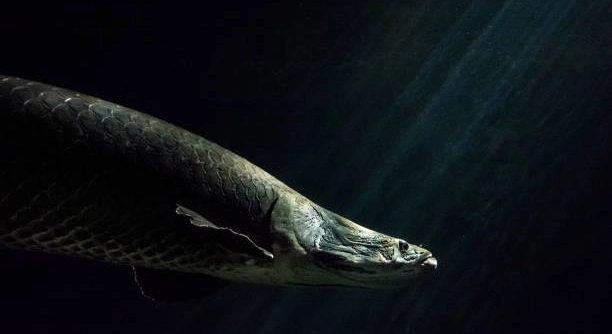
Do you ever notice your Arowana swimming more actively at certain times of the day and wonder what influences its behavior? Many fish owners observe patterns, but lighting schedules often play a bigger role than expected in their daily routines.
Arowanas benefit from a consistent lighting schedule because it regulates their natural circadian rhythm, reduces stress, and supports overall health. Maintaining predictable periods of light and darkness creates a stable environment that promotes normal feeding and activity patterns.
Understanding how lighting impacts your fish can improve their wellbeing and enhance the harmony of your aquarium environment. Proper management goes beyond simply turning lights on and off.
Why Consistent Lighting Matters
Maintaining a consistent lighting schedule is essential for Arowanas because it helps regulate their internal biological clock. Sudden changes in light exposure can stress the fish, leading to reduced appetite and sluggish swimming. In their natural habitats, Arowanas experience predictable day and night cycles, which guide their feeding and resting behaviors. Artificial lighting in home aquariums can replicate these conditions, but irregular schedules may disrupt their natural rhythm. Fish that experience constant light or abrupt darkness often show signs of agitation or hiding, which affects overall health. Consistency also supports breeding behavior and encourages normal growth patterns, making a steady schedule an important aspect of care. Lights should be timed daily, ideally with automated systems to prevent human error. This stability helps the fish feel secure, reducing cortisol levels, and improving immune function. Even small changes in lighting duration can have noticeable effects on behavior and energy levels. Arowanas thrive best with a predictable and calm environment.
Maintaining stable lighting reduces stress and encourages normal activity, which is critical for keeping Arowanas healthy and active in captivity.
Proper lighting not only affects behavior but also supports feeding routines and physical development. Fish kept under consistent light cycles feed more reliably and show stronger coloration. Their metabolism remains steady, which improves digestion and nutrient absorption. Conversely, erratic lighting can lead to skipped meals or aggression among tank mates. Aquariums with timers create a predictable environment that mimics natural day-night cycles. This predictability is particularly important during growth phases, as young Arowanas are more sensitive to stress. Adequate periods of darkness allow the fish to rest and regenerate, preventing exhaustion from constant activity. For breeders, consistent lighting encourages reproductive readiness and reduces skipped spawning periods. Even small tanks benefit from steady lighting because it stabilizes algae growth and water parameters, indirectly contributing to fish health. Observing your Arowana under a regular schedule often reveals calmer behavior, increased feeding, and more vibrant movement. Investing in lighting control can improve both short-term behavior and long-term wellbeing, ensuring a healthy and balanced aquarium environment.
Setting Up the Right Lighting Schedule
A reliable lighting schedule usually involves 10 to 12 hours of light per day, followed by 12 to 14 hours of darkness.
Start with a timer to ensure your Arowana receives light consistently every day. Place the aquarium away from direct sunlight to prevent temperature fluctuations. Observe the fish over several weeks to notice changes in activity patterns. Adjust light intensity gradually to match natural conditions. Avoid sudden on-off switching, as it can startle the fish and disrupt their rhythm. If you have plants in the tank, consider their light needs as well, but prioritize the Arowana’s cycle. Using soft, diffused light can reduce stress while still highlighting the fish’s colors. Nighttime darkness should be uninterrupted to allow for proper rest. For optimal results, combine consistent timing with stable water temperature and regular feeding times. Over time, your Arowana will show steadier behavior, stronger appetite, and better overall health. Observing and adjusting the schedule carefully ensures the fish’s comfort and promotes a long, healthy life in the aquarium.
Choosing the Right Light Type
LED lights are ideal for Arowanas because they provide consistent illumination without heating the water excessively. Fluorescent lights can work but may require more frequent replacement to maintain brightness. Avoid incandescent bulbs, as they can stress the fish and alter water temperature unpredictably.
LED lights also allow you to adjust intensity and simulate natural sunrise and sunset, which supports the Arowana’s circadian rhythm. Using full-spectrum LEDs enhances the fish’s colors while providing enough light for plants if your tank includes live vegetation. Soft, diffused lighting reduces shadows that might make the fish nervous. Consistent intensity is more important than extremely bright light, as sudden fluctuations can startle Arowanas. Position lights evenly across the tank to avoid hotspots and ensure the entire environment is illuminated. Gradually adjusting light during tank maintenance helps maintain routine.
Timers paired with LED lights simplify scheduling and reduce human error. This combination promotes healthy activity levels and predictable behavior patterns. The right light type contributes to feeding regularity, growth, and stress reduction. Properly chosen and managed lighting supports long-term aquarium stability and the well-being of your Arowana, ensuring that the fish remains calm, vibrant, and responsive.
Adjusting Light Duration
Start with 10 to 12 hours of light daily, gradually modifying based on your Arowana’s behavior and seasonal changes. Consistent timing is more important than exact hours.
Tracking your fish’s activity can guide adjustments to light duration. If the Arowana appears lethargic, slightly longer light periods may encourage movement, while overly aggressive or restless behavior can indicate light is too long. Seasonal shifts can be mirrored by gradually changing light hours, simulating natural day length without abrupt changes. Automation helps maintain a stable schedule, reducing stress caused by human inconsistency. Gradual transitions, like dimming in the morning or evening, mimic natural sunrise and sunset, calming the fish. Observing the fish over several weeks provides insights into the optimal light duration, ensuring the schedule aligns with its natural rhythm.
Maintaining a steady light-dark cycle supports feeding, rest, and overall health. Too short or too long periods can disrupt sleep patterns, metabolism, and mood. Proper adjustments create a balanced environment, enhancing the Arowana’s coloration and energy. Consistent cycles also help establish predictable tank dynamics if other species are present, reducing conflict. Over time, the fish adapts to a routine, showing calmer behavior, reliable feeding, and a lower stress level. This approach ensures the lighting contributes positively to long-term wellbeing and tank harmony.
Common Mistakes to Avoid
Leaving lights on for too long can overstimulate Arowanas and increase stress levels. Sudden darkness or irregular schedules may cause erratic swimming or hiding.
Using overly bright lights or inconsistent timing can disrupt feeding habits. Avoid moving lights frequently, as stability is key for maintaining natural behavior and overall health.
Using Timers Effectively
Timers automate lighting schedules, ensuring your Arowana receives consistent day and night periods. This reduces human error and prevents accidental extended light exposure. Timers can simulate gradual sunrise and sunset, which is less stressful than abrupt on-off cycles. Proper use of timers maintains stable circadian rhythms, promotes normal feeding, and encourages natural activity patterns. Observing your fish alongside a timed schedule helps determine if adjustments are necessary. Combining timers with LED lights provides precise control over intensity and duration. Gradual light transitions and consistent timing help reduce stress, improve metabolism, and support growth. Timers are a simple but powerful tool for keeping Arowanas healthy and calm in a home aquarium.
Seasonal Adjustments
Adjust lighting duration gradually to reflect seasonal changes, maintaining natural day-night patterns for your Arowana.
FAQ
How long should Arowana lights be on each day?
Arowanas generally do well with 10 to 12 hours of light daily. This mimics natural day length in their habitat and helps regulate feeding and activity. Avoid keeping lights on longer than 12 hours, as extended exposure can stress the fish and reduce rest periods.
Can Arowanas tolerate complete darkness for long periods?
No, prolonged darkness is not ideal. Arowanas need a predictable light-dark cycle to maintain circadian rhythm. Too much darkness can reduce appetite, disrupt swimming patterns, and increase stress levels. Consistent periods of light and darkness are important for overall health and behavior.
What type of lighting is best for Arowanas?
LED lights are preferred because they provide stable illumination without significantly heating the water. Full-spectrum LEDs enhance coloration and support plant growth if live plants are present. Fluorescent lights can work but require regular replacement, while incandescent lights are not recommended due to heat and stress issues.
Is it necessary to use timers for Arowana lighting?
Yes, timers are highly recommended. They ensure consistent light duration and help prevent accidental overexposure. Timers can also simulate gradual sunrise and sunset, which reduces stress compared to abrupt light changes. Automation is especially useful for maintaining long-term stability in the aquarium.
How do lighting changes affect Arowana behavior?
Abrupt or irregular lighting can cause erratic swimming, hiding, or aggression. Consistent light schedules promote calmer behavior, regular feeding, and predictable activity patterns. Gradual changes in intensity, such as soft transitions in the morning and evening, help mimic natural conditions and reduce stress.
Can lighting affect Arowana growth?
Yes, proper lighting supports regular feeding patterns, metabolism, and overall health, all of which influence growth. Fish exposed to inconsistent or overly long lighting may eat irregularly and experience stress, which can slow development. Steady lighting helps maintain a stable environment conducive to healthy growth.
Should lighting be adjusted for seasonal changes?
Gradual adjustments to light duration can mimic natural seasonal variations. Shorter days in winter and longer days in summer are fine as long as changes are slow. Sudden shifts can stress the fish. Observing behavior during these transitions ensures the schedule remains suitable.
Can live plants impact Arowana lighting needs?
Yes, if your tank has live plants, you may need slightly brighter or longer lighting for plant health. Prioritize your Arowana’s schedule, using lighting that satisfies both fish and plants. Full-spectrum LEDs often meet the needs of both without causing stress.
What are signs that lighting is too strong or inconsistent?
Arowanas may hide frequently, swim nervously, or refuse to eat if lighting is too intense or erratic. Faded colors or lethargy can also indicate stress. Adjusting intensity, using diffused lighting, or adding a timer can help stabilize the environment.
How quickly should lighting changes be implemented?
All changes should be gradual. Sudden increases or decreases in light duration or intensity can cause stress. Small daily adjustments, around 10–15 minutes, allow the fish to adapt while maintaining normal feeding and activity patterns.
Are there benefits to simulating sunrise and sunset?
Yes, gradual transitions reduce stress compared to sudden light changes. Simulating natural light patterns encourages normal circadian rhythms, improves sleep, and supports healthy behavior. Timers with dimming functions or layered lighting setups work well to achieve this effect.
Can inconsistent lighting affect tank water conditions?
Indirectly, yes. Overly long or intense lighting can promote excess algae growth, affecting water quality. Balanced light cycles help maintain algae under control, supporting overall tank stability, which in turn benefits Arowana health.
Is it safe to turn lights off while away from home?
Automated timers make this safe and reliable. Manual switching can lead to inconsistency, which may stress your fish. Using timers ensures a predictable schedule even when you’re not present, keeping the environment stable.
How do I know if my Arowana is adapting well to the lighting schedule?
Signs include regular feeding, calm swimming patterns, bright coloration, and normal rest periods. Erratic swimming, hiding, or reduced appetite indicates that adjustments may be needed. Observing behavior over a few weeks helps confirm whether the schedule is effective.
Can too little light be harmful?
Yes, insufficient lighting can disrupt the Arowana’s biological clock, reduce appetite, and lower activity levels. While they do not require intense light, a stable cycle with adequate daily illumination is essential for health, growth, and overall well-being.
How important is consistency compared to light intensity?
Consistency is more critical than brightness. Predictable schedules help regulate behavior, feeding, and stress levels. Proper intensity is important for coloration and visibility, but irregular timing causes more significant negative effects than minor intensity differences.
Are there differences in lighting needs between juvenile and adult Arowanas?
Juveniles are more sensitive to stress, so gradual transitions and stable schedules are particularly important. Adults tolerate minor fluctuations better but still benefit from consistent light cycles for feeding, rest, and activity patterns. Adjust intensity gently as the fish grows.
What should I do if my Arowana seems stressed despite proper lighting?
Check other factors such as water quality, temperature, tank mates, and nutrition. Lighting alone may not resolve stress if these elements are unstable. Small adjustments to duration or intensity, combined with stable tank conditions, usually help improve behavior and wellbeing.
Can multiple Arowanas share the same lighting schedule?
Yes, Arowanas in the same tank benefit from identical light-dark cycles. Consistency ensures all fish follow natural activity and rest patterns, reducing stress, aggression, and competition. Uniform lighting helps maintain balanced behavior in community or multi-species setups.
How long does it take for Arowanas to adjust to a new lighting schedule?
Adjustment usually takes a few days to a couple of weeks, depending on the fish’s age and previous environment. Gradual changes help minimize stress, while sudden alterations can lead to erratic behavior and feeding disruption. Patience and observation are key during this period.
Are there any special considerations for planted tanks with Arowanas?
Yes, live plants need sufficient light, but Arowana schedules take priority. Full-spectrum LEDs or timers with dimming functions often satisfy both plant growth and fish needs. Maintaining balance between intensity and duration prevents stress and supports a healthy, thriving aquarium.
Can lighting influence Arowana coloration?
Yes, consistent and appropriate lighting enhances natural colors. Overly dim or erratic light can dull appearance, while steady, full-spectrum light highlights scales and overall vibrancy. Properly timed cycles support both physical health and aesthetic appeal.
Is natural sunlight recommended for Arowanas?
Direct sunlight is generally not recommended, as it can overheat water and promote algae. Indirect light may be acceptable, but controlled artificial lighting ensures stability and safety for both fish and plants. Timers and LEDs provide better control and reduce stress risk.
How often should I reassess the lighting schedule?
Reassess every few months or when observing behavioral changes. Seasonal adjustments, growth, tank modifications, or new additions may require small tweaks to ensure continued stability. Gradual changes help maintain health and prevent stress.
What is the main takeaway about Arowana lighting?
Consistent, predictable lighting schedules are essential. Proper duration, intensity, and gradual transitions support behavior, growth, feeding, and stress reduction. Using timers and LED lights ensures stability, enhances coloration, and creates a healthy environment for long-term wellbeing.
Maintaining a consistent lighting schedule is one of the simplest yet most effective ways to support your Arowana’s health. Fish, like many animals, rely on predictable day and night cycles to regulate their internal rhythms. These cycles influence feeding patterns, activity levels, and rest periods. When lighting is irregular or extreme, it can cause stress, reduce appetite, and disrupt normal behavior. By setting a consistent schedule, ideally using timers, you create a stable environment that your fish can rely on. This stability not only reduces stress but also supports proper growth and physical development, helping your Arowana thrive in a home aquarium setting. Even small adjustments, such as gradually dimming lights in the morning or evening, can make a significant difference in how comfortable and active your fish feels. Consistency in lighting complements other aspects of care, including water quality, diet, and tank size, contributing to overall wellbeing.
Choosing the right type of lighting is also an important factor. LED lights are preferred because they provide steady illumination without affecting water temperature, and they can mimic natural light patterns. Full-spectrum LEDs enhance the fish’s natural colors, making your Arowana look more vibrant while still supporting healthy behavior. Fluorescent lights can be used but require more maintenance, and incandescent bulbs are generally not recommended as they can overheat the water and stress the fish. Positioning lights evenly across the tank prevents dark spots and ensures that the entire environment remains consistent. This helps the fish feel secure and reduces erratic swimming or hiding behavior. Additionally, if your tank includes live plants, the right lighting can support both plant growth and the Arowana’s needs. Using timers and gradual light transitions together allows you to maintain a predictable environment, which in turn supports feeding schedules, normal activity, and overall health.
Finally, observing your Arowana is key to understanding how it reacts to lighting. Each fish may respond slightly differently, so it’s important to monitor behavior, appetite, and activity levels. Signs of stress, such as hiding, lethargy, or erratic swimming, may indicate that adjustments to light duration or intensity are needed. Small, gradual changes are always better than abrupt shifts, as they allow the fish to adapt without disruption. Consistent lighting also promotes longer-term benefits, including improved immune function, better coloration, and stable metabolism. Combining careful observation with a steady lighting schedule creates a calm, predictable environment that supports all aspects of your Arowana’s wellbeing. Over time, maintaining these practices will help your fish remain healthy, active, and visually striking, making the aquarium a more enjoyable and stable space for both the Arowana and its keeper.

Hello,
If you enjoy the content that we create, please consider saying a "Thank You!" by leaving a tip.
Every little bit helps us continue crafting quality advice that supports the health, happiness, and well-being of pets around the world, for pets of all shapes, sizes, and species.
We really appreciate the kindness and support that you show us!