
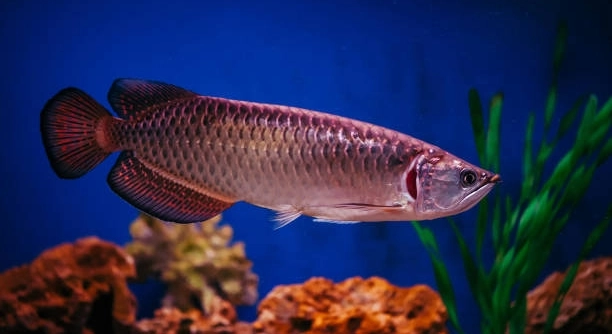
Arowanas are striking fish that many keep for their beauty and presence in aquariums. They can be social creatures, showing different behaviors when they feel comfortable with other fish or humans around. Observing them carefully can reveal much.
Arowanas demonstrate enjoyment of company through consistent swimming near tankmates, following familiar humans, and displaying calm, non-aggressive behaviors. These signs indicate a level of social comfort and adaptability, reflecting their positive response to companionship and environmental interaction.
Recognizing these behaviors helps ensure arowanas remain healthy and engaged. By understanding their social tendencies, owners can create a more supportive and enriching environment for their fish.
Signs Your Arowana Enjoys Company
Arowanas are sensitive fish that show subtle cues when they are comfortable with others around them. They often swim alongside other tankmates without showing aggression, glide calmly near the surface, or linger near the front of the tank when someone approaches. Eye contact and gentle following movements are common indicators that your arowana is aware of its surroundings and enjoys interaction. Some arowanas will even react to familiar people by positioning themselves where they can be seen or observed, reflecting trust and recognition. Body language plays a key role; smooth, steady swimming patterns with minimal fin flare usually signal relaxation. On the other hand, hiding or darting away constantly shows discomfort. Paying attention to these signs can help owners understand how their fish responds to companionship, and adjusting tank layout or social combinations may improve the arowana’s overall well-being. A calm environment with predictable routines encourages positive interactions.
Observing these behaviors consistently is essential. Recognizing them helps maintain a healthy, stress-free environment for the fish.
Small actions, like gentle swimming near tank edges or following a familiar person, indicate enjoyment. They highlight the fish’s social comfort and adaptation to its surroundings.
Encouraging Positive Social Behavior
Providing a consistent environment encourages arowanas to interact calmly with others. Stressful changes can make them withdrawn or aggressive, so maintaining stable water conditions and minimal disturbances is key.
Interaction can be enhanced by gradually introducing tankmates that are compatible in size and temperament. Monitoring the fish’s response during these introductions ensures no undue stress occurs. Feeding routines also influence behavior; sharing feeding times without overcrowding can promote calm social interactions. Decorations and hiding spots help the arowana feel secure, allowing it to explore confidently. Observing the fish’s body posture, swimming style, and positioning in the tank gives valuable feedback on comfort levels. Over time, these consistent practices allow the fish to demonstrate natural behaviors, showing signs of enjoyment when in company. Regular observation ensures owners can adjust environmental factors as needed, fostering a more balanced social dynamic. By carefully shaping the environment and interactions, the arowana can remain both healthy and socially engaged.
Understanding Arowana Body Language
Arowanas show comfort through smooth, steady swimming and minimal fin flare. Relaxed posture and slow movements near tankmates signal enjoyment, while sudden bursts or hiding indicate stress or discomfort. Watching their position in the tank provides clues about how they feel socially.
Calm, consistent swimming patterns are a key sign that an arowana enjoys company. When the fish glides near tankmates or hovers around familiar humans, it reflects trust and social comfort. Tail movements, gill activity, and body orientation all contribute to understanding their mood. Aggressive or erratic swimming is a sign of stress or territorial behavior, while calm, deliberate movement suggests a content and socially engaged fish.
The way an arowana positions itself in the tank can reveal much about its feelings. Staying near the surface, following movement, or exploring slowly are signs of engagement. Conversely, frequent hiding, rapid darting, or fin clamping shows discomfort. Recognizing these subtle behaviors allows owners to adjust tank conditions, social pairings, and routines to create a supportive environment where the fish can thrive.
Creating a Comfortable Tank Environment
Providing ample space and hiding spots helps arowanas feel secure. Overcrowded tanks increase stress, while structured areas encourage exploration and social interactions.
A well-maintained tank with stable water conditions encourages positive social behavior. Decorations, driftwood, and plants allow the fish to explore without feeling exposed, reducing anxiety. Tank size matters; arowanas need sufficient room to swim freely without constant territorial conflicts. Maintaining consistent feeding routines also supports calm behavior, as fish feel secure knowing when food is available. Observing their reactions to new additions or environmental changes helps gauge comfort. Gradual introductions of tankmates and careful monitoring of interactions prevent stress. By combining space, structure, and routine, the fish are more likely to display natural, relaxed behaviors. Encouraging this environment fosters an overall sense of well-being and social engagement.
Interaction With Tankmates
Arowanas often swim alongside compatible tankmates without showing aggression. Calm behavior around other fish indicates comfort and social adaptation. Watching how they react to movement or proximity of other fish provides insight into their enjoyment of company.
Consistent, non-territorial behavior is a clear sign of social ease. Fish that explore shared spaces and maintain steady swimming patterns show they are comfortable with companions.
Response to Feeding
Arowanas that anticipate feeding and follow your movements at feeding times demonstrate recognition and trust. They often swim actively near the food source and may respond to hand movements or tapping, showing engagement and enjoyment of interaction.
Signs of Stress
Frequent hiding, darting, or fin clamping are immediate indicators of discomfort or stress in arowanas. Recognizing these behaviors early helps in adjusting tank conditions or social arrangements to improve their well-being.
Encouraging Calm Behavior
Maintaining stable water conditions and predictable routines supports arowanas’ comfort. Structured feeding, adequate space, and minimal disturbances help them stay relaxed and engaged in their environment.
FAQ
How can I tell if my arowana is happy around other fish?
Arowanas that enjoy company will swim calmly alongside tankmates without showing aggression. They often explore the tank openly, maintain smooth swimming patterns, and spend time near companions. Calm tail movements, relaxed fins, and steady gill activity all indicate comfort. If the fish hides constantly or darts suddenly, it may be stressed. Observing their daily routines and interactions helps determine their social comfort level.
Do arowanas recognize humans?
Yes, arowanas can recognize familiar people. They may follow your hand near the tank, swim toward the front, or respond to tapping when expecting food. This behavior demonstrates trust and engagement, showing they are comfortable with your presence. Repeated positive interactions strengthen recognition, making the fish more social and responsive over time.
Is it safe to keep multiple arowanas together?
Keeping multiple arowanas together requires caution. They are territorial and can become aggressive if the tank is too small or overcrowded. Ensure enough space, hiding spots, and proper tank layout to minimize conflict. Introducing new fish gradually while observing reactions helps reduce stress and encourages peaceful interactions.
What behaviors show stress or discomfort?
Frequent hiding, darting rapidly, clamped fins, and refusal to eat are common stress indicators. Aggression toward tankmates or constant pacing along tank edges can also signal discomfort. Monitoring these signs allows you to adjust the environment, social groupings, or routines to help the arowana feel safe and relaxed.
Can feeding routines affect their social behavior?
Yes, consistent feeding routines influence comfort levels. Arowanas feel secure when they know when food will be provided, reducing stress. Feeding at regular times while avoiding overcrowding encourages calm behavior. Observing their response during feeding helps determine if they are relaxed and socially comfortable.
Do decorations and hiding spots matter?
Decorations, plants, and hiding spots help arowanas feel secure. These elements reduce stress by providing areas to retreat and explore. A structured environment encourages calm, natural behaviors, allowing the fish to engage comfortably with tankmates and interact confidently with humans.
How long does it take for an arowana to adapt to new tankmates?
Adaptation varies depending on personality and tank conditions. Some arowanas adjust within days, while others take weeks. Gradual introductions, careful observation, and maintaining a stable environment promote smoother adaptation. Stress signs should be monitored closely to prevent aggressive behavior or health issues.
Are arowanas more social at certain times of day?
Arowanas are often more active during feeding times or periods of light activity in the tank. Observing their swimming patterns, position, and engagement during these periods can provide insight into how much they enjoy company and feel secure.
Can stress from poor water conditions affect their enjoyment of company?
Absolutely. Poor water quality increases stress, making arowanas more aggressive, withdrawn, or lethargic. Maintaining stable temperature, pH, and cleanliness supports both physical health and social behavior. Consistent monitoring and maintenance encourage calm and positive interactions with tankmates and humans.
How can I encourage my arowana to be more social?
Providing a spacious tank, hiding spots, and a predictable routine encourages social comfort. Gradual introductions of compatible tankmates, consistent feeding, and minimal disturbances help the fish feel secure. Positive reinforcement, like observing or interacting gently, strengthens trust and promotes natural, calm social behaviors.
Can arowanas bond with other species?
Yes, arowanas can coexist peacefully with carefully selected, compatible fish. Choosing species of similar size, temperament, and swimming patterns reduces stress and allows natural interactions. Observing behaviors closely during initial introductions ensures that relationships develop without conflict. Proper tank setup and monitoring are essential for success.
How do I know if my arowana prefers solitude?
Some arowanas naturally prefer less interaction. Indicators include frequent hiding, avoiding tankmates, and minimal response to humans. Respecting these tendencies is important. Providing adequate space, hiding spots, and a calm environment allows them to feel comfortable even if they are less social than others.
Does tank size influence social behavior?
Yes, insufficient space increases territorial disputes and stress, reducing positive interactions. Larger tanks with clear swimming areas allow arowanas to coexist peacefully, explore confidently, and interact with humans without feeling threatened. Space is crucial for maintaining calm and balanced behavior.
Can young arowanas be more social than adults?
Younger arowanas are often more curious and adaptable, showing more willingness to interact with tankmates and humans. Adults may have established territories, making them more cautious or aggressive. Gradual introductions and careful observation are key at all ages to ensure positive social behavior.
How do I monitor changes in social behavior over time?
Keeping a daily log of swimming patterns, interactions with tankmates, and responses to humans helps track social behavior. Noting deviations from normal behavior allows early identification of stress, illness, or discomfort, ensuring timely adjustments to the tank environment or routines.
Can water temperature affect social behavior?
Yes, arowanas are sensitive to temperature fluctuations. Water that is too warm or too cold can make them lethargic or irritable, affecting interactions with tankmates. Maintaining stable, appropriate temperatures supports natural behavior, calm swimming, and healthy social engagement.
How often should I observe my arowana for social cues?
Daily observation is ideal. Short, consistent check-ins help notice subtle changes in behavior, swimming patterns, and interactions with tankmates. This ongoing monitoring ensures early response to stress or discomfort, promoting long-term social comfort and well-being.
Is it normal for an arowana to be social only sometimes?
Yes, social behavior can vary depending on mood, health, and environmental factors. Arowanas may be active and interactive at certain times while preferring solitude at others. Understanding these natural variations helps in providing a supportive environment.
Do lighting conditions influence social behavior?
Lighting affects activity levels. Moderate, consistent lighting encourages natural swimming and interaction. Sudden bright lights or frequent changes can stress arowanas, causing them to hide or display aggression. Stable lighting routines contribute to comfort and social engagement.
Can disease or illness affect enjoyment of company?
Yes, illness often leads to withdrawal, reduced movement, or aggression. Regular health checks, observing appetite, and noting behavior changes help identify potential issues early. Healthy fish are more likely to interact calmly and enjoy companionship.
How do I know if my arowana enjoys my presence?
Signs include swimming toward you, following hand movements, and showing calm, deliberate motions. Engaging with the fish consistently reinforces trust, making it more likely to seek interaction. Recognizing these cues helps create a positive relationship between owner and arowana.
What is the best way to introduce a new tankmate?
Introduce new fish gradually using a quarantine tank or divider. Monitor behavior closely and provide hiding spots. Avoid overcrowding and allow the arowana to acclimate at its own pace. Slow introductions reduce stress and encourage peaceful social interaction.
How long should I wait before adding a new companion?
Wait until your arowana shows calm, stable behavior in its current environment. Rushing introductions can cause aggression or stress. Observing daily routines and ensuring consistent water conditions prepares the fish for a smooth transition.
Can arowanas bond with other arowanas?
Yes, but only in suitable conditions. Tank size, temperament, and age compatibility are important. Gradual introduction, proper space, and observation minimize aggression. Some arowanas develop mutual recognition and calm coexistence, showing comfort around each other.
Does tank decor influence social behavior?
Tank decorations create safe zones, reduce stress, and allow exploration. Hiding spots and open swimming areas help arowanas interact positively with tankmates. A structured environment promotes natural, relaxed behaviors, enhancing social comfort.
Are arowanas social during feeding only?
Not always. While feeding stimulates interaction, calm and relaxed behavior throughout the day also indicates enjoyment of company. Observing swimming patterns, positioning, and response to companions provides a fuller picture of social comfort.
Can frequent changes in tankmates cause stress?
Yes, changing tankmates often disrupts social stability. Arowanas need time to adjust to companions. Frequent changes increase aggression and stress. Maintaining consistent tankmates and monitoring behavior ensures a calmer, socially comfortable environment.
How can I tell if my arowana prefers interaction or solitude?
Observe reactions to tankmates and humans. Approaching calmly, following movement, and exploring openly suggest a preference for interaction. Hiding, avoiding contact, or erratic swimming indicates a preference for solitude. Respecting these tendencies ensures comfort and reduces stress.
Do water flow and filtration affect social behavior?
Strong currents can stress arowanas, making them less social. Gentle, consistent water flow allows natural swimming and interaction. Proper filtration keeps water clean, reducing stress and supporting healthy, calm social behaviors.
Is it normal for arowanas to be social at certain ages?
Yes, juveniles are often more curious and interactive, while adults may be territorial. Age influences willingness to engage with tankmates or humans. Understanding these tendencies helps provide appropriate space, companions, and care.
How do I maintain social harmony in a community tank?
Ensure adequate space, hiding spots, and compatible companions. Monitor behavior regularly and introduce new fish gradually. Stable routines, consistent feeding, and clean water create an environment where all fish can coexist calmly and display natural social behaviors.
Can social behavior indicate health problems?
Yes, sudden withdrawal, aggression, or changes in swimming patterns can signal illness. Observing social cues alongside appetite and physical appearance helps identify potential health issues early, allowing timely care and intervention.
Does tank lighting schedule influence social behavior?
Consistent lighting supports natural activity and interaction. Sudden changes or extreme brightness may stress arowanas, leading to withdrawal or aggression. A regular light cycle promotes calm, predictable social behavior.
How do I encourage shy arowanas to interact?
Provide hiding spots, a calm environment, and consistent routines. Gradual exposure to humans and tankmates allows confidence to build. Positive reinforcement and patience help shy arowanas engage comfortably without feeling threatened.
Can frequent tank rearrangement affect their social comfort?
Yes, frequent changes can increase stress and reduce social interactions. Maintaining a stable layout with familiar hiding spots and open swimming areas supports calm, natural behaviors and helps arowanas feel secure in their environment.
Are there differences in social behavior between male and female arowanas?
Males can be more territorial, especially during breeding periods. Females may be slightly less aggressive but still require space and compatible companions. Observing individual temperaments and providing adequate resources ensures social comfort regardless of sex.
Does noise or vibration affect social behavior?
Excessive noise or vibrations can stress arowanas, causing hiding, darting, or aggression. Reducing disturbances, placing tanks in quiet areas, and maintaining stable routines support calm behavior and positive interactions with tankmates and humans.
How important is observation in maintaining social health?
Daily observation allows detection of subtle behavior changes. Noticing stress signs, interaction patterns, and engagement levels ensures timely adjustments to the environment, tankmates, or routines, supporting long-term social comfort and well-being.
Can arowanas develop preferences for specific tankmates?
Yes, some arowanas show calm, positive interactions with certain companions while avoiding others. Monitoring these preferences helps in arranging compatible groups, reducing conflict, and maintaining social harmony in the tank.
Do seasonal changes affect social behavior?
Temperature fluctuations or lighting changes can influence activity and interaction. Stable seasonal adjustments help maintain calm, consistent social behaviors. Observing changes ensures timely intervention if environmental factors stress the fish.
Is it normal for arowanas to change social behavior over time?
Yes, as they mature or experience environmental changes, behavior may shift. Monitoring these changes helps owners adapt tank conditions, companions, and routines to maintain comfort and reduce stress.
Can enrichment activities affect social comfort?
Yes, providing stimulation through structured environments, exploration opportunities, and interactive feeding encourages calm, natural behaviors. Enrichment supports social engagement with companions and positive responses to humans.
How do I balance solitary and social needs?
Respect individual tendencies while providing space, hiding spots, and structured routines. Allowing choice between interaction and solitude promotes comfort, reduces stress, and supports overall health and well-being.
Can multiple arowanas form stable hierarchies?
Yes, with adequate space and compatible temperaments, stable hierarchies can form. Observing interactions and providing hiding spots reduce conflict, helping all fish coexist peacefully while displaying natural social behaviors.
What role does tank size play in long-term social health?
Larger tanks reduce territorial disputes, allow free movement, and provide space for hiding spots. Adequate space supports calm, natural social behavior, minimizing stress and aggression. Monitoring interactions ensures long-term comfort and well-being.
Does human interaction influence social comfort long-term?
Yes, gentle, consistent interaction fosters trust and engagement. Positive experiences with humans can enhance confidence, reduce stress, and encourage relaxed, natural behaviors in both social and solitary contexts.
Are social behaviors consistent across different arowana species?
While species differences exist, most arowanas show similar social cues: calm swimming, non-aggression toward tankmates, and recognition of humans. Observing specific species behaviors helps tailor care and social arrangements appropriately.
How can I prevent aggression when keeping multiple arowanas?
Provide enough space, structured hiding spots, and compatible companions. Gradual introductions and careful monitoring minimize conflict. Stable routines, consistent feeding, and environmental enrichment reduce stress, promoting calm and peaceful social interactions.
Can water quality issues trigger aggression?
Yes, poor water quality increases stress and can lead to aggression. Regular testing, cleaning, and maintaining stable conditions ensure calm behavior and positive social interactions with tankmates and humans.
How do I know if social discomfort is temporary or persistent?
Monitor behavior over days or weeks. Temporary stress often resolves with minor adjustments, while persistent aggression, hiding, or lethargy may indicate ongoing environmental, health, or social issues requiring intervention.
Are there indicators that an arowana enjoys company even if it is naturally shy?
Yes, shy arowanas may still show small signs of comfort, like slow approaches, partial exploration, or limited following behavior. Respecting their pace and providing a secure environment encourages gradual social engagement over time.
What role does diet play in social behavior?
A balanced, consistent diet supports overall health and energy levels, which influence behavior. Well-fed, healthy arowanas are more likely to interact calmly, show interest in companions, and display natural, relaxed social behaviors.
Can stress from other tankmates reduce social comfort?
Yes, aggressive or overly active tankmates can intimidate an arowana. Providing hiding spots, adequate space, and compatible companions reduces stress and encourages positive social interactions.
How often should I adjust the tank setup for social comfort?
Adjustments should be minimal and gradual. Sudden changes can stress arowanas, while occasional refinements, like adding hiding spots or rearranging decorations slowly, help maintain comfort and positive behavior without disruption.
Are social behaviors different in captive vs. wild arowanas?
Wild arowanas may show more cautious or territorial behavior, while captive fish adapt to controlled environments. Observation and careful environmental management in captivity help replicate natural social conditions safely.
Do arowanas respond to visual stimulation from humans?
Yes, they often track hand movements or objects near the tank. Calm, predictable interactions encourage recognition, trust, and engagement, enhancing social comfort and reinforcing positive behaviors.
How can I tell if my arowana trusts me?
Signs of trust include approaching the front of the tank, following hand movements, and maintaining calm swimming patterns when you are near. Regular, gentle interaction strengthens this trust over time.
Is it normal for social behavior to fluctuate daily?
Yes, variations in activity, mood, and interaction can occur. Observing patterns over time helps distinguish normal fluctuations from stress or discomfort, ensuring proper care and support.
Do tank lighting and reflections influence behavior?
Bright or inconsistent lighting may cause stress, while gentle, stable lighting encourages calm, natural swimming and interaction. Reflections can sometimes trigger curiosity or territorial displays, which should be monitored.
Can social behavior indicate readiness for breeding?
Changes in interaction, territorial behavior, or interest in specific companions may signal breeding readiness. Observing these cues alongside environmental conditions helps prepare for safe and successful reproduction.
How important is consistency in daily routines for social comfort?
Consistency in feeding, cleaning, and interaction supports arowanas’ sense of security. Predictable routines reduce stress, promote calm behavior, and enhance social engagement with tankmates and humans.
Are social behaviors influenced by tank noise or vibration?
Yes, excessive noise or vibrations can stress arowanas, leading to hiding, darting, or aggression. Quiet, stable environments support natural, relaxed behaviors and positive social interactions.
Can enrichment activities reduce stress and encourage social behavior?
Yes, providing stimulation through structured exploration, hiding spots, and interactive feeding promotes calm, natural behaviors. Enrichment supports both engagement with companions and positive responses to humans.
How do I balance solitary and social needs in a community tank?
Provide space, hiding spots, and structured routines to allow choice. Respect individual tendencies while encouraging safe interaction. This approach supports comfort, reduces stress, and fosters healthy social behavior for all tank inhabitants.
Can water chemistry changes affect social comfort?
Yes, sudden shifts in pH, hardness, or temperature can stress arowanas, making them withdrawn or aggressive. Maintaining stable water chemistry is essential for calm, predictable social behavior.
Are there differences in social behavior based on age or size?
Younger or smaller arowanas may be more curious and adaptable, while older or larger fish may be territorial. Observing individual behavior and adjusting tank conditions ensures social comfort for all sizes and ages.
Do arowanas respond differently to male and female tankmates?
Yes, interactions can vary based on sex. Males may be more territorial, especially during breeding periods. Proper space, monitoring, and compatible companions help maintain calm, positive social interactions.
Can social enrichment prevent aggression in arowanas?
Yes, providing adequate space, hiding spots, compatible companions, and engaging feeding routines reduces stress and aggression. Enrichment encourages natural behavior and supports calm, cooperative interactions.
How can I tell if a new tankmate is compatible?
Observe initial interactions closely. Look for calm swimming, minimal chasing, and limited territorial displays. Gradual introduction and careful monitoring help identify compatible companions and reduce conflict.
Do social behaviors indicate overall health?
Yes, calm, engaged, and interactive behavior usually reflects good health. Sudden withdrawal, aggression, or lethargy may indicate illness or stress, requiring environmental or medical intervention.
Can frequent rearrangement of tankmates disrupt social comfort?
Yes, constant changes create stress and reduce positive interactions. Stable companions, gradual introductions, and careful monitoring maintain calm and socially comfortable environments.
Are there signs that a shy arowana is becoming more social?
Yes,
Final Thoughts
Observing an arowana’s behavior is essential to understanding whether it enjoys company. These fish display subtle cues through swimming patterns, fin movements, and positioning in the tank. Calm, steady swimming near tankmates or following your hand at feeding time shows trust and comfort. Conversely, hiding, darting, or fin clamping indicates stress or discomfort. Paying attention to these behaviors allows owners to adjust the environment, tankmates, and routines to promote a more comfortable and engaging atmosphere. Each arowana has its own personality, and some may be more social than others. Recognizing individual differences ensures that their needs are met while avoiding unnecessary stress. Establishing a routine for observation helps track changes over time and ensures the fish remains healthy and socially comfortable.
Providing a stable and structured environment is equally important. Proper tank size, water quality, and hiding spots are necessary to reduce stress and encourage natural behavior. Overcrowded tanks, frequent changes, or aggressive companions can negatively impact social interactions, making the fish withdrawn or aggressive. Introducing new tankmates gradually and monitoring their reactions helps prevent conflict. Consistent feeding schedules and gentle interaction with humans also promote trust and engagement. Decorations, plants, and open swimming areas allow the arowana to explore safely and interact naturally with other fish. A calm, predictable environment encourages relaxed swimming, exploration, and engagement, reflecting the fish’s enjoyment of its surroundings. Balancing space, structure, and enrichment ensures that social comfort is maintained without forcing interaction.
Understanding arowanas’ social behavior contributes to both their physical and mental well-being. Observing signs of stress or enjoyment allows for timely interventions, whether adjusting water conditions, tank layout, or social combinations. Social comfort is not only about interaction with other fish but also how the arowana feels in its environment and with humans. Respecting their natural tendencies—whether social or solitary—supports long-term health and happiness. By paying attention to behavior, providing a stable and enriched habitat, and responding thoughtfully to their needs, owners can foster an environment where arowanas feel secure and engaged. Social interaction, when supported by proper care, contributes significantly to the fish’s overall quality of life.

Hello,
If you enjoy the content that we create, please consider saying a "Thank You!" by leaving a tip.
Every little bit helps us continue crafting quality advice that supports the health, happiness, and well-being of pets around the world, for pets of all shapes, sizes, and species.
We really appreciate the kindness and support that you show us!