
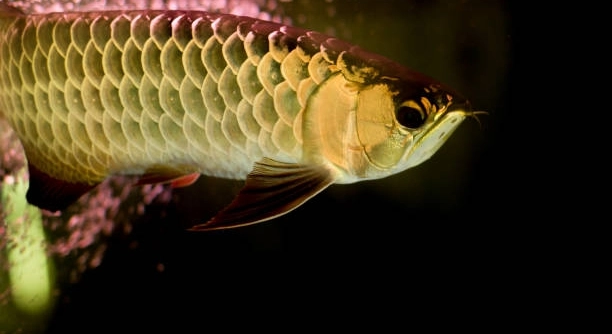
Are your arowanas showing unusual behavior around their tank? Observing them can be both fascinating and puzzling. These elegant fish have distinct ways of exploring their surroundings, which often catch owners by surprise.
When arowanas are curious, they exhibit behaviors such as circling the tank, tapping on surfaces, flicking their fins, or investigating objects with their mouths. These actions are indicators of mental stimulation and environmental awareness, reflecting their natural instincts and intelligence.
Understanding these behaviors will help you interpret your arowanas’ actions more accurately. Recognizing these signs ensures a healthier and more engaging environment for your fish.
Circling the Tank
Arowanas often swim in repetitive circles when they are curious. This behavior allows them to examine their environment from multiple angles. Watching them glide gracefully along the tank edges can be mesmerizing. It’s not just movement for movement’s sake; circling helps them feel secure while learning about new additions to the tank. Sometimes, you might notice them adjusting speed or direction depending on lighting, reflections, or objects in the water. This activity also stimulates their mind and keeps them active. Maintaining a clean tank with enough space encourages this natural behavior. Providing varied decorations or floating objects can keep them engaged. Observing these patterns can be satisfying, as each arowana has a unique swimming style. Noticing changes in their circling habits can indicate shifts in their mood or comfort level. Regular observation helps ensure that they remain healthy and curious while reducing stress.
Circling is a sign of interest and mental stimulation in arowanas. It reflects natural instincts and exploration.
Encouraging circling can improve overall tank dynamics. Changing tank layout or adding safe objects keeps arowanas active and engaged. This behavior also indicates they feel secure, helping you assess their well-being.
Tapping and Nudging Surfaces
Arowanas frequently tap or nudge glass walls when something catches their attention. This action allows them to test boundaries and investigate unfamiliar objects. You may see gentle taps or more forceful nudges depending on their level of curiosity. Repetitive tapping can also indicate excitement or heightened awareness of their surroundings. While it might seem random, this behavior is intentional and reflects intelligence. Providing smooth surfaces and avoiding sharp or rough objects ensures that tapping remains safe. Observing how they interact with tank decorations or floating items gives insight into their preferences. Some arowanas might focus on specific spots consistently, showing interest in reflections or light patterns. Understanding this behavior helps you manage tank setup and maintain a stimulating environment. It also prevents stress caused by inaccessible areas or aggressive interaction with the tank glass. Watching them test their environment can be surprisingly engaging and rewarding.
Tapping helps arowanas explore their environment, signaling curiosity and awareness of surroundings.
Regularly changing items or lighting can sustain their interest. This behavior encourages active engagement, helping arowanas remain alert, healthy, and mentally stimulated over time.
Flicking Their Fins
Flicking fins is a common behavior when arowanas are curious. It helps them gauge water currents and nearby objects. This subtle movement signals interest without expending much energy and shows their awareness of the surrounding space.
Fins serve as both sensory tools and means of communication. When an arowana flicks its fins toward an object or area of the tank, it is gathering information about texture, size, and movement. These gentle flicks also help the fish adjust their balance and position in the water. Repeated fin flicking can indicate sustained interest or excitement. Monitoring this behavior allows you to notice which areas or items attract the most attention. The pattern of flicks can vary depending on the fish’s personality, tank setup, and environmental changes. Observing these movements over time provides insight into their comfort and curiosity levels.
Flicking fins also plays a role in social interaction with other fish. Arowanas may use these gestures to indicate interest, alertness, or playful engagement. Providing objects or decorations in different areas encourages exploration and repeated fin movements, keeping them active and mentally stimulated.
Investigating Objects with Their Mouths
Arowanas often use their mouths to explore unfamiliar objects, testing texture and solidity before fully interacting. This behavior shows intelligence and careful examination rather than aggression.
Using the mouth to investigate is a natural extension of arowanas’ sensory awareness. They gently nibble or push objects to understand shape, weight, and material. This allows them to determine if an item is safe or stimulating. Floating decorations, new plants, or even reflections in the glass can attract this behavior. Mouth exploration also helps maintain mental engagement, reducing boredom in tanks with limited features. Some arowanas may perform repeated tests on the same object, showing preference or fascination. Owners can use this behavior to introduce enrichment items that encourage natural instincts. Monitoring the intensity and frequency of these interactions ensures that curiosity doesn’t lead to harm or accidental injury.
Mouth exploration enhances problem-solving skills and mental stimulation. By offering varied textures and objects, arowanas remain active, alert, and engaged in their environment. This also provides a healthy outlet for natural curiosity and instinctual behavior, keeping their tank experience dynamic and interesting.
Following Movements
Arowanas often follow movements outside the tank, whether it’s your hand or floating objects. This behavior shows focus and attentiveness, reflecting their curiosity and intelligence.
Tracking movement helps them learn about potential food sources and changes in their environment. It keeps them mentally engaged and alert.
Investigating Corners
Arowanas frequently explore tank corners with care, inspecting tight spaces and hidden areas. This behavior ensures they understand the full layout of their environment and feel secure in every part of the tank.
Reacting to Shadows
Shadows passing over the tank often trigger quick glances or brief swims. This response is part of their natural vigilance and observational behavior.
Why does my arowana circle the tank so often?
Circling is a natural behavior for arowanas, especially when they are curious. It allows them to observe their surroundings from multiple angles and assess potential changes in their environment. Regular circling indicates mental engagement and comfort within the tank.
This behavior also helps arowanas feel secure. By moving along the edges and around decorations, they gather information about possible hiding spots or obstacles. Changes in their circling pattern may signal stress, boredom, or health concerns. Offering adequate swimming space and varying tank features encourages healthy exploration while preventing repetitive or compulsive behavior.
Why does my arowana tap or nudge the tank glass?
Tapping or nudging is a way for arowanas to interact with their surroundings. It can indicate curiosity, excitement, or testing the physical properties of objects near them. This behavior is intentional and reflects their awareness of their environment.
They may tap to investigate reflections, new decorations, or even floating items. Gentle nudges help them assess solidity and boundaries. Consistent tapping is normal, but overly forceful contact can suggest stress or frustration. Maintaining a clean, well-organized tank with smooth surfaces ensures that tapping is safe and reduces the risk of injury.
Why does my arowana flick its fins?
Fin flicking is a subtle but important sign of curiosity. It allows arowanas to gauge water currents, maintain balance, and interact with nearby objects. This movement is often a gentle form of exploration rather than agitation.
Frequent flicking indicates that the fish is mentally engaged and alert. Observing patterns in fin movement can reveal their focus on specific areas or objects in the tank. Encouraging environmental enrichment through floating decorations or varied structures can promote healthy fin activity. This behavior also helps owners identify comfort levels and overall well-being.
Why does my arowana investigate objects with its mouth?
Using the mouth to explore is a key way arowanas interact with new items. It allows them to test textures, shapes, and stability, providing both sensory feedback and mental stimulation.
Gentle nibbling or pushing helps them determine whether an object is safe or interesting. Repeated testing shows preference or fascination, while avoiding sharp or unsafe items is crucial. Providing enrichment like floating objects or smooth decorations keeps this behavior safe and engaging. Observing mouth exploration offers insight into their natural instincts and cognitive development.
Why does my arowana follow movements outside the tank?
Arowanas track movement to gather information about potential food sources or changes in their surroundings. This behavior demonstrates focus, attentiveness, and curiosity.
Following your hand, floating items, or passing objects is a sign of mental engagement. It encourages exercise and interaction with the environment, preventing boredom. Arowanas benefit from safe visual stimulation, which can include rearranging tank decorations or introducing moving elements in a controlled manner.
Why does my arowana explore corners of the tank?
Investigating corners ensures that arowanas understand their entire habitat. These tight spaces may be used for hiding or feeling secure.
Exploring corners is part of natural inspection behavior. Arowanas check for potential obstacles or safe areas and often revisit corners to confirm safety. Keeping corners accessible and free of sharp or hazardous objects allows safe exploration. Observing corner inspection patterns helps gauge curiosity, comfort, and overall tank satisfaction.
Why does my arowana react to shadows?
Shadows passing over the tank trigger a quick glance or a brief swim. This is part of their natural alertness and vigilance.
Reacting to shadows is instinctual. Arowanas are attentive to changes in lighting or movement that could indicate predators or new objects. This behavior is not harmful and shows they are engaged with their surroundings. Consistent observation of their shadow responses helps owners understand sensitivity levels and environmental preferences.
How can I safely encourage curiosity in my arowana?
Providing a variety of tank decorations, floating objects, and safe areas encourages exploration. Adjusting lighting and rearranging objects occasionally keeps the environment engaging.
Maintaining clean water, appropriate temperature, and a balanced diet supports mental and physical well-being. Observing individual preferences ensures enrichment is tailored to each arowana’s personality. Avoid overcrowding and sharp items, allowing them to interact freely and safely with new features. Promoting curiosity through stimulation benefits health, reduces stress, and encourages natural behaviors that enhance their overall quality of life.
What signs show my arowana is too stressed or bored?
Repeated, obsessive movements, lack of interest in objects, or excessive hiding may indicate stress or boredom. Changes in appetite or energy levels are also telling signs.
Arowanas that do not explore or respond to environmental stimuli may need adjustments to their tank setup or enrichment options. Providing interactive features, rearranging decorations, and ensuring adequate space can reduce stress. Regular observation helps detect subtle behavior changes early, preventing long-term issues and promoting a healthier, more engaging environment for the fish.
How can observing these behaviors improve my care routine?
Watching arowanas’ actions allows you to understand their curiosity, preferences, and comfort levels. This insight helps create a more suitable habitat.
Noting circling patterns, fin flicking, and object interaction informs decisions about tank layout, enrichment, and environmental changes. Being attentive helps prevent stress, encourages mental stimulation, and promotes healthy natural behaviors. Adjustments based on these observations ensure long-term well-being and a more interactive, engaging environment for your arowanas.
Observing arowanas in your tank can be both fascinating and informative. These fish display a wide range of behaviors that reflect their natural instincts and intelligence. From circling the tank to flicking their fins, each action carries meaning and can tell you a lot about their mood and curiosity. Understanding these behaviors allows you to create a more suitable environment that meets both their physical and mental needs. Simple actions like tapping the glass, exploring corners, or investigating objects with their mouths are not random; they are ways arowanas interact with their surroundings, ensuring they stay alert and stimulated. Paying attention to these small details can make a significant difference in their overall well-being and help you respond to their needs more effectively.
Creating a stimulating and safe environment is essential for encouraging healthy behavior in arowanas. Providing enough space to swim, adding smooth decorations, and introducing floating objects or varied textures can promote natural exploration and curiosity. These small changes help prevent boredom and support mental development. It is also important to monitor their responses to changes in the tank, as this can give clues about their comfort levels and preferences. Maintaining clean water, proper temperature, and a balanced diet supports both their physical health and energy levels, allowing them to engage fully with their environment. By observing their actions and adjusting their surroundings accordingly, you can foster behaviors that indicate happiness, alertness, and overall health, ensuring that your arowanas thrive in captivity.
Regularly paying attention to their behaviors also strengthens your ability to detect any early signs of stress, illness, or discomfort. Changes in circling patterns, fin flicking, or interaction with objects can indicate that something in the tank needs attention. By understanding and interpreting these behaviors, you can make adjustments that improve their quality of life. Providing consistent care while allowing room for curiosity ensures that arowanas remain active, alert, and mentally stimulated. This attentive approach not only benefits the fish but also makes caring for them a more rewarding experience. Observing their curiosity, recognizing their needs, and responding appropriately helps you maintain a healthy, engaging, and balanced environment where your arowanas can thrive over the long term.

Hello,
If you enjoy the content that we create, please consider saying a "Thank You!" by leaving a tip.
Every little bit helps us continue crafting quality advice that supports the health, happiness, and well-being of pets around the world, for pets of all shapes, sizes, and species.
We really appreciate the kindness and support that you show us!