
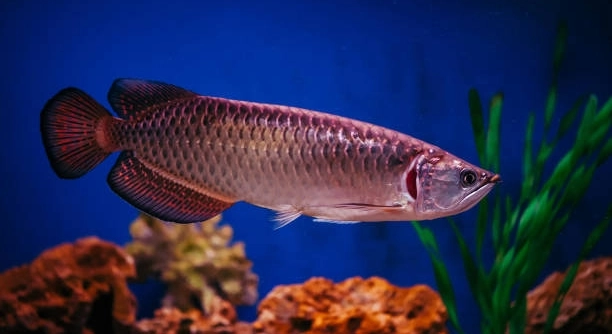
Have you ever set up an arowana tank and noticed how empty it looked without any background? Many aquarists wonder if adding a tank background can make their setup look more natural and complete for their fish.
Using tank backgrounds for arowanas can provide visual depth, reduce stress, and enhance the aquarium’s aesthetics. Backgrounds can simulate a natural environment while preventing reflections and distractions, ultimately supporting the fish’s well-being and maintaining a cleaner appearance in the tank.
Choosing the right background involves more than just color. Small details can make a big difference in your arowana’s comfort and your tank’s overall look.
Choosing the Right Background Material
Selecting the right background material for an arowana tank can change the entire look and feel of the aquarium. Many people use vinyl or printed backgrounds because they are easy to clean and resistant to water damage. Foam and rock-style backgrounds add texture and can create hiding spaces for the fish, which helps reduce stress. Some aquarists prefer natural materials like cork bark or slate, as these can make the tank appear more like a natural riverbed. While natural backgrounds look great, they require more maintenance and careful cleaning to prevent algae growth or water contamination. The color of the background also affects the tank’s appearance. Dark colors can make the arowana’s colors pop, while lighter backgrounds give a brighter, more open feeling. Positioning the background properly ensures it stays submerged and does not trap air bubbles, which can be distracting for both the fish and the viewer.
Choosing a durable and easy-to-clean background is the best way to maintain a long-lasting setup for your arowana.
The placement of the background matters as much as the material. It should cover the entire rear wall of the tank and reach close to the substrate. Avoid leaving gaps where water can seep behind, as this may cause mold or algae buildup. If you use 3D backgrounds, make sure they do not limit swimming space or create sharp edges that could injure your arowana. Testing the background for fit before securing it is essential, as adjustments are harder once the tank is filled. Some backgrounds also benefit from being slightly curved or angled to reduce reflections, which can stress the fish. Maintaining the background with occasional cleaning prevents buildup and keeps the tank looking natural. Overall, a well-chosen background enhances aesthetics, supports fish behavior, and makes the aquarium easier to manage over time.
Benefits of Using a Background
Adding a background can make the tank look more polished and reduce stress for arowanas.
Backgrounds provide a visual boundary that prevents fish from seeing constant movement outside the tank. This reduces anxiety and makes the fish feel more secure. A stable backdrop can also improve photography or viewing experiences by eliminating distractions. Beyond aesthetics, backgrounds can support beneficial bacteria if porous materials are used, contributing to the tank’s ecological balance. For arowanas, which are large and active swimmers, a clear sense of space helps them navigate confidently. Choosing a background that mimics natural habitats encourages natural behavior and enhances coloration, making the fish appear healthier. Regular cleaning and occasional adjustments ensure the background continues to serve its purpose without interfering with water quality or tank maintenance.
Dark vs. Light Backgrounds
Dark backgrounds make arowanas’ colors appear more vibrant and help hide equipment like filters and heaters. They also reduce stress by limiting reflections and bright glares, creating a calmer environment for the fish.
Choosing between dark and light backgrounds depends on the effect you want. Dark backgrounds are great for showing off the fish’s natural colors, especially red or gold arowanas. They also give a sense of depth, making the tank look larger than it is. Light backgrounds create an open, airy feel but can make the fish appear less vivid. They also show debris and algae more clearly, requiring frequent cleaning. Personal preference and the tank’s lighting setup influence the final choice. Some aquarists even combine colors or add gradients to balance aesthetics with practicality.
The background color also affects how you decorate the tank. A dark backdrop works well with natural driftwood and plants, while lighter backgrounds complement bright substrate or artificial decorations. Matching the color of the background to your tank’s theme ensures a cohesive, visually pleasing aquarium. It’s important to consider both appearance and fish comfort when selecting the right option for your arowana.
Installing the Background
Proper installation keeps the background secure and avoids water seeping behind it. Using aquarium-safe adhesives or suction cups works best.
Before placing the background, measure the tank carefully to avoid gaps or uneven edges. Rinse or wipe the background to remove dust or debris. For 3D backgrounds, check that all parts are smooth and stable, preventing injuries or trapped water pockets. Position it so it sits flush against the glass, and if necessary, slightly bend flexible materials to reduce air bubbles. Securing it properly ensures it stays in place even during cleaning or water changes, keeping the tank safe and visually appealing.
Installation also affects maintenance and long-term durability. Vinyl or printed backgrounds are easier to adjust, but foam and rock-style backgrounds may need extra support to prevent sagging. Avoid sharp corners and edges, which can scratch glass or stress the fish. Make sure the background does not interfere with filtration or other equipment. Once installed, monitor the tank for a few days to ensure water circulation is not disrupted and no algae or debris collects behind the background. A well-installed backdrop contributes to a healthy, attractive environment for your arowana.
Cleaning and Maintenance
Regular cleaning prevents algae buildup and keeps the background looking fresh. Wiping with a soft cloth or sponge is usually enough.
Avoid harsh chemicals that could harm your arowana. Mild soap or aquarium-safe cleaners work best, and rinse thoroughly before placing the background back in the tank.
Natural vs. Artificial Backgrounds
Natural backgrounds like rocks, cork bark, or driftwood create a more authentic environment, encouraging natural behaviors and providing hiding spots. Artificial backgrounds, such as printed vinyl or foam panels, are easier to clean, resist water damage, and allow more control over color and texture. Choosing depends on how much maintenance you want and the visual effect you prefer. Some aquarists even mix both types to combine realism with convenience, balancing aesthetics with practicality while ensuring the arowana has a secure, comfortable space.
Common Mistakes to Avoid
Placing the background too close to filters or heaters can create hotspots or restrict water flow.
FAQ
Do arowanas need a tank background?
Arowanas don’t strictly need a background, but it can help reduce stress and make the tank feel more secure. Seeing open spaces or reflections can sometimes confuse or scare them, so a background provides a visual boundary and a sense of safety.
Can any background be used for an arowana tank?
Not every background is suitable. Materials should be non-toxic, water-resistant, and easy to clean. Avoid anything that can leach chemicals or fade over time. Smooth surfaces are best to prevent scratches or injuries, especially for large, active arowanas.
How often should I clean the tank background?
Cleaning depends on the type of background and tank conditions. For vinyl or printed backgrounds, wiping down once a month is often enough. For 3D or porous natural backgrounds, check weekly for algae, debris, or trapped food, and rinse as needed.
Do dark backgrounds stress arowanas less than light ones?
Generally, yes. Dark backgrounds reduce glare and reflections, which can make fish feel safer. They also help highlight the arowana’s colors. Light backgrounds can create an open feeling but may show movement and reflections that can stress the fish.
Can backgrounds affect water quality?
Yes, especially natural backgrounds like driftwood or rocks. Some materials can change pH or release tannins. Artificial backgrounds usually have minimal impact, but it’s important to rinse everything before installation and monitor water parameters afterward.
Are 3D backgrounds better than flat ones?
3D backgrounds can provide hiding spots and make the tank more visually interesting. They help fish feel secure by adding texture and depth. Flat backgrounds are easier to clean and maintain but may not offer the same sense of security for an arowana.
Will backgrounds interfere with filtration or equipment?
If installed correctly, they shouldn’t. Problems usually arise if the background blocks water flow, traps debris behind it, or pushes against filters or heaters. Measuring and positioning carefully prevents these issues.
Can backgrounds help show off arowana colors?
Yes. Dark backgrounds make colors like gold, red, or silver appear more vivid. Choosing the right color can enhance your fish’s natural beauty while keeping the tank visually balanced. Some aquarists combine gradient or patterned backgrounds for extra effect.
How long do tank backgrounds last?
Lifespan depends on the material. Vinyl or printed backgrounds can last several years with proper care. 3D or natural backgrounds may need replacement sooner if they degrade or develop algae issues. Regular cleaning and monitoring prolong their life.
Are there safety concerns with tank backgrounds?
Safety depends on installation and material choice. Ensure edges are smooth, adhesives are aquarium-safe, and nothing blocks swimming space. Poorly secured backgrounds can fall or create air pockets, which could injure the fish or disrupt water circulation.
Can backgrounds be changed after installation?
Yes, but it requires careful handling. Remove the fish or move them temporarily, clean the tank, and ensure the new background fits securely. Flexible backgrounds are easier to swap than rigid 3D designs.
Do backgrounds affect aquarium lighting?
Yes, indirectly. Dark backgrounds absorb light, making the tank appear deeper, while light backgrounds reflect light, brightening the tank. Consider the combination of background color and lighting to avoid overly dim or harsh setups.
Is it worth investing in a high-quality background?
For long-term maintenance and aesthetics, yes. High-quality backgrounds resist fading, are safer for the fish, and last longer. Cheaper options may require frequent replacement and can affect the tank’s appearance or water quality.
Do backgrounds impact fish behavior?
They can. Backgrounds reduce stress by creating visual boundaries, which encourages natural swimming patterns and resting behavior. Arowanas may be more confident and less skittish with a well-chosen background.
How do I know which background is right for my tank?
Consider your arowana’s size, tank dimensions, and personal preference. Balance aesthetics with practicality. Think about color, material, maintenance, and fish comfort. Testing a temporary setup or small sample can help determine what works best.
This FAQ covers common questions about backgrounds for arowanas, addressing stress reduction, aesthetics, safety, and maintenance. Each choice influences both the appearance of your tank and the well-being of your fish, making thoughtful selection important for a thriving aquarium.
Choosing the right background for an arowana tank is an important part of creating a comfortable and visually pleasing environment. A background does more than just make the tank look complete. It helps the fish feel secure by providing visual boundaries and reducing reflections, which can sometimes confuse or stress them. While arowanas can live without a background, adding one can improve their overall well-being and make the aquarium feel more natural. There are many options available, from flat vinyl or printed designs to textured 3D backgrounds and natural materials like rocks or driftwood. Each choice has its benefits and challenges, so it is important to consider the needs of your fish and the practical aspects of maintenance. Thinking about color, texture, and material will help create a tank that is safe, comfortable, and visually appealing at the same time.
Dark backgrounds are particularly effective in highlighting the colors of arowanas. Gold, red, and silver varieties tend to stand out more against darker shades, which can make the fish appear healthier and more vibrant. Dark backgrounds also reduce glare and reflections, which helps prevent stress for the fish. Light backgrounds give a brighter, more open feeling, but they can show debris more easily and may make the fish look less vivid. 3D or natural backgrounds can create hiding spots or mimic a riverbed, supporting natural behaviors such as exploring and resting. While they look attractive, they require extra care to prevent algae buildup or trapped debris. Vinyl or printed backgrounds are easier to clean and maintain, though they may not provide the same sense of depth. Overall, the background’s color, design, and material all contribute to both the fish’s comfort and the tank’s overall presentation.
Maintenance and installation are just as important as choosing the right background. A poorly installed background can create gaps where water can get trapped, leading to mold, algae, or water circulation issues. Proper cleaning with aquarium-safe methods prevents buildup while keeping the tank looking neat. Monitoring the tank after installation ensures the background does not interfere with filtration or heating systems. A well-chosen and correctly installed background can last for many years, providing long-term benefits to both the fish and the aquarist. Taking the time to select, install, and maintain a background thoughtfully will make the tank safer, more attractive, and more enjoyable to watch, while supporting the health and behavior of the arowana.

Hello,
If you enjoy the content that we create, please consider saying a "Thank You!" by leaving a tip.
Every little bit helps us continue crafting quality advice that supports the health, happiness, and well-being of pets around the world, for pets of all shapes, sizes, and species.
We really appreciate the kindness and support that you show us!