
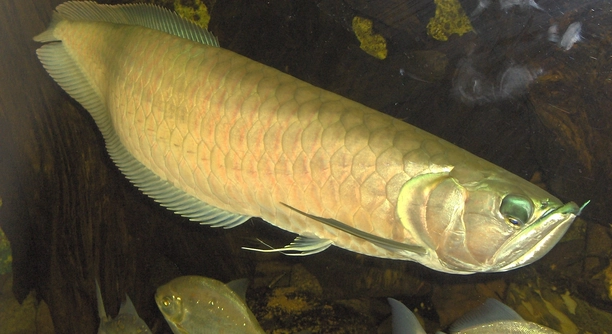
Are your Arowanas seeming restless or less active in their tank? Creating the right environment is key to keeping these majestic fish happy. Tank layout plays a bigger role in their well-being than many fish owners realize.
Proper tank placement ensures Arowanas have enough space to swim freely while maintaining a balanced environment. Thoughtful arrangement of decorations, hiding spots, and open swimming areas reduces stress, promotes natural behavior, and improves overall health and longevity.
Small adjustments in tank setup can make a noticeable difference in your Arowanas’ comfort. Learning how to arrange their habitat effectively sets the stage for a calmer, healthier fish.
Choosing the Right Tank Location
Finding the perfect spot for your Arowana tank makes a big difference. I usually place mine in a room with stable temperature and low direct sunlight. Sudden light changes or drafts can stress fish. It’s important to avoid areas near doors or high-traffic spots, because constant movement and vibrations can make your fish nervous. Elevation matters too; a low, sturdy stand helps prevent accidents. I also consider proximity to electrical outlets for filters, heaters, and lighting. Noise is another factor. Even though Arowanas are hardy, loud, constant sounds can affect their behavior. Choosing a location that balances light, temperature, and quiet creates a stable, comfortable home. I always make sure I can access the tank easily for feeding and maintenance. Over time, I noticed my Arowanas swim more confidently and seem calmer when the tank sits in a consistent, peaceful environment, away from sudden changes or disturbances.
A stable, low-traffic location reduces stress and supports healthier behavior in Arowanas. It also makes routine care easier to manage.
Picking the right location isn’t just about safety; it influences mood, swimming patterns, and feeding habits. A room with moderate lighting, no drafts, and minimal noise creates a calm space. Even subtle vibrations or fluctuating temperatures can cause hesitation or stress. Over time, consistent placement encourages natural movement and lowers aggression. Regular observation from a stable spot helps notice changes in behavior or health early. Small choices like distance from windows or doors, and keeping the tank on a solid stand, have lasting benefits. Proper placement also supports filtration and heating efficiency. This balance helps maintain water quality and ensures the Arowana thrives. Ultimately, a thoughtfully chosen location leads to happier, more active fish, making daily care and observation easier and more rewarding.
Arranging Decorations and Hiding Spots
Arowanas need both open swimming areas and places to hide. Simple driftwood, rocks, or artificial caves can work well.
Using decorations thoughtfully creates zones within the tank. Avoid overcrowding, as Arowanas need plenty of space to move. Rocks and driftwood offer resting or hiding spots, reducing stress during feeding or when new tankmates are introduced. Plants can provide cover but choose sturdy species since Arowanas may uproot delicate ones. I like to leave a clear central area for swimming, with decorations around the edges. This balance encourages natural behavior and gives the tank a clean, organized look. Smooth surfaces and rounded decorations prevent injuries. Over time, I noticed that when hiding spots are available, my Arowanas seem less skittish and explore more freely. Proper arrangement also makes maintenance easier since decorations don’t block filters or obstruct cleaning.
Arranging decorations carefully ensures safety, promotes natural behavior, and keeps the tank visually appealing. Well-placed zones benefit both the fish and daily maintenance routines.
Maintaining Proper Water Flow
Good water flow is important for Arowanas to stay healthy. I keep filters strong enough to circulate water but avoid strong currents that tire the fish. Consistent flow helps oxygenate water and reduces waste accumulation.
Strong currents can stress Arowanas if they are too forceful. I adjust filter output to create gentle movement across the tank. Positioning the filter near one side helps water circulate without creating a constant push against the fish. This way, the Arowana can swim freely, choosing when to move with or against the current. Water movement also prevents stagnation, keeping debris suspended for filtration. Proper circulation improves oxygen levels, helping fish remain active and alert. I often check for dead spots in corners and adjust decorations or flow direction to maintain even movement throughout the tank.
I noticed that when water flow is balanced, Arowanas swim confidently and feed more consistently. Too little flow can lead to poor oxygenation, while too much can tire them quickly. Finding the right balance involves observing how fish react and adjusting filter settings. I sometimes combine a gentle powerhead with the main filter to improve circulation without creating turbulence. Over time, this approach reduces stress, encourages exploration, and helps maintain overall tank health. Arowanas benefit from areas of both calm and gentle current, supporting their natural swimming instincts.
Strategic Lighting Placement
Lighting placement affects both fish behavior and plant growth. I use soft, indirect lighting and avoid harsh, direct sunlight that can stress Arowanas.
Consistent lighting schedules help regulate Arowanas’ day-night cycle. I keep lights on for 8-10 hours daily, giving fish predictable conditions. Bright lights near plants promote growth, while shaded areas provide hiding spots. I position the tank away from windows to prevent excessive temperature fluctuations and algae blooms caused by sunlight. Adjustable LED lights allow me to create gentle gradients of brightness, letting fish move freely between light and shadow. Over time, this reduces stress and encourages natural swimming and resting patterns.
Proper lighting enhances visibility while maintaining comfort. Soft, indirect lighting with shaded areas lets Arowanas choose their preferred brightness. I balance brightness for plants and fish activity. Consistent light cycles reduce stress and support natural rhythms, helping fish feel secure. I avoid sudden changes, like turning lights on or off abruptly, to prevent startling them. I also experiment with dimming during feeding times to encourage calmer, more confident eating. The combination of well-placed lights and shaded zones helps create a balanced environment, ensuring fish remain active, healthy, and less prone to stress-related behaviors.
Tank Height and Depth
Arowanas need enough height to swim comfortably. I make sure the tank is tall enough for vertical movement and turning without hitting the surface. Proper depth reduces stress and encourages natural swimming.
Deeper tanks also allow for better water layering and temperature stability. I have noticed that my Arowanas swim more confidently in a tank with sufficient vertical space, exploring different levels freely. It gives them room to stretch fully and display their natural elegance.
Placement of Feeding Area
I place feeding zones in one consistent spot. This prevents the fish from scattering and reduces stress during meals.
A fixed feeding area helps establish routine and allows observation of eating habits. I scatter food gently, ensuring Arowanas can reach it without competing too aggressively. Over time, this improves feeding efficiency and reduces leftover debris in the tank.
Avoiding Clutter
Too many decorations can make the tank feel cramped. I leave open swimming areas to promote natural behavior.
Positioning Near Walls
Placing the tank away from direct walls or corners helps avoid reflections that can confuse Arowanas. I maintain a small buffer space to reduce stress and encourage natural movement.
FAQ
How often should I change the water in my Arowana tank?
Regular water changes are essential to keep your Arowanas healthy. I usually replace 20-25% of the water every week. This helps remove accumulated waste and toxins while keeping the water chemistry stable. Frequent partial changes are better than occasional full water replacements.
What type of substrate works best for Arowanas?
I prefer smooth sand or fine gravel. Sharp substrates can injure their delicate undersides. Sand also allows easier cleaning and prevents food from getting trapped. Some owners use bare-bottom tanks, which simplify maintenance, but I like a natural look with minimal risk of injury.
Can Arowanas live with other fish?
Arowanas are semi-aggressive and can eat smaller tankmates. I usually keep them with larger, peaceful species. Overstocking or choosing aggressive companions can lead to stress and injury. Tank size also matters; larger tanks reduce territorial disputes. Observation is key to preventing conflicts.
How high should the water temperature be?
Arowanas thrive in water between 75-82°F. I use a reliable heater and thermometer to maintain this range consistently. Sudden temperature drops or fluctuations can cause stress and make fish susceptible to disease. Gradual adjustments are safest.
Do Arowanas need hiding spots even if they are large?
Yes, even large Arowanas appreciate cover. I use driftwood or rocks to create shaded areas. Hiding spots reduce stress during feeding or when introducing new tankmates. It encourages natural behavior and provides a sense of security in the aquarium.
How much should I feed my Arowana?
I feed mine once or twice a day with a mix of pellets and live or frozen foods. Overfeeding can pollute water and cause health problems. A balanced diet supports growth, coloration, and overall vitality. I monitor their appetite and adjust portions accordingly.
Is tank size really that important?
Absolutely. I recommend at least a 250-gallon tank for adult Arowanas. Sufficient space allows free swimming and reduces stress. Cramped tanks can lead to aggression, stunted growth, and poor health. Open areas with strategically placed decor make the fish feel more comfortable.
Do Arowanas need strong lighting?
Moderate lighting works best. I avoid harsh direct light and use soft LEDs. Proper lighting supports plant growth and natural behavior. Shaded areas give fish choice and comfort. Sudden changes in light can startle them, so gradual transitions are preferable.
Can Arowanas jump out of the tank?
Yes, they are strong jumpers. I always use a secure lid with no gaps. Even small splashes can be dangerous if the fish escapes. Providing a calm environment and avoiding sudden disturbances near the tank helps reduce jumping.
How do I know if my Arowana is stressed?
Signs include hiding excessively, loss of appetite, rapid gill movement, or unusual swimming patterns. I monitor behavior daily and adjust tank conditions as needed. Stress often comes from poor water quality, inappropriate tank mates, or sudden changes in lighting or temperature.
Are decorations important for Arowanas?
Decorations matter for both comfort and behavior. I use driftwood, rocks, and plants to create zones, providing swimming lanes and shaded areas. Proper arrangement encourages natural exploration and resting spots while preventing injuries from overcrowding.
How can I maintain good water quality?
Consistent filtration, regular partial water changes, and avoiding overfeeding are key. I test pH, ammonia, nitrite, and nitrate levels weekly. Maintaining a balanced, clean environment prevents disease and ensures your Arowanas remain active and healthy.
Do Arowanas need companions?
They can live alone or with compatible tankmates. I usually keep one per large tank unless the species and temperament allow cohabitation. Overcrowding increases stress and aggression, so careful planning is necessary. Proper tank size and arrangement help support peaceful interactions.
Can Arowanas live in planted tanks?
Yes, but I choose sturdy plants or artificial ones. Arowanas can uproot delicate plants while exploring. Combining decor and plants helps create hiding spots and visual barriers, enriching the environment without causing damage.
How do I introduce a new Arowana to an existing tank?
I quarantine new fish for at least two weeks. Gradual acclimation to temperature and water parameters reduces stress. When introducing them, I rearrange decorations to minimize territorial behavior and observe interactions closely. Patience prevents injuries and helps fish adjust comfortably.
Are floating decorations necessary?
Not always, but floating plants provide cover and break up light, reducing stress. I use them sparingly to allow enough open space for swimming while giving fish shaded areas. Balance is important for both comfort and aesthetic appeal.
What’s the best way to clean the tank without stressing the fish?
I clean filters outside the tank using tank water to preserve beneficial bacteria. Partial water changes and gentle substrate vacuuming reduce stress. I avoid sudden movements or loud noises during maintenance. Consistency keeps fish calm and water quality high.
How long can Arowanas live with proper care?
With good care, Arowanas can live 15-20 years or more. I focus on proper tank size, diet, water quality, and stress reduction. Longevity depends on consistent care, observation, and creating an environment that mimics their natural behavior.
Can Arowanas tolerate different water hardness?
They are adaptable but prefer slightly soft to moderately hard water. I maintain stable parameters and avoid sudden shifts in hardness or pH. Gradual adjustments are safer if changes are needed. Proper water chemistry supports health, coloration, and immune function.
Do Arowanas need a specific type of filter?
Strong filtration is necessary to handle large waste output. I use canister or sump filters for consistent flow and efficient cleaning. Multiple filtration stages, including mechanical, biological, and chemical, help maintain optimal water quality for long-term health.
How do I prevent disease in Arowanas?
I quarantine new fish, maintain clean water, and feed a balanced diet. Observing behavior and treating minor issues early prevents serious problems. Avoid overcrowding and stress, as these increase susceptibility to infections and parasites. Preventive care ensures active, healthy fish over time.
Are water conditioners necessary?
Yes, I always treat tap water to remove chlorine, chloramine, and heavy metals. Conditioners make water safe immediately and reduce stress. Consistent use protects delicate gills and supports overall health.
Can Arowanas recognize their owner?
They can learn routines and respond to feeding times. I notice mine follow movement near the tank and show excitement during feeding. While not affectionate in the traditional sense, they are observant and responsive to familiar patterns.
Is a quarantine tank really needed?
Yes, quarantine prevents diseases from spreading. I use a separate tank for at least two weeks for observation, treatment, and acclimation before introducing new fish to the main tank. This simple step saves time and stress in the long run.
Do Arowanas need a resting area?
They benefit from calm zones with lower light and minimal current. I use shaded corners or hiding spots for rest. Proper resting areas help reduce stress, improve appetite, and support healthy growth and swimming behavior.
How can I tell if my Arowana is happy?
Active swimming, consistent appetite, bright coloration, and calm behavior indicate well-being. I monitor movement patterns and interaction with the environment. Healthy fish explore open spaces, rest appropriately, and show curiosity without signs of stress.
Are there special considerations for juvenile Arowanas?
Juveniles need more space relative to their size as they grow. I feed them smaller, frequent meals and monitor water quality closely. Decorations and hiding spots should accommodate growth, preventing injuries and supporting proper development.
Can Arowanas tolerate cooler temperatures at night?
They prefer stable warmth. Small drops are usually tolerated, but sudden cold can stress them. I maintain consistent temperature and use heaters if needed, ensuring night conditions remain within their comfort range.
Do Arowanas need supplemental vitamins?
Occasionally, yes. I provide a varied diet including pellets, live foods, and frozen items to cover nutritional needs. Supplementation supports coloration, immunity, and overall vitality. Overuse is avoided to prevent health issues.
How do I handle aggression in the tank?
I separate aggressive fish and ensure sufficient space. Rearranging decor and providing hiding spots reduces confrontations. Observation and careful tank management prevent injury and stress, maintaining harmony among inhabitants.
Can Arowanas jump over tank lids?
Yes, they are strong jumpers. I always use a secure, well-fitting lid and minimize sudden disturbances. Observing behavior and providing calm conditions reduces attempts to escape.
Are live plants necessary for Arowanas?
Not necessary, but sturdy plants improve aesthetics and create shaded areas. I choose species that tolerate digging and occasional nibbling. Artificial plants can also work without compromising tank safety or decoration.
How often should I test water parameters?
Weekly testing is ideal. I check pH, ammonia, nitrite, nitrate, and temperature. Regular monitoring ensures early detection of issues and maintains a stable environment. Consistency helps prevent stress-related illness.
What is the ideal tank shape for Arowanas?
Long tanks are better than tall, narrow ones. I provide ample horizontal swimming space. Arowanas prefer moving forward freely, so length matters more than height, although vertical space should still allow natural movement.
Can Arowanas live in community tanks?
Yes, with careful planning. I pair them with large, peaceful species to avoid aggression. Proper tank size, hiding spots, and observation reduce conflicts and ensure a balanced environment.
Do Arowanas need a specific diet?
A balanced diet is essential. I rotate pellets, live foods, and frozen options to provide protein, vitamins, and minerals. Variety supports growth, coloration, and immunity. Overfeeding or limited diets can lead to health problems and water quality issues.
How do I prevent jumping during feeding?
I feed calmly, avoid sudden movements, and use floating or sinking foods carefully. Secure lids and predictable feeding routines reduce excitement that can lead to jumping. Gentle handling minimizes stress and risk of escape.
Is water hardness important for Arowanas?
Moderate water hardness is preferred. I maintain slightly soft to moderately hard water and avoid rapid changes. Stable hardness supports overall health, reduces stress, and ensures proper mineral balance for growth and immunity.
Do Arowanas need UV sterilizers?
Optional, but I use them to reduce free-floating pathogens and algae. UV sterilizers complement filtration, improving water clarity and preventing disease. They are not a replacement for regular maintenance or proper husbandry practices.
Can Arowanas tolerate brackish water?
Mostly freshwater is best. Some species tolerate slight salinity, but I maintain stable freshwater conditions to reduce stress and ensure optimal health. Sudden changes in salinity can be harmful.
How do I keep my Arowana active?
I provide open swimming space, gentle currents, and a varied diet. Interactive feeding and occasional tank rearrangements stimulate natural behavior. Active fish are generally healthier and display better coloration.
Are ornaments necessary for Arowanas?
Not strictly, but I use them to create zones and resting areas. Properly placed decorations reduce stress, provide hiding spots, and allow exploration, enhancing overall comfort and environmental enrichment.
Do Arowanas recognize reflections?
Yes, reflections can confuse or stress them. I avoid placing tanks near mirrors or reflective surfaces and use decor to break reflections. This prevents aggression or fear responses caused by seeing their own image.
Can Arowanas live in a bare-bottom tank?
Yes, it simplifies cleaning and reduces trapped debris. I sometimes use bare-bottom setups for easier maintenance but ensure plenty of swimming space and some hiding areas. It works well for large, active fish.
How do I acclimate a new Arowana?
I float the bag in tank water to equalize temperature, then gradually mix tank water. Slow acclimation reduces stress and prevents shock. Observation during the first days ensures smooth adaptation to new conditions.
What is the best way to feed live foods?
I provide live foods in small quantities, ensuring they are safe and disease-free. Feeding in one area helps monitor consumption and reduces leftover waste. Variety and moderation prevent overfeeding and maintain water quality.
Do Arowanas need hiding at night?
Yes, I create shaded or covered zones to help them rest. Proper nighttime cover reduces stress, encourages natural resting behavior, and supports overall health.
Can Arowanas tolerate tap water?
Only if treated. I use water conditioners to remove chlorine, chloramine, and heavy metals. Treated tap water is safe and prevents gill damage or stress.
How important is tank maintenance?
Essential. I maintain filtration, perform regular water changes, and clean decorations and substrate carefully. Consistent maintenance ensures water quality, reduces disease risk, and keeps Arowanas healthy.
Do Arowanas interact with each other?
Interaction depends on temperament and space. I observe signs of dominance, stress, or aggression. Proper tank size and hiding areas reduce conflict and promote peaceful cohabitation when multiple fish are kept.
Can Arowanas tolerate other large fish?
Yes, if tank mates are non-aggressive and of similar size. I monitor interactions closely and separate fish if aggression occurs. Compatibility depends on personality and tank conditions.
How do I prevent fin damage?
I avoid sharp decor and overcrowding. Smooth surfaces and minimal aggression reduce injuries. Regular observation helps catch minor damage early, preventing infections or worsening conditions.
Are bubble nests a concern?
No, Arowanas do not build nests. Observing surface behavior is more about breathing and exploration than breeding activity.
Do Arowanas need daily observation?
Yes, I check behavior, appetite, and water conditions daily. Early detection of issues prevents stress, disease, and accidents, supporting long-term health and well-being.
How do I reduce algae growth?
I balance lighting, avoid overfeeding, and maintain filtration. Occasional cleaning or algae-eating tankmates help. Excess light or nutrients increases algae, so moderation is key.
Can Arowanas live in a tank with strong water currents?
They prefer gentle currents. I adjust filter output to prevent fatigue. Open swimming areas with mild flow let them move naturally while avoiding stress from excessive water movement.
Do Arowanas need regular exercise?
Yes, swimming space and occasional interactive feeding encourage activity. Active fish maintain muscle tone, health, and natural behavior patterns. Overcrowding limits exercise and can affect well-being.
Are tank covers necessary at night?
I always use a secure cover. It prevents jumping and protects fish from disturbances or falling objects. Covers contribute to safety and peace of mind.
Can Arowanas live with aggressive fish?
No, aggressive tankmates increase stress and injury risk. I separate incompatible species and focus on peaceful, similarly sized companions for harmony.
How do I handle water parameter fluctuations?
I test frequently, adjust slowly, and maintain filtration and temperature stability. Gradual changes reduce stress, while sudden shifts can harm Arowanas. Consistency ensures a healthy environment.
Are ornaments necessary for hiding?
Yes, I strategically place driftwood, rocks, or caves for cover. Proper zones reduce stress, encourage exploration, and allow natural resting behaviors without overcrowding the tank.
Do Arowanas need a resting schedule?
Indirectly, yes. I maintain consistent lighting and calm areas for night and daytime rest. Predictable conditions support natural rhythms, feeding, and overall health.
Can Arowanas tolerate occasional handling?
Minimally. I avoid frequent handling, using nets only for emergencies. Stress increases with handling, so gentle, infrequent care is best.
How do I maintain stable pH?
I use buffering agents or natural substrates to maintain consistent pH. Sudden changes stress fish, so gradual adjustments and regular testing ensure a stable environment.
Are Arowanas sensitive to noise?
Yes, loud or constant noise stresses them. I place tanks in quieter areas and avoid tapping or banging on glass. Calm surroundings support natural behavior and reduce fear responses.
Can Arowanas live with bottom dwellers?
Yes, with caution. I ensure enough space and avoid overly aggressive bottom species. Compatibility depends on temperament, tank size, and hiding spaces for all inhabitants.
How do I prevent overfeeding?
I monitor consumption carefully and provide measured portions. Excess food pollutes water and can cause obesity. Observing appetite ensures proper feeding without waste.
Do Arowanas need vertical swimming space?
Yes, sufficient height allows turning and stretching. I make sure the tank is tall enough for natural vertical movement, reducing stress and encouraging activity.
Can Arowanas live alone?
Yes, they do well solo. I focus on ample space, enrichment, and balanced care. Solitary living reduces aggression and territorial disputes in most cases.
How do I introduce decorations safely?
I rinse and smooth edges before adding them. Gradual rearrangement prevents stress or injury. Observation ensures fish adjust comfortably to new structures.
Are live foods better than pellets?
Variety is key. I use both to provide nutrition and stimulation. Live foods encourage hunting behavior, while pellets ensure balanced vitamins and minerals.
Can Arowanas tolerate seasonal changes?
Only if water conditions remain stable. I monitor temperature, hardness, and chemistry to prevent stress during seasonal fluctuations. Gradual adjustments are safer than sudden shifts.
Do Arowanas need enrichment?
Yes, open swimming lanes, hiding spots, and occasional feeding variations promote natural behavior. I change decor occasionally to encourage exploration without overwhelming the fish.
How do I treat minor injuries?
I isolate affected fish if needed and use antibacterial treatments. Clean water and gentle care promote healing while preventing infection. Observation ensures early intervention.
Can Arowanas live with aggressive feeders?
No, competition increases stress. I separate aggressive species or feed carefully to prevent conflict, ensuring peaceful coexistence and proper nutrition.
Are tank thermometers necessary?
Yes, accurate temperature monitoring prevents fluctuations. I use digital thermometers and double-check readings to maintain stable warmth for health and comfort.
How do I handle cloudy water?
I check filtration, perform partial water changes, and avoid overfeeding. Cloudiness often indicates bacterial blooms or debris, which need consistent maintenance to resolve.
Can Arowanas live in small tanks temporarily?
Only for very short periods. Stress, stunted growth, and aggression increase in small tanks. I provide adequate space for long-term health.
Do Arowanas need supplements?
Occasional vitamins support color and immunity. I avoid overuse, focusing on a varied, balanced diet for long-term health.
How do I reduce aggression during feeding?
I feed slowly in one area and scatter portions carefully. Adequate space and hiding spots reduce competition and stress. Observing behavior ensures peaceful meals.
Are tank heaters necessary?
Yes, to maintain stable temperature. I use reliable
Taking care of Arowanas involves more than just feeding and cleaning the tank. Their environment plays a crucial role in their health and happiness. Tank placement, water quality, lighting, and decorations all influence their daily behavior and overall well-being. I have noticed that small adjustments, like creating open swimming areas or adding gentle currents, make a big difference in their activity levels. Arowanas are sensitive to sudden changes, so stability in their surroundings helps them feel secure. Even something as simple as positioning the tank in a quiet room with moderate lighting can reduce stress and encourage natural behavior. Consistency in maintenance and careful observation are key to noticing changes in appetite, swimming patterns, or coloration that may indicate stress or illness.
Proper tank setup also involves balancing decoration and open space. Arowanas enjoy both shaded areas for hiding and open zones for swimming freely. I use driftwood, rocks, and plants strategically, making sure there is enough room for them to turn and move without bumping into objects. Too much clutter can cause stress or even minor injuries, while too little structure may leave them feeling exposed. Hiding spots not only reduce tension but also allow Arowanas to rest when needed. Over time, I have seen that well-planned arrangements improve their confidence and exploration behavior. Open swimming lanes combined with carefully placed décor encourage natural activity, which supports growth and overall health. Even the smallest details, like avoiding sharp edges on decorations or placing feeding areas consistently, contribute to a more balanced environment that feels secure for the fish.
Finally, understanding their needs and observing their behavior daily is essential for long-term care. Arowanas can live for many years if given proper attention, and small, consistent efforts often have the biggest impact. I monitor water parameters regularly, maintain filtration, and ensure a steady diet that includes both pellets and live or frozen foods for variety. Watching their swimming patterns, appetite, and interactions helps me identify potential issues before they become serious problems. A calm, stable environment allows them to display natural behaviors, from active swimming to resting in shaded areas. Paying attention to both their physical and behavioral needs creates a healthier, happier life for these fish. Proper care may require time and effort, but the reward of seeing an active, thriving Arowana makes it worthwhile. Consistency, observation, and thoughtful tank management form the foundation of keeping these fish in optimal health, creating a space where they can live comfortably and confidently.

Hello,
If you enjoy the content that we create, please consider saying a "Thank You!" by leaving a tip.
Every little bit helps us continue crafting quality advice that supports the health, happiness, and well-being of pets around the world, for pets of all shapes, sizes, and species.
We really appreciate the kindness and support that you show us!