
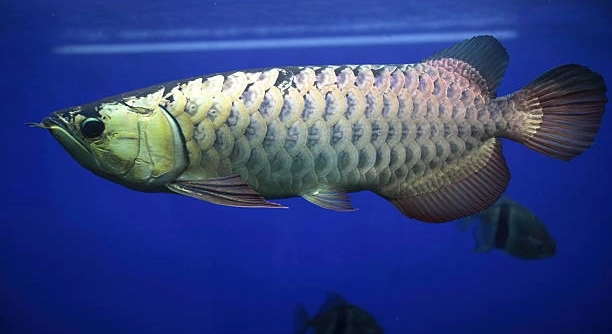
Are your Arowanas thriving in their aquarium, or do you notice subtle changes in their behavior and appearance? Proper lighting is more important than many aquarists realize, as it affects their growth, color, and overall well-being.
Improper lighting can cause stress, weaken immunity, disrupt feeding patterns, and impair growth in Arowanas. Overly bright or dim conditions, incorrect photoperiods, and unsuitable light spectrum directly impact health, making it essential to monitor and adjust lighting carefully for optimal care.
Understanding these common mistakes will help maintain a healthier environment and promote your Arowanas’ vitality, ensuring they flourish and remain vibrant in your aquarium.
Using Too Bright or Too Dim Lighting
Too bright lighting can make Arowanas stressed and skittish. They may hide, refuse to eat, or even injure themselves by darting around the tank. On the other hand, dim lighting can slow growth, reduce activity, and dull their colors. Arowanas rely on light for their natural biological rhythm, which includes feeding, swimming, and resting. Excessively harsh lighting may also encourage algae growth, which can further affect water quality. Finding a balance is crucial. Ideally, light should mimic natural conditions without being overwhelming. Observing your fish during different times of the day can help determine if adjustments are needed. Switching from fluorescent to LED lighting often gives more control over intensity. Timers can maintain consistency, preventing sudden shifts that may confuse or stress your fish. Gradual changes in light levels also support their adaptation and maintain healthy behavior patterns over time. Lighting adjustments play a bigger role in health than many realize.
Balanced lighting creates a calmer, healthier tank environment and supports the fish’s natural habits.
Consistently monitoring light intensity and duration is key. Adjusting placement, using timers, and selecting appropriate spectrum LEDs helps Arowanas thrive. Proper lighting prevents stress, enhances coloration, and encourages normal feeding and swimming behavior.
Incorrect Photoperiod
Arowanas require a regular light-dark schedule. Irregular photoperiods can disturb their internal clock.
Maintaining a consistent 10–12 hour light period with darkness at night is ideal. Sudden changes can stress the fish and affect feeding and sleep cycles.
Irregular light periods confuse Arowanas, affecting their biological rhythm and immune response. Fish exposed to inconsistent lighting may eat less or show abnormal swimming. Repeated disruptions can weaken resistance to disease and stunt growth. Using a timer ensures the photoperiod remains stable, preventing human error. The goal is to replicate natural day-night cycles as closely as possible. Lights should be bright enough to promote activity during the day but dim at night to encourage rest. Gradual transitions in intensity also help avoid sudden stress. When the photoperiod is maintained, Arowanas are calmer, more active, and display their full coloration. Observing behavior after adjustments helps fine-tune the schedule for each tank. Consistent lighting ultimately supports overall health, proper feeding, and natural behavior patterns, creating a balanced aquatic environment.
Using the Wrong Light Spectrum
Choosing the wrong light spectrum can affect Arowanas’ color and growth. Lights that are too blue or too red may dull their natural tones and interfere with feeding patterns, making it harder for them to thrive in the tank environment.
A balanced spectrum that mimics natural daylight is best. Full-spectrum LED lights are ideal because they enhance coloration without stressing the fish. Incorrect spectrum can cause behavioral changes, including reduced swimming activity and less frequent feeding. Maintaining proper light wavelengths also supports plant growth in planted tanks, which contributes to water quality. Regular observation helps ensure colors stay vibrant and fish remain active.
Proper spectrum lighting strengthens immune health and encourages natural activity. Arowanas are more responsive, eat consistently, and develop better coloration. Adjusting the light spectrum gradually allows the fish to adapt, avoiding stress or sudden behavioral changes. Monitoring results and fine-tuning helps maintain both visual appeal and overall health.
Ignoring Gradual Light Transitions
Sudden changes in lighting can startle Arowanas and increase stress levels, affecting their behavior and appetite. Gradual transitions are essential to maintain calm and stability in the tank.
Using dimmers or programmable timers allows lights to ramp up or down slowly. Immediate full-brightness in the morning or abrupt darkness at night can cause erratic swimming or hiding. Gradual transitions prevent unnecessary stress, improve feeding consistency, and support natural circadian rhythms. Fish adapt better when changes mimic sunrise and sunset. Observing their reaction during these transitions helps determine if adjustments are needed. Gradual changes also reduce algae blooms caused by sudden light exposure.
A consistent transition routine improves health and coloration. Arowanas exhibit calmer behavior, eat regularly, and maintain steady growth. By planning light schedules carefully, stress-induced injuries are minimized. Gradual lighting supports natural rhythms, improves overall immune function, and creates a balanced, healthy environment. Regular monitoring ensures the tank maintains optimal conditions for their daily activity and long-term well-being.
Overusing Artificial Lighting
Too much artificial light can overstimulate Arowanas, causing stress and erratic behavior. Continuous exposure prevents proper rest, weakening immunity and affecting overall health.
Limiting artificial lighting to 10–12 hours a day helps maintain a natural rhythm. Consistent dark periods allow fish to rest and recover, reducing stress-related problems.
Placing Lights Too Close to the Tank
Lights positioned too close can create hotspots, stressing Arowanas and increasing algae growth. Uneven illumination may also result in areas of low activity or hiding. Proper distance ensures gentle, even light coverage, supporting normal behavior and feeding patterns.
Ignoring Natural Light Influence
Natural sunlight entering the tank can alter temperature and promote algae growth. Excessive sunlight exposure can lead to overheating, fluctuating water conditions, and health issues. Controlling sunlight through blinds or curtains ensures stable lighting conditions, complementing artificial light schedules for a balanced environment.
FAQ
How often should I change the lighting schedule for my Arowana tank?
Consistency is more important than frequent changes. Arowanas thrive on a stable 10–12 hour light period daily. Sudden alterations can stress them, reduce appetite, and disrupt natural behavior. Use a timer to maintain routine and only adjust gradually if necessary, such as seasonal light changes.
Can too much light really harm Arowanas?
Yes, excessive lighting can overstimulate them, causing stress and erratic swimming. Continuous exposure interferes with rest periods, weakens immunity, and may lead to slower growth. Limiting light duration and intensity helps maintain calm behavior and promotes healthy development.
Is natural sunlight beneficial for my Arowanas?
Moderate sunlight can enhance coloration, but too much can heat the tank, encourage algae, and destabilize water conditions. Controlling sunlight with blinds or positioning the tank away from direct light ensures a safe, balanced environment.
What is the best light spectrum for Arowanas?
Full-spectrum LED lights that mimic natural daylight are ideal. They enhance coloration, support activity, and prevent stress. Avoid overly blue or red lighting, as it can affect behavior, feeding, and natural rhythms. Observing the fish’s response can guide minor adjustments.
How close should I place lights to the tank?
Lights too close create hotspots and uneven illumination, stressing the fish. A distance that allows gentle, even coverage ensures normal swimming and feeding patterns. Using diffusers or adjustable mounts can help maintain optimal light levels.
Should I use dimmers or timers for lighting transitions?
Yes, gradual transitions prevent sudden stress. Timers or dimmers allow lights to ramp up or down, mimicking sunrise and sunset. This helps Arowanas adapt naturally, supports circadian rhythms, and reduces erratic behavior. Regular observation ensures the schedule works for your specific tank.
Can poor lighting affect Arowana growth?
Absolutely. Insufficient light slows metabolism and feeding, while overly bright or inconsistent lighting increases stress. Both scenarios can stunt growth, reduce activity, and dull coloration. Maintaining proper intensity, duration, and spectrum promotes optimal health and development.
How do I know if my Arowana is stressed by lighting?
Signs include hiding, erratic swimming, reduced appetite, and faded coloration. Over time, prolonged stress can lead to disease susceptibility. Adjusting intensity, spectrum, or duration and observing behavior helps correct lighting issues before they impact health.
Can artificial and natural light be combined safely?
Yes, combining controlled artificial lighting with limited natural sunlight works if both are monitored. Ensure total light exposure stays within recommended hours, avoiding excessive heat or algae growth. Gradual transitions and consistent photoperiods help maintain balance.
Is it necessary to replicate sunrise and sunset in the tank?
While not strictly required, mimicking natural transitions reduces stress. Gradual light changes support circadian rhythms, encourage normal feeding, and promote restful behavior at night. Timers or dimmers make this process simple and effective.
How often should I observe my Arowana’s reaction to lighting?
Daily observation is ideal, especially after any adjustments. Look for changes in swimming patterns, feeding, and coloration. Regular checks allow early detection of stress and ensure lighting remains optimal for their health and well-being.
What is the most common lighting mistake Arowana owners make?
The most frequent error is inconsistent or excessive lighting. Ignoring duration, intensity, or spectrum leads to stress, poor feeding, and slowed growth. Implementing timers, correct distance, and full-spectrum lights prevents most issues and promotes a healthy environment.
Can lighting issues cause long-term health problems?
Yes, chronic stress from poor lighting can weaken the immune system, stunt growth, and affect behavior. Properly managed lighting supports immunity, natural rhythms, and vibrant coloration, reducing the risk of long-term health complications.
How do I adjust lighting for seasonal changes?
Gradually extend or shorten photoperiods to match natural seasonal patterns. Avoid sudden changes, and monitor behavior closely. Adjust intensity if natural sunlight varies significantly to prevent stress, temperature fluctuations, or excessive algae growth.
What should I do if my Arowana’s colors start to fade?
Check spectrum, intensity, and duration of lighting first. Ensure full-spectrum light is used and avoid overly dim or harsh light. Adjust gradually, and observe the fish. Other factors like diet and water quality also influence coloration.
How important is water quality in relation to lighting?
Very important. Poor water quality combined with inappropriate lighting accelerates algae growth and increases stress. Maintaining clean water ensures light enhances health rather than causing secondary problems. Proper filtration and regular testing complement correct lighting practices.
Are there any signs that lighting is optimal?
Yes, healthy Arowanas are active, feed consistently, and display vibrant coloration. They rest calmly at night and show normal swimming patterns. Observing behavior and color over time confirms that lighting conditions support overall health and well-being.
Can over-lighting cause algae problems?
Yes, excessive light promotes rapid algae growth, which can reduce water quality and compete with fish for oxygen. Limiting light hours and balancing intensity reduces algae buildup, making tank maintenance easier while keeping Arowanas healthy.
What is the safest way to transition from old lighting to new lighting?
Introduce new lights gradually over several days. Reduce old light intensity while slowly increasing new light, observing behavior for stress signs. This minimizes shock, allows adaptation, and ensures Arowanas remain comfortable and active throughout the change.
How critical is a timer for Arowana lighting?
Timers are highly recommended. They maintain consistency, prevent human error, and ensure the photoperiod matches natural day-night cycles. Reliable timing reduces stress, encourages normal feeding, and supports immune health, which is essential for long-term care.
What combination of light duration and intensity is ideal?
A 10–12 hour light period with moderate intensity is generally safe. Full-spectrum lighting enhances colors, while gradual transitions prevent stress. Adjusting according to tank size, fish behavior, and natural light exposure ensures a balanced environment for optimal health.
Can lighting alone improve Arowana behavior and appearance?
Proper lighting supports normal activity, feeding, and coloration, but it works best alongside good water quality, diet, and tank management. While lighting is critical, holistic care ensures the fish thrive physically and behaviorally.
How do I measure if the light is too strong?
Observe fish behavior. Signs of strong light include hiding, darting, or reduced feeding. Using adjustable lights, dimmers, or moving fixtures farther from the tank helps find a comfortable intensity. Monitoring over several days ensures stability.
Should I turn off all lights at night?
Yes, Arowanas need darkness to rest. Continuous light causes stress, reduces immunity, and disrupts natural rhythms. Even low night lights can interfere with sleep, so a completely dark period is ideal for proper recovery and overall health.
What is the role of gradual dimming in evening light?
Gradual dimming signals the end of the active period and allows Arowanas to rest naturally. Sudden darkness can startle fish, while slow reduction supports circadian rhythm, calming behavior, and maintaining regular feeding patterns.
How does lighting affect feeding habits?
Proper lighting encourages normal feeding. Overly bright or inconsistent light can reduce appetite or cause fish to hide. Full-spectrum, moderate light during feeding periods helps Arowanas see food clearly and maintain regular eating habits.
Can changing light spectrum suddenly harm Arowanas?
Yes, abrupt changes may stress them and affect behavior, coloration, and feeding. Gradual adjustments over several days allow adaptation and prevent shock, supporting health while improving tank aesthetics.
How can I balance artificial and natural light?
Limit natural sunlight exposure to avoid overheating and algae growth, and complement it with controlled artificial lighting. Timers ensure consistent photoperiods, and gradual transitions prevent stress, creating a stable, healthy environment for Arowanas.
Are there signs of long-term stress due to lighting?
Faded coloration, stunted growth, irregular swimming, and poor appetite indicate chronic stress. Prolonged issues can weaken immunity, making Arowanas more susceptible to disease. Correcting light intensity, duration, and spectrum early reduces long-term health risks.
How often should I review the lighting setup?
Review monthly or after changes in tank conditions, seasonal sunlight, or equipment. Regular checks ensure intensity, distance, and spectrum remain suitable, supporting continuous health and natural behavior in Arowanas.
What adjustments are needed for planted tanks?
Planted tanks need a spectrum that supports both fish and plants. Avoid excessive intensity that favors algae, and use timers to balance growth needs. Proper spectrum ensures plants thrive while maintaining Arowana health and behavior.
How can lighting affect Arowana stress levels?
Improper light can overstimulate or under-stimulate fish. Stress manifests as hiding, erratic swimming, and poor appetite. Gradual transitions, appropriate intensity, and consistent schedules reduce stress, supporting normal activity, feeding, and overall immune function.
Is LED lighting better than fluorescent for Arowanas?
Yes, LEDs offer adjustable intensity, spectrum control, and energy efficiency. They provide stable lighting, enhance coloration, and allow gradual transitions, reducing stress. Properly selected LEDs can create optimal conditions for both behavior and long-term health.
How important is observation when managing lighting?
Observation is crucial. Daily checks of behavior, coloration, and activity reveal how Arowanas respond. Monitoring allows timely adjustments, preventing stress or health issues caused by improper light intensity, spectrum, or duration.
Can lighting alone prevent diseases?
Lighting alone cannot prevent diseases, but proper light reduces stress, which strengthens immunity. Healthy, well-rested Arowanas are more resilient to illness. Combined with good water quality, diet, and maintenance, lighting plays a key supportive role in disease prevention.
How does tank size influence lighting decisions?
Larger tanks require more even coverage to avoid dark spots, while smaller tanks need careful intensity to prevent overstimulation. Adjustable fixtures and proper spacing ensure consistent light distribution across the entire aquarium.
What is the easiest way to maintain proper photoperiods?
Using an automatic timer is the simplest and most reliable method. It ensures consistent daily light periods, mimics natural rhythms, and reduces stress, making maintenance straightforward and effective.
Are there any risks if I ignore lighting issues?
Yes, ignoring lighting can lead to chronic stress, weakened immunity, stunted growth, dull colors, and behavioral problems. Early detection and correction are essential for the long-term health and vitality of Arowanas.
How do I combine lighting with other care practices?
Ensure water quality, diet, and tank maintenance complement proper lighting. Clean water, balanced nutrition, and stable conditions work with appropriate light duration, intensity, and spectrum to support optimal health and natural behavior.
Can lighting affect Arowanas’ sleep patterns?
Yes, constant light or irregular schedules disrupt sleep, causing stress and weakened immunity. Consistent darkness during the night allows proper rest, recovery, and supports normal circadian rhythms for healthy, active fish.
What’s the most effective way to test new lighting?
Introduce changes gradually, observe behavior, feeding, and coloration over several days. Adjust intensity, spectrum, or duration as needed. Gradual testing prevents stress and ensures that the new setup benefits overall health.
Is it safe to leave lights on while away for a few days?
Yes, if a timer is used. Timers maintain consistent photoperiods and prevent overstimulation or extended darkness. This ensures the Arowanas’ environment remains stable, supporting normal behavior and health in your absence.
How does lighting interact with water temperature?
High-intensity lighting close to the tank can raise water temperature, stressing Arowanas and affecting metabolism. Monitoring heat and using adjustable lighting prevents overheating while maintaining proper intensity and photoperiod.
Can fading colors indicate a lighting problem?
Yes, dull or faded coloration often signals insufficient light, incorrect spectrum, or poor photoperiod. Addressing these factors restores vibrant colors and ensures normal activity and feeding.
What’s the simplest way to optimize lighting for Arowanas?
Use full-spectrum LEDs with timers for consistent photoperiods, gradual transitions, and appropriate intensity. Monitor behavior, adjust gradually, and combine with proper tank maintenance for optimal health, coloration, and activity.
How long does it take for Arowanas to adjust to new lighting?
Adjustment usually occurs over several days to a week. Gradual changes in intensity or spectrum help the fish adapt without stress, ensuring normal feeding, activity, and coloration throughout the transition.
Can lighting mistakes cause behavioral problems long-term?
Yes, chronic improper lighting can lead to hiding, erratic swimming, reduced feeding, and diminished activity. Correcting light schedules, spectrum, and intensity restores natural behavior and promotes long-term health.
Is monitoring algae growth part of lighting care?
Yes, excessive algae indicates too much light or poor spectrum balance. Controlling algae ensures water quality, reduces stress, and maintains a healthy, visually appealing environment for Arowanas.
How do I prevent overexposure to artificial and natural light?
Limit artificial light to 10–12 hours and control natural sunlight. Use timers, blinds, or curtains to prevent overexposure, ensuring stable conditions, proper rest, and minimal stress for Arowanas.
What signs show my lighting setup is successful?
Healthy activity, regular feeding, vibrant coloration, and calm resting behavior indicate proper lighting. Fish should swim confidently, display natural colors, and show minimal stress throughout daily light cycles.
Can lighting influence Arowana aggression?
Yes, overstimulation from bright or inconsistent lighting can increase aggression. Stable, balanced lighting promotes calm behavior, reduces territorial conflicts, and encourages normal social interactions in the tank.
Should I consider seasonal adjustments for light intensity?
Yes, slight seasonal adjustments mimic natural conditions. Gradually modifying intensity or duration helps fish adapt without stress, maintaining natural rhythms, proper feeding, and coloration throughout the year.
Is observation more important than equipment specifications?
Observation is key. Even the best equipment fails if the fish reacts poorly. Watching behavior, appetite, and color ensures the setup works effectively, allowing adjustments for optimal health.
Can lighting alone restore faded colors?
It can help, but diet, water quality, and stress management are equally important. Proper spectrum, intensity, and photoperiod combined with holistic care restore vibrant coloration.
How can I maintain long-term consistency in lighting?
Use reliable timers, full-spectrum LEDs, and monitor sunlight exposure. Regular checks of intensity, spectrum, and photoperiod ensure stable conditions, supporting Arowanas’ health, coloration, and behavior for years.
What’s the most common mistake owners make with lighting?
Inconsistency—too long, too bright, wrong spectrum, or sudden changes. Maintaining consistent, balanced light schedules prevents stress, supports immune function, and promotes growth and vibrant coloration in Arowanas.
How do I combine lighting care with feeding schedules?
Align feeding with active light periods. Fish feed better and digest efficiently under proper lighting. Avoid feeding during dark periods, ensuring a natural rhythm that supports health and prevents waste accumulation.
Can lighting adjustments improve overall tank harmony?
Yes, stable and balanced lighting reduces stress, encourages natural behavior, and supports healthy plant growth. This creates a harmonious, visually appealing environment that benefits both fish and tank ecology.
What’s the final step to ensure optimal lighting for Arowanas?
Monitor behavior, coloration, and health consistently. Adjust gradually when needed, maintain timers, and ensure water quality and diet complement lighting. This holistic approach ensures a stable, thriving environment for Arowanas.
Final Thoughts
Lighting is a fundamental part of keeping Arowanas healthy and happy. Many people focus on water quality, diet, and tank size, but lighting often gets overlooked. The right lighting affects more than appearance. It regulates their natural rhythms, encourages normal feeding and swimming, and helps maintain their immune system. Improper light, whether too bright, too dim, or inconsistent, can stress your fish, slow growth, and even reduce coloration. Paying attention to the intensity, spectrum, and duration of light can prevent many common health problems. Using timers and full-spectrum lights is one of the simplest ways to create a stable environment that mimics natural conditions. Observing your Arowanas regularly will help you notice subtle changes in behavior or color, which often signal that adjustments are needed.
Arowanas are sensitive to sudden changes in light. Abrupt shifts in brightness or spectrum can make them hide, swim erratically, or refuse food. Gradual transitions are important, both when turning lights on and off and when switching equipment. Using dimmers or timers allows these changes to happen slowly, giving your fish time to adjust without unnecessary stress. Seasonal variations in natural sunlight also require attention, as they can affect water temperature and algae growth. Controlling exposure with blinds or strategic tank placement ensures a consistent and comfortable environment. Combining careful lighting with other aspects of care, like water maintenance and a balanced diet, helps your Arowanas thrive. A holistic approach ensures not only good health but also vibrant colors and active behavior, which are clear signs of well-being.
Consistency is key for long-term success. Maintaining a regular photoperiod, proper light intensity, and suitable spectrum supports Arowanas’ biological rhythms and reduces stress over time. Observing their responses, adjusting gradually, and balancing artificial and natural light are simple steps that create a stable and healthy habitat. Proper lighting also works hand in hand with water quality, feeding schedules, and tank layout, supporting overall harmony in the aquarium. Small adjustments can have a big impact on fish behavior and growth, making them more active and colorful. Paying close attention to these details ensures that your Arowanas not only survive but thrive. Investing time in understanding and managing lighting creates a long-term environment where fish feel secure, healthy, and display their full natural beauty. It is one of the easiest yet most effective ways to enhance both their physical health and overall quality of life in your care.

Hello,
If you enjoy the content that we create, please consider saying a "Thank You!" by leaving a tip.
Every little bit helps us continue crafting quality advice that supports the health, happiness, and well-being of pets around the world, for pets of all shapes, sizes, and species.
We really appreciate the kindness and support that you show us!