
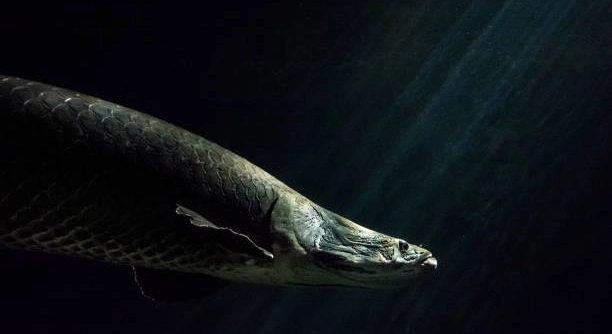
Arowanas are beautiful, majestic fish that often capture the attention of aquarists. Their graceful movements and shimmering scales make them a prized addition to any tank, yet certain behaviors can be puzzling to observe.
Arowanas swim to the bottom and remain there primarily due to stress, water quality issues, illness, or inadequate oxygen levels. These factors affect their buoyancy and comfort, prompting them to seek the tank’s lower regions for stability and safety.
Understanding these behaviors is essential for maintaining a healthy environment. Observing their patterns closely can reveal underlying issues and guide proper care for these elegant creatures.
Common Reasons Arowanas Stay at the Bottom
Arowanas may settle at the bottom of the tank due to environmental stress. Poor water quality, fluctuating temperatures, or incorrect pH levels can make them uncomfortable. Illnesses such as swim bladder disorder also impact their buoyancy. Lack of proper space or hiding areas may contribute to anxiety, prompting the fish to remain low. Overcrowding or aggressive tank mates can further stress them, leading to bottom-dwelling behavior. Feeding habits also play a role, as sudden changes in diet or overfeeding may cause digestive discomfort. Observing their daily routine can reveal subtle changes in movement or appetite that signal a problem. Consistent monitoring, regular water testing, and maintaining a stable environment can prevent these issues. Providing gentle water flow and suitable hiding spots encourages natural activity. Addressing these factors early ensures your Arowana remains healthy, active, and comfortable in its tank, reducing prolonged bottom dwelling.
Stress and poor water quality are the most immediate factors causing Arowanas to stay at the bottom.
Tracking your fish’s behavior helps identify potential issues quickly. Adjusting water conditions and feeding schedules improves their overall health and buoyancy.
Signs of Swim Bladder Disorder
Swim bladder issues often appear as difficulty maintaining balance, floating sideways, or sinking unexpectedly. Fish may struggle to reach the top or hover mid-water. Changes in appetite or lethargy often accompany these symptoms, indicating a need for careful observation and treatment. Maintaining proper diet and avoiding overfeeding can prevent such disorders.
Swim bladder problems are frequently linked to constipation, bacterial infections, or sudden dietary changes. Overfeeding or feeding inappropriate foods can lead to blockage in the digestive tract, pressing on the swim bladder. Infections may develop if the tank is not properly cleaned, allowing harmful bacteria to proliferate. Sudden temperature changes or poor water quality can further stress the fish, worsening buoyancy issues. Treatment often involves fasting the fish briefly and providing high-fiber foods like peas to aid digestion. Maintaining consistent water conditions, monitoring temperature, and avoiding drastic dietary changes are essential preventive measures. In severe cases, veterinary guidance may be necessary to ensure proper recovery. Observing your Arowana closely and making incremental changes can restore normal swimming behavior while minimizing stress and discomfort. Regular tank maintenance supports long-term health and buoyancy stability.
Adjusting Water Conditions
Proper water conditions directly influence Arowana health. Temperature, pH, and oxygen levels must remain stable. Sudden changes can stress the fish, causing it to stay at the bottom. Regular testing ensures the environment supports natural swimming patterns.
Maintaining ideal water temperature between 75–82°F helps Arowanas remain active. pH should stay around 6.5–7.5, with ammonia, nitrite, and nitrate levels kept minimal. Frequent water changes remove toxins that affect buoyancy. Using a reliable filter and gentle water flow reduces stress. Aeration improves oxygen levels, preventing lethargy. Observing fish behavior after adjustments indicates whether conditions are suitable. Gradual changes, rather than sudden shifts, help Arowanas adapt without panic. Proper lighting and tank décor also contribute to comfort, encouraging movement throughout the tank.
Inconsistent water maintenance can lead to prolonged bottom dwelling. Sudden chemical spikes or temperature fluctuations interfere with swim bladder function. Consistent care, regular testing, and careful observation prevent issues. Incorporating routine checks into daily care creates a stable habitat, allowing the fish to swim naturally and exhibit normal activity. Over time, a well-maintained tank reduces stress, encourages feeding, and improves overall health. Ensuring these water parameters are within safe ranges is the most effective way to maintain buoyancy and comfort for your Arowana.
Diet and Feeding Habits
Feeding routines greatly impact an Arowana’s buoyancy. Overfeeding or low-quality food can cause digestive issues, leading to sinking behavior. Balanced meals with proper nutrients support energy levels and overall health.
Arowanas require a diet rich in protein, including live, frozen, or high-quality pellet foods. Sudden changes in diet may upset digestion, affecting swim bladder function. Overfeeding can cause constipation or bloating, pressing on internal organs and making it hard to swim. Proper portion control and feeding schedules prevent these problems. Incorporating fiber-rich foods occasionally helps digestion. Observing the fish’s response to different foods allows adjustments that improve buoyancy and comfort. Maintaining variety ensures nutritional needs are met, supporting growth and activity.
In addition to food quality, the feeding environment matters. Avoid dropping food all at once, which may overwhelm the fish or encourage gulping air. Providing a calm space with minimal disturbances reduces stress during feeding. Consistency in timing reinforces natural rhythms, preventing digestive upset. Combining proper diet, portion control, and feeding technique ensures your Arowana maintains energy, buoyancy, and overall health. Over time, these practices reduce bottom-dwelling behavior and support an active, thriving fish. Regularly monitoring responses to diet helps fine-tune care for optimal results.
Tank Space and Layout
Arowanas need ample swimming space to stay active. Crowded tanks or poorly arranged decorations can limit movement, causing the fish to remain at the bottom. Proper spacing encourages natural behavior and reduces stress.
Providing open areas and safe hiding spots supports both comfort and activity. Avoid sharp objects that may injure your fish.
Oxygen and Filtration
Adequate oxygen levels are essential for Arowanas. Poor aeration or weak filtration can make them lethargic, prompting bottom-dwelling. Strong, consistent water movement and proper aeration keep oxygen high. Clean filters regularly to maintain water flow. Observing how the fish reacts to circulation helps determine if adjustments are needed.
Handling Stress
Minimizing stress improves Arowana behavior. Sudden changes, aggressive tank mates, or frequent disturbances can cause the fish to stay low. Gentle care and a stable environment help them feel secure.
FAQ
Why does my Arowana stay at the bottom right after introducing it to a new tank?
New environments can be stressful for Arowanas. They need time to adjust to water conditions, lighting, and tank mates. Staying at the bottom is a natural way for them to feel secure. Ensuring stable temperature, clean water, and minimal disturbances helps them acclimate more quickly. Adding gentle water flow and a few hiding spots can make the tank feel safer, encouraging the fish to explore gradually. Patience during the first few days is crucial, as rushing changes or handling them can increase stress.
Can swim bladder issues cause an Arowana to stay at the bottom?
Yes, swim bladder problems are a common reason for bottom-dwelling behavior. These issues can result from constipation, bacterial infections, or sudden dietary changes. Overfeeding or feeding foods that are difficult to digest can press on the swim bladder, making it hard for the fish to swim properly. Infections may develop if the tank is not well-maintained. Providing high-fiber foods like peas and maintaining consistent water conditions can often resolve mild cases. Observing your fish for abnormal swimming patterns helps identify and address these problems early.
Is poor water quality a reason for my Arowana staying low?
Absolutely. High levels of ammonia, nitrite, or nitrate, fluctuating pH, or sudden temperature changes can stress Arowanas, causing them to sink to the bottom. Regular water testing, consistent partial water changes, and a reliable filtration system are essential. Proper aeration ensures sufficient oxygen levels. Observing how your fish behaves after water adjustments can indicate if the tank is suitable. Maintaining a stable environment not only improves buoyancy but also prevents potential illnesses linked to poor water quality.
Could my Arowana be sick if it remains at the bottom?
Remaining at the bottom can indicate illness. Lethargy, loss of appetite, unusual swimming, or visible physical changes often accompany sickness. Common issues include bacterial infections, parasites, or organ problems affecting buoyancy. Quarantining the fish and consulting a veterinarian may be necessary. Early intervention with proper medication and care can restore normal behavior.
Does tank size affect Arowana bottom-dwelling?
Yes, insufficient space can limit movement and cause stress. Arowanas need a long, open tank to swim freely. Overcrowding or placing bulky decorations in key swimming areas encourages them to stay low. Providing at least a 250-gallon tank for adult Arowanas with open areas and minimal obstacles helps them maintain natural activity.
How does diet influence bottom-dwelling behavior?
Poor feeding practices contribute to buoyancy issues. Overfeeding or inconsistent diets can lead to constipation, bloating, and swim bladder pressure. Providing a balanced diet of high-quality pellets, frozen, or live foods with occasional fiber-rich options supports digestion and energy. Feeding in smaller portions at regular intervals reduces digestive stress and encourages normal swimming patterns.
Do aggressive tank mates make Arowanas stay at the bottom?
Aggressive or territorial fish can intimidate Arowanas, forcing them to hide near the bottom. Separating aggressive species or ensuring enough space reduces stress and encourages the Arowana to swim freely. Monitoring interactions helps determine if tank rearrangement or adding barriers is necessary for the fish’s comfort.
Can oxygen levels cause my Arowana to remain at the bottom?
Low oxygen is a frequent reason for lethargy. Weak aeration, poor filtration, or stagnant water can make Arowanas uncomfortable, causing them to stay near the bottom where oxygen is slightly higher. Using air stones, proper filtration, and maintaining water circulation ensures sufficient oxygen, supporting healthy swimming.
What immediate steps should I take if my Arowana is always at the bottom?
First, check water quality, temperature, and oxygen levels. Adjust any unstable parameters gradually. Observe for signs of illness, overfeeding, or stress. Provide open swimming areas and minimize disturbances. Addressing these factors promptly reduces stress and restores natural swimming behavior.
How long will it take for a bottom-dwelling Arowana to recover?
Recovery depends on the cause. Stress or water-related issues may improve within days, while illness or digestive problems can take weeks. Consistent care, stable water conditions, proper diet, and patience are key to helping your Arowana return to active swimming.
Final Thoughts
Observing an Arowana staying at the bottom of the tank can be concerning, but it is often a signal rather than an immediate problem. Many factors influence this behavior, including stress, water quality, diet, and tank setup. Each factor affects the fish’s comfort, health, and buoyancy differently. Stress is one of the most common reasons for bottom-dwelling behavior. Changes in the tank, such as new decorations, lighting, or tank mates, can unsettle the fish. Even a temporary disruption in water parameters can create a sense of insecurity, prompting the Arowana to seek the lower parts of the tank. Arowanas naturally feel more secure near the bottom during periods of adjustment. Understanding that this behavior is often a response to their environment allows you to address the root cause rather than reacting hastily. Taking the time to observe patterns and environmental changes can prevent unnecessary stress and help your fish feel comfortable in its surroundings.
Water conditions play a critical role in the overall health and activity of Arowanas. Temperature, pH, oxygen levels, and chemical balance directly impact how comfortably the fish swims. Arowanas are sensitive to sudden fluctuations, which can affect their buoyancy and lead to prolonged bottom-dwelling behavior. Maintaining stable water conditions through regular testing, filtration, and partial water changes is essential. Consistency reduces stress and helps the fish regain confidence in moving through the tank. In addition to chemical stability, providing proper circulation and aeration ensures that oxygen levels remain high. Oxygen-deprived water makes the fish lethargic, limiting its ability to swim freely. By carefully monitoring and adjusting the water environment, you create a safe and supportive habitat that encourages natural movement and reduces the likelihood of bottom-dwelling. Even minor adjustments, like rearranging decorations to create open swimming space or adding gentle water flow, can make a noticeable difference in behavior.
Diet and general care are equally important for preventing bottom-dwelling behavior. Overfeeding or feeding inappropriate foods can lead to digestive issues and swim bladder problems, directly affecting the fish’s buoyancy. Feeding smaller portions regularly, providing a balanced diet with occasional fiber-rich foods, and avoiding sudden dietary changes all support digestive health. Observing how your Arowana responds to feeding and adjusting accordingly helps prevent constipation and bloating. Stress from aggressive tank mates, overcrowding, or inadequate space can also contribute to bottom-dwelling, so ensuring enough room and minimizing disturbances is crucial. By addressing environmental, dietary, and social factors together, you create a stable and healthy tank. Over time, consistent care, patience, and observation allow your Arowana to regain normal swimming behavior, remain active, and thrive in its environment. The key is understanding that this behavior often signals an issue that can be corrected with attention and thoughtful care.

Hello,
If you enjoy the content that we create, please consider saying a "Thank You!" by leaving a tip.
Every little bit helps us continue crafting quality advice that supports the health, happiness, and well-being of pets around the world, for pets of all shapes, sizes, and species.
We really appreciate the kindness and support that you show us!