
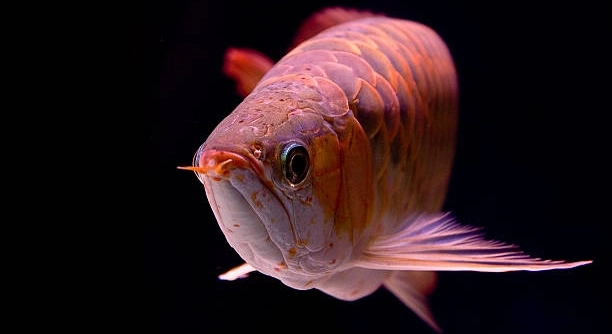
Do you ever find yourself watching your Arowana glide through the water, mesmerized by its shiny scales and elegant movements? Observing these fish can be calming, yet their behavior often sparks curiosity about their awareness and reactions.
Arowanas generally do not recognize their own reflection as a separate entity. While they may react to reflections by displaying territorial or aggressive behavior, this response is based on perceiving another fish, not self-awareness.
Observing these reactions can reveal surprising insights into your Arowana’s natural instincts and social behavior, offering a deeper understanding of its unique personality in captivity.
Understanding Arowana Behavior Around Reflections
Arowanas are known for their intelligence and alertness in the tank. When they see their reflection, they often react as if another fish has entered their territory. This can include flaring fins, swimming aggressively, or even nudging the glass. These responses are instinctual and tied to their natural territorial behavior in the wild. They do not possess the self-recognition that some animals, like dolphins or certain birds, demonstrate. In captivity, mirrors or reflective surfaces can cause stress if the fish perceives a constant rival. Observing these behaviors closely can help you adjust the tank setup to minimize stress, ensuring your Arowana remains healthy. Environmental enrichment, proper tank size, and careful monitoring of interactions with reflective surfaces are key to keeping them calm. Understanding these patterns helps you provide a safer, more comfortable habitat for a fish that relies heavily on visual cues.
Their reactions are purely instinct-driven rather than a sign of self-awareness.
Recognizing these behaviors early is important for the well-being of your Arowana. Constant exposure to reflections may lead to persistent stress or injury if the fish repeatedly attacks the glass. Adjusting lighting, covering parts of the tank, or removing reflective objects can reduce aggressive responses. Tank mates should be considered carefully, as territorial behavior may extend beyond reflections. Tracking changes in behavior, appetite, and interaction can provide insights into your fish’s comfort levels. Maintaining stable water conditions, along with a varied diet, ensures that environmental stress does not compound natural territorial instincts. By observing and adapting to your Arowana’s reactions, you can create a tank environment that supports its natural behavior without unnecessary triggers. This approach allows your fish to exhibit natural instincts safely while minimizing risks that may arise from reflections.
Practical Tips to Minimize Stress
Limiting mirrors and reflective surfaces in the tank can reduce aggressive responses and improve your Arowana’s comfort.
When setting up a tank, consider positioning decorations and backgrounds to break up reflective surfaces. Avoid placing the tank near windows or shiny objects that may create constant reflections. Regularly monitor your Arowana’s behavior for signs of stress, such as erratic swimming or fin damage. Introducing hiding spots and plants can provide visual barriers, giving the fish a sense of security. Adjusting lighting intensity may also help, as overly bright conditions can exaggerate reflections. It’s important to maintain water quality and proper temperature, as environmental stress can intensify behavioral issues. Observing your fish daily allows you to respond quickly to changes, ensuring that reflections or tank conditions do not compromise their well-being. By carefully managing the tank environment, you can reduce unnecessary triggers and support a calmer, healthier Arowana.
Aggressive Responses to Reflections
Arowanas often respond aggressively to their own reflection, mistaking it for another fish. They may charge, flare fins, or repeatedly strike the glass. This behavior is normal and rooted in their instinct to defend territory, not a sign of self-recognition or intelligence.
Aggression toward reflections can escalate if the fish perceives the “intruder” as persistent. Over time, repeated attacks may lead to stress, fin damage, or exhaustion. Some Arowanas become fixated on the reflection, spending long periods confronting it instead of resting or exploring. Tank size, placement of reflective surfaces, and environmental enrichment all influence the intensity of this behavior. Observing these patterns helps owners identify potential stressors and make adjustments, such as repositioning the tank or adding decorations to minimize constant reflections.
Not all Arowanas react the same way. Some may ignore reflections entirely, while others display heightened vigilance. Individual temperament, age, and previous experiences shape how a fish responds to visual stimuli. Recognizing these differences ensures that tank management is tailored to the specific needs of each Arowana, promoting a balanced and stress-free environment.
Environmental Adjustments for Calmer Fish
Minimizing reflections and providing hiding spaces can reduce aggressive behavior and stress in Arowanas. These adjustments improve overall well-being and activity levels.
Positioning decorations, plants, or backgrounds to block reflective surfaces helps the fish feel secure and reduces repeated attacks. Adjusting lighting can also lower reflection intensity, while ensuring proper water quality, temperature, and diet supports overall health. Regular observation allows timely intervention if stress or injury occurs. By combining these strategies, the tank becomes a safer environment where natural behaviors can be expressed without harmful triggers. Properly managed, Arowanas can thrive while exhibiting less territorial aggression.
Signs of Stress from Reflections
Arowanas may show signs of stress when exposed to their reflection too often. These signs include rapid swimming, constant fin flaring, and hiding. Persistent stress can impact health and appetite if not addressed promptly.
Behavioral changes such as aggression or lethargy indicate the fish feels threatened. Observing these cues early helps prevent long-term harm and ensures the fish remains healthy in its environment.
Using Tank Decor Effectively
Strategically placed decorations, rocks, and plants can break up reflective surfaces and give Arowanas secure spaces. These additions reduce territorial aggression and allow the fish to rest without constant visual triggers. Careful arrangement of objects creates a calming environment while maintaining swimming space.
Individual Differences in Reactions
Each Arowana may respond differently to reflections. Age, temperament, and prior experiences influence whether the fish reacts aggressively, cautiously, or ignores its reflection altogether.
FAQ
Can an Arowana ever recognize itself in a mirror?
Arowanas do not have the cognitive ability to recognize themselves. When they see a reflection, they treat it as another fish intruding on their territory. Reactions like flaring fins or aggressive swimming are instinctual, not a sign of self-awareness.
Why does my Arowana attack its reflection?
Attacking a reflection is linked to territorial behavior. In the wild, Arowanas defend their space from other fish. When confronted with a reflection, the fish perceives it as a rival and may repeatedly charge or display aggression. This behavior is normal but can become stressful if prolonged.
How can I reduce reflection-induced stress?
Minimizing reflective surfaces is the most effective approach. Adding tank backgrounds, placing decorations, and adjusting lighting can break up reflections. Providing hiding spots and plants gives the fish a sense of security and allows it to rest without constant confrontation.
Are some Arowanas more aggressive than others?
Yes, individual temperament plays a role. Some fish are naturally more territorial or reactive, while others may ignore reflections. Age, previous experiences, and environmental factors also affect how each Arowana responds to visual stimuli in the tank.
Can reflections cause health problems?
Persistent stress from repeated attacks on reflections can lead to fin damage, weakened immunity, and reduced appetite. Over time, chronic stress may impact growth and overall well-being. Monitoring behavior and adjusting the tank environment helps prevent these issues.
Is it safe to use mirrors for training or enrichment?
Using mirrors occasionally may stimulate activity, but prolonged exposure is not recommended. Arowanas may become fixated on their reflection, increasing stress and aggressive behavior. If mirrors are used, it should be brief and carefully monitored to avoid harm.
How do I know if my Arowana is stressed?
Common signs include rapid swimming, hiding, loss of appetite, fin clamping, and constant flaring at reflections. Behavioral changes are the most noticeable indicators, and addressing them early helps maintain a healthy and calm fish.
Do Arowanas react differently to other fish compared to reflections?
Yes, interactions with real fish involve social behavior, including hierarchy establishment and territory negotiation. Responses to reflections are purely instinctive, lacking the social recognition that occurs with other live fish. Observing these differences clarifies that reflections trigger territorial instincts rather than social engagement.
Can tank size affect reflection aggression?
Smaller tanks increase the frequency of seeing a reflection, intensifying aggressive responses. Larger tanks allow more space and reduce repeated confrontation, lowering stress levels. Proper tank size, combined with environmental enrichment, is key to minimizing reflection-induced aggression.
Are there long-term strategies to manage reflection issues?
Yes, combining environmental adjustments, careful tank placement, and monitoring individual behavior is effective. Using plants, backgrounds, and hiding spaces, along with limiting exposure to bright light or reflective objects, creates a stable environment. Observing your Arowana daily ensures adjustments meet its needs and promotes long-term health.
Does diet affect reflection-related aggression?
While diet alone does not change territorial behavior, maintaining a balanced diet supports overall health. Healthy fish are better able to cope with stress, so providing appropriate nutrition can indirectly reduce the negative impact of reflection-induced aggression.
Can multiple Arowanas in one tank reduce reflection problems?
Adding other Arowanas may not solve reflection issues. Territorial disputes can increase with multiple fish, potentially creating more stress. Carefully assessing compatibility and tank space is essential before considering multiple Arowanas to avoid exacerbating aggression.
How quickly do Arowanas adapt to reduced reflections?
Adaptation varies depending on temperament and age. Some fish adjust within days, while others may take weeks to stop reacting aggressively. Gradually modifying the environment and observing responses ensures the fish becomes comfortable without sudden stressors.
Is it normal for Arowanas to ignore reflections sometimes?
Yes, some Arowanas show little or no interest in their reflection. Individual differences, prior experiences, and current mood all influence whether the fish reacts. Ignoring a reflection is a natural variation and not a cause for concern if the fish remains healthy and active.
Can reflections trigger playful behavior instead of aggression?
Occasionally, younger or more active Arowanas may swim near reflections out of curiosity rather than aggression. While this is less common, it demonstrates that behavior varies and not all interactions with reflections are stressful or territorial.
What is the safest way to observe my Arowana’s reaction to reflections?
If you want to observe, do it briefly and monitor for stress signs. Limit exposure time, ensure there are hiding spots, and remove reflective surfaces if aggressive or anxious behavior appears. Safe observation helps you understand your fish without causing harm.
Do environmental changes affect reflection reactions?
Yes, water quality, lighting, tank decorations, and space all influence behavior. Stress from poor conditions can make reflection responses more intense. Maintaining stable water parameters and a well-structured tank reduces unnecessary aggression and promotes calm behavior.
Can reflections impact an Arowana’s social behavior?
Indirectly, yes. Excessive focus on reflections can limit interaction with tank mates, causing isolation or disrupted social dynamics. Minimizing reflections ensures normal social behavior and prevents the fish from becoming overly fixated on its image.
Are certain tank placements better for reducing reflections?
Placing the tank away from windows, bright lights, or shiny surfaces reduces constant reflection. Using solid backgrounds and non-reflective surfaces helps maintain a stable environment and prevents repeated aggressive encounters triggered by visual stimuli.
How important is monitoring daily behavior?
Daily observation is crucial. It allows early detection of stress, aggression, or injury. Noticing subtle changes in swimming patterns, fin condition, or appetite helps adjust the environment promptly, ensuring the Arowana remains healthy and comfortable.
What long-term benefits come from managing reflections?
Proper management reduces stress, aggression, and injury risk. It promotes natural behavior, better health, and a more relaxed environment. Over time, the Arowana thrives with fewer behavioral issues, providing a more enjoyable and manageable tank experience for the owner.
Final Thoughts
Arowanas are fascinating fish with unique behaviors that reflect their natural instincts. Observing an Arowana interact with its environment can be both calming and educational, but it also requires careful attention to its reactions. One of the most common behaviors noticed in captivity is the response to reflections. These fish often mistake their reflection for another fish entering their territory, leading to aggressive or defensive actions. Understanding that these behaviors are instinct-driven, rather than a sign of intelligence or self-awareness, helps owners manage their expectations and create a supportive environment. Providing a tank that accommodates both their size and territorial tendencies is essential for their well-being, and careful observation of daily behavior allows owners to intervene when necessary.
Managing reflections is a practical way to improve an Arowana’s quality of life in captivity. Mirrors or other reflective surfaces can cause repeated aggression, stress, or injury if the fish cannot escape the perceived rival. Adjustments like placing backgrounds, decorations, and plants strategically in the tank help break up reflections and provide hiding spaces. Lighting also plays a role, as overly bright conditions may intensify reflections and provoke more aggressive responses. By monitoring the fish’s behavior and making thoughtful environmental adjustments, owners can reduce stress while allowing the Arowana to exhibit natural behaviors safely. Each fish is different, and some may be more reactive than others, which makes personalized management key to creating a calm and healthy habitat.
Long-term care involves observing patterns, responding to stress indicators, and maintaining optimal water conditions. A balanced diet, consistent temperature, and clean water all contribute to overall health, which indirectly reduces the intensity of territorial behaviors. Understanding an Arowana’s individual temperament is also important, as some may ignore reflections entirely while others remain highly reactive. By respecting these differences, owners can provide an environment that allows the fish to thrive without unnecessary stressors. Ultimately, knowing how an Arowana responds to its reflection gives insight into its instincts and helps ensure that its needs are met. With thoughtful care, attention, and environmental management, your Arowana can live a healthy, active life while displaying its natural behaviors safely and comfortably in captivity.

Hello,
If you enjoy the content that we create, please consider saying a "Thank You!" by leaving a tip.
Every little bit helps us continue crafting quality advice that supports the health, happiness, and well-being of pets around the world, for pets of all shapes, sizes, and species.
We really appreciate the kindness and support that you show us!