
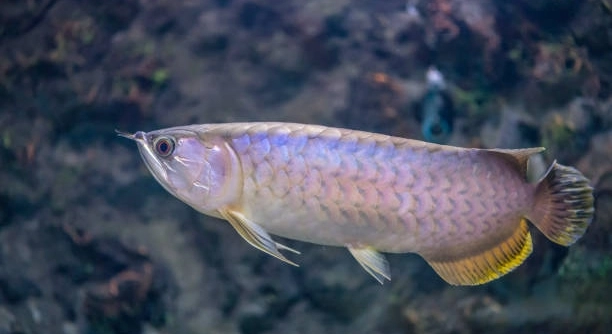
Arowanas are beautiful and majestic fish that often capture attention in home aquariums. Many owners notice them frequently hiding behind decorations, which can be puzzling and sometimes concerning for their well-being. Understanding their behavior is important for proper care.
Arowanas hide behind tank decor primarily due to stress, territorial instincts, and the need for security. Environmental factors, social interactions, and individual temperament also influence this behavior, making it a natural and necessary aspect of their daily routine and survival.
Recognizing the reasons behind this behavior helps owners create a healthier environment for their fish. The following explanations provide insight into why arowanas choose to seek shelter.
Stress and Anxiety
Arowanas are sensitive fish, and even small changes in their environment can trigger stress. Sudden movements, loud noises, or a newly introduced tankmate may cause them to retreat behind decorations. Stress can affect their appetite, growth, and overall health. Providing a stable, quiet environment helps them feel safe. Regular feeding schedules and consistent water conditions also minimize stress. Watching your arowana’s behavior daily helps you detect early signs of anxiety, such as hiding, erratic swimming, or refusing food. Stress is not always visible, but hiding is a common indicator. Ensuring plenty of space and avoiding frequent disturbances can encourage arowanas to explore more of the tank. Decorations like rocks and plants give them a sense of security while reducing stress, as these mimic their natural habitat. Hiding spots allow the fish to manage their environment, leading to calmer and healthier behavior over time.
Stress in arowanas often results from environmental changes or disturbances, making hiding a natural coping mechanism for their well-being.
Understanding stress helps you adjust tank conditions and interactions. Creating a calm, stable environment encourages healthier, more confident behavior. Observing subtle cues ensures your arowana thrives.
Territorial Behavior
Arowanas can be highly territorial, especially in tanks with other fish. They may hide to assert control over specific areas or avoid conflict. Hiding allows them to observe their surroundings while protecting their claimed space.
Territorial behavior is common in adult arowanas, particularly when tank space is limited. Each fish needs enough room to establish a safe area without feeling threatened. Decorations and plants can help define territories naturally. Aggression may occur if boundaries are unclear, so providing multiple hiding spots is essential. Observing interactions helps prevent stress-related issues and promotes harmony among tankmates. Clear territorial boundaries reduce chasing, fin nipping, and constant hiding, leading to a more balanced environment. Understanding how arowanas mark and defend their space helps in arranging the tank efficiently. Creating separate zones with rocks, driftwood, and plants allows fish to retreat comfortably. Over time, they become more confident, exploring while maintaining a sense of safety.
Do you want me to continue with the next two sections, keeping the same format and tone?
Natural Instincts
Hiding is part of an arowana’s natural behavior. In the wild, they seek shelter to avoid predators and to rest. Tank decor mimics these safe spaces.
Arowanas are instinctively cautious. Even in a secure tank, they may retreat behind driftwood, rocks, or plants. These spaces provide a sense of protection while they monitor their surroundings. This behavior is not a sign of illness but a reflection of survival instincts. Hiding allows them to conserve energy, feel secure, and reduce stress. Observing their use of shelters can help in designing a tank that meets both physical and psychological needs.
Tank decor serves more than aesthetic purposes. Hiding spots satisfy natural instincts while allowing arowanas to feel in control. Over time, providing consistent safe spaces reduces erratic behavior and increases confidence in exploring the rest of the tank.
Environmental Factors
Lighting, water quality, and tank size influence hiding behavior. Bright lights or improper conditions often push arowanas into covered areas.
Water parameters like pH, temperature, and cleanliness directly affect arowanas’ comfort. Sudden changes in temperature or ammonia spikes can cause hiding as a stress response. Similarly, a small or overcrowded tank leaves little room to swim freely, prompting retreat behind decor. Maintaining optimal conditions helps them feel safe and reduces constant hiding. Observing reactions to different tank setups informs adjustments, ensuring they remain comfortable.
Placement of decor and tank equipment shapes how arowanas use their environment. Strategic arrangement allows easy access to hiding spots while keeping open swimming areas. Providing areas with moderate cover, such as plants or driftwood, balances security with exploration. Monitoring lighting intensity and adjusting water flow further enhances comfort. Over time, these measures foster confidence, reduce excessive hiding, and create a healthier, more stable environment that mirrors natural habitats effectively.
Social Interactions
Arowanas may hide when other fish are present. Shy or less dominant individuals often retreat to avoid conflict.
Even friendly tankmates can trigger hiding. Territorial or aggressive species can make an arowana feel insecure, prompting it to seek shelter.
Resting and Sleep
Arowanas use hiding spots to rest safely. These areas provide a quiet, protected environment where they can conserve energy and remain alert to changes in their surroundings.
Feeding Habits
Hiding sometimes relates to mealtime. Arowanas may retreat after eating or when anticipating feeding, using nearby decor as a secure spot.
FAQ
Why does my arowana hide all the time?
Constant hiding is usually linked to stress, territorial instincts, or discomfort in the tank. Changes in water quality, lighting, or tankmates can increase this behavior. Providing stable conditions, adequate hiding spots, and a calm environment helps your arowana feel safe and reduces excessive retreating.
Is hiding a sign of illness?
Hiding alone is not always a sign of sickness. Healthy arowanas naturally seek shelter, especially during rest or after feeding. However, if hiding is accompanied by loss of appetite, lethargy, or visible physical changes, it may indicate illness and requires immediate attention. Regular observation and water testing are crucial.
Can tank size affect hiding behavior?
Yes, arowanas need sufficient space to swim freely. Small or overcrowded tanks force them to retreat behind decor for security. A larger tank with multiple open areas and hiding spots allows them to explore comfortably while maintaining a sense of safety.
How do I make my arowana feel more secure?
Providing driftwood, rocks, or plants helps simulate a natural habitat. Consistent lighting, stable water parameters, and limited disturbances further support a sense of security. Avoid sudden changes in tank setup and keep tankmates compatible to minimize stress and encourage confident behavior.
Should I move the decorations if my arowana hides too much?
Rearranging the tank can sometimes help, but frequent changes may increase stress. Introduce adjustments gradually, observing your arowana’s response. Aim for a balance of hiding spots and open swimming areas to meet their natural instincts and comfort needs.
Do arowanas hide differently during the day versus night?
Arowanas are generally more active during the day and may retreat to hide during periods of low light or when resting. Nighttime hiding is typical and part of their sleep cycle. Ensuring dim lighting or providing shaded areas supports natural behavior without causing stress.
Can tankmates trigger hiding behavior?
Yes, aggressive or dominant fish can push arowanas to hide frequently. Even non-aggressive species may cause stress if they crowd the space. Observing interactions and adjusting stocking levels or separating incompatible fish helps maintain harmony and reduces hiding caused by social pressure.
Is hiding after feeding normal?
Many arowanas seek shelter after eating. Hiding allows them to rest and digest in a safe area. This behavior is natural and should not be concerning unless paired with unusual lethargy, refusal to eat, or physical changes, which may indicate other issues.
How often should I monitor hiding behavior?
Daily observation is recommended. Take note of patterns, triggers, and any sudden changes in behavior. This helps identify stressors or health issues early. Monitoring water parameters and tank conditions alongside behavior ensures your arowana stays healthy and confident.
Can stress from lighting or water changes increase hiding?
Sudden changes in light intensity or water parameters can trigger hiding. Arowanas thrive on stability, so gradual adjustments are essential. Consistent lighting schedules, proper filtration, and regular water checks help reduce anxiety and prevent over-reliance on hiding spots for safety.
How long is too long for an arowana to hide?
While brief hiding is normal, prolonged or constant retreating may signal stress or discomfort. If your arowana rarely comes out to feed or swim actively, evaluate water quality, tank setup, and interactions with other fish. Prompt adjustments ensure the fish remains healthy and stress-free.
Do all arowanas hide the same way?
Behavior varies by personality, species, and environment. Some are naturally more cautious and will use multiple hiding spots, while others may only seek cover occasionally. Understanding your arowana’s individual temperament helps in designing a tank that supports both exploration and shelter.
Can hiding behavior improve over time?
Yes, with proper care and a stable environment, arowanas can become more confident. Consistent water conditions, adequate space, suitable tankmates, and thoughtful placement of decor encourage exploration while maintaining safety. Observing gradual changes confirms they are adjusting well.
Does feeding frequency affect hiding?
Feeding schedules can influence behavior. Predictable feeding reduces stress, while irregular meals may cause anxiety and more hiding. Maintaining consistent feeding times and providing varied, nutritious food encourages regular activity and reduces stress-related retreating.
Are there signs my arowana is using hiding spots correctly?
Correct use of hiding spots is indicated by relaxed, smooth swimming near shelter, regular feeding, and normal interactions with tankmates. Avoiding stress-related behavior like frantic swimming or constant hiding shows that the fish feels secure in its environment.
Can rearranging the tank too often cause stress?
Frequent changes disrupt the arowana’s sense of security. Gradual adjustments are best, allowing time to acclimate. Providing stable hiding areas and open swimming spaces maintains confidence while preventing overuse of retreats due to stress or uncertainty.
Is hiding more common in young arowanas?
Juvenile arowanas are often more cautious and hide frequently. As they grow and become more confident, they may explore more, though individual temperament still plays a role. Adequate space, hiding spots, and consistent care support healthy development and balanced behavior.
How do I know if my arowana is stressed versus naturally shy?
Observe overall activity, feeding patterns, and reactions to environmental changes. Stress is often accompanied by lethargy, poor appetite, or physical signs. Shyness alone may involve hiding but normal swimming, curiosity, and regular eating. Recognizing these differences allows targeted care for your arowana.
Can tank decor be adjusted to reduce hiding without causing stress?
Yes, carefully planning the layout with a mix of open areas and hiding spots encourages confidence. Gradual changes and consistent monitoring help ensure that the arowana adapts without additional stress. Balance is key for both exploration and security in the tank.
What role does water flow play in hiding behavior?
Strong currents may push arowanas toward shelter to avoid continuous effort. Moderate flow supports healthy swimming and reduces unnecessary retreating. Observing how your fish reacts to pumps or filters allows you to adjust flow for comfort without limiting natural activity.
Can hiding behavior signal aggression toward other fish?
Indirectly, yes. Dominant or aggressive tankmates may force arowanas into hiding. It can also reflect their own defensive instincts. Providing ample space and multiple retreats reduces conflict and allows peaceful coexistence, supporting both territorial and exploratory behavior.
How can I encourage my arowana to explore more?
Stable conditions, adequate space, and gradual reduction of cover in open areas encourage exploration. Avoid abrupt changes or stressors. Positive reinforcement through consistent feeding and calm interaction can help your arowana feel confident to swim openly.
Does temperature influence hiding behavior?
Yes, cold or fluctuating temperatures may cause retreating as a survival mechanism. Maintaining stable, optimal temperatures supports comfort, reduces stress, and encourages natural activity, preventing unnecessary hiding due to environmental discomfort.
Can hiding be linked to breeding behavior?
During breeding or courtship, arowanas may hide more often to protect territory or eggs. This behavior is instinctive and temporary. Providing secluded spaces ensures they feel safe during these periods without disrupting their natural reproductive cycle.
How do I balance hiding spots and open areas in the tank?
Offer a mix of covered and open spaces, ensuring the fish can retreat while still having room to swim. Use plants, rocks, or driftwood strategically. Regular observation helps fine-tune the layout for a confident, stress-free arowana.
Are certain species of arowana more prone to hiding?
Yes, some species are naturally more cautious or territorial. Asian arowanas may be more secretive, while silver or green variants can be slightly bolder. Understanding species-specific traits helps in creating a suitable tank environment tailored to their behavior.
Can hiding behavior affect feeding efficiency?
Hiding after meals or during feeding times can impact how much food they consume. Ensuring easy access to food and monitoring their intake helps prevent nutritional issues while respecting their natural tendency to retreat for safety.
Is it normal for an arowana to hide behind plants versus rocks?
Yes, choice of shelter often depends on preference and comfort. Some feel safer in dense foliage, while others prefer solid structures. Providing a variety allows the fish to choose what feels most secure, supporting natural behavior.
Can lighting adjustments reduce excessive hiding?
Yes, dimmer or natural lighting reduces stress and encourages activity. Bright or harsh lights may push arowanas to seek cover more frequently. Consistent, comfortable lighting supports exploration while maintaining natural hiding behavior for rest and security.
How do I monitor hiding behavior without disturbing the fish?
Observe from a distance or through the tank’s sides. Note patterns, timing, and reactions to changes. Minimal interference allows you to track normal behavior accurately while respecting their natural instincts and maintaining comfort.
Does water clarity influence hiding?
Murky or poorly filtered water can make arowanas feel unsafe, increasing hiding. Clear, clean water improves visibility, reduces stress, and encourages normal activity. Regular maintenance ensures the tank remains both safe and inviting for exploration.
Can hiding behavior indicate aggression in the arowana itself?
Occasionally, hiding may precede aggressive displays, especially if the fish feels threatened or is defending territory. Observing body language, fin posture, and interactions with others provides insight into whether hiding is defensive or part of aggressive tendencies.
How do I prevent hiding caused by sudden tank disturbances?
Avoid loud noises, rapid movements, and frequent rearrangements. Gradual changes, predictable routines, and a calm environment reduce stress-induced hiding, helping the arowana feel secure and confident within its territory.
Can providing multiple hiding spots reduce conflict?
Yes, multiple retreats help fish coexist peacefully. Each individual can claim space without constant confrontation. This strategy reduces stress, encourages natural behavior, and allows both exploration and secure resting, benefiting overall health and harmony in the tank.
Is it normal for older arowanas to hide more?
Older fish may hide more due to cautiousness or reduced agility. While still active, they rely on shelters for security and comfort. Observing their behavior ensures they remain healthy, confident, and safe despite age-related tendencies.
How often should I adjust hiding spots?
Adjust decorations sparingly and gradually. Frequent changes increase stress, while thoughtful placement allows the arowana to explore safely and maintain confidence. Observing behavior before and after adjustments ensures an optimal balance of security and activity.
Do arowanas prefer vertical or horizontal hiding spots?
Preference varies by individual and species. Some enjoy tall structures to feel enclosed, while others like horizontal shelters for quick retreats. Offering both types supports natural instincts and gives the fish options for safety and comfort.
Can hiding spots influence breeding success?
Yes, secure areas encourage courtship and egg protection. Arowanas need privacy and shelter to feel safe during breeding. Well-placed decor increases the likelihood of natural reproductive behaviors while reducing stress during these sensitive periods.
How do I know if hiding behavior is improving?
Improvement is shown through increased exploration, normal feeding, and balanced use of shelters. Reduced stress indicators and confidence in swimming openly indicate that tank adjustments and care strategies are effective.
Does seasonal change affect hiding behavior?
Temperature fluctuations and lighting shifts can cause temporary hiding. Maintaining stable conditions throughout the year supports consistent activity and prevents stress-related retreating, ensuring comfort regardless of external changes.
Can hiding behavior signal a need for tank enrichment?
Yes, lack of stimulation may increase hiding. Providing varied decor, plants, and open spaces encourages exploration, exercise, and mental engagement, reducing unnecessary retreating and promoting natural behaviors in a controlled environment.
Is hiding behavior affected by tank shape?
Tank dimensions influence movement and comfort. Narrow or shallow tanks may push arowanas to hide more. Providing sufficient length, depth, and vertical space supports normal swimming patterns while allowing safe use of shelters.
Should I adjust feeding if hiding is excessive?
Monitor intake closely. Ensure food is accessible near hiding areas if needed. Consistent, balanced feeding supports health while respecting the fish’s tendency to retreat for safety. Avoid overfeeding, which can worsen hiding or stress.
Can hiding behavior indicate environmental incompatibility?
Yes, persistent hiding may suggest tankmates, decor, or water conditions are unsuitable. Assess compatibility, spacing, and habitat features to ensure the arowana feels secure and can engage naturally without constant retreating.
Do arowanas hide differently in planted versus bare tanks?
Planted tanks provide more cover, often leading to increased use of hiding spots. Bare tanks may reduce shelter but encourage exploration. Offering a mix of open and covered areas balances security with freedom, supporting natural behavior.
Can hiding spots prevent injuries?
Yes, retreats protect fish from collisions, aggressive tankmates, and strong currents. Proper placement reduces stress, supports natural instincts, and promotes overall health by giving a safe space to rest and recover.
Does the type of tank decor matter?
Material, texture, and shape affect comfort. Smooth surfaces, stable placement, and natural-looking structures are preferred. Sharp or unstable decorations can increase stress, discourage use, or cause injury, reducing the effectiveness of hiding spots.
How long should hiding spots be available?
Hiding areas should be permanent. Removing them suddenly disrupts the sense of security and increases stress. Maintaining consistent shelters allows fish to regulate activity, rest, and territory confidently.
Can hiding behavior indicate adaptation to captivity?
Yes, gradual reduction in hiding often shows acclimation. Confident exploration, normal feeding, and balanced use of shelters suggest successful adaptation, while persistent retreating may indicate ongoing stress or discomfort in the tank.
Do temperature and lighting cycles influence hiding patterns?
Yes, natural light cycles and stable temperatures support normal resting and hiding behaviors. Sudden changes can increase hiding frequency. Gradual adjustments maintain comfort, allowing fish to feel secure while respecting natural rhythms.
How do I support a shy arowana?
Provide consistent care, suitable hiding spots, compatible tankmates, and minimal disturbances. Gradual encouragement through stable routines, comfortable water conditions, and a balanced environment fosters confidence and reduces excessive hiding.
Can excessive hiding affect growth?
If hiding limits swimming and feeding opportunities, growth may be affected. Ensuring adequate space, easy access to food, and proper water conditions supports healthy development while respecting the fish’s natural need for shelter.
Is hiding more frequent during tank maintenance?
Yes, disturbances from cleaning or rearranging can temporarily increase hiding. Performing maintenance carefully and minimizing sudden movements helps reduce stress, allowing the arowana to return to normal behavior quickly.
Does hiding indicate fear or comfort?
It can indicate both. Retreating for protection shows instinctive caution, while using shelters for rest reflects comfort. Observing context and other behaviors clarifies whether hiding is stress-related or part of natural routines.
Can hiding behavior be influenced by diet?
Poor nutrition may reduce energy, prompting more hiding. A balanced diet with high-quality protein and essential nutrients supports activity, exploration, and normal use of hiding areas, promoting overall health and confidence.
Do arowanas need multiple hiding spots or just one?
Multiple spots are ideal. They allow choice, reduce territorial conflict, and provide security throughout the tank. A mix of locations supports natural instincts, encourages movement, and prevents over-reliance on a single retreat, creating a balanced environment.
How do I track changes in hiding behavior over time?
Record observations daily, noting duration, frequency, and triggers. Comparing trends helps identify stressors, environmental needs, or health concerns. Consistent tracking ensures the arowana remains comfortable, confident, and thriving in its tank.
Can hiding spots improve tank aesthetics while serving function?
Yes, well-chosen decor like driftwood, rocks, and plants enhances visual appeal while providing security. Balancing function and beauty creates a natural, healthy environment for your arowana, supporting behavior and enjoyment simultaneously.
Are there signs that hiding spots are inadequate?
Signs include constant retreating, aggression, or stress behaviors. Observing how your arowana interacts with its environment helps determine whether additional or better-placed shelters are needed. Proper design improves comfort and confidence.
Do seasonal changes in light affect hiding behavior?
Yes, longer or shorter daylight periods can influence activity and hiding. Maintaining consistent artificial lighting mimicking natural cycles supports normal patterns, ensuring the arowana remains comfortable and confident throughout the year.
Can hiding spots prevent stress during tankmate introductions?
Yes, offering immediate shelters reduces confrontation and allows gradual acclimation. New fish can explore at their own pace, minimizing stress and promoting a balanced, harmonious tank environment.
How do I balance tank decor for hiding and swimming?
Ensure enough open areas for swimming while strategically placing shelters. Balance prevents stress from crowding, supports exploration, and respects natural instincts, allowing your arowana to thrive safely.
Can hiding behavior indicate boredom or lack of stimulation?
Yes, limited enrichment may increase hiding. Providing varied structures, plants, and interactive feeding encourages activity, reduces retreating, and promotes natural behaviors, keeping your arowana healthy and engaged.
Does tank lighting color influence hiding?
Some arowanas prefer softer, natural tones. Harsh or overly bright lights may trigger hiding. Adjusting intensity or color spectrum to simulate natural conditions can reduce stress and encourage normal activity.
Are there behavioral signs that hiding is excessive?
Yes, reluctance to feed, constant retreating, or stress indicators like rapid gill movement suggest hiding is excessive. Observing patterns helps determine whether adjustments to tank conditions or care are needed.
Can hiding spots prevent aggression from other fish?
Yes, accessible retreats allow avoidance and reduce confrontations. Multiple hiding areas ensure peaceful interactions, prevent injury, and support natural territorial and social behaviors.
Do arowanas prefer covered or partially open hiding spots?
Preferences vary. Some fish feel secure in fully enclosed areas, while others prefer partial cover for visibility. Offering both types allows them to choose comfort, promoting confidence and natural behavior.
Can hiding be linked to seasonal breeding cycles?
Yes, during breeding or courtship, increased hiding provides privacy and security. Adequate, well-placed shelters support reproductive behavior while reducing stress for both partners.
How can I tell if hiding is due to fear or comfort?
Observe accompanying behaviors. Fear-related hiding shows stress, erratic movement, or avoidance. Comfort-related hiding involves calm resting, regular feeding, and controlled exploration. Context clarifies motivation.
Should hiding spots be adjusted as the arowana grows?
Yes, larger fish need appropriately sized shelters. Adjusting decor ensures continued security and comfort, preventing stress and supporting normal behavior throughout growth stages.
Can hiding behavior be a response to sudden loud noises?
Yes, loud or unexpected sounds trigger retreating. Minimizing noise near the tank reduces stress and helps the arowana maintain normal patterns without excessive hiding.
Do arowanas hide more in planted tanks than bare tanks?
Planted tanks offer more options for retreat, often increasing use of hiding spots. Bare tanks may reduce security, but open swimming areas encourage exploration. A balance ensures comfort and activity.
**Is hiding behavior consistent across all a
Hiding is a natural and important behavior for arowanas. Throughout their life, they will use tank decor, plants, and other structures to feel safe and secure. This behavior is instinctive, reflecting patterns seen in their natural habitats. In the wild, arowanas retreat to shaded areas, under rocks, or among plants to avoid potential predators and conserve energy. Even in captivity, these instincts remain strong. Understanding this helps owners realize that hiding is not automatically a sign of illness or poor care. Instead, it can indicate that your arowana feels comfortable and is exercising its natural behaviors. By providing appropriate hiding spaces, you support the fish’s overall well-being and reduce stress, allowing it to thrive in a home aquarium environment.
Maintaining stable tank conditions is essential to support healthy behavior. Water quality, temperature, lighting, and space all play significant roles in whether arowanas feel secure or stressed. Sudden changes, such as rearranging decorations, altering water parameters, or introducing new tankmates without preparation, can increase hiding behavior due to anxiety. Arowanas respond well to consistency and predictability. Observing their patterns over time allows you to identify potential stressors and make informed adjustments to the environment. Additionally, the layout of the tank matters. Offering a balance between open swimming areas and protected shelters encourages the arowana to explore while still having access to safe retreats. By respecting these natural needs, you create a habitat that promotes confidence, activity, and comfort. The right environment reduces prolonged hiding and helps your fish develop a routine that mirrors natural instincts.
Hiding also provides opportunities for rest and digestion. After feeding or periods of activity, arowanas retreat to quiet areas to recover energy. These moments are essential for their growth and overall health. Providing multiple hiding spots ensures that the fish has choices and feels in control of its surroundings. Over time, arowanas may become more confident, exploring open areas while still returning to shelters when needed. Understanding their behavior and accommodating it in the tank design strengthens the bond between the fish and its environment. Proper care, stable conditions, and thoughtful tank arrangements allow arowanas to live healthier, more balanced lives. Recognizing that hiding is a natural, necessary part of their daily routine encourages patience and observation, which ultimately leads to a more rewarding experience as an owner.

Hello,
If you enjoy the content that we create, please consider saying a "Thank You!" by leaving a tip.
Every little bit helps us continue crafting quality advice that supports the health, happiness, and well-being of pets around the world, for pets of all shapes, sizes, and species.
We really appreciate the kindness and support that you show us!