
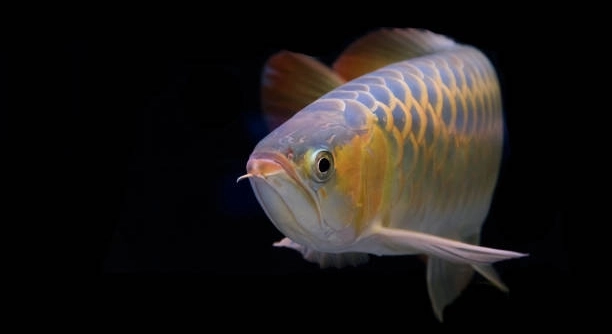
Is your arowana suddenly darting away whenever it nears the filter? Many fish owners notice this behavior and feel concerned about their pet’s comfort and safety. Understanding the reasons behind this fear can improve your arowana’s environment.
Arowanas often act afraid of the filter due to strong water currents, loud vibrations, or sudden changes in light. These environmental stressors can trigger a natural flight response, as the fish perceives the filter as a potential threat to its safety.
Recognizing the source of fear in your arowana is the first step toward creating a calmer, more comfortable tank for long-term wellbeing.
Common Reasons Arowanas Fear Filters
Arowanas are sensitive fish, and the filter in the tank can be intimidating if not adjusted properly. Strong water currents can push them around or make swimming difficult, causing stress. Vibrations from the motor or sudden noises may startle them. Some filters create bubbles or surface ripples, which can be unsettling to a fish that prefers calmer waters. Lighting changes caused by filter movement or water flow can also confuse them. If the filter is placed too close to hiding spots or the main swimming area, the fish may feel trapped. Even the sight of fast-moving water near the intake can trigger a fear response. Adjusting the position, flow, and noise levels of the filter can significantly reduce stress. Over time, arowanas may become more confident around their equipment if the environment feels predictable and safe. Observing their behavior daily helps identify specific triggers.
Adjusting the filter flow or adding gentle barriers can make a noticeable difference in comfort and confidence.
Patience is key. Small, consistent adjustments to the filter’s flow or placement allow the arowana to adapt gradually. Introducing decorations or plants near the filter can provide visual breaks and reduce stress. Over weeks, many arowanas will start exploring the tank without avoiding the filter, showing a return to normal behavior.
Tips to Reduce Fear
Using a sponge or pre-filter can reduce strong suction and water turbulence, making the tank less intimidating.
Start by checking the water flow rate and repositioning the filter slightly away from the main swimming area. Adding plants or décor near the intake helps the fish feel more secure. Regular maintenance to reduce noise and vibration can make the filter less startling. Gradually acclimate your arowana by observing its reactions to changes. Avoid sudden moves or turning the filter on and off abruptly, as this can reinforce fear. Consistency in water conditions and tank setup plays a major role in comfort. Over time, the arowana will begin to recognize the filter as a safe part of its environment rather than a threat. Maintaining a calm and predictable tank routine supports long-term behavioral stability and overall health.
Adjusting Filter Placement
Moving the filter slightly away from the main swimming area can reduce stress. Ensuring it is not too close to corners or hiding spots gives the arowana space to feel safe. Small shifts in position can change how the water flows and make the environment less intimidating.
Carefully observing your arowana’s reactions to different placements is important. Sometimes even a few inches can make a big difference. If the fish continues to avoid certain areas, try repositioning the filter higher or lower. Adding gentle flow attachments or diverting the water current can also reduce turbulence. Consistency is key, so avoid frequent drastic changes. Over time, arowanas can adapt to these adjustments and start swimming more confidently near the filter without panic or stress reactions.
Flow strength also plays a role. Many filters push water too forcefully, overwhelming the fish. Reducing the output or installing a flow deflector softens currents. Choosing quieter filters with minimal vibrations can make the tank more peaceful. Observing how your arowana moves around the tank will help you fine-tune these adjustments. Patience and gradual changes are essential for long-term comfort.
Using Tank Decorations to Help
Decorations near the filter can provide safe visual breaks and hiding spots, reducing stress and fear. Strategically placed plants or rocks help the arowana feel less exposed.
Placing ornaments, driftwood, or artificial plants around the filter intake creates shaded areas where the fish can retreat if startled. These additions break up strong currents and diffuse water flow, making the environment more manageable. Natural hiding spots allow the arowana to rest and observe its surroundings without constant anxiety. It is helpful to monitor behavior after introducing new décor, ensuring it does not block swimming space or trap debris. Maintaining cleanliness is also important, as stagnant areas can negatively affect water quality. Gradually, these enhancements make the tank feel safer, encouraging normal swimming and feeding patterns. Arowanas are more likely to explore freely once they perceive the environment as stable and predictable.
Reducing Noise and Vibration
Filters that are noisy or vibrate can alarm arowanas. Using rubber pads or placing the filter on a stable surface helps minimize vibrations. Quieter filters reduce stress and create a more peaceful swimming environment.
Regular maintenance also prevents excess noise. Cleaning debris and ensuring parts are secure keeps the filter operating smoothly. Less rattling means the arowana feels safer, making it more likely to swim calmly nearby.
Gradual Acclimation
Introducing the arowana to the filter gradually can improve comfort. Start by running the filter at lower flow for short periods. Slowly increase the duration and flow over days or weeks. This method allows the fish to adjust without sudden stress.
Gradual exposure works best when combined with observation. Watching how the arowana reacts to changes lets you know if adjustments are needed. If the fish remains hesitant, slowing the process helps. Over time, this steady approach builds confidence, helping the arowana treat the filter as a normal part of its tank environment. Consistency and patience are crucial for long-term adaptation.
Monitoring Behavior
Keep track of swimming patterns, hiding, and feeding habits. Behavioral changes indicate stress or discomfort around the filter.
FAQ
Why does my arowana hide from the filter?
Arowanas are naturally cautious fish. Hiding from the filter usually happens because of strong water currents, loud vibrations, or sudden movements near the intake. The fish perceives these as potential threats. Over time, with adjusted flow, quieter operation, and safe décor, they often become more comfortable and explore near the filter.
Can filter vibrations harm my arowana?
Vibrations themselves rarely cause physical harm, but they do create stress. Stress can weaken the immune system, reduce appetite, and cause unusual behavior. Placing the filter on a stable base, using rubber pads, or switching to a quieter model can significantly reduce this stress and improve overall wellbeing.
Is the filter flow too strong for my arowana?
Yes, a high flow can overwhelm the fish, making swimming difficult and causing fear. Using a flow deflector, lowering the pump speed, or choosing a filter suitable for gentle currents helps the arowana navigate the tank comfortably. Gradual exposure also aids adaptation.
How long does it take for an arowana to get used to the filter?
Adjustment time varies with each fish. Some arowanas may acclimate in a few days with proper flow and hiding spots. Others need weeks or months. Patience and consistent tank conditions are key. Observing daily behavior helps determine if progress is being made.
Should I cover the filter intake to protect my arowana?
Covering the intake with a sponge or pre-filter can prevent accidental suction injuries and reduce water turbulence. This also makes the area less intimidating, allowing the fish to swim nearby safely without stress.
Do tank decorations really help reduce fear?
Yes, decorations like driftwood, plants, or rocks near the filter provide hiding spots and visual breaks. These reduce the intensity of water movement and create a safer environment. Strategically placed décor allows the arowana to rest, explore, and gradually get used to the filter.
Is it normal for my arowana to dart around when near the filter?
Occasional darting is normal if the filter flow is strong or noisy. Continuous frantic movements indicate stress or discomfort. Adjusting flow, minimizing vibrations, and providing safe spaces often calm the fish and restore normal swimming patterns.
Can water quality affect fear around the filter?
Yes, poor water conditions make fish more sensitive. High ammonia, nitrite, or uneven temperature can increase stress. Maintaining clean, stable water reduces overall anxiety and makes arowanas more confident, even near strong currents or noisy areas.
Should I turn off the filter when the arowana is stressed?
Temporarily reducing flow or switching to a gentle mode can help, but turning off the filter completely is not recommended. Proper filtration is essential for water quality. Adjusting settings or adding flow deflectors balances safety and tank health.
How can I tell if my arowana is still stressed by the filter?
Signs include hiding constantly, avoiding the main swimming area, rapid gill movement, or loss of appetite. Observing these behaviors over time helps identify if adjustments to flow, placement, or décor are necessary. Gradual improvements indicate reduced stress.
Does the size of the tank matter for filter-related fear?
Yes, larger tanks allow more space to place the filter away from main swimming areas, reducing stress. Smaller tanks require careful positioning, decorations, and flow adjustments to ensure the fish feels safe and can swim comfortably without constant exposure to strong currents.
Are some arowanas naturally more sensitive to filters?
Yes, individual temperament matters. Some arowanas are bold and adapt quickly, while others are shy and easily startled. Recognizing your fish’s personality helps tailor filter adjustments and environmental changes for better comfort and confidence.
Can multiple arowanas affect each other’s fear of the filter?
Yes, observing other fish reacting to the filter can influence behavior. If one arowana darts or hides, others may mimic the response. Gradual exposure, sufficient hiding spots, and proper spacing can reduce this chain reaction of fear.
What maintenance practices help reduce filter-related stress?
Regular cleaning, securing loose parts, and checking for excessive vibration or noise are essential. Ensuring the filter runs smoothly and quietly minimizes sudden disturbances. Consistent maintenance not only keeps the tank healthy but also reduces stress for sensitive arowanas.
Is it safe to use additional flow devices or attachments?
Yes, devices like spray bars or flow deflectors can soften strong currents and redirect water away from preferred swimming zones. These adjustments make the filter less intimidating while maintaining proper circulation, ensuring the arowana feels safe without compromising water quality.
How often should I observe my arowana near the filter?
Daily observation is ideal, especially after adjustments. Watching swimming patterns, hiding habits, and feeding behavior helps detect stress early. Quick interventions, such as repositioning the filter or adding décor, can prevent long-term fear and improve tank comfort.
Can lighting affect how the arowana reacts to the filter?
Yes, reflections or shadows caused by filter movement can startle fish. Using consistent lighting and avoiding sudden changes near the filter area reduces fear and makes the environment more predictable.
Are there filter types better suited for arowanas?
Yes, canister filters or quiet internal filters with adjustable flow are usually ideal. They create gentle currents, minimal noise, and reduce vibrations. Choosing the right filter type tailored to tank size and fish temperament improves comfort and reduces stress responses.
Can feeding habits be affected by filter fear?
Yes, a stressed arowana may avoid areas near the filter and reduce feeding. Providing food in calmer zones away from strong currents encourages normal eating and gradually reassures the fish about its surroundings.
How do I know when my arowana has fully adjusted to the filter?
Signs include swimming confidently near the filter, reduced hiding, normal feeding, and relaxed body movements. Consistent calm behavior over weeks indicates that the fish perceives the filter as a safe and normal part of its environment.
Final Thoughts
Understanding why your arowana acts afraid of the filter is an important step in creating a comfortable and healthy tank environment. These fish are naturally sensitive to changes in their surroundings, and strong currents, vibrations, or sudden movements can trigger fear. The first step is observing your arowana closely to identify specific stress triggers. By noting how it behaves around the filter, you can make informed adjustments that reduce anxiety and encourage normal swimming patterns. Small changes, like moving the filter slightly, adjusting the flow rate, or reducing noise, often make a significant difference in the fish’s comfort. Even seemingly minor details, such as the angle of water flow or the type of filter used, can influence how safe and secure your arowana feels. Regularly monitoring behavior ensures that the tank remains a supportive environment where the fish can thrive without constant stress.
In addition to adjusting the filter, providing visual breaks and hiding spots helps your arowana feel safe. Adding decorations like driftwood, rocks, or live or artificial plants near the filter intake can break up strong currents and create shaded areas for the fish to retreat. These elements allow the arowana to rest or observe its surroundings without feeling exposed or threatened. Gradual acclimation is key, as sudden changes in the tank can reinforce fear rather than reduce it. Running the filter at lower speeds initially or redirecting water flow can help the fish get used to its presence. Over time, consistent adjustments and careful observation enable the arowana to associate the filter with a normal, non-threatening part of its habitat. Providing these options improves both comfort and confidence, encouraging natural swimming behavior and healthy interactions within the tank.
Patience and consistency are essential when working with sensitive arowanas. Each fish adapts at its own pace, and progress may take days, weeks, or even longer depending on temperament and environmental factors. Maintaining a stable water environment, clean equipment, and predictable routines helps reduce overall stress, allowing the arowana to focus on feeding, exploring, and growing rather than reacting to fear. Small improvements, such as softer currents, quieter operation, and carefully positioned décor, accumulate over time and create a lasting impact on the fish’s wellbeing. By understanding the causes of fear and taking practical steps to address them, you create a healthier, calmer tank that supports long-term growth and happiness. Observing, adjusting, and responding thoughtfully ensures that your arowana can feel secure in its environment while enjoying a balanced and stress-free life.

Hello,
If you enjoy the content that we create, please consider saying a "Thank You!" by leaving a tip.
Every little bit helps us continue crafting quality advice that supports the health, happiness, and well-being of pets around the world, for pets of all shapes, sizes, and species.
We really appreciate the kindness and support that you show us!