
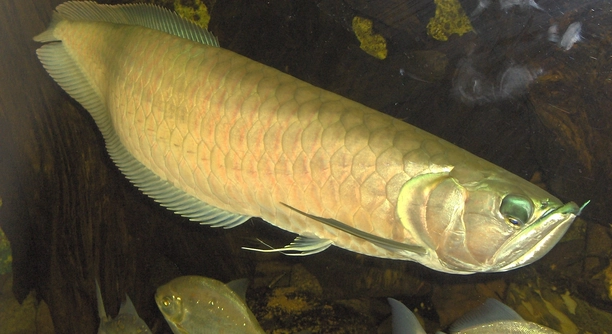
Have you ever tried arranging new decorations in your aquarium while hoping your arowana will feel comfortable around them, creating a calm space that supports their natural behavior and keeps their environment balanced and welcoming.
Arowana show comfort with decor through smooth swimming patterns, steady coloration, relaxed fin movement and consistent feeding behavior. When decorations are placed to mimic their natural habitat, these fish display reduced stress responses and interact more confidently within the environment.
These small behavioral cues highlight how decor shapes their comfort and can guide you toward creating a supportive aquatic setup.
Understanding Arowana Reactions to Decor
Creating a comfortable environment for your arowana starts with observing how they react when new items are placed in the tank. These fish rely on open swimming areas, soft lighting and stable surroundings to feel secure. When decor is introduced, they may respond with interest or caution, and both reactions can reveal what they find acceptable. Slow swimming, calm hovering and brief inspection often show they are adjusting well. Quick darting or hiding can signal that the change is too sudden or the object is too bright or large. Paying attention to these details helps you understand how they handle changes and allows you to keep their space balanced. Over time, their comfort becomes easier to read, and small adjustments encourage healthier behavior. This steady approach keeps the aquarium peaceful and supports their natural confidence while you plan future decor changes.
These reactions help you determine whether your setup supports their comfort or creates stress, allowing your arowana to move confidently and respond more calmly to anything new within their environment.
Balancing decor in an arowana tank means selecting pieces that blend safety with visual structure. Smooth surfaces, secure placement and open areas allow them to swim freely without feeling crowded. Large roots, gentle rock shapes and soft plants can create boundaries without overwhelming their movement. Avoid clutter, since too many objects can disrupt their swimming rhythm and cause unnecessary stress. When the environment feels open yet structured, they display steadier coloration and more predictable routines. This balance helps them remain confident, reduces sudden reactions and makes it easier to introduce new decor in the future.
Choosing Decor That Supports Comfort
Selecting decor for your arowana should focus on safety, stability and natural structure. Items that mimic gentle shapes found in their habitat help them feel grounded while maintaining open space, allowing them to settle more easily and develop consistent, calm behavior.
Decor selection plays an important role in shaping how secure your arowana feel, so choosing pieces with intention makes their environment healthier. Begin by selecting smooth materials that will not catch their long fins or disrupt their swimming patterns. Large driftwood sections, wide rock shelves and tall but sparse plants create calm boundaries without forcing them into tight spaces. Arowana prefer to move in straight lines, so decorations should be arranged to keep the center of the tank open. This setup allows them to glide naturally while still benefiting from soft structure along the sides. Stability is also important, because shifting decor can startle them and lead to stress behaviors. Anchor items firmly and avoid materials that float or lean in unpredictable ways. Color matters as well, since subtle tones help maintain a peaceful environment. Avoid overly bright pieces that may cause hesitation or agitation. When the decor supports comfort rather than distraction, your arowana show smoother responses, steadier feeding patterns and calmer exploration. These improvements help you maintain a balanced tank that encourages reliable behavior, making each adjustment easier to manage as their needs evolve.
Recognizing Signs of Stress
Stress in arowana becomes clear when their behavior shifts from calm exploration to tense, unpredictable movement. Rapid swimming, persistent hiding and dull coloration are early signs. These changes often appear when decor placement disrupts their usual swimming paths or creates shadows that feel unsafe.
Watching these reactions helps you adjust the tank more effectively. If your arowana begins avoiding certain areas, the decor may be blocking their preferred routes or causing reflections that unsettle them. Softening the layout with smoother shapes or widening open spaces usually encourages them to return to their normal routine. Consistency is important, since frequent rearranging can increase stress and delay improvement. When behavior stabilizes, it shows that the environment suits their needs. A steady layout gives them the confidence to swim smoothly, interact more calmly and settle into a predictable pattern that supports long term comfort.
Reducing stress also means avoiding items that create noise or vibration within the tank. Loose decorations, rattling lids or unstable ornaments can startle your arowana and disrupt their feeding habits. Removing or securing these elements helps them rebuild trust in their environment. A calm space supports better coloration, smoother movement and more reliable responses to feeding and lighting changes. Over time, maintaining a stable setup reduces sudden reactions and allows your arowana to display more confident behavior, which makes it easier to recognize what decor they accept and what adjustments may help them thrive.
Encouraging Natural Behavior
Supporting natural behavior begins with creating an environment that allows your arowana to glide without interruption. Open swimming space paired with subtle structure along the tank edges encourages smoother movement. Simple decor choices keep them active without overwhelming their sense of security.
A balanced layout guides them toward natural routines. Keeping the center clear lets them swim in long lines, while placing wider objects at the sides helps them feel anchored without feeling confined. Natural colored pieces maintain a calm atmosphere and reduce the chance of startled reactions. Consistent lighting also plays a key role, since bright flashes or harsh shadows can interrupt their comfort and lead to hesitation. When the space remains predictable, your arowana show steadier posture, relaxed fin movements and more controlled responses to surrounding activity. These patterns reveal how well they accept the decor. Steady behavior, smooth gliding and calm observation show that the environment supports their instincts and helps them remain confident in their tank.
Adjusting Decor Placement
Adjusting decor placement helps your arowana maintain steady behavior and smooth swimming. Keeping larger pieces near the back of the tank and softer elements along the sides creates structure without restricting movement, allowing them to feel secure while exploring every area at a comfortable pace in a calm daily routine.
Small adjustments can reduce hesitation when your arowana encounters new decor. Shifting bright pieces away from high activity zones and choosing muted colors lowers visual stress. These changes support calmer swimming, softer reactions to movement outside the tank and a more predictable pattern that reflects their overall comfort each day.
Maintaining a Stable Layout
Stable decor helps your arowana settle into natural routines by giving them consistent boundaries and predictable space. When decorations remain fixed, their reactions become easier to understand, making it simpler to adjust elements that influence comfort. Smooth materials, gentle shapes and secure placement reduce sudden distractions that may interrupt their swimming rhythm. Light colored pieces maintain a calm atmosphere, while open central areas support long glides. Reducing clutter prevents accidental collisions and allows them to maintain steady posture. Observing these patterns over time shows which elements encourage calm behavior and help your arowana remain confident throughout their daily activity habits.
Lighting and Comfort
Maintaining predictable lighting helps your arowana respond calmly to decor changes. Soft, steady illumination prevents harsh shadows that may cause hesitation. Consistent timing supports reliable feeding behavior and smoother swimming, allowing them to feel secure as they move through familiar spaces shaped by stable and carefully arranged decorations each day.
How can I tell if my arowana likes the new decorations?
Arowana show comfort with decor through smooth swimming, relaxed fins and steady coloration. They may briefly inspect new items without darting away. If they continue normal feeding and patrol their usual swimming paths, it indicates acceptance. Watching these subtle cues over several days gives a clearer picture of how well the environment suits them.
What decorations are safest for arowana?
Smooth driftwood, wide rocks and tall but sparse plants are ideal. Avoid sharp edges, small loose items and floating decorations that may block swimming or injure fins. Choose materials that are secure, non-toxic, and stable to prevent sudden movement or stress, supporting safer exploration.
How should I place decor to avoid stress?
Place larger items near the tank’s back and edges to create boundaries while leaving the center open for swimming. Soft, muted colors reduce visual stress. Ensure decorations do not cast heavy shadows or restrict straight-line movement, so the arowana feels free to glide confidently.
Why is my arowana hiding around new decorations?
Hiding usually signals caution or discomfort. The size, color, or placement may be intimidating, or it may block familiar swimming routes. Gradually reposition items, leaving open space and stable surfaces, to encourage your arowana to explore while maintaining a sense of security.
Can lighting affect comfort around decor?
Yes, harsh or uneven lighting can amplify stress. Soft, consistent lighting minimizes shadows that might cause hesitation. Position lights to avoid glare on decorations while maintaining predictable day-night patterns. Arowana respond better when they can see their environment clearly without sudden changes in brightness.
How often should I rearrange tank decorations?
Frequent rearrangements can increase stress. Limit changes to occasional updates after observing behavior, ideally allowing weeks for the fish to adjust. Slow, incremental adjustments prevent startling reactions and help your arowana remain confident and relaxed while navigating the tank.
What behavior shows my arowana is stressed by decor?
Rapid swimming, erratic turns, hiding, fin clamping or dull coloration are common signs. Avoiding areas near new objects or refusing food also indicates discomfort. Observing these patterns allows you to make immediate changes to reduce stress and improve overall tank harmony.
Can feeding behavior indicate comfort with decor?
Yes, arowana that are comfortable will approach food confidently and feed without hesitation. If they pause or avoid feeding near certain areas, it may reflect unease with surrounding decorations. Adjust placement or reduce clutter to restore normal feeding habits and reduce stress.
Are all arowana affected the same by tank decor?
Individual temperament matters. Some arowana adapt quickly, while others are more cautious. Observing each fish separately ensures you identify their unique preferences. Tailoring the environment to individual behavior encourages smoother swimming, relaxed postures and calmer responses to new or existing decorations.
How do I know when decor adjustments are successful?
Success is seen when arowana swim smoothly, maintain consistent coloration, feed regularly, and interact naturally with the environment. They should explore the tank confidently, hover calmly around new items, and display relaxed fins, showing that the layout promotes comfort and supports natural behavior.
Can overcrowding decorations harm my arowana?
Yes, excessive decor limits swimming space and can create stress. Arowana need open areas for straight-line movement. Keep decorations along edges, maintain an uncluttered center, and remove unnecessary items to allow free swimming, reduce collisions and ensure consistent comfort throughout the tank.
What is the best way to introduce new decor?
Introduce items gradually and observe responses over several days. Place them along familiar routes rather than directly in high-traffic zones. Using muted colors, smooth surfaces, and stable positioning encourages calm inspection and helps your arowana adjust naturally without sudden stress.
How long does it take for arowana to adjust to new decorations?
Adjustment can take days to weeks depending on personality and tank setup. Steady observation of swimming patterns, feeding behavior, and posture helps determine when they are fully comfortable. Gradual changes reduce stress and ensure long-term acceptance of the new environment.
Should I change decorations seasonally or leave them constant?
Constant, predictable decor generally supports comfort. Seasonal changes should be minor and incremental to avoid sudden stress. Gradual updates, such as adding one plant or adjusting a rock, allow the fish to adapt naturally while maintaining confidence in their environment.
How can I make decorations more natural for my arowana?
Use elements that mimic river environments, such as driftwood, smooth rocks, and sparse plants. Avoid bright colors or sharp edges. Natural arrangements reduce stress, provide gentle boundaries, and allow swimming patterns that reflect instincts, creating a more comfortable and calming environment.
What if my arowana still seems stressed after decor adjustments?
If stress persists, re-evaluate placement, lighting, and tank layout. Ensure decorations do not obstruct movement or create sharp contrasts. Sometimes removing new items temporarily can help, then reintroduce them gradually. Monitoring long-term behavior helps identify the most suitable setup for their comfort.
Can multiple arowana share a decorated tank comfortably?
Yes, if space is sufficient and decor is placed to provide clear swimming paths and territorial boundaries. Overcrowding or too many obstacles increases stress and aggression. Separate large structures and leave open areas so each fish can move freely while feeling secure in its own space.
Does water quality affect comfort around decor?
Absolutely. Poor water conditions can heighten stress responses, making arowana more reactive to surroundings. Maintaining stable temperature, pH, and cleanliness ensures that decor changes do not add unnecessary stress, allowing natural swimming and relaxed behavior to continue.
Are there specific plants arowana prefer near their decor?
Tall, sparse plants that provide gentle boundaries without crowding swimming space work best. Floating plants can create shade, but avoid dense clusters that block paths. Natural tones and minimal obstruction help maintain comfort and encourage calm, confident exploration around all decor.
Can I use artificial decor safely?
Yes, if it is smooth, non-toxic, and stable. Avoid sharp edges, loose fragments, or small items that can be ingested. Artificial pieces should complement swimming space, maintain open areas and avoid visual stress, helping your arowana adjust naturally without risk of injury.
How often should I monitor arowana behavior after changing decor?
Daily observation is recommended for at least one to two weeks after introducing new items. Track swimming patterns, feeding habits, and fin movement. Frequent monitoring helps you make timely adjustments to ensure comfort and maintain a stable, stress-free environment.
Creating a comfortable environment for arowana requires attention to both the fish’s natural instincts and the way decor is arranged in the tank. Observing their behavior is essential, because subtle cues like smooth swimming, relaxed fins, and steady coloration reveal whether they feel secure. Decorations should provide structure without blocking their paths or limiting space. Large driftwood, smooth rocks, and sparse plants are effective choices, as they give boundaries while leaving open areas for movement. It is important to avoid clutter and sharp objects, as these can cause stress or injury. Over time, a carefully balanced layout allows your arowana to establish consistent routines and respond confidently to their surroundings, making their daily activity more predictable and healthy.
Lighting and water quality play an equally important role in maintaining a supportive environment. Soft, consistent lighting prevents harsh shadows and glare, which can create hesitation or fear. Predictable day-night patterns encourage normal feeding behavior and smoother swimming, while proper temperature, pH, and cleanliness ensure that stress does not increase due to environmental factors. Changes in decor should always be gradual, giving the fish time to adjust. Sudden rearrangements, overly bright pieces, or unstable items can lead to avoidance, erratic swimming, and fin clamping. By monitoring reactions carefully, you can identify which adjustments improve comfort and which create unnecessary tension. This observation is key to providing a tank where arowana can thrive physically and emotionally.
Maintaining a calm and natural habitat requires consistency, patience, and attention to detail. Decor should support the fish’s instincts rather than overwhelm them, allowing them to explore, feed, and interact with their environment freely. Gradual introductions of new items, combined with stable lighting and water conditions, help arowana adapt without stress. Individual temperament varies, so monitoring each fish is essential to understanding preferences and behavior patterns. Over time, these efforts create an aquarium that encourages confident movement, relaxed posture, and predictable routines. By focusing on structure, safety, and consistency, you provide a space where your arowana feel secure, supported, and able to display natural behavior, resulting in a healthy and balanced aquatic environment.

Hello,
If you enjoy the content that we create, please consider saying a "Thank You!" by leaving a tip.
Every little bit helps us continue crafting quality advice that supports the health, happiness, and well-being of pets around the world, for pets of all shapes, sizes, and species.
We really appreciate the kindness and support that you show us!