
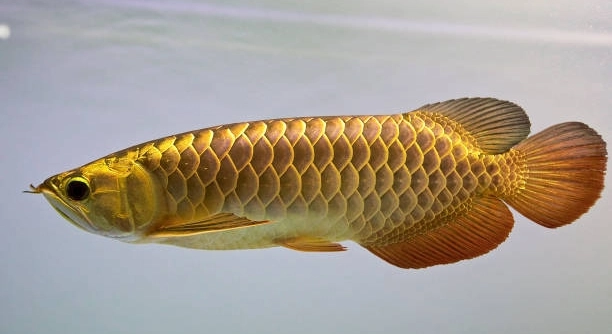
Have you ever noticed your arowana behaving oddly when certain sounds are present around its tank, leaving you wondering if sound frequencies might play a role in its mood or movement?
Sound frequencies can significantly influence arowana behavior and well-being. Studies suggest that certain frequencies may induce stress or agitation, while others promote calmness and steady swimming patterns. Understanding these effects helps maintain a stable environment and supports the fish’s overall health.
Exploring these sound influences provides a deeper understanding of how to create a peaceful and balanced habitat for your elegant arowana.
Understanding How Sound Frequencies Influence Arowana
Arowanas are sensitive creatures that respond strongly to changes in their surroundings, including sound. Vibrations from music, household appliances, or nearby traffic can travel through the water, affecting their comfort and behavior. Low-frequency sounds often cause stress or erratic swimming, while mid-range frequencies may create mild agitation. High-frequency sounds, on the other hand, can sometimes calm them, promoting smoother movement and stable breathing. Consistent noise exposure may even impact feeding habits or sleeping patterns over time. Monitoring these responses helps determine which sounds are tolerable and which should be minimized to maintain a calm aquatic atmosphere.
Observing your arowana’s reaction to everyday sounds is an important part of understanding its comfort levels. A calm fish with smooth swimming motions usually signals that the surrounding sounds are within an acceptable range, while sudden bursts of movement can indicate distress or overstimulation.
Arowanas rely heavily on environmental stability. Too much vibration or inconsistent noise can lead to unnecessary stress and reduced appetite. In shared spaces, keeping tanks away from televisions or speakers is a simple yet effective way to limit exposure. Adjusting volume levels or introducing quiet hours during feeding and resting times helps support their natural rhythm. Over time, you’ll notice patterns that reveal which frequencies are most comfortable for your arowana. Maintaining this balance can prevent unnecessary tension and allow your fish to display its graceful, natural behavior consistently.
Seven Frequencies That May Affect Arowana
Sound frequencies between 20Hz and 500Hz are typically the most influential on arowanas. Low-end bass sounds can trigger anxiety, while consistent mid-frequency tones might make them restless. Higher frequencies above 2kHz tend to have a more neutral or calming effect.
Arowanas react differently to each range of sound frequencies. Very low tones between 20Hz and 60Hz often come from large machinery or heavy music, and these can disturb the fish’s natural movement. Mid-range frequencies from 100Hz to 500Hz are often produced by household electronics and can lead to pacing or hiding behavior. Frequencies above 1kHz, such as soft background music or gentle water sounds, are usually less disruptive and may even create a sense of calm. However, prolonged exposure to any one frequency can still cause fatigue. By observing how your fish behaves in different acoustic environments, you can better adjust household sounds to promote a stress-free aquatic setting.
Behavioral Changes Linked to Sound Exposure
Sound sensitivity in arowanas often shows through subtle behavior changes. Restlessness, reduced feeding, and frequent surface swimming are signs of discomfort caused by loud or continuous vibrations. Calm, rhythmic movements, however, usually indicate the environment’s sound levels are within a tolerable range.
When an arowana experiences too much noise, it may startle easily, swim erratically, or even bump against the tank walls. These reactions can increase stress levels and weaken its immune system over time. Constant noise can also disrupt sleep cycles, leading to sluggish movement or loss of appetite. Monitoring these patterns daily helps identify if a specific sound frequency is causing discomfort. Over time, even minor adjustments, such as moving the tank to a quieter spot, can significantly improve behavior and overall health.
Besides behavioral signs, physical stress markers can appear if the noise persists. Discoloration, fin clamping, and reduced interaction with the environment are common indicators. Long-term exposure to irritating frequencies can also alter breathing rhythm or slow growth. Keeping the tank area consistent and quiet supports your arowana’s natural balance. If behavioral shifts occur, minimizing external sounds should be the first step. A peaceful environment not only protects the fish’s health but also highlights its graceful and natural beauty.
Environmental Adjustments for Healthier Behavior
Creating a sound-stable environment starts with observing the surrounding noise sources. Keeping the tank away from washing machines, speakers, or windows reduces unnecessary vibration. Using a thick tank mat can also absorb low-frequency sounds that travel through surfaces.
Simple changes can make a noticeable difference in your arowana’s comfort. Try lowering household noise levels during feeding and resting times, allowing the fish to relax without disturbance. If you live in a noisy area, adding plants or soft décor around the tank helps absorb ambient sound waves. Regularly check filters and air pumps to ensure they’re functioning quietly, as even mild humming can stress sensitive fish. A consistent environment with minimal sound interference supports steady movement, healthy appetite, and balanced breathing. Over time, these adjustments promote not only better behavior but also longer-term well-being for your arowana.
Recognizing Stress Through Physical Signs
Arowanas often show physical stress when exposed to disturbing sounds. Faded colors, loss of shine, or damaged fins can indicate prolonged discomfort. Breathing heavily or staying near the bottom of the tank are also signs that the environment may be too noisy or unsettling.
Another clear indicator of stress is a sudden loss of appetite. Arowanas that normally eat well may begin refusing food or spitting it out when overstimulated by certain frequencies. Consistent observation during feeding times helps determine if noise levels are affecting their eating habits or overall health stability.
Maintaining Consistent Sound Levels
Consistency is essential for reducing sound-related stress. Arowanas adjust better to stable environments where noise patterns remain predictable. Sudden loud sounds, like dropped objects or heavy footsteps, should be minimized around the tank area. Using soundproof materials nearby can help regulate vibrations and maintain calmness.
Promoting Long-Term Comfort
A balanced sound environment allows your arowana to display natural behavior without anxiety. Monitoring and adjusting background sounds daily ensures consistent calmness, healthier appetite, and stronger coloration. The goal is to create a peaceful space that supports both physical health and emotional stability over time.
FAQ
What sound frequencies are most likely to stress my arowana?
Low frequencies, especially those between 20Hz and 60Hz, are the most likely to cause stress. These vibrations often come from household appliances, large machinery, or heavy music. Your arowana may respond with erratic swimming, hiding, or frequent surface visits. Mid-range frequencies from 100Hz to 500Hz can also cause mild agitation, particularly if exposure is constant. Observing your fish during different noise conditions helps identify which frequencies are problematic.
Can high-frequency sounds be beneficial for arowanas?
Yes, higher frequencies above 1kHz are generally less stressful. Gentle background music or natural water sounds can create a calm environment. While they do not directly enhance health, these frequencies are less likely to trigger erratic behavior. Consistent exposure to neutral sounds allows your arowana to move naturally and maintain a healthy appetite.
How can I reduce stress caused by household noises?
Placement of the tank is key. Keep it away from speakers, washing machines, or heavily trafficked areas. Adding a thick tank mat absorbs vibrations and reduces low-frequency disturbances. Soft décor like plants or foam padding near the tank can help absorb sound. Minimizing loud sounds during feeding and resting times supports consistent, calm behavior.
Will sound stress affect feeding habits?
Yes. Arowanas exposed to disturbing sounds often reduce food intake or spit food out. Low- and mid-frequency vibrations are the most disruptive. Observing feeding behavior alongside ambient sound conditions allows you to identify patterns. Adjusting the environment to quieter periods during meals encourages regular eating habits and overall health.
How do I know if my arowana is comfortable with its environment?
Calm, steady swimming patterns and bright coloration are positive indicators. Smooth breathing and regular feeding habits suggest the sound environment is acceptable. Erratic swimming, hiding, or frequent surface activity often indicate discomfort. Daily observation is crucial to maintaining a healthy environment for your arowana.
Is it necessary to measure the frequencies in my home?
It can help, but it is not always required. Monitoring behavior is often sufficient to identify stress triggers. If you notice persistent agitation or changes in appetite, using a sound meter can pinpoint problematic frequencies and help in making precise adjustments.
Can long-term exposure to disturbing sounds cause permanent issues?
Prolonged exposure may lead to chronic stress, weakened immunity, slower growth, and behavioral changes. Stress over time can affect coloration and overall vitality. Consistently monitoring sound exposure and adjusting the environment minimizes long-term risks and supports your arowana’s natural behavior.
Are there tools to help maintain a calmer environment?
Yes. Acoustic dampening materials, quiet filters, and soft tank décor can reduce vibrations. Thick mats or foam around the tank absorb sound. Ensuring pumps and filters operate quietly and maintaining consistent background noise levels can help your arowana stay calm and healthy.
How often should I monitor sound and behavior?
Daily observation is ideal. Even minor changes in movement, feeding, or breathing can indicate sound-related stress. Keeping a simple log of observations alongside household activities or noises can reveal patterns that help maintain a stable and comfortable environment for your fish.
What steps should I take if my arowana shows signs of stress?
First, reduce or eliminate nearby noise sources. Move the tank to a quieter location if possible, and introduce sound-absorbing materials. Maintain consistent feeding schedules and water conditions to minimize additional stress. Gradually, the fish should return to normal swimming and feeding behavior as the environment stabilizes.
Final Thoughts
Understanding how sound affects your arowana is an important part of providing proper care. These fish are naturally sensitive to vibrations, and even everyday household noises can influence their behavior. Low-frequency sounds, like those from large appliances or traffic, often trigger stress responses such as erratic swimming, hiding, or reduced appetite. Mid-range frequencies may create mild agitation if exposure is prolonged, while higher frequencies above 1kHz tend to have a neutral or calming effect. Recognizing these patterns helps ensure your fish remains comfortable and healthy. Monitoring your arowana’s movements, feeding habits, and overall demeanor over time provides clear indicators of whether the sound environment is suitable or needs adjustment. Small changes, such as relocating the tank or using sound-absorbing materials, can make a significant difference in reducing stress and promoting natural behavior.
Maintaining a stable environment is essential for the long-term well-being of your arowana. Consistency in background noise, feeding schedules, and water conditions allows the fish to adapt and thrive. Sudden or frequent loud sounds can interfere with sleep, reduce appetite, and even weaken the immune system over time. By observing the fish closely, you can identify which sounds cause discomfort and implement practical solutions. Thick mats under the tank, quiet filters, and soft decorations around the tank help reduce vibrations and absorb noise. Even small adjustments, like lowering household music volume or avoiding loud activity near the tank during feeding or resting times, can support your arowana’s natural behavior. Over time, these efforts create a calm, predictable environment that encourages steady movement, proper feeding, and overall health.
Sound management is not the only factor that contributes to arowana health, but it plays a key role in creating a stress-free environment. Calm, predictable surroundings allow your fish to display natural colors, maintain proper swimming patterns, and feed consistently. Paying attention to subtle signs of stress, like changes in breathing, coloration, or fin movement, helps prevent long-term issues caused by prolonged exposure to disturbing frequencies. By taking a proactive approach to sound and environmental management, you can support your arowana’s emotional and physical stability. Creating a balanced space ensures that the fish can live comfortably while maintaining its natural elegance and energy. These small, consistent steps make a meaningful difference in the overall care and enjoyment of keeping arowanas in a home aquarium.

Hello,
If you enjoy the content that we create, please consider saying a "Thank You!" by leaving a tip.
Every little bit helps us continue crafting quality advice that supports the health, happiness, and well-being of pets around the world, for pets of all shapes, sizes, and species.
We really appreciate the kindness and support that you show us!