
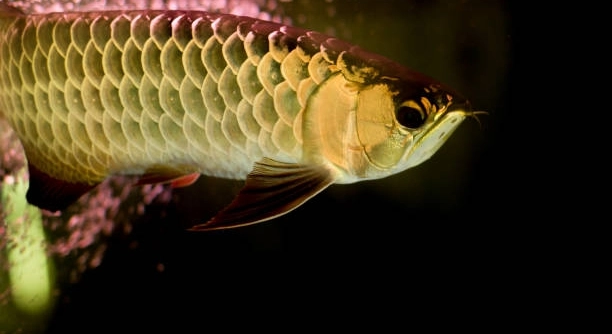
Do you ever notice your arowana swimming strangely or resting at the surface longer than usual? Overheating can affect their behavior, health, and overall well-being. Recognizing the signs early helps you provide the care they need.
Arowanas are sensitive to high water temperatures, which can cause stress, reduce oxygen intake, and lead to health complications. Key indicators include lethargy, rapid gill movement, clamped fins, unusual swimming patterns, and changes in appetite or coloration.
Monitoring your arowana closely can prevent serious health issues. Identifying overheating signs early allows for timely action to maintain a safe aquatic environment.
Signs of Lethargy
When arowanas overheat, they often become noticeably less active. You might find your fish lingering near the water surface or hiding more than usual. Their usual bursts of movement slow down, and they may stop exploring the tank as frequently. Overheating causes metabolic stress, making it difficult for the fish to maintain normal activity. Even feeding responses can diminish, as the energy needed to hunt or accept food decreases. Long periods of inactivity are not typical for a healthy arowana, so noticing these behaviors should prompt you to check water temperatures immediately. Temperature fluctuations or prolonged exposure to heat can significantly weaken the fish, making them more susceptible to illness and infections. Observing your arowana’s daily routine helps in detecting subtle changes early. Lethargy is often one of the first warning signs of overheating and can serve as an early indicator to prevent more serious health problems.
Lethargic behavior is a clear signal that your arowana may be stressed by excessive heat. Immediate action is important.
Reducing water temperature gradually and providing shaded areas can help the fish recover. Avoid sudden changes, as arowanas are sensitive to stress. Aeration and water circulation improve oxygen levels, helping them regain energy. Keeping track of activity patterns daily makes it easier to detect overheating before it becomes dangerous. Maintaining consistent care ensures your arowana stays healthy.
Rapid Gill Movement
Rapid or heavy gill movement is one of the most noticeable signs of overheating. You may see your arowana constantly opening and closing its gills more than usual, even at rest. This happens because higher water temperatures lower oxygen levels, forcing the fish to work harder to breathe. Watching for subtle increases in gill activity can prevent prolonged stress. Immediate intervention, like adjusting water temperature or adding aeration, is necessary to reduce strain on the fish.
Oxygen depletion from high temperatures stresses arowanas, leading to rapid gill movement. Acting quickly ensures their well-being.
Maintaining proper oxygen levels is critical when temperatures rise. Using a reliable thermometer helps monitor water consistently. Adding an air stone or increasing surface agitation can improve oxygen circulation, relieving the strain on your arowana. Gradual cooling methods, like partially replacing warm water with slightly cooler water, are effective without shocking the fish. Regularly checking for gill movement patterns gives insight into stress levels, allowing you to take timely action. Over time, these adjustments reduce the risk of heat-related illnesses and ensure your arowana remains active and healthy in its tank environment.
Clamped Fins
Clamped fins are a clear sign your arowana is under stress from heat. The fins appear folded against the body instead of spreading naturally. This behavior signals discomfort and may indicate prolonged exposure to high water temperatures.
Clamped fins occur when the fish tries to conserve energy and reduce strain on its body. High temperatures increase metabolic demands, causing stress that manifests physically. Over time, this condition can weaken muscles and make the fish more susceptible to disease. Observing fin posture daily helps detect problems early and prompts timely action to restore a stable environment. Correcting water temperature and ensuring proper aeration often resolves this issue.
Consistent monitoring is crucial. Adjusting tank conditions gradually, including partial water changes or using cooling devices, can improve your arowana’s comfort. Providing hiding spots and reducing direct lighting can also reduce stress. Persistent clamping should prompt further inspection of water quality and tank setup.
Changes in Appetite
A sudden loss of appetite often accompanies overheating in arowanas. Fish may refuse food entirely or eat much less than usual, which affects energy and overall health.
Overheating slows digestion and alters metabolic rates, reducing the fish’s natural feeding drive. Even high-quality food may be ignored if water temperature is too high. This behavior signals that the tank environment needs adjustment to prevent further stress and potential nutrient deficiencies. Careful observation of feeding patterns is necessary to catch this early.
Addressing appetite loss involves stabilizing water temperature and improving oxygen levels. Avoid overfeeding, as uneaten food can deteriorate water quality and worsen stress. Offering smaller portions multiple times a day may encourage feeding. Supplementing with easily digestible foods helps maintain nutrition while the fish recovers. Regular monitoring ensures changes are noticed quickly, protecting the fish’s long-term health and maintaining a safe and balanced environment.
Unusual Swimming Patterns
Unusual swimming, such as erratic movements or floating near the surface, often indicates overheating. The fish may struggle to maintain balance or appear disoriented.
These patterns result from stress and reduced oxygen levels in warm water. Observing daily swimming behavior helps detect early signs of heat-related discomfort.
Color Fading
Color fading is a subtle but important sign. Overheating can cause your arowana’s natural colors to dull, losing vibrancy across the body and fins. Stress from high temperatures affects pigmentation and overall health. Watching for sudden changes in color can help you intervene before more serious problems develop.
Increased Irritability
Arowanas may become more aggressive or defensive when overheated. This behavioral change reflects discomfort and stress caused by excessive water temperatures. Regularly noticing sudden shifts in temperament helps maintain a stable environment and prevent potential injury from tank interactions.
FAQ
How can I quickly lower my arowana’s tank temperature?
Gradually reducing the water temperature is safest for your fish. Avoid sudden changes that can shock your arowana. You can replace a portion of the water with cooler, dechlorinated water or use a fan to increase surface evaporation. Adding an aquarium chiller is another effective long-term solution. Maintaining a stable environment is more important than rapid cooling.
What is the ideal temperature range for arowanas?
Most arowanas thrive in temperatures between 75°F and 82°F (24°C–28°C). Temperatures consistently above this range can cause stress, lethargy, and other health issues. Using a reliable thermometer and checking it daily ensures the water stays within safe limits. Minor fluctuations are tolerable, but prolonged heat exposure should be avoided.
Can aeration help if my arowana is overheating?
Yes, increasing oxygen levels can reduce stress during high temperatures. Stronger water movement from an air stone, sponge filter, or increased filtration helps the fish breathe more easily. Adequate aeration supports recovery and prevents further complications from low oxygen, especially during warmer days or tank heater malfunctions.
What signs indicate that my arowana is too hot?
Key indicators include lethargy, clamped fins, rapid gill movement, unusual swimming patterns, loss of appetite, color fading, and increased irritability. Observing your fish daily is essential, as early detection allows for timely interventions and helps prevent long-term health problems.
How long can an arowana tolerate high temperatures?
Arowanas can handle brief periods of slightly elevated temperatures, but prolonged exposure above 82°F (28°C) is dangerous. Extended heat stress can weaken immunity, reduce feeding, and make the fish vulnerable to infections. Immediate temperature adjustments are necessary to prevent permanent damage.
Should I stop feeding my arowana if it is overheating?
Not feeding for a short period is normal if the fish loses its appetite. Overfeeding during heat stress can worsen water quality and cause additional strain. Offer small, easily digestible meals once the fish starts eating again, and maintain stable water conditions to encourage normal feeding behavior.
Can shaded areas in the tank help with overheating?
Providing shaded areas reduces direct light and creates cooler zones in the tank. Plants, floating decorations, or aquarium covers can help your arowana move to more comfortable spots. This simple adjustment can lower stress levels and encourage natural swimming patterns while you correct the overall water temperature.
What maintenance practices prevent overheating in the future?
Regular monitoring of water temperature, using a thermometer, maintaining proper aeration, and performing partial water changes are essential. Avoid placing the tank near heat sources, and consider using fans or chillers in warmer climates. Consistent maintenance ensures long-term health and minimizes the risk of heat-related stress.
Can multiple arowanas in one tank increase overheating risks?
Yes, crowded tanks generate more metabolic heat and reduce oxygen levels. Ensuring enough space per fish and proper filtration helps maintain stable conditions. Monitor behavior closely, as signs of stress may appear sooner in overcrowded tanks, requiring immediate adjustments to prevent overheating complications.
Is it normal for arowanas to swim at the surface during warm days?
Occasional surface swimming can indicate your arowana is seeking oxygen, especially in warmer water. While brief periods are normal, consistent surface activity combined with other stress signs suggests overheating. Adjusting water temperature and improving oxygenation is critical to avoid long-term health problems.
How often should I check the temperature in my arowana tank?
Daily monitoring is recommended. Temperatures can fluctuate due to seasonal changes, room heating, or sunlight exposure. Keeping a routine ensures you catch problems early. Using a reliable thermometer and noting readings over time helps identify patterns and maintain a safe environment for your fish.
Are there long-term effects if my arowana overheats?
Prolonged heat exposure can weaken the immune system, stunt growth, cause organ stress, and increase susceptibility to disease. Early detection and intervention are essential to prevent irreversible damage. Maintaining a stable environment reduces these risks and ensures your arowana lives a healthy, active life.
What should I do if my arowana shows multiple overheating signs?
Address all environmental factors immediately. Gradually lower water temperature, improve aeration, provide shaded areas, and reduce stressors like strong currents or overcrowding. Observe the fish closely for recovery, and avoid sudden changes. Consistent care and monitoring are crucial to help the arowana return to normal health.
Can diet adjustments help a stressed, overheated arowana?
Offering lighter, easily digestible foods can reduce metabolic stress. Avoid high-protein meals during heat stress, as they increase oxygen demand. Small, frequent feedings after recovery help the fish regain strength without causing further strain on its system. Nutritional support complements temperature control and oxygenation efforts.
Is it safe to use a fan or air conditioner near the tank?
Yes, indirect airflow can help reduce surface water temperature. Ensure the fan or AC does not create strong drafts or cold spots that could shock the fish. Gradual cooling methods are safer and more effective, maintaining a stable and comfortable environment for your arowana.
How do I prevent overheating during summer months?
Position the tank away from direct sunlight and heat sources. Use fans, shade, or chillers if necessary. Regularly monitor water temperature, maintain proper aeration, and perform partial water changes as needed. Proactive adjustments during hot months prevent stress and keep your arowana healthy throughout the season.
When should I consult a veterinarian?
If your arowana shows persistent signs of heat stress despite adjustments, a veterinarian can evaluate for secondary infections or organ damage. Professional advice ensures proper treatment and helps prevent long-term complications. Early intervention improves recovery outcomes and supports overall health.
Can tank size affect overheating risks?
Smaller tanks heat up faster and have less stable oxygen levels. A larger tank provides more thermal stability and space for the fish to find comfortable areas. Ensuring adequate volume and proper filtration reduces temperature spikes and helps maintain a healthy environment.
How do I safely reintroduce normal feeding after overheating?
Start with small, easily digestible meals once the fish begins showing normal behavior. Gradually return to the regular diet over several days. Avoid overfeeding, as sudden large meals can stress the metabolism and water quality, hindering recovery. Monitoring intake ensures the fish regains strength safely.
What role does water quality play in overheating stress?
High temperatures amplify the effects of poor water quality. Ammonia, nitrite, or nitrate buildup becomes more harmful in warm water. Maintaining clean water through regular testing and partial changes reduces stress, supports immune function, and prevents secondary complications in overheated arowanas.
Can adding live plants help regulate temperature?
Live plants provide shade and absorb some heat, creating cooler zones for your fish. They also contribute to oxygenation and reduce stress. Choosing appropriate plants that thrive in your tank conditions enhances both the environment and the arowana’s well-being during warmer periods.
Is it safe to use ice in the tank to cool water?
Using ice directly is risky, as sudden drops can shock your arowana. Instead, cool water in a separate container and add it gradually. Small, incremental changes prevent stress and maintain a stable temperature, protecting the fish while lowering heat effectively.
How can I tell if my interventions are working?
Observe activity levels, gill movement, fin position, appetite, and color. Gradual improvement in these signs indicates successful adjustments. Patience and careful monitoring are key, as recovery may take several hours to days depending on the severity of overheating and the arowana’s overall health.
Can nighttime cooling help with overheating?
Yes, slightly lower nighttime temperatures can reduce stress, especially in hot climates. Ensure changes are gradual to avoid thermal shock. Monitoring daily fluctuations helps maintain a safe and stable environment while supporting recovery and comfort for your arowana.
What are the most critical steps if my arowana shows extreme heat stress?
Immediate actions include gradual water cooling, increasing aeration, reducing light and stressors, and monitoring vital signs like gill movement and swimming behavior. Providing shaded areas and maintaining water quality are also essential. Quick, careful intervention improves survival chances and prevents lasting damage.
How often should I perform partial water changes during hot periods?
Frequent partial changes, roughly 10–20% weekly, help stabilize temperature and maintain oxygen levels. Avoid replacing too much water at once, which can cause stress. Consistency ensures a balanced environment and reduces the risk of overheating-related health issues.
Can using a thermometer alone prevent overheating?
While a thermometer helps track temperature, it does not address causes like poor aeration, sunlight exposure, or tank size. Combining monitoring with environmental adjustments ensures effective prevention and maintains a stable, healthy tank for your arowana.
What long-term habits reduce the risk of overheating?
Daily temperature checks, proper aeration, controlled lighting, adequate tank size, and regular partial water changes are key. Consistent monitoring and proactive adjustments protect your arowana from stress, promote healthy behavior, and prevent heat-related complications over time.
How do I balance cooling efforts without stressing the fish?
Gradual temperature reduction, improved oxygenation, shaded areas, and careful feeding maintain stability. Sudden changes can cause shock, so all interventions should be slow and measured. Observing behavior ensures the fish adapts safely to the cooler environment.
Is it normal for arowanas to recover slowly after overheating?
Yes, recovery may take several days. Metabolic stress, weakened immunity, and minor organ strain require time to normalize. Consistent care, temperature control, and proper feeding support a smooth recovery and help prevent relapse.
Can filters affect tank temperature?
Yes, some filtration systems generate heat. Monitoring the output and adjusting flow or adding aeration can counteract temperature rises. Choosing energy-efficient filters and keeping an eye on tank temperature ensures stable conditions for your arowana.
What is the best way to monitor multiple arowanas during hot periods?
Observe each fish’s behavior, appetite, and fin posture individually. Note variations in swimming patterns or stress signs. Ensuring adequate space, aeration, and gradual temperature adjustments keeps all fish safe and reduces the risk of heat-related complications.
Are there signs that indicate permanent damage from overheating?
Persistent lethargy, chronic fin clamping, faded color, and prolonged appetite loss may suggest lasting effects. Professional evaluation is recommended if these signs continue despite stable tank conditions. Early intervention prevents irreversible damage in most cases.
How can I combine cooling and oxygenation effectively?
Use aeration devices while gradually lowering water temperature. Fans, surface agitation, or additional air stones improve oxygen levels. Combining these methods ensures your arowana remains comfortable and reduces the physical stress caused by warm water.
Can adding floating decorations impact overheating?
Yes, floating items provide shade, reduce light exposure, and create cooler areas. This allows your fish to move to more comfortable spots, reducing stress and improving recovery during high-temperature periods.
Should I monitor water parameters more closely during summer?
Absolutely. High temperatures can accelerate changes in pH, ammonia, nitrite, and nitrate. Frequent testing helps maintain water quality and prevents heat stress from compounding with chemical imbalances, supporting your arowana’s health consistently.
Is it safe to combine multiple cooling strategies at once?
Yes, using fans, partial water changes, aeration, and shade together is effective. Ensure gradual implementation to avoid shocking the fish. Combined strategies stabilize the environment quickly while maintaining safety and comfort for your arowana.
What is the most common mistake during overheating interventions?
The main mistake is rapid water cooling or overcorrecting tank conditions. Sudden changes can cause shock or worsen stress. Gradual adjustments, careful monitoring, and patience are key to effective recovery without introducing new risks.
How do I know when my arowana has fully recovered from overheating?
Normal swimming patterns, regular appetite, vibrant coloration, relaxed fins, and steady gill movement indicate recovery. Continued observation ensures no lingering stress or secondary health issues occur, confirming the fish has returned to optimal health.
Can temperature fluctuations during the day be harmful?
Yes, frequent spikes or drops stress the fish. Maintaining a consistent temperature range is more important than small daily variations. Stable conditions reduce metabolic strain and support long-term health, preventing repeated episodes of overheating.
Are juvenile arowanas more sensitive to heat?
Yes, younger fish have less developed thermoregulation and weaker immune systems. Extra care with temperature, oxygenation, and feeding is needed to prevent heat-related stress and ensure healthy growth during early stages.
Can I use digital monitoring systems for better control?
Digital thermometers and automated temperature controllers offer precise readings and alerts. They simplify monitoring, help maintain stability, and provide early warnings if conditions approach unsafe ranges, ensuring timely interventions and consistent care.
Does water depth affect overheating risk?
Shallow water heats faster and loses oxygen more quickly. Deeper tanks provide thermal stability and allow fish to move to cooler areas. Tank design and water volume play a crucial role in managing temperature safely.
What should I avoid doing during overheating emergencies?
Avoid sudden water changes, excessive handling, overfeeding, or strong currents. These actions increase stress and can worsen the situation. Gradual interventions and careful observation ensure effective recovery and reduce the risk of additional health problems.
How important is lighting during high temperatures?
Excessive light increases water temperature and stress. Reducing intensity or providing shaded areas lowers heat exposure. Proper lighting management complements cooling strategies and helps maintain a calm, stable environment for your arowana.
Can overcrowding make heat stress worse?
Yes, more fish generate additional heat and reduce oxygen. Ensuring sufficient space, adequate filtration, and aeration helps mitigate stress and maintain a stable environment, especially during hot periods.
Is there a seasonal preparation for overheating prevention?
Preparing for hot months includes monitoring tank location, installing cooling methods, increasing aeration, and planning partial water changes. Early preparation prevents heat stress and keeps your arowana healthy throughout the season.
How do I balance tank temperature and fish activity?
Gradual adjustments, aeration, and shading allow fish to remain active while water stays safe. Monitoring behavior ensures the fish can swim and feed normally without excessive metabolic strain.
What tools are most effective for long-term overheating prevention?
Thermometers, digital controllers, aeration systems, chillers, and shading options are essential. Combined with regular monitoring and water quality maintenance, these tools ensure a stable environment and reduce heat-related stress consistently.
Can high temperatures affect arowana breeding?
Yes, heat stress can disrupt reproductive cycles, reduce fertility, and increase embryo mortality. Maintaining optimal temperatures supports healthy breeding behavior and increases the chances of successful offspring development.
What should I do if multiple interventions fail?
Consult a veterinarian or experienced aquarist. Persistent stress signs may indicate underlying health issues or environmental problems requiring professional assessment to prevent permanent damage or mortality.
Is it normal for recovery to take longer in older arowanas?
Older fish may recover more slowly due to reduced metabolic efficiency and weaker immunity. Patience, gradual care, and consistent monitoring are key to ensuring full recovery without causing additional stress.
How do I prevent overheating in tanks without chillers?
Use shade, fans, proper aeration, partial water changes, and tank placement away from heat sources. These methods stabilize temperature effectively and reduce stress without the need for complex equipment.
Can water hardness or chemistry influence overheating stress?
Yes, extreme pH, hardness, or chemical imbalances worsen heat stress. Maintaining stable, balanced water parameters supports oxygen transport and overall health, reducing the impact of elevated temperatures.
Are there any signs of permanent organ damage?
Persistent lethargy, slow recovery, abnormal swimming, and faded coloration may indicate long-term effects. Professional evaluation is recommended to assess internal damage and prevent further health complications.
How do I maintain consistent monitoring without stressing the fish?
Check temperature, behavior, and water quality during routine maintenance. Avoid frequent handling or disruptions, and observe from a distance when possible. Consistent, calm monitoring ensures safety while detecting potential issues early.
Can substrate type influence overheating risk?
Dark or thin substrates absorb more heat, raising tank temperature. Using light-colored or thicker substrates can help buffer temperature changes and contribute to a stable environment.
How can I combine diet, aeration, and cooling effectively?
Feed lightly, maintain oxygen levels with aeration, and lower temperature gradually. Coordinating these steps reduces metabolic strain, supports recovery, and ensures your arowana remains healthy during high-temperature periods.
Is partial shading enough in tropical climates?
Partial shading helps but may need to be combined with aeration, water changes, and monitoring. Multiple interventions are often necessary to maintain safe, comfortable conditions consistently in warmer regions.
What is the safest water change method during heat stress?
Gradually replace small portions with slightly cooler, dechlorinated water. Avoid rapid changes that shock the fish. Incremental adjustments maintain stability while lowering temperature effectively.
How long should I monitor my arowana after an overheating event?
Continue close observation for several days, checking swimming patterns, appetite, gill movement, fin posture, and coloration. Ensuring full recovery prevents secondary complications and confirms the fish has returned to a stable state.
Can tank decorations impact water temperature?
Yes, floating or dense decorations can provide shaded areas and cooler spots. This allows the fish to escape direct heat and reduces overall stress during warmer periods.
How do I recognize subtle early signs of overheating?
Watch for slight lethargy, minor fin clamping, faster gill movement, reduced feeding, or brief color changes. Early detection allows for gentle interventions before serious stress occurs.
What is the difference between temporary heat stress and long-term damage?
Temporary stress resolves after environmental adjustments, with fish returning to normal behavior and appetite. Long-term damage shows persistent lethargy, faded color, poor appetite, and abnormal swimming, often requiring professional care.
How important is consistency in water temperature management?
Consistency prevents repeated stress episodes, which weaken immunity and reduce lifespan. Daily checks, stable equipment, and gradual adjustments maintain a safe and healthy environment.
Can sunlight through windows cause overheating?
Direct sunlight can raise tank temperature quickly. Positioning the tank away from windows or using blinds reduces heat exposure and helps maintain stable conditions.
Is it safe to use multiple aeration devices at once?
Yes, increasing oxygen flow during high temperatures is safe and beneficial. Ensure gentle currents to avoid stressing the fish. Combined aeration methods help reduce heat-related strain effectively.
How do I ensure arowanas stay comfortable during hot nights?
Provide gradual nighttime cooling, sufficient aeration, and shaded areas. Monitor behavior to ensure activity and feeding remain normal while maintaining a stable temperature overnight.
Can overheating affect immune response?
Yes, prolonged heat stress weakens immunity, making arowanas more prone to infections and secondary health issues. Maintaining safe temperatures supports overall disease resistance.
How do I prevent future overheating emergencies?
Regular monitoring, stable tank conditions, adequate aeration,
Overheating in arowanas is a serious concern that can affect their behavior, health, and overall well-being. Recognizing the warning signs early is crucial, as prolonged exposure to high water temperatures can lead to stress, weakened immunity, and even permanent organ damage. Key indicators of overheating include lethargy, clamped fins, rapid gill movement, unusual swimming patterns, loss of appetite, color fading, and increased irritability. Paying close attention to these behaviors daily helps you identify problems before they become severe. Regular observation and consistent care are essential to ensure your arowana stays healthy and active in its environment.
Maintaining a stable and safe tank environment requires attention to temperature, aeration, and water quality. Using a reliable thermometer allows you to monitor water temperature consistently, while partial water changes and aeration help maintain oxygen levels and reduce stress. Providing shaded areas and avoiding direct sunlight or heat sources also contribute to a more comfortable habitat. Gradual adjustments are key; sudden changes in temperature or water conditions can shock the fish, worsening stress and potentially leading to long-term health issues. Small, consistent actions are more effective than rapid interventions and help your arowana recover safely if signs of overheating appear.
Long-term prevention is just as important as immediate care. Regular maintenance, careful monitoring, and a thoughtful approach to tank setup can reduce the risk of overheating in the future. Ensuring the tank is large enough for proper circulation, avoiding overcrowding, and maintaining balanced water parameters support both comfort and overall health. In addition, monitoring diet and feeding patterns during warmer periods helps prevent metabolic stress. By taking these measures, you create a stable environment where your arowana can thrive. Consistency, patience, and attention to detail are the best ways to protect your fish from the risks of overheating while promoting a long, healthy, and active life.

Hello,
If you enjoy the content that we create, please consider saying a "Thank You!" by leaving a tip.
Every little bit helps us continue crafting quality advice that supports the health, happiness, and well-being of pets around the world, for pets of all shapes, sizes, and species.
We really appreciate the kindness and support that you show us!