
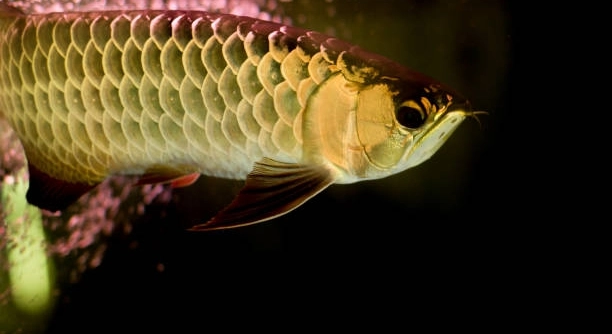
Keeping an Arowana as a pet can be both rewarding and challenging. These fish are intelligent, active, and responsive, creating opportunities for interaction. Understanding their behavior is key to developing a strong, lasting bond with them.
Bonding with an Arowana requires consistent interaction, proper feeding routines, and a carefully maintained environment. Establishing trust involves gentle observation, gradual acclimation to human presence, and attention to the fish’s needs to ensure comfort and reduce stress.
Learning how to connect with your Arowana enhances both care and enjoyment. Simple techniques can transform routine maintenance into meaningful engagement with your fish.
Understanding Arowana Behavior
Arowanas are naturally curious and highly aware of their surroundings. They respond to movement, light changes, and sounds in their environment. Observing their behavior can reveal preferences, moods, and comfort levels. Some Arowanas enjoy swimming near the surface, while others prefer hiding among decorations. Their reactions to feeding time, interactions with other fish, or human presence can guide you in adjusting care routines. Providing space for exploration and a stable tank environment supports their mental and physical health. Recognizing signs of stress, such as rapid gill movement or erratic swimming, helps prevent illness. Over time, consistent observation allows you to anticipate their needs and respond in ways that build trust. Subtle gestures, like offering food at predictable times or slowly approaching the tank, encourage positive engagement. Understanding their behavior is essential for creating a supportive, safe environment where the Arowana can thrive. This attentiveness forms the foundation for a strong connection.
Observing your Arowana daily allows you to notice changes in behavior and preferences, which strengthens interaction and trust over time.
Regular attention to their signals ensures proper care, promotes well-being, and helps prevent stress-related issues from developing in the tank.
Feeding and Interaction Techniques
Feeding your Arowana properly requires a structured routine. Offering high-quality food in measured portions ensures nutritional needs are met without overfeeding. Using tongs or feeding sticks helps you maintain control while creating consistent interaction. Live, frozen, or pellet options should be rotated to provide variety and promote health. Observing how your fish reacts to each type can inform future choices. Feeding time is an opportunity to bond; calm movements and gentle gestures prevent startling the Arowana. Over time, the fish may begin to recognize your presence and approach willingly during feeding. Patience is crucial, as forcing interaction can create stress. Consistency, calmness, and respect for the fish’s natural behavior are key in fostering a positive experience. By incorporating these practices, feeding becomes more than sustenance—it becomes a shared activity that encourages trust and responsiveness.
Using slow, deliberate movements during feeding helps the Arowana feel secure and comfortable.
Maintaining a consistent feeding schedule while offering varied diets strengthens your connection. Observation of reactions to each feeding type enhances care and ensures the fish’s health, building a routine that promotes confidence and calmness, creating a more engaging environment for both owner and fish.
Tank Setup and Environment
A stable, spacious tank is essential for an Arowana’s well-being. Proper filtration, regular water changes, and secure tank covers prevent stress and accidents. Decorations should allow swimming space while providing hiding spots. Lighting should mimic natural conditions without causing sudden brightness or shadows.
Maintaining water quality is critical. Arowanas are sensitive to ammonia, nitrite, and nitrate levels, which can rise quickly in enclosed spaces. Frequent testing, partial water changes, and efficient filtration help maintain a healthy environment. Temperature stability is equally important, as fluctuations can affect appetite and behavior. Providing appropriate tank size reduces aggression and supports natural swimming patterns. Substrate, plants, and ornaments should be arranged to allow movement and exploration. Proper planning prevents stress-related health issues and encourages active, confident behavior, making it easier to bond with the fish consistently over time.
Consistent monitoring of water parameters and environmental conditions ensures the Arowana remains healthy and responsive. Adjustments to tank setup can reduce stress, improve behavior, and foster a positive connection.
Building Trust Gradually
Start with short, regular interactions near the tank. Avoid sudden movements or loud noises that may startle the fish. Gradually increase time spent observing and offering food by hand.
Trust develops when the Arowana associates your presence with safety and routine. Consistent, calm behavior signals predictability, reducing fear and encouraging engagement. Allow the fish to approach on its own terms, offering food or gestures only when it feels comfortable. Over time, the fish may swim closer during feeding, recognize your movements, or even follow your hand. Avoid chasing or forcing interaction, as this can create anxiety and hinder bonding. Gentle, repeated exposure fosters recognition and responsiveness. Positive reinforcement through predictable routines encourages confident, calm behavior, establishing a reliable foundation for long-term interaction and connection.
Patience is key, as forcing closeness may lead to stress. Gradual exposure paired with calm behavior encourages familiarity, recognition, and eventual responsiveness from the fish, laying the groundwork for a trusting relationship.
Handling and Interaction
Minimize handling to prevent stress or injury. When necessary, use a soft net and support the fish gently. Limit direct contact to essential maintenance or relocation.
Observe reactions closely during interactions. Avoid sudden movements, as Arowanas are sensitive and can become easily startled, affecting trust and comfort.
Enrichment and Stimulation
Providing enrichment keeps your Arowana mentally active. Floating objects, safe decorations, and occasional changes in the tank layout encourage exploration. Interactive feeding, such as offering food at different locations or using tongs, stimulates natural hunting instincts. Mental stimulation reduces boredom and supports well-being, making the fish more responsive and engaged during human interaction. Regular environmental changes and varied feeding routines prevent monotony, ensuring the Arowana remains curious and attentive. Incorporating these techniques creates opportunities for consistent bonding while maintaining physical and mental health, enhancing the overall experience of keeping the fish.
Monitoring Health
Regular health checks are essential. Observe behavior, appetite, and physical condition to detect early signs of illness or stress.
FAQ
How often should I feed my Arowana?
Feeding frequency depends on the fish’s age and size. Juveniles require two to three small meals daily, while adults do well with one meal every day or every other day. Overfeeding can lead to obesity, water contamination, and digestive issues. Measuring portions carefully and observing the fish during feeding helps ensure proper intake. Rotating food types, including pellets, frozen, and occasional live options, promotes balanced nutrition. Consistency in timing also reinforces trust, as the fish begins to associate your presence with feeding routines. Avoid sudden changes in diet to prevent stress and appetite loss.
Can Arowanas recognize their owners?
Yes, Arowanas are intelligent and can recognize movement patterns and repeated presence near their tank. Over time, they may respond to your approach by swimming closer or following hand movements, especially during feeding. Building recognition requires patience, calm behavior, and consistency. Sudden movements or loud noises can undo progress, so interactions should always be gentle. Positive reinforcement through feeding or calm observation strengthens this recognition. Understanding their cues and responding appropriately enhances connection and makes the fish more comfortable during daily maintenance. Gradual exposure creates familiarity without causing stress or fear.
Is it safe to touch my Arowana?
Direct contact should be avoided except when necessary, such as during tank maintenance or health checks. Arowanas have delicate scales and sensitive skin, which can be easily damaged. Use soft nets or tools when handling is unavoidable. Stress from frequent touching can reduce appetite, increase susceptibility to illness, and affect overall behavior. Observing and interacting without physical contact is the preferred method for bonding. Over time, the fish may respond to your presence without needing direct handling. Controlled, minimal contact ensures safety while still promoting recognition and trust.
What signs indicate stress in an Arowana?
Stress manifests in various ways, including erratic swimming, loss of appetite, hiding excessively, or rubbing against tank surfaces. Changes in coloration, rapid gill movement, and lethargy are also common indicators. Identifying the source—such as poor water quality, overcrowding, or sudden environmental changes—is essential. Addressing stress early prevents illness and supports consistent bonding. Providing a calm environment, maintaining proper water parameters, and following predictable routines reduces stress and encourages confident behavior. Understanding these signs allows you to respond promptly, improving the fish’s well-being and strengthening your connection over time.
How can I safely introduce new tank mates?
Arowanas can be territorial and aggressive, so introductions should be cautious. Quarantine new fish before adding them to the tank to prevent disease. Choose compatible species that are similar in size and temperament. Introduce them gradually using a divider or separate enclosure. Monitor behavior closely for signs of aggression, and be prepared to separate if necessary. Providing ample space, hiding spots, and proper feeding routines minimizes conflict. Patience and observation are key, as forced interaction can lead to stress and injury. Gradual exposure encourages coexistence while maintaining the health and comfort of all fish.
What is the best way to maintain water quality?
Regular testing and maintenance are essential. Monitor ammonia, nitrite, nitrate, and pH levels consistently. Perform partial water changes weekly, clean filters as needed, and avoid overfeeding. Stable temperature and low-stress lighting support health. Using high-quality filtration and a well-planned tank layout ensures water remains clear and safe. Proper maintenance prevents illness, reduces stress, and promotes active, confident behavior. Observation of the fish during these routines helps identify any changes in appetite or behavior, allowing early intervention. Maintaining water quality is critical for long-term bonding and overall well-being.
How do I know if my Arowana is healthy?
A healthy Arowana swims actively, eats regularly, and displays consistent coloration. Fins should be intact, scales smooth, and gill movement steady. Watch for changes in behavior, appetite, or appearance, as these can indicate illness or stress. Regular observation and preventive care, including proper feeding, water maintenance, and environmental enrichment, support health. Prompt attention to abnormalities, along with careful handling and minimal stress, ensures the fish thrives. Tracking growth, energy levels, and responsiveness to interactions also helps gauge overall health. A consistent routine fosters trust, encourages positive behavior, and strengthens your bond with the fish.
Can Arowanas be trained or taught behaviors?
Yes, they can learn routines and respond to repeated cues, particularly around feeding. Using consistent signals, such as hand movements or specific locations for food, encourages recognition and predictable behavior. Positive reinforcement with food rewards helps establish patterns without stress. Training should be gradual and patient, avoiding any actions that could startle or frighten the fish. Observing their responses and adjusting techniques ensures progress while maintaining comfort. Simple routines, like following a hand during feeding or swimming to a specific area, are achievable over time. Consistency and calm interaction are essential for effective training.
How important is tank size for bonding?
Tank size directly affects stress levels and behavior. Arowanas require ample space to swim and exhibit natural behaviors, reducing aggression and anxiety. Larger tanks provide freedom to explore and accommodate decorations that encourage enrichment. Overcrowding or insufficient space can lead to stress, illness, and defensive behavior, hindering bonding. Choosing a tank that matches the fish’s adult size and providing proper filtration ensures comfort and safety. A well-planned, spacious environment supports calm, confident interactions, allowing the fish to recognize and respond to your presence naturally, enhancing the connection over time.
What equipment is essential for a healthy Arowana tank?
A reliable filtration system, heater, thermometer, and lighting setup are essential. Filters maintain water clarity and remove waste, while heaters regulate temperature for consistent comfort. Thermometers allow monitoring to prevent fluctuations. Adequate lighting simulates natural cycles, supporting behavior and well-being. Additional items such as floating or anchored decorations provide enrichment, while secure covers prevent escape or injury. Regular maintenance of equipment ensures optimal function, supporting stable water parameters and reducing stress. Proper setup and monitoring promote health, positive behavior, and stronger interaction between the Arowana and its caretaker.
Final Thoughts
Bonding with an Arowana takes patience, observation, and consistent care. These fish are intelligent and responsive, but they require a stable environment and predictable routines to feel secure. Understanding their natural behaviors, preferences, and signals is the first step in building trust. Simple actions, such as feeding at regular times, providing proper tank conditions, and minimizing stress, create an environment where the Arowana can feel safe and confident. Observing how they respond to your presence helps guide interactions. Over time, the fish may begin to recognize movements, associate you with feeding, or follow gestures in the tank. Patience is essential, as pushing for interaction too quickly can lead to stress, illness, or defensive behavior. Creating a calm, structured environment allows the Arowana to thrive while making bonding a natural process.
Proper tank setup plays a crucial role in the relationship between owner and fish. Arowanas need ample space to swim and explore, along with clean, well-filtered water and stable temperature. Decorations and hiding spots add enrichment, allowing them to exhibit natural behaviors and feel secure. Regular maintenance, including water testing, partial changes, and careful cleaning, keeps the environment healthy and minimizes stress. Feeding routines should provide balanced nutrition, with variety in pellets, frozen foods, and occasional live options to stimulate natural instincts. Gentle and calm handling, when necessary, ensures the fish is not frightened or harmed. By creating a stable, enriched, and responsive environment, interactions become more predictable and enjoyable for both the fish and the caretaker. This consistent approach strengthens trust and encourages positive behavior.
Building a lasting connection with an Arowana requires long-term commitment and attention to detail. Recognizing signs of stress, illness, or discomfort allows timely adjustments, ensuring the fish remains healthy and engaged. Gradual exposure, calm presence, and structured routines foster recognition and responsiveness. Enrichment, interaction during feeding, and careful observation all contribute to the relationship, allowing the fish to become comfortable and confident. While the process may take weeks or months, the rewards include a more active, aware, and responsive Arowana that engages with its surroundings and caretaker. By focusing on care, environment, and consistent routines, the bond grows naturally, supporting both the fish’s well-being and the satisfaction of owning a healthy, attentive pet. Attention, patience, and understanding are the keys to maintaining a positive and lasting relationship with an Arowana.

Hello,
If you enjoy the content that we create, please consider saying a "Thank You!" by leaving a tip.
Every little bit helps us continue crafting quality advice that supports the health, happiness, and well-being of pets around the world, for pets of all shapes, sizes, and species.
We really appreciate the kindness and support that you show us!