
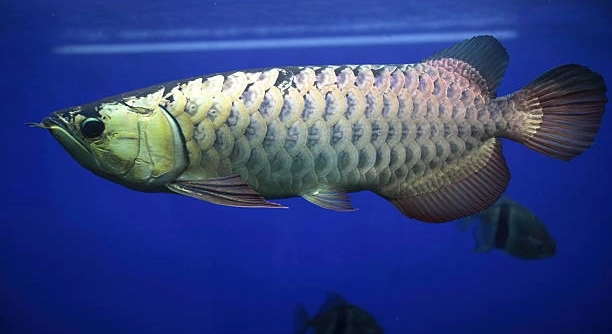
Are your arowanas spending too much time near the heater, barely moving, and seeming unusually still? Many fish owners notice this odd behavior and wonder if it signals a problem with their tank or the fish itself.
Arowanas often freeze near the heater because they are seeking warmth to regulate their body temperature. Water that is too cold or inconsistent can stress the fish, prompting it to remain close to a heat source to conserve energy.
Observing this behavior is important, as understanding your fish’s needs can help maintain a healthier and more comfortable environment for them.
Understanding Your Arowana’s Behavior
Arowanas are sensitive fish that rely on stable water conditions to thrive. When the temperature fluctuates or drops too low, they instinctively move closer to the heater. This behavior is a natural response to cold stress, helping them maintain body functions. Spending extended periods near the heater may indicate that the tank’s temperature is uneven or too low for the species’ comfort. Observing your fish during these moments can reveal patterns, such as the times of day it seeks warmth or the areas in the tank that feel colder. Providing a consistently warm environment is key, but it’s equally important to ensure the heater does not create hot spots that could harm the fish. Additionally, checking for other stressors like poor water quality or aggressive tankmates can prevent further health issues. Maintaining a calm, stable environment encourages the arowana to swim naturally and reduces prolonged freezing behavior.
Consistent monitoring of water temperature can prevent stress and help your arowana remain active.
Proper tank management involves regulating temperature, maintaining clean water, and observing behavior. A stable environment allows the fish to explore the entire tank rather than staying near the heater. Avoiding sudden changes in water conditions minimizes stress, while routine checks ensure the heater functions correctly. By observing how your arowana responds to temperature adjustments, you can create an environment that supports its natural movement and reduces the risk of freezing behaviors. Simple measures like using a thermometer, adjusting the heater, and ensuring adequate circulation can make a significant difference. When your arowana swims freely, it indicates comfort, whereas constant clustering near the heater signals a need for changes in care. Keeping notes on behavior over time can also reveal trends, helping anticipate temperature issues before they impact health. Implementing these strategies ensures a healthier, more active arowana, reducing the need for intervention and promoting long-term well-being.
Signs of Temperature Stress
Arowanas freezing near the heater often display subtle stress signs like sluggish movements and reduced feeding.
Temperature stress can impact arowanas both physically and behaviorally. When water is too cold, their metabolism slows, affecting digestion, growth, and immunity. You may notice the fish lingering in warm spots, hovering just above the heater, or avoiding activity elsewhere in the tank. In severe cases, prolonged exposure to cold can weaken the fish, making it more susceptible to diseases. Observing other signs, such as clamped fins or pale coloration, can indicate ongoing stress. Adjusting water temperature gradually while maintaining consistency helps the fish recover. Using a reliable heater and thermometer ensures that temperature swings do not occur. Additionally, providing hiding spaces and monitoring tankmates reduces overall stress. Understanding these indicators allows owners to take timely action, ensuring that their arowana remains healthy and active. Recognizing and responding to temperature stress is essential for long-term care, as it prevents serious health problems and encourages natural, confident behavior in the tank.
Adjusting Tank Temperature
Maintaining a stable tank temperature prevents your arowana from freezing near the heater. Sudden drops or uneven warmth can stress the fish, making it cling to heated areas for comfort. Regular checks help maintain a consistent environment.
Using a reliable heater and thermometer is essential. Set the tank within the recommended temperature range for arowanas, usually between 75°F and 82°F. Avoid placing the heater in a corner where circulation is poor. Ensure the warm water spreads evenly across the tank to prevent cold spots. Gradual adjustments are better than sudden changes, as rapid shifts can shock the fish. Monitoring daily ensures the environment remains optimal, reducing stress and encouraging normal activity.
Proper circulation enhances temperature consistency. Installing a filter that moves water effectively helps spread warmth, keeping the entire tank comfortable. Uneven temperatures often cause fish to freeze near heaters, but circulation resolves these issues. Additionally, regular cleaning and maintenance prevent debris buildup, which can affect water flow and temperature distribution. Combining consistent heat, good circulation, and monitoring ensures your arowana remains active and healthy throughout the day.
Monitoring Behavior Patterns
Observing your arowana’s daily movements provides insights into temperature preferences and overall health. Frequent freezing near the heater often signals discomfort or environmental stress.
Tracking behavior over time helps identify problems early. Note the times your arowana stays near the heater, how long it remains there, and any changes in feeding or swimming. Compare these patterns with tank conditions such as water temperature, lighting, and activity of other fish. Behavioral records reveal whether freezing is seasonal, related to specific tank adjustments, or linked to underlying stress. Small observations, like occasional hovering near the heater or subtle fin clamping, can indicate that changes are needed in water quality, temperature, or tank setup.
Consistency in observation allows proactive care. Understanding normal versus abnormal behavior ensures adjustments are timely. By monitoring daily, you can prevent prolonged stress and encourage arowanas to explore the entire tank. Observing reactions to temperature shifts or new tankmates also informs better environmental management. Documenting trends, including feeding habits and swimming activity, helps maintain a stable, healthy habitat. This approach reduces health risks and promotes confident, natural behavior in your fish.
Preventing Cold Spots
Cold spots in the tank make arowanas freeze near the heater. Proper circulation and placement of the heater help distribute warmth evenly, reducing areas of discomfort. Checking temperature in multiple spots ensures the entire tank stays within the ideal range.
Using a heater with an adjustable thermostat is helpful. Positioning it where water flow spreads heat prevents clustering. Regularly testing water temperature in different areas ensures consistency. Avoid placing decorations that block warm water movement, as this can create isolated cold zones. Maintaining steady temperature encourages the fish to explore the tank naturally and reduces prolonged freezing behavior near the heater.
Water Quality and Its Role
Poor water quality increases stress in arowanas, causing them to linger near the heater. Ammonia, nitrite, and nitrate levels should be tested frequently, and water changes performed as needed. Clean water supports normal metabolism and movement.
Tank Setup Tips
Provide adequate swimming space and avoid overcrowding. Proper setup encourages the arowana to move freely instead of freezing near the heater.
FAQ
Why does my arowana stay near the heater all the time?
Arowanas stay near the heater to regulate their body temperature when the water is cooler than their comfort zone. Prolonged presence near the heater often indicates that the tank temperature is inconsistent or lower than ideal. Ensuring a stable range between 75°F and 82°F reduces this behavior.
Can arowanas get sick from freezing near the heater?
Yes, staying too long in one spot due to cold stress can weaken their immune system. Slowed metabolism affects digestion and growth, making the fish more susceptible to diseases. Maintaining consistent water quality, proper temperature, and observing behavior helps prevent health issues.
How do I know if my tank temperature is uneven?
Use multiple thermometers to check different parts of the tank. If readings vary significantly, circulation may be poor, or the heater is not properly positioned. Adjusting water flow with a filter or repositioning the heater helps create a uniform temperature.
Is it normal for arowanas to cluster near the heater at night?
It is somewhat normal if the ambient room temperature drops. Arowanas instinctively seek warmth during cooler periods. However, if this happens throughout the day, it indicates persistent temperature stress. Monitoring day and night behavior provides better insight into overall comfort.
Can adding more heaters help my arowana?
Adding heaters is not always the solution. Multiple heaters can create hot spots that stress the fish further. It’s better to use one reliable heater and ensure proper circulation. Adjustments should be gradual and monitored carefully to prevent temperature shocks.
Does tank size affect freezing behavior?
Yes, larger tanks with poor circulation can create uneven temperatures, prompting arowanas to freeze near the heater. Ensuring proper water flow and even heat distribution in large tanks is critical. Filters, powerheads, or strategically placed heaters improve circulation and temperature balance.
What role does water quality play in heater-seeking behavior?
Poor water quality increases stress, which makes arowanas cling to the heater. High ammonia, nitrite, or nitrate levels can cause lethargy. Regular testing and water changes keep water clean, reducing the need for the fish to stay near heated areas.
How long should an arowana stay near the heater?
Short periods are normal when adjusting to cooler water or recovering from stress. Continuous clustering is a sign of environmental issues like cold spots, poor circulation, or water quality problems. Observing behavior daily helps distinguish normal from concerning patterns.
Can tank decorations cause my arowana to freeze near the heater?
Yes, large decorations that block water flow can create cold areas, encouraging the fish to seek warmth. Rearranging the tank to improve circulation around the heater ensures more even temperatures and encourages movement.
Are there signs that indicate extreme cold stress in arowanas?
Yes, signs include sluggish swimming, clamped fins, reduced appetite, and pale coloration. Extended exposure to cold can weaken the fish and make it vulnerable to illness. Correcting water temperature gradually and maintaining clean water prevents severe stress.
Should I adjust the heater if my arowana freezes near it frequently?
Adjusting the heater slightly may help, but sudden changes can shock the fish. Focus on even heat distribution, proper circulation, and stable ambient conditions. Gradual adjustments paired with monitoring behavior ensure the arowana remains comfortable.
How can I encourage my arowana to swim away from the heater?
Improving tank circulation, maintaining stable water temperature, and providing open swimming space helps. Avoid sudden temperature changes and check water quality. Once the environment is consistent, the arowana will explore more naturally rather than freezing near the heater.
Does the type of heater matter for arowanas?
Yes, reliable heaters with adjustable thermostats are best. They prevent temperature swings and allow precise control. Avoid cheap or inconsistent heaters, as fluctuations can stress the fish and promote prolonged heater-seeking behavior.
Can seasonal changes affect my arowana’s behavior near the heater?
Yes, colder room temperatures in winter can cause the fish to seek warmth. Monitoring ambient temperature and adjusting the tank heater ensures the arowana stays comfortable year-round. Consistency is key to preventing stress-related freezing.
What other measures help reduce heater-seeking behavior?
Regular water changes, clean filters, proper circulation, and maintaining an ideal temperature range all help. Observing behavior and noting patterns can guide adjustments. A well-maintained environment encourages natural swimming and reduces the fish’s reliance on a single heat source.
This FAQ addresses the main concerns regarding arowanas freezing near heaters and provides practical steps to ensure a stable, healthy tank environment. Proper temperature, water quality, and monitoring are essential for the fish’s well-being.
Final Thoughts
Arowanas are delicate fish that rely heavily on a stable environment to stay healthy and active. Freezing near the heater is a common sign that your tank conditions may not be ideal. This behavior often indicates that the fish is seeking warmth due to cooler water or uneven temperatures. While it can seem concerning, understanding why your arowana behaves this way allows you to take simple steps to improve its comfort. Ensuring that the water temperature stays within the recommended range of 75°F to 82°F is a primary step. Using a reliable heater with a thermostat helps maintain consistency, while checking the water with thermometers at different points ensures there are no cold spots. Circulation is equally important, as stagnant areas in the tank can create uneven heat and stress the fish. Proper water flow from a filter or powerhead distributes warmth evenly, allowing the arowana to swim freely rather than clustering near one area.
Water quality also plays a critical role in keeping your arowana healthy and comfortable. Poor water conditions can make the fish more stressed and less likely to explore the tank. Regular testing for ammonia, nitrite, and nitrate levels, along with consistent water changes, keeps the environment clean and stable. Stress from low water quality combined with temperature fluctuations can slow metabolism, reduce appetite, and increase vulnerability to disease. Observing your arowana daily helps identify unusual patterns, such as hovering near the heater for long periods, clamped fins, or pale coloration. These signs indicate that adjustments are necessary. By taking proactive steps, including maintaining clean water, adjusting heater placement, and monitoring the fish’s behavior, you create a more comfortable habitat that supports natural swimming and reduces prolonged freezing behavior.
Finally, tank setup and overall management are key to preventing your arowana from relying solely on the heater for comfort. Providing enough open swimming space, avoiding overcrowding, and arranging decorations so they do not block water circulation all contribute to a healthier environment. Gradual adjustments to temperature and careful observation help the fish adapt without stress. Even seasonal changes in room temperature can affect the fish, so monitoring ambient conditions and making minor adjustments as needed ensures stability year-round. By combining proper heating, clean water, good circulation, and thoughtful tank design, you help your arowana feel secure and encourage natural activity throughout the day. Maintaining these conditions is not difficult, but it requires attention and consistency. Over time, these efforts lead to a more active, healthier fish that enjoys a well-balanced environment rather than constantly seeking heat from the heater.

Hello,
If you enjoy the content that we create, please consider saying a "Thank You!" by leaving a tip.
Every little bit helps us continue crafting quality advice that supports the health, happiness, and well-being of pets around the world, for pets of all shapes, sizes, and species.
We really appreciate the kindness and support that you show us!