
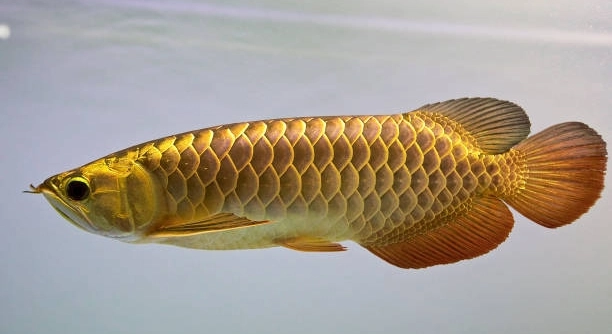
Many fish owners enjoy having an Arowana, but interacting with such a majestic creature can feel intimidating at first. Observing their movements and learning their habits is often the first step toward building trust.
The most effective way to start interacting with your Arowana involves consistent, gentle approaches. Begin by spending quiet time near the tank, using slow hand movements, and offering small, controlled food rewards to encourage recognition and comfort with human presence.
Learning these initial techniques helps create a stronger connection with your fish and lays the foundation for positive, ongoing interaction.
Observe Your Arowana’s Behavior
Spending time watching your Arowana is the first step to understanding its personality. Notice how it moves around the tank, where it likes to swim, and how it reacts to different stimuli. Arowanas are sensitive to sudden changes, so it’s important to stay calm and patient. By observing, you can learn when your fish is active, when it prefers resting, and how it responds to your presence. This knowledge helps you plan interactions without stressing the fish. Over time, recognizing its patterns allows you to predict behaviors, like when it is most likely to accept food or respond to gestures. You’ll also notice subtle signs of discomfort or stress, which is essential for maintaining a healthy environment. Observation doesn’t require direct interaction at first, but it builds the foundation for trust. Keeping notes on what works and what doesn’t can be surprisingly helpful.
Observing quietly improves your fish’s comfort. It makes later interaction more effective.
Paying attention to movement, feeding patterns, and reactions helps you understand when to approach. Consistency and patience are key. Over time, this careful observation turns into meaningful interaction, allowing you to gradually introduce hand movements or feeding techniques without startling the fish. Even small signs, like following your hand across the tank, show progress. Your Arowana begins associating your presence with safety and food, making it more responsive. Combining observation with gradual approaches ensures a smooth transition from passive watching to active engagement. Documenting behavior changes over days or weeks can reveal patterns that help optimize feeding schedules, tank placement, and interaction methods. Eventually, these efforts make interactions more predictable and enjoyable for both you and the fish.
Introduce Your Presence Slowly
Start by simply sitting near the tank. Your fish will notice your presence and begin to feel comfortable.
Use gradual, consistent movements to avoid startling your Arowana. Approach the tank at the same times daily, maintaining gentle gestures. Avoid tapping or sudden motions, and speak softly if talking nearby. Slowly extend your hand into the tank area without touching the water. Let the fish observe your hand, allowing it to associate your presence with calm behavior and positive experiences. Offering small amounts of food during these sessions reinforces this association. Patience is crucial, as some Arowanas may take weeks to respond positively. Over time, your fish will learn that you are a safe presence, increasing trust and reducing stress. This slow introduction creates a stable environment where interactions can expand naturally, preparing the fish for hand feeding or gentle touch in the future. Regularity, gentle motions, and food rewards work together to strengthen recognition.
Offer Food by Hand
Hand-feeding encourages your Arowana to recognize you as a source of food and safety. Start with small, manageable pieces to avoid overwhelming your fish.
Begin by holding a piece of food between your fingers near the surface. Move slowly and allow the Arowana to approach on its own. Avoid pushing the food into the water or forcing interaction. Repeating this daily helps the fish associate your hand with positive experiences. Using consistent feeding times strengthens this bond, and over several sessions, your Arowana may begin taking food directly from your fingers, showing trust and curiosity.
If the fish hesitates, reduce movement and offer smaller portions. Patience is important. Gradually, your Arowana will start anticipating hand-feeding sessions, following your hand with calm interest. Maintaining a relaxed environment, free from sudden noises or movements, improves response. Over time, this practice can enhance interaction and make your fish more comfortable around human presence, creating a more engaging experience for both of you.
Use Gentle Touch
Touching should be very light and cautious to prevent stress. Focus on areas like the dorsal fin or sides where the fish feels secure.
Start by placing a finger just above the water surface, letting the fish approach. Gradually move your hand closer over several sessions, allowing it to feel comfortable. Avoid forcing contact or quick movements, as Arowanas are sensitive and may react defensively. Consistency and slow progress help the fish associate touch with safety and positive reinforcement. Repeating brief touch sessions daily builds familiarity without causing fear, making future interactions smoother.
Gentle contact improves the bond between you and your Arowana. Over time, it learns that human touch is not a threat, which encourages curiosity and relaxation. Gradual, careful practice enhances trust while reinforcing feeding and observation routines. Always watch for signs of stress and stop if needed. This approach allows the fish to become more interactive naturally, combining touch with other activities like feeding, making your presence a calm, enjoyable part of its environment.
Talk Softly Around Your Tank
Speaking gently near your Arowana helps it become familiar with your presence. Your voice should remain calm, avoiding sudden loud noises.
Regular, soft talking allows the fish to associate your presence with a peaceful environment. Over time, it may respond by following your movements or showing curiosity.
Use Mirrors Sparingly
Placing a mirror outside the tank can stimulate natural behaviors and encourage the Arowana to explore. Limit mirror exposure to avoid stress or aggression.
Mirrors can intrigue your fish, prompting it to interact more actively. Short sessions, carefully monitored, can help the Arowana recognize movement and develop awareness. Use this method occasionally alongside hand-feeding or gentle observation.
Provide Visual Cues
Introduce consistent visual signals, like hand gestures or small tank decorations, to help your fish recognize patterns.
Consistent visual cues improve interaction by letting your Arowana anticipate feeding or attention times, reinforcing familiarity and trust.
FAQ
How long does it take for an Arowana to get used to my presence?
The time varies depending on the fish’s personality and past experiences. Some Arowanas may show curiosity in a few days, while others take several weeks. Consistent, gentle presence is key. Daily quiet observation, slow hand movements, and feeding at regular times help the fish associate you with safety and food. Avoid rushing interactions, as sudden movements or forcing contact can set back progress. Patience and consistency are essential to building trust. Even small signs of recognition, like following your hand or moving closer to the surface, indicate that your Arowana is becoming comfortable with you.
Can I touch my Arowana directly?
Yes, but only very gently and after the fish is comfortable with your presence. Start by placing a finger near the water without touching it. Allow the Arowana to approach on its own. Gradually, you can make light contact on non-sensitive areas like the dorsal fin or side. Never force touch, as it may stress the fish. Short, calm sessions reinforce trust, and over time, the fish may allow more interaction. Combining gentle touch with feeding or other positive experiences makes the fish more relaxed and responsive. Watch its body language for signs of discomfort, like quick darting or hiding, and pause if needed.
What food is best for hand-feeding an Arowana?
Use small, easy-to-grab pieces suitable for its size. Live foods like shrimp, small fish, or insects are ideal, but frozen or prepared foods can also work. Cut food into manageable portions to prevent choking or frustration. Consistency helps the fish associate your hand with positive experiences. Feed during calm moments to reduce stress and reinforce interaction. Avoid overfeeding, as it can lead to health problems. Combining hand-feeding with slow movements and regular observation strengthens recognition and trust. Gradually, your Arowana may begin to take food directly from your hand without hesitation.
How often should I interact with my Arowana?
Short, daily sessions are most effective. Spending five to ten minutes observing, hand-feeding, or offering gentle touch is better than long, inconsistent interactions. Consistency helps the fish recognize patterns and feel safe. Multiple short sessions throughout the day, if possible, reinforce comfort. Avoid overwhelming the fish with too much attention at once. Observe its behavior to gauge readiness. Even quiet presence without direct interaction counts toward building familiarity. Over time, these regular sessions increase curiosity and responsiveness while maintaining a stress-free environment.
What signs show my Arowana is comfortable with me?
Signs include following your hand across the tank, swimming near the surface when you are close, and accepting food directly from your fingers. Calm, steady movements and minimal hiding are good indicators. Increased curiosity, like exploring decorations or moving toward your presence, also shows trust. These behaviors reflect growing recognition and comfort. Patience is important, as some fish may show subtle signs before fully engaging. Respecting these signs ensures that interactions remain positive and encourages further bonding without causing stress or fear.
Can mirrors help with interaction?
Yes, mirrors can stimulate curiosity and natural behavior, but only for short periods. Arowanas may become aggressive if exposed too long, mistaking their reflection for another fish. Use brief sessions to encourage exploration and movement. Pairing mirror time with feeding or observation can enhance engagement without causing stress. Carefully monitor the fish for signs of agitation or overexcitement and remove the mirror if needed. Controlled use of mirrors provides mental stimulation and can support interactive habits when combined with hand-feeding and gentle presence.
What if my Arowana is shy or hides a lot?
Shy Arowanas require extra patience. Reduce noise, slow movements, and maintain a consistent schedule. Start with quiet observation and gradually introduce hand-feeding or gentle gestures. Avoid forcing interaction, as it can increase stress. Creating hiding spots or stable tank conditions helps the fish feel secure. Gradually, it may explore more and respond to your presence. Tracking progress in small steps and celebrating minor interactions encourages continued trust-building. Even timid fish can learn to recognize and interact with you over time with consistent, gentle care.
Is it safe to tap on the tank to get attention?
No, tapping on the tank is stressful and can frighten your Arowana. It may associate sudden noises with danger, making interactions more difficult. Calm, gentle approaches work far better. Use slow hand movements, hand-feeding, and soft talking to encourage engagement. Consistency and patience are safer and more effective in building trust than sudden actions. Respecting the fish’s environment ensures it remains comfortable and responsive, making long-term interaction more enjoyable.
How can I combine feeding, observation, and touch effectively?
Begin each session with quiet observation to understand mood and energy levels. Introduce hand-feeding slowly, offering small pieces of food. Follow with gentle touch if the fish is calm, keeping sessions brief. Consistency in timing and actions reinforces familiarity. Avoid rushing any step. Combining these methods gradually encourages trust and curiosity, allowing your Arowana to engage at its own pace. Recording behavior patterns can help refine timing and approach, making each session predictable and stress-free. Over time, these practices strengthen recognition, making interactions smoother and more rewarding for both you and your fish.
Building a strong connection with your Arowana takes time, patience, and consistent care. Each fish has its own personality, and how it responds to interaction can vary widely. Some Arowanas are naturally curious and may start approaching your hand within a few days, while others may take weeks or even months to show trust. Observing their behavior carefully is the first step in understanding their comfort level. When you pay attention to where they swim, how they react to movements, and their feeding habits, you can adjust your approach to make interactions smoother. Small, consistent actions matter more than long, rushed attempts at bonding.
Hand-feeding, gentle touch, and quiet presence are effective ways to encourage your Arowana to recognize and trust you. Hand-feeding should start with small, manageable pieces of food, allowing the fish to approach at its own pace. Gentle touch is best introduced slowly, beginning near the water and only progressing as the fish becomes comfortable. Talking softly or creating consistent visual cues can also help the fish associate your presence with calm and safety. Mirrors or short periods of environmental stimulation may spark curiosity, but these tools should be used carefully and sparingly to prevent stress. Every small step, from noticing the fish follow your hand to it accepting food from your fingers, is progress and reflects growing trust.
Maintaining a consistent and calm environment is just as important as direct interaction. Sudden noises, rapid movements, or changes in the tank can make the Arowana anxious, which slows the process of building trust. Keeping feeding schedules regular, offering predictable routines, and observing without forcing interaction all contribute to a positive relationship. Patience is crucial, and even small improvements should be recognized as success. Over time, these steady, gentle efforts can transform your Arowana from a distant observer into a responsive and engaging companion in your aquarium. The key is to respect the fish’s pace, stay consistent, and create a safe, calm space that encourages interaction naturally.

Hello,
If you enjoy the content that we create, please consider saying a "Thank You!" by leaving a tip.
Every little bit helps us continue crafting quality advice that supports the health, happiness, and well-being of pets around the world, for pets of all shapes, sizes, and species.
We really appreciate the kindness and support that you show us!