
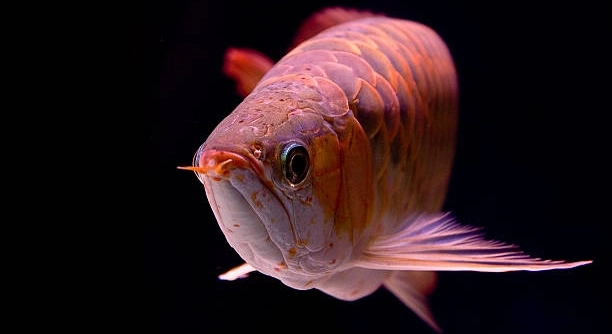
Do you enjoy observing your aquarium and noticing how your fish respond to their surroundings? Arowanas are graceful and intriguing creatures, and many aquarists often wonder how aware they are of sounds in their environment.
Research indicates that arowanas possess a functional auditory system capable of detecting low-frequency vibrations in water. Their hearing allows them to perceive environmental cues, respond to potential threats, and interact with other aquatic life within their habitat.
Understanding how arowanas hear can improve tank setups and care routines, ensuring these elegant fish thrive in a healthy, stimulating environment.
How Arowanas Detect Sound
Arowanas rely on their inner ear and lateral line system to detect sound and vibrations in water. The inner ear allows them to perceive low-frequency noises, such as water movement or the approach of predators. The lateral line, a series of sensory organs along their body, detects subtle changes in pressure and movement. This combination helps them respond quickly to their surroundings, whether avoiding danger or tracking prey. Arowanas are more sensitive to lower frequencies, which travel farther in water, making them well-adapted to their natural habitats. Observing their behavior can reveal how they react to different sounds, from splashing water to tapping on the tank. Creating a calm environment reduces stress and allows them to display natural behaviors. By understanding these sensory mechanisms, aquarists can better meet their needs, improving overall health and encouraging active, engaging behavior in the aquarium.
Their hearing and lateral line sensitivity help arowanas navigate efficiently and react to changes in their environment.
Proper tank design should minimize loud, abrupt noises while providing enrichment that stimulates their natural senses. Ensuring stable water conditions and gentle interactions allows arowanas to thrive. Offering a variety of hiding spots and observing their responses to movement helps maintain a healthy, stress-free environment for these fascinating fish.
Factors Affecting Arowana Hearing
Environmental noise can influence arowana behavior.
Several factors impact how effectively arowanas hear and respond to sounds. Water quality, temperature, and tank size all play significant roles. Poor water quality or irregular temperature can stress fish, reducing their sensory responsiveness. Tank placement near constant vibrations, like pumps or speakers, may mask important low-frequency signals. Overcrowding can interfere with lateral line sensitivity, as nearby fish create constant movement. Additionally, abrupt changes in water conditions may temporarily impair their ability to detect sound. Understanding these influences allows aquarists to adjust conditions to support optimal hearing. Providing a balanced environment reduces stress, maintains alertness, and encourages natural reactions to environmental cues. Feeding routines, social interactions, and careful monitoring of tank parameters further contribute to maintaining healthy auditory and sensory functions in arowanas. Observing their reactions over time can indicate whether adjustments are necessary, improving long-term care and quality of life for the fish.
Signs Arowanas Respond to Sound
Arowanas often react to vibrations or noises in their environment. Sudden splashes, movement near the tank, or tapping can trigger quick swimming, fin flaring, or hiding behaviors. These responses indicate their hearing and lateral line system are active.
Observing arowanas in their tank shows clear signs of sound detection. They may follow moving objects, pause suddenly, or orient their bodies toward disturbances. Feeding time often highlights their awareness, as they respond quickly to sounds associated with food. Stressful or loud noises can cause prolonged hiding or erratic swimming, signaling sensitivity. Monitoring these reactions helps determine if the environment is appropriate.
Providing a consistent, low-noise environment supports natural behavior. Gentle handling and minimal sudden disturbances allow arowanas to respond normally. Regular observation reveals patterns in how they react to common sounds, helping adjust tank conditions. This attentiveness ensures fish remain healthy and active, benefiting both their well-being and the overall aquarium experience.
Improving Hearing Conditions in the Tank
Minimizing loud or constant noise protects arowanas’ hearing and reduces stress. Tank placement and equipment choice matter.
Maintaining proper water quality and temperature directly affects how well arowanas sense vibrations. Pumps, filters, and air stones should run quietly, and tank décor should not obstruct movement. Regular cleaning prevents buildup that could distort sound transmission. Creating hiding spaces helps them feel secure, letting them respond naturally. Gradual acclimation to environmental changes preserves their sensory sensitivity. Even minor adjustments, like avoiding heavy tapping or sudden movements near the tank, make a noticeable difference.
Optimizing hearing conditions involves careful observation and small, consistent changes. Ensuring proper lighting, gentle water flow, and reduced external vibrations allows arowanas to detect natural signals clearly. Encouraging feeding routines and predictable interactions reinforces their ability to react to sounds without stress. Over time, these adjustments contribute to a calmer, healthier aquarium environment, letting the fish exhibit natural behaviors while maintaining sensory function at peak efficiency.
Common Misconceptions About Arowana Hearing
Arowanas are sometimes thought to be completely deaf, but this is not accurate. They can detect low-frequency vibrations and respond to environmental sounds.
Some assume that only loud noises affect them. In reality, subtle vibrations also trigger reactions, showing their sensory system is quite sensitive.
How Sound Influences Feeding Behavior
Arowanas often associate certain sounds with feeding, such as the rustle of food or movement near the tank. This conditioning allows them to react quickly and anticipate meals. Consistent feeding routines strengthen these associations, improving response times. Sudden noises unrelated to food may startle them, causing hesitation or temporary avoidance. By observing their reactions, it is clear that sound plays a critical role in their feeding behavior. Maintaining calm, predictable auditory cues helps reduce stress and encourages active, healthy feeding patterns. Careful attention ensures they remain alert but not anxious, enhancing overall care and tank management.
Observing Your Arowana’s Reactions
Noting their responses to taps, vibrations, and water movement helps gauge sensory health. Regular observation provides insight into stress levels and comfort.
FAQ
Can arowanas hear humans tapping on the tank?
Yes, arowanas can detect vibrations caused by tapping or movement near the tank. Their lateral line system and inner ear are sensitive to low-frequency vibrations. Even gentle taps can trigger reactions such as swimming toward or away from the disturbance, fin flaring, or brief pauses in movement. Sudden or repeated tapping can cause stress, so it is important to minimize unnecessary noise around the tank to maintain a calm environment. Observing their reactions helps understand their sensitivity and adjust your interactions accordingly.
Do arowanas respond to other fish making noise?
Arowanas can sense movements and vibrations from other fish in the tank. While they may not “hear” in the human sense, the vibrations generated by other fish swimming, splashing, or feeding are detectable. This helps them maintain awareness of their surroundings, avoid collisions, and respond to potential threats. In community tanks, careful observation of their interactions ensures that tankmates are compatible and that excessive movement or agitation does not stress the arowana.
Can arowanas hear the sound of food being added?
Yes, arowanas often associate certain sounds with feeding. The rustle of food, movement of hands, or sounds from feeding tools can alert them. Over time, they learn to anticipate mealtime based on these auditory cues. This conditioning allows them to respond quickly and become more active around feeding. Consistent feeding routines reinforce this association, while sudden unfamiliar noises may temporarily startle them. Observing these responses gives insight into their hearing capabilities and behavioral patterns.
Does water quality affect arowana hearing?
Water quality has an indirect impact on their sensory abilities. Poor water conditions can stress arowanas, reducing their responsiveness to environmental cues, including vibrations and low-frequency sounds. Temperature fluctuations, improper pH, or high ammonia levels can impair overall health, which in turn affects their hearing perception. Maintaining clean, stable water ensures that their auditory system functions optimally and that they remain alert and responsive.
Are arowanas more sensitive to certain frequencies?
Arowanas are most sensitive to low-frequency vibrations, which travel farther in water. Higher frequencies may be less noticeable to them. This adaptation helps them detect movement, predators, or prey in their natural habitats. Understanding this sensitivity allows aquarists to create an environment that minimizes harmful noise while providing stimuli that engage their natural behaviors. Observing how arowanas react to different sounds provides practical insight into their sensory world.
Can loud household noises stress arowana?
Yes, loud or continuous noise near the tank can stress arowanas. Sounds from television, music, or frequent tapping may create vibrations that overwhelm their sensory system. Stress can manifest as hiding, erratic swimming, or loss of appetite. Reducing external noise, placing the tank away from high-traffic areas, and using quiet equipment help maintain a calm, healthy environment that supports natural behavior and sensory function.
Do arowanas lose hearing as they age?
There is no clear evidence that arowanas experience significant hearing loss with age, but chronic stress or long-term exposure to loud vibrations may reduce responsiveness. Providing a stable, low-stress environment helps maintain their auditory and lateral line function throughout their lifespan. Regular observation of reactions to environmental cues can indicate if adjustments are needed to preserve sensory health.
How can I tell if my arowana is stressed by sound?
Signs of stress include hiding, erratic swimming, fin clamping, reduced appetite, or unusual aggression. Sudden loud noises or repeated disturbances often trigger these behaviors. Monitoring reactions over time allows aquarists to adjust tank conditions, reduce unnecessary noise, and maintain a calm environment, supporting overall health and well-being.
Can arowanas communicate through sound?
While arowanas do not produce sounds in the same way mammals do, they can respond to vibrations created by movement, splashing, or tail strikes. These signals may play a role in territory establishment, feeding responses, or social interactions. Understanding this non-verbal communication can improve tank management and reduce stress from unintended disturbances.
Should I use background noise in the tank?
Background noise, such as running water from filters or gentle circulation, is generally acceptable if it is consistent and low-volume. Sudden or irregular sounds are more likely to stress the fish. Maintaining predictable, gentle environmental noise helps arowanas feel secure and remain alert without causing unnecessary stress.
Arowanas are fascinating fish with unique sensory abilities that allow them to interact with their environment in ways many people might not expect. Their hearing is not like ours, but they are sensitive to vibrations and low-frequency sounds in the water. This ability comes from a combination of their inner ear and lateral line system. The inner ear allows them to detect pressure changes and movement, while the lateral line helps them sense vibrations along the length of their body. Together, these systems enable arowanas to respond to their surroundings, avoid potential threats, and locate food efficiently. Observing these reactions can provide insight into their health and comfort level. When arowanas swim quickly, flare their fins, or pause abruptly, it is often a direct response to a noise or vibration they detect. This makes it clear that sound plays a meaningful role in their daily behavior and overall well-being.
Creating an environment that supports these sensory abilities is essential for maintaining healthy, active arowanas. Minimizing loud or sudden noises near the tank helps reduce stress and allows the fish to respond naturally to stimuli. Quiet equipment, gentle water flow, and thoughtful tank placement all contribute to a stable environment. Additionally, maintaining proper water quality and temperature supports their overall health, which in turn affects their responsiveness to sound. Consistent feeding routines and predictable interactions reinforce positive behaviors and help the arowana feel secure. Providing hiding spots and open swimming areas ensures they can explore and react safely to any vibrations they perceive. Over time, paying attention to these details can improve their quality of life and allow them to display natural behaviors confidently and comfortably.
Understanding arowana hearing also helps in interpreting their behavior more accurately. Many actions, such as sudden movements or hiding, are often responses to vibrations rather than random behavior. By observing how they react to different sounds and movements, aquarists can adjust care routines to suit their needs. This includes controlling environmental noise, monitoring their reactions to feeding cues, and ensuring the tank layout supports their natural responses. Recognizing the role of sound in their daily life allows for more informed decisions about tank setup, care, and enrichment. Overall, paying attention to how arowanas perceive and respond to sound is a key part of providing a supportive and healthy environment, ensuring they remain active, alert, and well-adjusted in their aquatic home.

Hello,
If you enjoy the content that we create, please consider saying a "Thank You!" by leaving a tip.
Every little bit helps us continue crafting quality advice that supports the health, happiness, and well-being of pets around the world, for pets of all shapes, sizes, and species.
We really appreciate the kindness and support that you show us!