
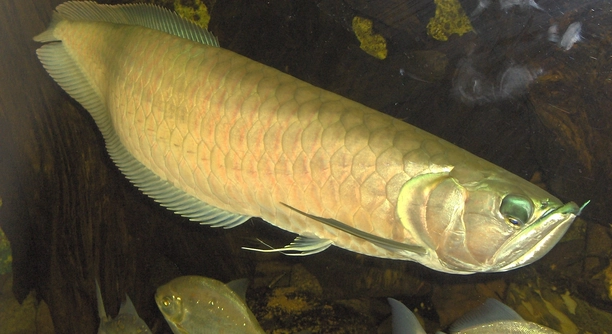
Arowanas are beautiful and graceful fish that thrive in carefully maintained aquariums. Lighting plays an important role in their health, behavior, and coloration. Choosing the right type of light can make a big difference in their overall well-being.
Arowanas respond well to lighting that mimics natural daylight, enhances their coloration, and supports their natural activity patterns. Popular options include full-spectrum LEDs, fluorescent tubes, and specialized aquarium lights designed to highlight red, gold, or silver hues.
Selecting the right lighting is essential for your fish’s health and the aesthetic appeal of your tank. Understanding these types will help you create a balanced environment your arowana will enjoy.
Fluorescent Lighting
Fluorescent lighting is one of the most common choices for arowana tanks. It provides a balanced light spectrum that helps enhance the fish’s natural colors without producing too much heat. Many hobbyists prefer it because it is cost-effective, easy to install, and widely available. Tubes come in various lengths and color temperatures, which allows you to customize the light to your tank size and the specific type of arowana you keep. These lights are also energy-efficient and last for several months before needing replacement. While fluorescent lights do not perfectly replicate natural sunlight, they are sufficient for general viewing and basic plant growth in aquariums. Arowanas tend to feel comfortable under this kind of lighting because it provides consistent illumination and does not create harsh shadows. Adjusting the height and duration of the light can help control algae growth while keeping your fish active.
Fluorescent lighting offers stable brightness and a natural feel, making it suitable for long-term use in most aquariums.
For proper use, place the tubes above the tank so the light spreads evenly. Avoid positioning them too close to the water, as it can stress your arowana. Timing is also important—keeping the lights on for about 10–12 hours a day mimics a natural day-night cycle, which encourages normal feeding and swimming patterns. Using reflectors can enhance light distribution and minimize dark spots in the tank. Additionally, pairing fluorescent lighting with a dimming schedule can reduce stress during night hours. This type of lighting works well with planted tanks, though strong, vibrant plants may require supplementary LED lights. Regularly cleaning the tubes and replacing them when brightness fades will ensure your arowana continues to enjoy consistent lighting conditions, keeping its colors vivid and behavior natural.
LED Lighting
LED lights are popular for their energy efficiency and color-enhancing capabilities.
High-quality LED lighting can mimic natural sunlight and emphasizes the vibrant reds, golds, and silvers of arowanas. They produce very little heat, which helps maintain stable water temperatures and reduces the need for additional cooling. LEDs come in adjustable options, allowing you to control brightness and color spectrum to suit different species. Many setups include programmable timers and dimmers, which can simulate sunrise and sunset, making the environment more natural for your fish. Unlike older lighting types, LEDs have long lifespans and are less likely to flicker, preventing stress to your arowana. Choosing the correct intensity and positioning ensures even coverage, minimizing shaded areas where algae or debris might accumulate. Using LED lights alongside proper filtration creates a clean, visually appealing tank where the arowana can thrive. This lighting type is also flexible, fitting different tank sizes without requiring bulky fixtures. The adaptability of LEDs makes them suitable for both display tanks and breeding setups, providing consistent lighting that supports natural behavior. Careful selection ensures your arowana’s colors appear vibrant while promoting overall health.
Natural Sunlight
Natural sunlight provides full-spectrum illumination that can bring out the true colors of arowanas. Direct sunlight should be limited to prevent overheating and algae growth. Indirect sunlight is ideal, giving your tank a soft, natural glow while supporting fish activity.
Exposing an arowana tank to natural sunlight can improve the fish’s coloration and enhance their natural behavior patterns. It is important to place the aquarium near a window that receives consistent, indirect light rather than harsh, direct rays. Direct sunlight can cause sudden temperature spikes, which may stress the fish and encourage algae growth. A shaded area or curtains can help control intensity. Using sunlight along with controlled artificial lighting ensures a balanced environment, maintaining consistent day-night cycles. Sunlight also benefits live plants in the tank, supporting photosynthesis and overall tank health, while creating a natural ambiance that is visually pleasing.
When using sunlight, monitor the temperature daily and adjust placement or shading as needed. Combining it with artificial lights ensures the arowana receives a stable light cycle without risks associated with excessive exposure.
Moonlight or Low-Level Lighting
Moonlight or dim lighting at night allows arowanas to rest and feel secure. These lights create a calm, natural environment without disturbing their sleep patterns.
Low-level lighting during night hours helps maintain natural circadian rhythms in arowanas. It reduces stress by providing a gentle glow that prevents total darkness, which some fish may find disorienting. This type of lighting is often used in conjunction with a full-day lighting schedule to replicate natural night conditions. Soft blue or white LEDs work well for this purpose, ensuring the tank is dimly illuminated without causing alarm. By keeping night lighting consistent, arowanas adjust to a predictable cycle, promoting normal feeding and swimming behavior during daylight hours.
Using moonlight-style lighting also highlights the subtle movements and reflective scales of the arowana in the evening. It allows for observation of nocturnal behaviors without interfering with rest periods. Combining this approach with a proper filtration system ensures that the tank remains clean and visually clear under low light, enhancing both the fish’s comfort and the viewing experience. Properly timed, low-level lighting encourages a relaxed, natural atmosphere that benefits both fish and plants in the aquarium.
Spot Lighting
Spot lighting draws attention to specific areas of the tank, enhancing the arowana’s appearance. Focused beams highlight vibrant scales and create visual depth, making the fish stand out against the background.
Properly positioned spotlights prevent shadows and emphasize colors without stressing the fish. Using adjustable mounts allows light to be directed exactly where needed, creating an appealing focal point.
Adjustable Spectrum Lighting
Adjustable spectrum lighting allows control over color temperature and intensity. It supports different moods in the tank while enhancing natural coloration. By fine-tuning the spectrum, specific arowana types, like red or gold, can be accentuated, giving them a brighter, more vivid appearance throughout the day.
Blue or Actinic Lighting
Blue lighting mimics deep-water conditions and highlights metallic scales. It enhances the shimmer of silver and gold arowanas, creating a calming environment while complementing other lighting types for a natural look.
FAQ
What type of lighting is best for arowanas?
The best lighting for arowanas depends on the species and tank setup. Full-spectrum LEDs are commonly used because they replicate natural daylight and enhance coloration. Fluorescent lights also work well for general illumination. It is important to combine proper intensity with a balanced day-night cycle to support natural behavior.
How many hours a day should arowanas be exposed to light?
Arowanas do best with around 10 to 12 hours of light per day. This schedule simulates a natural day-night cycle, encouraging normal feeding, swimming, and rest patterns. Avoid leaving lights on for too long, as prolonged exposure can stress the fish and promote algae growth.
Can direct sunlight harm arowanas?
Yes, direct sunlight can increase water temperature quickly and trigger algae blooms. Indirect sunlight is safer, providing soft illumination without causing overheating. Positioning the tank away from windows or using curtains can help control sunlight exposure while still benefiting the fish and plants.
Do arowanas need night lighting?
Low-level night lighting, such as moonlight LEDs or dim blue lights, helps maintain arowanas’ circadian rhythms. Complete darkness may disorient some fish, while gentle illumination allows them to rest comfortably and continue natural behavior without stress.
How does lighting affect coloration?
Proper lighting enhances arowana coloration. Red and gold arowanas benefit from lights with warmer tones, while silver types appear brighter under cooler, full-spectrum light. Adjusting the light spectrum helps maintain vibrant scales and prevents dullness caused by inadequate illumination.
Are LED lights better than fluorescent lights?
LED lights are more energy-efficient and provide adjustable color options, making them ideal for accentuating fish colors. Fluorescent lights are cost-effective and provide even coverage but may need more frequent replacement. Combining LED and fluorescent options can create balanced lighting for both plants and fish.
Should I use spotlights in the tank?
Spotlights can highlight specific areas and make arowanas’ colors pop. They are most effective when directed carefully to avoid shadows or overly bright spots. Adjustable mounts help achieve proper focus without stressing the fish.
Can too much light harm arowanas?
Excessive light can cause stress, affect feeding, and encourage algae growth. Maintaining a controlled lighting schedule and monitoring intensity prevents negative effects while keeping fish healthy and active.
Does lighting affect plant growth in the aquarium?
Yes, lighting is essential for live plants. Full-spectrum or LED lights support photosynthesis and maintain healthy plants. Healthy plants improve water quality and provide a more natural environment, indirectly benefiting arowanas’ health and behavior.
How often should aquarium lights be replaced?
Fluorescent tubes generally last six to twelve months before brightness diminishes. LEDs can last several years but should be checked for uneven illumination or flickering. Regular maintenance ensures consistent light levels for both fish and plants.
Can mixed lighting types be used together?
Yes, combining fluorescent, LED, and indirect sunlight can create a balanced, visually appealing tank. Adjust intensity and spectrum to prevent overexposure while supporting natural behavior and vibrant coloration. Mixed lighting also allows flexibility for specific tank designs and plant requirements.
Is dimming necessary for arowana tanks?
Dimming lights gradually in the morning and evening simulates sunrise and sunset, reducing stress and supporting natural behavior. It also prevents sudden changes in brightness that may startle the fish.
Do arowanas prefer warm or cool lighting tones?
Red and gold arowanas show better under warmer tones, while silver arowanas benefit from cooler, natural daylight tones. Matching the light tone to the species helps maintain vibrant colors and a natural appearance.
Can lighting affect breeding behavior?
Yes, proper lighting encourages natural activity and feeding, both of which support breeding readiness. Consistent day-night cycles and moderate intensity create an environment conducive to healthy mating behaviors.
What signs indicate lighting stress in arowanas?
Signs include hiding frequently, reduced activity, loss of color, or erratic swimming. Adjusting light intensity, duration, or placement often resolves these issues and restores normal behavior.
Is indirect sunlight enough without artificial lighting?
Indirect sunlight can provide basic illumination, but artificial lights are recommended to maintain consistent intensity and color spectrum, especially for tanks with plants or species-specific requirements. This ensures stable behavior and coloration throughout the day.
Can I use colored LED lights for decoration?
Colored LEDs can enhance aesthetics but should not replace full-spectrum lighting. Bright or harsh colors may stress arowanas and alter behavior. Use them sparingly and combine with natural or white light for best results.
Does lighting affect water temperature?
Certain lights, like incandescent bulbs, can raise water temperature. LEDs and fluorescent tubes produce minimal heat, making them safer for maintaining stable tank conditions and preventing temperature-related stress.
How do I choose lighting for a new arowana tank?
Consider species, tank size, and plant presence. Full-spectrum LEDs are versatile, fluorescent tubes provide even light, and indirect sunlight adds natural tones. Adjustable options help maintain consistent cycles, prevent stress, and highlight fish coloration effectively.
Can lighting influence arowana appetite?
Yes, proper lighting encourages normal feeding behavior. Fish are more active and visible under appropriate light, making them more likely to eat regularly. Inadequate or overly bright lighting can reduce appetite and cause irregular feeding patterns.
Is it necessary to change lighting based on seasons?
While not mandatory, adjusting light duration to mimic natural seasonal changes can benefit circadian rhythms and overall behavior. Longer daylight hours in summer and shorter in winter create a more natural and comfortable environment for the fish.
Can low-light conditions harm arowanas?
Prolonged low-light conditions may dull coloration, reduce activity, and stress fish. Maintaining a minimum of 10 hours of moderate light daily ensures normal behavior, healthy growth, and vibrant scales.
Are there energy-efficient lighting options for arowana tanks?
LED lights are the most energy-efficient, offering long lifespan, low heat output, and adjustable spectrum. Fluorescent lights are also efficient, though less flexible. Choosing energy-conscious options saves costs and reduces the need for frequent replacements.
How do I maintain consistent lighting?
Use timers and dimmers to automate light cycles. Regularly clean fixtures, replace worn tubes, and check for flickering or uneven intensity. Consistency helps maintain fish behavior, coloration, and plant growth without causing stress.
What is the best combination of lighting types for arowanas?
A common combination includes full-spectrum LED for overall illumination, fluorescent tubes for even coverage, and low-level blue or moonlight LEDs for nighttime. This setup balances aesthetics, behavior support, and plant health while highlighting the fish’s natural colors effectively.
Can lighting help reduce aggression in arowanas?
Balanced lighting reduces stress, which can help manage aggressive behavior. Proper day-night cycles and gradual dimming prevent sudden environmental changes that may trigger territorial or defensive responses. Consistent illumination creates a calm, predictable environment.
Does tank background affect lighting impact?
Yes, dark backgrounds enhance fish colors under light, while reflective surfaces may cause glare or stress. Choosing matte or natural-colored backgrounds helps diffuse light evenly and supports natural behavior.
How do I prevent algae growth caused by lighting?
Control light duration, avoid direct sunlight, and maintain consistent intensity. Combining proper filtration, regular water changes, and occasional dimming can prevent excessive algae while keeping arowanas healthy and visually vibrant.
Are timers essential for aquarium lighting?
Timers automate day-night cycles, ensuring consistent exposure and reducing human error. They help maintain natural rhythms, prevent overexposure, and support healthy fish behavior, feeding, and plant growth.
How do I safely combine natural and artificial light?
Indirect sunlight can be supplemented with full-spectrum LEDs or fluorescent lights. Monitor temperature and intensity to avoid stress. Adjust placement and duration to maintain a balanced environment, supporting coloration and natural activity.
Can improper lighting cause disease?
Indirectly, yes. Stress from excessive or insufficient lighting weakens immunity, making fish more susceptible to infections. Maintaining proper light cycles, intensity, and spectrum helps keep arowanas healthy.
Is it possible to overheat a tank with lights?
Yes, especially with older incandescent or high-intensity bulbs. Using LEDs or fluorescent tubes reduces heat buildup. Monitoring water temperature ensures stable conditions and prevents stress or harm to the fish.
How does lighting affect tank aesthetics?
Proper lighting highlights fish colors, enhances plant vibrancy, and creates depth. Spotlights or adjustable spectrum LEDs can emphasize focal points, while consistent lighting ensures the tank looks attractive at all times.
Do different arowana species require different lighting?
Yes, red and gold arowanas benefit from warmer tones, while silver arowanas appear brighter under cooler full-spectrum light. Adjusting spectrum and intensity according to species enhances coloration and overall well-being.
How long do LED lights last in aquariums?
High-quality LEDs can last 3–5 years or more, depending on usage. Regular cleaning and monitoring ensure even brightness and prevent flickering, keeping fish and plants healthy throughout their lifespan.
Can lighting affect water pH or quality?
Lighting does not directly affect pH but can influence algae growth, which may alter water chemistry over time. Balanced lighting combined with proper filtration maintains stable water quality for healthy arowanas.
Is it necessary to dim lights gradually in the morning?
Gradual brightening simulates sunrise, reducing stress and encouraging natural activity. Sudden light changes can startle fish, so a gentle ramp-up improves comfort and promotes normal behavior.
Can colored lighting be used for breeding tanks?
Colored lights may be used sparingly for decoration but should not replace full-spectrum illumination. Natural tones and proper intensity are important for encouraging breeding behavior and maintaining health.
Does lighting affect the growth rate of arowanas?
Indirectly, yes. Proper lighting supports normal feeding, activity, and plant health. A balanced environment promotes growth, while poor lighting can lead to stress, reduced appetite, and slower development.
How do I adjust lighting for seasonal changes?
Increase or decrease light duration gradually to mimic longer summer days or shorter winter days. Maintaining consistent intensity while adjusting hours helps preserve natural rhythms and fish health.
Are dimmable LEDs better than fixed-output lights?
Dimmable LEDs offer flexibility to adjust brightness based on tank conditions, fish stress levels, and day-night simulation. Fixed-output lights may require careful placement but still provide consistent coverage. Dimming improves control over fish comfort.
Can lighting influence territorial behavior?
Yes, lighting that is too bright or uneven can create stressful conditions, triggering defensive or territorial behavior. Balanced illumination and consistent cycles help maintain a calm, stable environment for multiple fish.
What maintenance is needed for aquarium lights?
Regularly clean fixtures, remove dust or algae, and replace bulbs when brightness fades. Inspect timers and dimmers for accuracy. Proper maintenance ensures consistent illumination, supporting fish health and plant growth.
Can reflective surfaces amplify lighting stress?
Yes, highly reflective surfaces may create glare or uneven brightness. Using matte backgrounds and diffusers helps distribute light evenly, reducing stress and highlighting natural coloration.
How can I measure the intensity of aquarium lighting?
A PAR (Photosynthetically Active Radiation) meter or lux meter can measure light intensity. Proper readings ensure adequate illumination for fish and plants without causing stress or excessive algae growth.
Is there a risk in mixing too many lighting types?
Yes, combining multiple lights without careful planning can create uneven intensity, glare, or stress. Balance spectrum, placement, and duration to provide natural illumination without overwhelming the fish.
Do arowanas respond differently to fluorescent vs. LED lights?
Behavior may vary slightly. LEDs allow adjustable spectrum and intensity, often enhancing color more effectively. Fluorescent lights provide consistent, even illumination but may not offer the same flexibility for color enhancement.
Can lighting influence water evaporation?
High-heat lights, such as older halogens, can increase evaporation. LEDs and fluorescent tubes produce minimal heat, helping maintain water levels and stable conditions without frequent top-offs.
Are timers essential for mixed lighting setups?
Yes, timers ensure consistent cycles across different lighting types, preventing overexposure, stress, and irregular behavior. Synchronizing lights maintains natural rhythms for fish and plants.
What is the ideal light spectrum for arowanas?
Full-spectrum light around 5000–7000K mimics daylight and enhances natural colors. Adjust warmer or cooler tones depending on species to maintain vibrant scales and support normal activity patterns.
How do I know if my arowana enjoys the lighting?
Signs include normal swimming, bright coloration, consistent feeding, and relaxed behavior. Avoidance, hiding, or dull colors indicate adjustments are needed to light intensity, duration, or spectrum.
Can lighting affect stress levels in arowanas?
Yes, inconsistent or harsh lighting can cause stress, reducing appetite, activity, and immunity. Balanced day-night cycles, gradual dimming, and appropriate intensity create a stable, comfortable environment.
Does tank size affect lighting choice?
Yes, larger tanks require stronger or multiple light sources for even coverage. Small tanks may need lower-intensity or single lights. Correct placement ensures consistent illumination and prevents dark spots.
Can lighting help highlight tank decorations?
Yes, proper lighting enhances colors and textures of rocks, plants, and ornaments. Spotlights and adjustable spectrum lights can create visually appealing focal points without stressing fish.
How do I prevent flickering in aquarium lights?
Use high-quality bulbs, stable electrical connections, and compatible fixtures. Flickering can stress fish, interfere with plant growth, and reduce visual clarity. Regular inspection prevents issues.
Is it safe to use LEDs 24/7?
No, continuous light disrupts circadian rhythms. Maintaining 10–12 hours of illumination per day ensures natural behavior and prevents stress, even with energy-efficient LEDs.
Can lighting improve fish health?
Indirectly, yes. Proper lighting supports natural behavior, feeding, and plant growth, creating a healthier environment. Balanced illumination reduces stress, encourages activity, and enhances immune function.
Are timers reliable for long-term lighting schedules?
Mechanical or digital timers are generally reliable, but regular checks are recommended. Consistent cycles maintain fish health, coloration, and plant growth. Backup timers can prevent disruption in case of power failure.
Does lighting type affect algae growth?
Yes, high-intensity or prolonged light encourages algae, especially in nutrient-rich water. Controlling intensity, duration, and spectrum reduces algae while supporting fish and plant health.
How do I integrate natural and artificial light effectively?
Combine indirect sunlight with full-spectrum LEDs or fluorescent tubes. Monitor intensity and duration to maintain balance. Adjust placement and use timers to replicate natural cycles for healthy behavior and vibrant coloration.
Is specialized arowana lighting necessary?
Not always, but species-specific lighting can enhance coloration and behavior. Adjust spectrum and intensity according to the arowana type for optimal visual appeal and health.
What is the impact of uneven lighting in the tank?
Uneven lighting can create stress, dark spots, and algae-prone areas. Proper placement, diffusers, and adjustable lighting ensure even coverage, highlighting fish and supporting natural activity.
How can I gradually adjust lighting for new fish?
Start with lower intensity and gradually increase over a week or two. This helps reduce stress, acclimate fish to the environment, and promote normal feeding and swimming behavior.
Can lighting help with breeding observation?
Yes, balanced light allows clear observation without stressing the fish. Full-spectrum lighting highlights natural behavior, while low-level night lighting enables nocturnal activity monitoring safely.
Do reflectors improve light distribution?
Yes, reflectors spread light evenly, reduce shadows, and enhance coloration. Adjustable reflectors allow customization for tank size and fish placement.
How often should I check light output?
Check monthly or whenever fish show signs of stress or dull coloration. Ensuring consistent brightness supports behavior, health, and aesthetic appeal.
Can improper lighting cause scale damage?
Indirectly, yes. Stress from harsh or inconsistent lighting may lead to weakened immunity, making scales more susceptible to injury or infection. Proper cycles reduce this risk.
Are timers enough to prevent algae?
Timers help control duration but do not prevent algae entirely. Combine with proper filtration, cleaning, and moderate intensity for best results.
Can arowanas adapt to different lighting over time?
Yes, they can adjust gradually to changes in intensity or spectrum, but abrupt shifts may cause stress. Gradual adjustments ensure smooth adaptation without impacting behavior or coloration.
How do I balance aesthetics and fish comfort in lighting?
Use full-spectrum LEDs for overall illumination, spotlights for focal points, and low-level night lights for rest. Adjust intensity and duration to prioritize fish health while enhancing tank visuals.
Is lighting more important than water quality?
No, water quality is essential for survival. Proper lighting complements a healthy environment, supporting behavior, coloration, and plant growth, but it cannot replace clean, stable water conditions.
Can lighting affect disease recovery?
Yes, consistent lighting reduces stress, indirectly supporting immune function and faster recovery. Proper day-night cycles and low-stress conditions aid healing.
Are there risks with DIY lighting setups?
Improper installation can cause uneven light, overheating, or electrical hazards. Use quality components, follow safety guidelines, and monitor fish behavior to ensure safe, effective lighting.
Can lighting influence territorial hierarchy?
Yes, poorly placed or overly bright lights may trigger defensive behavior. Balanced illumination supports a calm environment, reducing aggression and reinforcing natural hierarchy.
Is specialized lighting needed for planted tanks with arowanas?
Yes, plants require full-spectrum or specific LED lights for photosynthesis. Balanced lighting supports both plant health and fish coloration, creating a thriving ecosystem.
How do I measure proper light intensity for arowanas?
Use a PAR meter or lux meter to ensure adequate illumination. Proper intensity avoids stress, supports natural activity, and highlights coloration without promoting excessive algae growth.
Do arowanas prefer brighter or dimmer light during the day?
Moderate to bright light during the day encourages activity and feeding, while dimming in the morning and evening prevents stress and simulates natural light cycles.
Can improper light spectrum affect fish mood?
Yes, incorrect spectrum may reduce activity, feeding, or display dull coloration. Matching light spectrum to species promotes natural behavior, well-being, and visual appeal.
How do I maintain consistent lighting during power outages?
Backup batteries, generators, or manual lights can maintain temporary cycles. Minimizing disruption prevents stress and preserves circadian rhythms in arowanas.
Can lighting influence social behavior among multiple arowanas?
Balanced lighting reduces stress, which can limit aggressive interactions. Uneven or harsh light may provoke dominance displays or hiding behavior.
Is dimmable lighting better for long tanks?
Yes, dimming allows gradual adjustment across the tank, ensuring even coverage and reducing stress for fish at different positions in the aquarium.
Does tank depth affect lighting choice?
Yes, deeper tanks require stronger or more focused lights to penetrate water effectively. LED arrays or multiple tubes ensure even illumination throughout the tank.
Final Thoughts
Lighting plays a crucial role in keeping arowanas healthy and showing their best colors. Choosing the right type of lighting is not just about making the tank look good—it directly affects fish behavior, activity levels, and overall well-being. Full-spectrum LEDs, fluorescent tubes, natural sunlight, and low-level night lights all have specific advantages, and the right combination can create a balanced, safe environment. Consistent lighting encourages normal swimming patterns, supports feeding habits, and enhances natural coloration. It also benefits live plants in the aquarium, which contribute to better water quality and a healthier habitat for your arowana. Paying attention to how light interacts with water temperature and algae growth is important, as too much direct light or overly intense artificial lighting can cause stress or promote algae problems.
The daily schedule of lighting is just as important as the type of light used. Arowanas thrive with around 10 to 12 hours of light each day, simulating a natural day-night cycle. Gradually dimming lights in the morning and evening helps reduce stress and supports their circadian rhythms. Low-level night lighting, like moonlight LEDs or dim blue lights, allows the fish to rest while still being visible for observation. Using timers can automate the lighting schedule, making it easier to maintain consistency without constant monitoring. Adjusting the spectrum to match the species of arowana is also helpful. For example, red and gold arowanas respond well to warmer tones, while silver arowanas appear brighter under cooler, full-spectrum light. Properly timed and balanced lighting contributes to a calm environment, reduces stress, and encourages natural behaviors, making your arowana more active and visually vibrant.
Maintaining the lighting system over time is important to ensure continued benefits for your fish. Fluorescent tubes should be replaced regularly when brightness decreases, while high-quality LED lights may last several years but still require occasional checks for flickering or uneven coverage. Keeping fixtures clean and checking for any overheating issues helps maintain stable water conditions. Using spotlights or adjustable spectrum lights can enhance aesthetics without harming the fish, and combining natural and artificial light can create a visually appealing, realistic environment. Ultimately, the goal is to create a tank that supports health, behavior, and natural coloration while remaining easy to maintain. Proper lighting is a long-term investment in your arowana’s well-being, helping the fish live a comfortable, stress-free life while making your aquarium look its best. By focusing on consistent schedules, appropriate intensity, and correct spectrum, you provide a reliable, balanced environment that benefits both the fish and the overall tank ecosystem.

Hello,
If you enjoy the content that we create, please consider saying a "Thank You!" by leaving a tip.
Every little bit helps us continue crafting quality advice that supports the health, happiness, and well-being of pets around the world, for pets of all shapes, sizes, and species.
We really appreciate the kindness and support that you show us!