
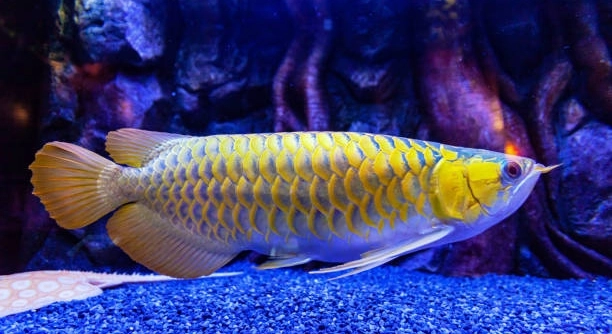
Keeping an Arowana can be rewarding, but it requires attention to their comfort and wellbeing. Many fish owners may not notice subtle signs that their aquatic pet is content in its tank. Observing behavior is key to understanding satisfaction.
A satisfied Arowana will display calm swimming patterns, healthy coloration, and consistent feeding habits. Stress or discomfort often manifests as erratic movements, loss of appetite, or dull scales, making careful monitoring essential to ensure the fish thrives in its environment.
Learning to read these indicators helps create a safe and enriching space for your Arowana. Paying attention to details will improve both the fish’s health and your confidence as a caretaker.
Recognizing Healthy Behavior
Observing your Arowana’s daily behavior is the first step to understanding its comfort. A healthy fish swims steadily without sudden bursts of speed or frantic darting across the tank. It maintains a consistent appetite, eagerly eating at feeding times. Bright, even coloration also signals that the fish is not stressed or ill. You might notice your Arowana exploring its tank, interacting with decorations, or gliding near the surface for air, which is normal for their species. Sleeping or resting patterns are equally important. A fish that rests calmly without pressing against the tank walls or showing rapid gill movements is generally content. Over time, you may detect small changes in mood or activity that hint at discomfort, like hiding more than usual or refusing food. Paying attention to these signals allows for adjustments in the tank environment to ensure optimal well-being.
Monitoring behavior daily ensures you can respond quickly to any signs of stress or discomfort in your Arowana.
Proper behavior indicates a well-maintained habitat. Observing and documenting feeding, swimming, and interaction patterns helps identify minor issues before they escalate. Adjusting water parameters, tank size, or decorations based on these behaviors supports their comfort.
Maintaining Ideal Tank Conditions
A balanced environment is essential for your Arowana’s satisfaction.
Tank size, water quality, and temperature all influence health and behavior. Arowanas need spacious tanks to move freely and strong filtration to maintain clean water. Stable temperatures between 75 and 82°F prevent stress. Regular water changes reduce toxins that can impact their mood. Decorations and hiding spaces provide enrichment and safety, preventing boredom and anxiety. Even lighting affects comfort, as harsh or inconsistent light can make the fish uneasy. Observing reactions to minor adjustments, like adding plants or rearranging ornaments, helps gauge preferences. The combination of proper tank conditions and attentive observation ensures a positive habitat, allowing the fish to thrive physically and mentally. Over time, these measures build a pattern of predictable, calm behavior, reflecting satisfaction and well-being in the tank environment. Consistency in care is just as important as the initial setup, creating stability your Arowana needs.
Feeding and Nutrition
Consistent feeding helps indicate if your Arowana is content. Healthy fish eagerly accept food and maintain a steady appetite. Skipping meals or refusing food may signal stress or poor tank conditions that need immediate attention.
Providing a balanced diet is crucial. Arowanas thrive on high-protein foods like pellets, live fish, or insects, supplemented occasionally with vegetables. Overfeeding can lead to water pollution and digestive issues, while underfeeding impacts growth and energy. Paying attention to portion sizes, feeding frequency, and variety ensures your fish remains healthy and satisfied. Observation during feeding time also allows you to notice unusual behaviors or changes in appetite.
Food presentation matters. Dropping food in a consistent spot encourages predictable feeding patterns. Rotating diet items keeps the fish engaged and reduces boredom. Monitoring leftovers ensures the tank stays clean, which affects water quality and overall comfort. A structured feeding routine reinforces well-being and helps you detect early signs of illness or dissatisfaction.
Social Interaction and Environment
Arowanas are sensitive to tank companions and surroundings. Aggressive or incompatible fish can stress them, impacting appetite and swimming habits. Properly selected tank mates reduce conflict and support peaceful behavior.
The environment plays a major role in mental stimulation. Adding plants, driftwood, and safe hiding spots encourages natural exploration and reduces stress. Open swimming areas allow full movement, while soft lighting and minimal disturbances mimic natural conditions. Watching how your Arowana interacts with the space and other fish reveals its level of comfort. Noticing whether it avoids certain areas or companions helps adjust tank setup for harmony. Over time, consistent observation lets you create an environment that promotes calm, confident behavior, and steady growth. Monitoring these details daily builds insight into your Arowana’s satisfaction, allowing proactive care and adjustments that ensure long-term health and contentment.
Water Quality Monitoring
Maintaining clean water is essential for Arowana satisfaction. Testing for pH, ammonia, nitrites, and nitrates regularly helps prevent stress and illness. Consistent water changes support a healthy environment and prevent harmful buildup of toxins that can affect behavior and appetite.
Using reliable filtration systems is equally important. Filters remove debris, reduce harmful chemicals, and maintain oxygen levels. Observing water clarity and flow helps detect early problems before they impact your fish. Combining testing, regular water changes, and effective filtration ensures the tank stays stable and your Arowana remains comfortable and healthy.
Observing Stress Signals
Stress in Arowanas can appear subtly. Rapid gill movement, hiding, or fin clamping are common indicators that adjustments are needed to the environment.
Monitoring these behaviors helps identify specific issues like overcrowding, poor water quality, or incompatible tank mates. Stress can reduce immunity, making the fish more susceptible to disease. Acting promptly by adjusting water conditions, tank layout, or social dynamics promotes recovery and maintains a positive environment. Observing and documenting these patterns builds a clear understanding of your fish’s comfort, ensuring proactive care and long-term well-being.
Tank Maintenance Routine
A consistent cleaning schedule prevents harmful buildup in the tank. Regular removal of waste, uneaten food, and debris keeps water safe and promotes a healthier environment.
Lighting and Temperature Control
Stable lighting and temperature help your Arowana feel secure. Sudden changes or extreme variations can cause stress and impact behavior.
FAQ
How can I tell if my Arowana is happy in its tank?
A happy Arowana swims calmly, shows consistent appetite, and displays bright, even coloration. It explores its surroundings without hiding excessively and rests naturally without pressing against tank walls. Observing these behaviors over time gives a clear indication of comfort and satisfaction.
What are the main signs of stress in an Arowana?
Common stress signs include rapid gill movement, fin clamping, erratic swimming, loss of appetite, and hiding for long periods. Sudden color changes or fraying fins can also indicate poor tank conditions or social tension. Early detection allows you to adjust the environment promptly.
How often should I feed my Arowana?
Feeding frequency depends on age and size. Juveniles usually eat twice daily, while adults can be fed once per day. Offer a balanced diet including pellets, live or frozen foods, and occasional vegetables. Avoid overfeeding, which can reduce water quality and cause digestive problems.
What water parameters are best for Arowanas?
Arowanas thrive in water with pH between 6.5 and 7.5, temperatures from 75 to 82°F, and low ammonia and nitrite levels. Regular water testing and partial water changes keep these parameters stable. Proper filtration is essential for maintaining oxygen levels and water clarity.
How can I prevent my Arowana from getting bored?
Providing plants, driftwood, and safe hiding spots encourages natural exploration. Rearranging decorations occasionally and varying feeding locations keeps the environment stimulating. Observing the fish’s reaction helps determine what it enjoys most. Mental enrichment reduces stress and promotes healthy activity.
What tank size is suitable for an adult Arowana?
Adult Arowanas need spacious tanks of at least 250 gallons. Large open swimming areas allow full movement and reduce stress. Tall tanks accommodate their vertical swimming habits. Ensuring enough space prevents aggression and supports proper growth.
How do I choose compatible tank mates?
Select fish of similar size that are non-aggressive. Avoid small fish that can be eaten or overly territorial species. Monitoring interactions helps maintain harmony. Introducing new fish gradually reduces stress and allows your Arowana to adjust.
How often should I clean my Arowana’s tank?
Partial water changes of 20-30% weekly are recommended. Remove uneaten food, debris, and excess algae to maintain water quality. Clean filters as needed but avoid over-cleaning, which can disrupt beneficial bacteria essential for biological balance.
Can lighting affect my Arowana’s behavior?
Yes, consistent and moderate lighting mimics natural conditions. Sudden changes or harsh lights can cause stress. Observing the fish’s reaction helps determine the right lighting schedule. Dimmer lights or periods of shade can make the tank more comfortable.
How do I handle illness in my Arowana?
Early recognition of unusual behavior, color changes, or appetite loss is key. Quarantine new fish, maintain water quality, and consult a veterinarian for proper treatment. Preventative measures like proper nutrition and stable environmental conditions reduce the risk of disease.
What is the best way to introduce a new Arowana to a tank?
Acclimate the fish slowly to match water temperature and chemistry. Float the bag for 15-30 minutes and gradually mix tank water. Monitor behavior closely during the first week to ensure it adapts without stress. Proper acclimation reduces shock and promotes comfort.
How do I know if my tank decorations are affecting my Arowana?
If the fish avoids certain areas, scratches fins, or shows unusual hiding behavior, decorations may be creating stress or obstacles. Rearranging or removing problematic items can improve swimming space and comfort. Observing the fish’s patterns helps identify necessary adjustments.
Is it normal for Arowanas to jump?
Yes, Arowanas are naturally jumpers. Covering the tank with a secure lid prevents accidents. Jumping may also indicate excitement, stress, or attempts to reach food. Observing the frequency and triggers helps assess whether it’s normal behavior or a sign of discomfort.
How do I maintain a long-term healthy environment for my Arowana?
Consistent water testing, proper feeding, tank maintenance, and monitoring behavior are essential. Adjust tank conditions as needed and provide enrichment to reduce stress. Maintaining stable conditions ensures the fish remains active, healthy, and content over time.
Can temperature fluctuations harm my Arowana?
Yes, sudden drops or spikes in temperature can stress the fish, affect appetite, and reduce immunity. Using a reliable heater and monitoring the tank regularly ensures stable conditions and supports long-term health.
How do I know when my Arowana is fully grown?
Growth rate varies by species, diet, and tank size. Most Arowanas reach maturity around 2-3 years. Adult fish are noticeably larger, with developed fins and scales. Regular measurement and observation of size and body proportions help determine growth progress.
How important is observation for Arowana care?
Daily observation allows early detection of stress, illness, or environmental issues. Noticing subtle behavior changes helps make adjustments before serious problems arise. Being attentive ensures the fish remains comfortable, healthy, and satisfied in its tank.
What adjustments should I make if my Arowana seems unhappy?
Check water quality, tank size, lighting, and temperature first. Evaluate feeding habits and possible stress from tank mates. Introduce enrichment or rearrange decorations if needed. Monitoring responses after changes helps create an environment where the fish feels secure and content.
Are there seasonal care differences for Arowanas?
Yes, temperature and feeding adjustments may be needed in colder or hotter months. Stable water conditions and routine maintenance remain critical year-round. Observing behavior and appetite helps guide any seasonal changes.
Final Thoughts
Taking care of an Arowana requires attention to detail and consistency. These fish are sensitive to changes in their environment, and small adjustments can have a big impact on their comfort. Maintaining proper water quality, temperature, and filtration is essential. Regular testing for pH, ammonia, nitrites, and nitrates ensures the tank remains safe. Partial water changes help remove toxins and keep the water clean, which supports the fish’s health. Arowanas also need space to swim freely, so providing a large tank with open areas and safe decorations is important. Observing your fish daily allows you to notice subtle changes in behavior that can indicate stress or discomfort.
Feeding and nutrition play a significant role in an Arowana’s satisfaction. Offering a balanced diet that includes high-protein pellets, live or frozen foods, and occasional vegetables keeps them healthy and engaged. Feeding at consistent times helps establish a routine, while varying food items prevents boredom. Overfeeding should be avoided, as it can affect water quality and cause digestive problems. Watching how your fish eats and how it reacts to different foods provides insight into its overall well-being. A content Arowana will show eagerness during feeding and maintain steady growth and energy levels, which makes monitoring meals an important part of care.
Creating a comfortable environment goes beyond water and food. Lighting, tank mates, and decorations all contribute to an Arowana’s satisfaction. Consistent, moderate lighting mimics natural conditions and reduces stress, while observing how the fish interacts with its surroundings shows what works best. Compatible tank mates are important, as aggressive or overly small fish can create tension. Adding plants, driftwood, or hiding spots provides stimulation and encourages natural behavior. By carefully monitoring behavior, adjusting conditions as needed, and maintaining a stable, enriched environment, you ensure that your Arowana remains healthy and comfortable. This consistent attention leads to a calm, active fish that thrives in its tank and allows you to enjoy the rewarding experience of caring for a beautiful and sensitive aquatic companion.

Hello,
If you enjoy the content that we create, please consider saying a "Thank You!" by leaving a tip.
Every little bit helps us continue crafting quality advice that supports the health, happiness, and well-being of pets around the world, for pets of all shapes, sizes, and species.
We really appreciate the kindness and support that you show us!