
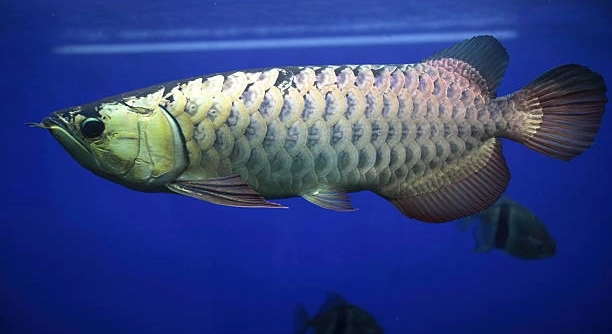
Are your Arowanas restless or less active during the night? Maintaining a comfortable nighttime environment is essential for their health and overall behavior. Simple adjustments can make a significant difference in their nocturnal comfort and well-being.
Improving an Arowana’s night environment involves regulating light exposure, maintaining water temperature, minimizing noise, providing hiding spaces, and monitoring water quality. These steps create a stable and secure habitat that supports natural behaviors and promotes long-term health.
Understanding these changes can greatly enhance your Arowana’s nighttime routine and overall quality of life. Small improvements lead to healthier, more content fish in your aquarium.
Adjust Lighting for Nighttime
Reducing light during the night helps Arowanas feel secure and rest properly. Bright lights can stress them, causing erratic swimming or reduced appetite. Installing a dimmable LED or using a timer ensures the tank transitions smoothly from day to night. You can also use floating plants or decorations to create natural shading, providing areas where the fish can retreat. Avoid sudden changes in lighting, as Arowanas are sensitive to abrupt shifts. Consistent light cycles mimic natural conditions and support their biological rhythm.
Even small adjustments in light can significantly reduce stress and improve nighttime activity.
Gradually dimming lights over an hour or two before bedtime is an effective method. This slow transition encourages calm behavior and helps maintain normal sleep patterns. Using soft, warm-toned lights can replicate evening conditions. Additionally, covering part of the tank or placing dimmable fixtures above the water can prevent direct exposure. Consistent practice ensures the fish recognize nightfall and reduces unnecessary agitation, promoting overall health and stability in their environment.
Maintain Optimal Water Temperature
Stable water temperature is critical for Arowanas. Sudden fluctuations can affect their metabolism, immune system, and comfort. Using a reliable heater with a thermostat keeps the water within a safe range, usually between 75°F and 82°F. Regularly checking with a thermometer ensures consistency, and layering insulation around the tank can help maintain nighttime warmth. Avoid placing the aquarium near drafts, air conditioners, or windows where temperatures fluctuate.
Keeping the water stable prevents stress-related illnesses.
Arowanas are sensitive to both heat drops and spikes, which can lead to lethargy or erratic behavior. At night, it’s common for room temperatures to fall, so maintaining a controlled environment is essential. Heaters with automatic shut-off protect against overheating, and combining them with a stable room temperature minimizes sudden changes. Monitoring water temperature daily, even briefly, helps detect inconsistencies early. Proper maintenance ensures the fish remain active and healthy, reducing the risk of nighttime disturbances caused by discomfort or stress.
Provide Hiding Spots
Hiding spots help Arowanas feel secure at night. Caves, driftwood, or plants give them areas to retreat, reducing stress and encouraging natural behavior.
Adding hiding spaces can significantly improve your fish’s comfort. Decorations should be stable and large enough to prevent trapping or injury. Floating plants also create shaded areas, giving Arowanas a sense of security. Positioning caves near the sides or back of the tank prevents interference with swimming space. Varying the shapes and sizes of hiding spots mimics a natural environment, helping the fish feel more relaxed. Observing how your Arowana uses these spaces can guide further adjustments, ensuring the tank meets their needs without overcrowding or restricting movement.
Hiding spots also reduce aggression and nighttime restlessness. By giving Arowanas a place to escape from bright lights or other tank inhabitants, you encourage calmer nighttime activity. Over time, these adjustments create a more predictable and comfortable environment, supporting healthier sleep patterns. Secure placement of decorations ensures the tank remains safe and stable, avoiding potential injuries or disruptions to water flow. Regularly cleaning and adjusting these areas keeps them effective and maintains the tank’s overall aesthetic and functionality.
Reduce Nighttime Noise
Excessive noise can disturb Arowanas and affect their sleep patterns. Minimizing vibrations from nearby appliances or tapping on the glass helps maintain a calm environment.
Positioning the aquarium away from doors, speakers, or busy household areas reduces sudden disturbances. Using a sturdy stand or placing a rubber mat beneath the tank can absorb vibrations and prevent them from reaching the water. Quiet pumps and filters with smooth operation are preferable for nighttime. Lowering ambient room noise or maintaining a consistent background hum can also help fish remain undisturbed. These steps ensure Arowanas experience minimal stress during their nocturnal hours.
Creating a quiet nighttime environment improves overall fish health. Stress from constant noise can weaken immunity and lead to irregular behavior. By controlling disturbances, you support better feeding, movement, and rest cycles. Consistency is key—repeated exposure to sudden sounds may prevent Arowanas from settling down. Observing fish behavior during quieter periods helps identify additional adjustments, whether relocating equipment or modifying tank placement. Maintaining calm surroundings ensures Arowanas remain comfortable, reducing nighttime agitation and supporting long-term well-being.
Control Nighttime Feeding
Feeding Arowanas late at night can disrupt their natural rest cycle. Stop feeding a few hours before lights go off to encourage proper nighttime behavior.
Overfeeding or giving food at night may cause water quality issues and reduce sleep. Stick to a consistent daytime feeding schedule to support digestion and nighttime calmness.
Monitor Water Quality
Clean and stable water is essential for nighttime comfort. Regularly check parameters like pH, ammonia, nitrite, and nitrate levels. Unstable water can stress Arowanas and affect their health.
Maintaining water quality ensures your fish remain active and healthy. Perform partial water changes, remove debris, and use reliable filtration to prevent spikes in harmful substances. Regular monitoring allows early detection of issues, keeping the tank environment safe and comfortable for nighttime rest.
Use Gentle Water Flow
Strong currents at night can unsettle Arowanas. Reduce pump speed or redirect flow to create calmer water conditions, allowing fish to rest more naturally.
Gentle water movement prevents stress and encourages normal nocturnal behavior. Adjusting flow ensures a peaceful environment without sacrificing oxygenation or filtration efficiency.
FAQ
How do I know if my Arowana is stressed at night?
Signs of stress include erratic swimming, hiding excessively, or refusing food. Nighttime stress may also appear as rapid gill movement or constant pacing along the tank walls. Observing your fish over several nights helps determine normal behavior versus stress indicators.
Can too much light at night harm my Arowana?
Yes. Excessive light disrupts their natural sleep cycle, causing agitation and reducing appetite. Dim lighting or a timer ensures a gradual transition to night, helping the fish maintain normal nocturnal behavior without unnecessary stress.
What is the ideal nighttime temperature for Arowanas?
Arowanas thrive between 75°F and 82°F. Temperatures below this range can slow metabolism and activity, while higher temperatures may increase stress. Using a heater with a thermostat and checking with a thermometer keeps the tank stable.
Do hiding spots really matter for nighttime comfort?
Absolutely. Hiding spots reduce stress and allow the fish to feel secure. Properly placed caves, driftwood, and plants mimic natural conditions, giving Arowanas areas to retreat and rest without disturbance. Varying shapes and sizes improves comfort and tank enrichment.
Should I feed my Arowana before bed?
Feeding right before night can interfere with rest and water quality. Stop feeding at least two to three hours before lights go off to allow proper digestion and encourage natural sleep patterns. Consistency in feeding times supports calm nighttime behavior.
How often should I check water quality at night?
Nighttime checks are not necessary if the water is maintained during the day. Focus on regular daily or weekly monitoring for pH, ammonia, nitrite, and nitrate levels. Consistent filtration and partial water changes keep the tank stable overnight.
Can noise really affect my Arowana at night?
Yes. Loud sounds, vibrations, or frequent tapping can startle Arowanas, leading to restlessness and stress. Placing the tank away from busy areas and using stable stands reduces disturbances, helping fish remain calm during night hours.
Is gentle water flow necessary at night?
Strong currents can stress Arowanas when they are trying to rest. Reducing pump speed or redirecting flow allows calm movement while still maintaining oxygenation. Observing how your fish reacts helps determine the best balance between filtration and comfort.
How do I adjust lighting without shocking my fish?
Gradually dim lights over 30–60 minutes before nightfall. Avoid sudden on/off changes, and consider soft, warm-colored bulbs. Using timers ensures consistency, which helps the fish recognize the transition from day to night and reduces nighttime agitation.
Can poor nighttime conditions affect long-term health?
Yes. Stress, irregular sleep, and disrupted behavior can weaken the immune system, slow growth, and increase susceptibility to disease. Maintaining proper light, temperature, water quality, hiding spots, and quiet conditions supports long-term health and natural behavior.
How can I tell if my Arowana is comfortable at night?
Signs of comfort include calm swimming, resting in preferred areas, and normal respiration. Consistent use of hiding spots and predictable nighttime behavior indicate that the environment meets the fish’s needs. Regular observation helps maintain optimal conditions.
Are plants helpful for nighttime comfort?
Yes. Floating or dense plants provide shade and mimic natural environments, reducing stress and offering retreat areas. They also help diffuse light and create a more natural, comfortable habitat for resting at night.
What should I avoid for nighttime care?
Avoid sudden light changes, overfeeding, loud noises, extreme water temperature fluctuations, and removing hiding spots. Any abrupt change in the tank environment can disturb your Arowana’s natural nocturnal rhythm, causing stress or irregular behavior.
How long does it take for an Arowana to adjust to improved nighttime conditions?
Adjustment can take a few days to a couple of weeks, depending on prior stress levels and changes made. Consistency in lighting, temperature, and quiet conditions helps them adapt faster and encourages healthier night behavior.
Is it necessary to dim the lights if my Arowana is in a planted tank?
Yes. Even in a planted tank, dimming or covering portions of the tank at night helps the fish recognize a natural night cycle. Plants can provide shade, but controlled lighting ensures proper rest and reduces stress.
Can I combine all these methods at once?
Combining light control, temperature stabilization, hiding spots, gentle water flow, and noise reduction creates the best nighttime environment. Gradual implementation allows observation of the fish’s response and ensures each adjustment benefits their comfort without overwhelming them.
This FAQ covers the essential aspects of nighttime care for Arowanas, ensuring their environment supports rest, reduces stress, and promotes overall health. Consistent observation and adjustments improve comfort and long-term well-being.
Final Thoughts
Creating a comfortable nighttime environment for Arowanas is essential for their overall health and well-being. These fish are naturally sensitive to changes in their surroundings, and even small disruptions during the night can lead to stress or irregular behavior. By adjusting lighting, maintaining stable water temperature, and providing hiding spots, you can create a secure and predictable space for them to rest. Consistency is key, as Arowanas rely on stable conditions to feel safe and maintain normal sleep patterns. Gradual changes rather than sudden adjustments help them adapt more easily, reducing anxiety and promoting natural behaviors during nighttime hours.
Equally important is controlling external factors that could disturb your fish. Noise, vibrations, or strong water currents can prevent Arowanas from settling down, causing unnecessary stress. Simple measures, like using a sturdy stand, positioning the tank away from busy areas, and redirecting pump flow, can make a noticeable difference. Regular monitoring of water quality is also critical, as poor water conditions can directly affect their comfort and health at night. By maintaining clean, stable water, and addressing environmental stressors, you create a safer, calmer habitat that supports not only nighttime rest but overall vitality.
Attention to feeding schedules further enhances nighttime comfort. Avoiding late-night meals allows Arowanas to digest properly and settle into a natural sleep cycle, preventing restlessness. Observing their behavior over time helps identify which adjustments are most effective, allowing you to fine-tune the tank environment to meet their needs. Integrating all these steps—lighting, temperature, hiding spots, quiet surroundings, water stability, and feeding consistency—ensures a balanced and supportive environment. Caring for Arowanas in this way promotes long-term health, encourages natural behavior, and ultimately provides a more harmonious experience for both the fish and their caretaker. Consistent effort and attention to these details make a noticeable difference in the fish’s comfort and overall quality of life.

Hello,
If you enjoy the content that we create, please consider saying a "Thank You!" by leaving a tip.
Every little bit helps us continue crafting quality advice that supports the health, happiness, and well-being of pets around the world, for pets of all shapes, sizes, and species.
We really appreciate the kindness and support that you show us!