
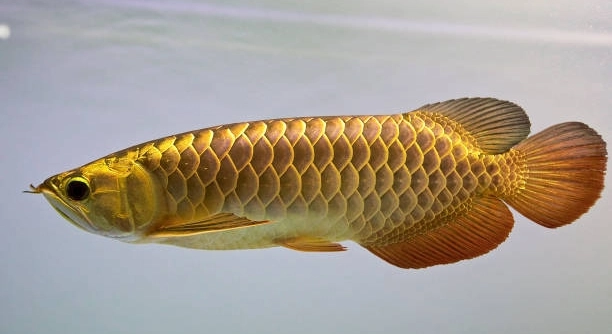
Have you ever noticed your arowana swimming in circles before it eats? Many fish owners observe this behavior and wonder what it might mean for their pet’s health and routine. Watching them can be oddly fascinating.
Arowanas circle before feeding primarily as a natural hunting instinct and orientation behavior. This action helps them locate, assess, and capture prey effectively, while also establishing territory and reducing stress in their environment, ensuring feeding efficiency and safety.
Observing this behavior can reveal a lot about your arowana’s well-being and instincts, helping you provide a more suitable and comfortable environment.
Understanding Arowana Circling Behavior
Arowanas often swim in circles before eating as part of their natural behavior. This movement helps them get a good sense of their surroundings and identify where the food is located. Circling can also help them build confidence before striking at prey or floating food. In my experience watching them, the rhythm is almost meditative, showing their instinct to plan each movement. Stress levels in the tank can also influence this behavior. A calm, well-maintained environment often reduces excessive circling, while sudden changes or overcrowding can make it more frequent. Temperature, water quality, and lighting all play subtle roles in how active an arowana becomes before feeding. Recognizing these patterns helps in understanding their health and moods. Owners can adjust feeding routines to match their fish’s natural inclinations. Over time, you notice small changes in behavior that signal contentment or stress. Circling is rarely a cause for concern if it remains consistent and smooth.
Circling is primarily a natural instinct that helps arowanas locate food and adjust to their environment.
Observing this behavior closely can give insights into feeding habits. If an arowana circles too aggressively, it may signal stress, hunger, or environmental discomfort. Adjusting feeding times, ensuring water quality, and providing enough space can improve comfort. Each fish may have its unique pattern, making it important to know your pet’s normal behavior to spot changes quickly.
Feeding Strategies for Arowanas
Regular feeding helps reduce excessive circling and ensures better health.
Consistent feeding routines allow arowanas to predict when food will arrive, reducing stress. Providing varied food types, such as pellets, live food, or frozen options, satisfies nutritional needs and mimics natural hunting instincts. Overfeeding can be harmful, so portion control is essential. Observing how your arowana interacts with the food helps adjust both timing and type of feed. It also allows you to notice early signs of illness or behavior changes. Some arowanas prefer surface feeding, while others may hunt in mid-water, and adjusting your approach can improve feeding success. Monitoring water parameters, like pH, temperature, and cleanliness, ensures that the fish remain healthy and active. Proper tank decoration, hiding spots, and open swimming space can reduce stress and encourage natural feeding behavior. Ultimately, feeding strategies combined with environmental management support a calm, healthy fish that exhibits normal behaviors, including circling, without excessive stress or anxiety.
Tank Environment and Its Impact
Arowanas respond strongly to their tank environment. Poor water quality, overcrowding, or sudden changes can make them circle more before feeding. Proper space and stable conditions help maintain calm behavior and regular feeding patterns.
Water clarity, temperature, and pH levels play a crucial role in an arowana’s daily activity. In my experience, fish in a well-maintained tank circle less aggressively and show more predictable feeding patterns. Decorations, plants, and hiding spots can also influence movement, as arowanas feel safer with familiar surroundings. Regular water changes and monitoring prevent stress-related behaviors, keeping them active but balanced.
Lighting and tank layout can subtly affect circling as well. Bright, harsh lights may cause hesitation, while consistent, moderate lighting encourages natural movement. Open swimming areas allow the fish to circle smoothly without obstruction, and providing enough depth gives them confidence to approach food calmly. Adjusting these elements over time can reduce unnecessary circling and improve overall well-being.
Observing Health Through Behavior
Circling can indicate both natural instinct and potential health issues. Watching patterns over time is essential to understand your arowana’s condition.
Behavior changes, including erratic or excessive circling, may signal illness, injury, or stress. I noticed that a sudden increase in circling often coincides with minor water problems or dietary changes. Monitoring appetite, swimming speed, and interaction with the tank environment helps catch problems early. Fish may show subtle signs like clamped fins or fading colors, which often correlate with unusual circling. Keeping a log of these behaviors allows for better tracking and informed adjustments.
Consistency in environment, feeding, and tank care supports healthy behavior. Arowanas thrive when routines are predictable, water conditions are optimal, and space is adequate. Sudden shifts in temperature or pH, even minor ones, can trigger stress, reflected in circling patterns. Observing how quickly your fish returns to normal movement after feeding provides insight into resilience. Combining careful observation with proper tank management creates a calm, healthy fish, allowing natural instincts like circling to occur without stress or excessive repetition.
Feeding Frequency and Timing
Arowanas benefit from consistent feeding schedules. Irregular feeding can increase circling as they anticipate food. Feeding at the same times daily helps reduce stress and creates a predictable routine that encourages calm, controlled behavior during mealtime.
Overfeeding or skipping meals can trigger excessive circling. Smaller, regular portions often work best. Observing how your arowana reacts to each feeding helps determine the ideal amount and frequency.
Social and Territorial Behavior
Arowanas are territorial by nature, and circling can reflect dominance or caution around other fish. In shared tanks, circling helps establish boundaries and prevent conflicts. This instinct is stronger in larger or more aggressive species, so monitoring interactions is important for harmony.
Signs of Stress or Discomfort
Excessive or frantic circling may indicate stress, illness, or environmental issues. Pay attention to accompanying behaviors such as hiding, loss of appetite, or erratic swimming.
Adjusting Feeding Techniques
Varying the way food is offered can influence circling behavior. Feeding near familiar spots or using tools to mimic natural hunting can make meals smoother and reduce unnecessary movement.
FAQ
Why does my arowana circle even when it is not feeding?
Circling is part of an arowana’s natural behavior and can happen at any time. It helps them explore their environment, stay alert, and maintain spatial awareness. In my experience, even calm, well-fed fish continue to circle occasionally, showing instinct rather than hunger.
Is circling a sign of hunger?
Yes, circling often increases when arowanas anticipate feeding. This behavior helps them focus on locating food and preparing to strike. Consistent feeding schedules reduce excessive circling caused by hunger or uncertainty about meal timing.
Can tank size affect circling behavior?
Absolutely. Smaller or overcrowded tanks can make arowanas feel stressed or restricted, causing repetitive circling. Providing enough space for swimming and open areas for food approaches encourages calmer, more natural movement.
Does water quality impact circling?
Yes, poor water quality increases stress, which can make circling more frequent or frantic. Maintaining stable pH, temperature, and cleanliness reduces unnecessary movement and supports overall health. I’ve noticed smoother circling when tanks are regularly cleaned and monitored.
Do other fish influence circling?
Tank mates can affect behavior. Aggressive or territorial species may trigger more circling as arowanas establish boundaries. Observing interactions helps determine whether circling is instinctive or a response to stress from other fish.
Is circling dangerous?
Generally, circling is safe and normal. However, extreme or continuous circling may indicate stress, illness, or injury. Watching for signs like clamped fins, erratic swimming, or loss of appetite helps identify problems early.
How can I reduce excessive circling?
Adjusting feeding routines, tank layout, and water conditions can help. Ensuring enough space, moderate lighting, and a predictable schedule makes fish feel secure. Small decorations and hiding spots can also reduce anxiety-driven circling.
Does circling relate to age or size?
Younger arowanas may circle more due to higher activity levels and developing hunting instincts. Larger adults often circle more slowly but with purpose, reflecting established territory and confidence. Tracking these changes over time provides insight into health and behavior.
Can diet change circling patterns?
Yes, different foods influence behavior. Live or moving food may trigger more pronounced circling, mimicking natural hunting. Pellets or frozen food may reduce movement. Varying diet while monitoring response helps identify the most suitable feeding strategy.
When should I consult a veterinarian?
Seek advice if circling is extreme, combined with appetite loss, color changes, or unusual swimming patterns. Professional evaluation ensures no underlying illness or environmental issue is overlooked, keeping your arowana healthy and active.
How long should circling last before feeding?
Circling duration varies. Most arowanas circle briefly, a few minutes before striking at food. Extended, repetitive circling can indicate stress or excitement. Observing normal patterns helps distinguish healthy behavior from concerning signs.
Can circling be a form of exercise?
Yes, it helps maintain muscle tone and coordination. In my observation, moderate circling keeps arowanas agile and ready for feeding, while overly frantic movement often points to stress or environmental discomfort.
Is circling more common in certain arowana species?
Some species exhibit stronger hunting instincts or territorial behaviors, making circling more frequent. Observing species-specific tendencies allows better understanding of natural behavior and feeding habits.
Does lighting affect circling?
Lighting can influence comfort and activity levels. Bright or inconsistent lighting may cause hesitation or frantic circling. Steady, moderate lighting encourages smooth, controlled movement and reduces stress-driven behavior.
Can circling be part of mating behavior?
In some cases, especially during breeding season, circling may relate to courtship or territory display. Observing other behaviors such as fin displays or bubble nests can indicate reproductive activity rather than feeding-related instinct.
How do I differentiate normal circling from stress behavior?
Normal circling is smooth, purposeful, and brief. Stress circling is erratic, continuous, or accompanied by other signs like hiding, fading color, or loss of appetite. Keeping a log of behavior patterns over time helps identify deviations.
Will removing tank decorations stop circling?
Removing obstacles may reduce erratic circling but can also increase boredom or stress. Balance open swimming areas with hiding spots to provide comfort while allowing natural movement.
Can training influence circling?
To an extent, yes. Feeding at consistent locations and times conditions arowanas to circle less frantically. Over time, they learn to approach food with confidence, reducing stress-related movement while still engaging natural instincts.
Does temperature play a role?
Water temperature affects metabolism and activity levels. Cooler temperatures may slow movement, while warmer water can increase circling intensity. Maintaining species-appropriate temperature ensures healthy activity without overstimulation.
Is circling linked to disease prevention?
Indirectly, yes. Circling helps maintain muscle tone, alertness, and coordination, which supports overall health. Healthy, active fish are generally better equipped to resist stress and minor illnesses.
Can stress from handling increase circling?
Yes, sudden handling or tank maintenance can trigger temporary circling. Allowing the fish to settle afterward and minimizing disturbances helps restore normal behavior.
How can I track normal circling behavior?
Observing and noting patterns over days or weeks allows recognition of typical circling duration, intensity, and timing. Changes from this baseline may indicate environmental or health issues that need attention.
Does water current affect circling?
Strong currents may alter movement patterns, causing more vigorous or repeated circling. Gentle, consistent flow supports natural swimming behavior without unnecessary stress or frantic motion.
Can social isolation affect circling?
Yes, solitary arowanas may circle more to explore or feel secure. Introducing visual or physical enrichment in the tank can reduce boredom and provide stimulation, minimizing repetitive circling caused by isolation.
Are there any long-term effects of excessive circling?
Occasional circling is harmless, but constant, frantic movement can lead to stress, fatigue, or injury. Monitoring frequency and intensity ensures long-term health and comfort.
Can circling help diagnose environmental issues?
Absolutely. Changes in circling often precede visible symptoms of poor water quality, temperature shifts, or overcrowding. Paying attention provides early warning signs for intervention.
How do I know if circling is instinct or problem behavior?
Normal circling is brief, smooth, and purposeful. Problematic circling is prolonged, erratic, or paired with other concerning signs. Comparing behavior to baseline patterns helps identify whether intervention is needed.
Does tank size alone eliminate circling?
Not entirely. Adequate space reduces stress but doesn’t remove natural circling instincts. Combining space with proper feeding, water conditions, and enrichment ensures balanced, healthy behavior.
Can mirroring or reflections increase circling?
Yes, reflections can confuse arowanas, making them circle more as if confronting another fish. Minimizing reflective surfaces can help maintain normal movement patterns.
Is circling different between young and adult arowanas?
Young fish often circle more actively due to higher energy and exploratory behavior. Adults circle with purpose, often slower, reflecting confidence and established territory. Recognizing these differences helps tailor care.
How do I encourage calm feeding behavior?
Consistent routines, moderate lighting, proper tank setup, and predictable food placement all help reduce unnecessary circling. Gradually introducing these practices creates a calmer environment and smoother feeding experience.
Can circling indicate readiness for exercise or stimulation?
Yes, moderate circling allows arowanas to stay alert and agile. In my observation, this behavior keeps them physically and mentally engaged without indicating stress.
Does water hardness impact circling behavior?
Extreme hardness can stress arowanas, leading to increased circling. Maintaining water within species-specific parameters supports normal activity and reduces stress-induced movement.
How can I make circling less frantic without restricting natural instincts?
Balanced tank setup, consistent feeding, proper lighting, and enrichment allow natural circling without stress. Observing and adjusting gradually ensures instinctive behavior continues in a calm, healthy way.
Can circling be used as a training tool for feeding?
Yes, observing circling patterns helps predict when and where to feed. Conditioning the fish to specific spots reduces frantic movement and creates smoother feeding experiences over time.
Does diet consistency influence circling intensity?
Yes, sudden changes in diet may increase circling as the fish investigates new food. Gradual adjustments help maintain calm behavior while supporting nutritional needs.
Is circling influenced by water oxygen levels?
Low oxygen can stress fish, making circling more frantic. Ensuring proper aeration supports calm movement and overall health.
Can circling indicate excitement or anticipation?
Yes, brief, smooth circling is often a sign of anticipation for feeding or exploration. Recognizing this helps distinguish normal instinct from stress or illness.
Are there seasonal patterns in circling?
Activity levels may fluctuate with seasonal changes in water temperature or light cycles. Monitoring patterns over time helps understand natural variations and maintain stable conditions.
How do I prevent circling from becoming a habit that signals stress?
Maintaining consistent routines, proper tank care, and balanced feeding ensures circling remains a natural, healthy behavior rather than a sign of stress or discomfort.
Can tank mates reduce or increase circling?
Peaceful companions can provide stimulation and reduce boredom, minimizing unnecessary circling. Aggressive or territorial tank mates can increase circling due to stress or defensive instincts. Observing interactions is essential.
Does circling correlate with hunting instincts in captivity?
Yes, even in a tank, arowanas mimic hunting behavior through circling. Live or moving foods trigger more pronounced patterns, reflecting natural instincts in a controlled environment.
How do I distinguish normal circling from obsessive behavior?
Normal circling is predictable, brief, and purposeful. Obsessive circling is continuous, frantic, or paired with other concerning behaviors. Keeping a log of patterns helps identify unusual repetition.
Can circling serve as a health monitoring tool?
Yes, changes in intensity, duration, or frequency often indicate early signs of stress, illness, or environmental issues. Careful observation allows timely adjustments to maintain health.
Does tank lighting schedule influence circling?
Consistent light cycles reduce anxiety-driven movement. Sudden changes or irregular schedules can make arowanas circle more frequently or erratically. Stable lighting encourages calm, predictable behavior.
Can enrichment toys or feeding devices affect circling?
Yes, items like floating feeders or movable targets provide stimulation, guiding circling into purposeful activity rather than frantic, stress-driven movement.
Is circling more frequent in newly introduced arowanas?
New fish often circle more to explore, establish territory, and assess the environment. Over time, consistent conditions reduce excessive movement as fish acclimate.
Do stress reduction techniques decrease circling?
Yes, minimizing disturbances, providing hiding spots, and maintaining stable water conditions all reduce stress-related circling while allowing natural instincts to continue.
Can circling indicate curiosity?
Yes, smooth, measured circling often reflects curiosity rather than stress. Observing interactions with food, tank mates, or objects provides insight into behavior and engagement.
Is circling a sign of confidence or insecurity?
Brief, purposeful circling usually reflects confidence and control over the environment. Erratic or prolonged circling often signals insecurity, stress, or environmental discomfort, indicating a need for observation and adjustment.
How long does circling usually last?
Most healthy arowanas circle for a few minutes before feeding. Patterns that extend beyond normal duration may indicate stress, hunger, or environmental issues that require attention.
Does tank depth influence circling patterns?
Adequate depth allows natural vertical movement and smoother circling. Shallow tanks may restrict movement, causing tighter, more repetitive patterns, which can increase stress over time.
How do I know if circling is instinct or boredom?
Instinctive circling is purposeful and tied to feeding or exploration. Boredom-induced circling is repetitive, often without clear focus. Observing context and accompanying behaviors helps distinguish the two.
Can water flow adjustments reduce unnecessary circling?
Yes, reducing strong currents or providing areas of gentle flow allows natural, calm movement without frantic circling caused by water turbulence.
Does circling affect social dynamics in community tanks?
Circling can establish dominance or signal boundaries. Observing interactions helps manage social behavior and prevent stress-related conflicts.
Can tank size alone stop circling?
Space helps, but natural instincts remain. Combining adequate tank size with environmental stability, feeding consistency, and enrichment ensures healthy, balanced circling behavior.
Does circling increase with excitement during feeding?
Yes, smooth, anticipatory circling before meals reflects alertness and readiness rather than stress, showing natural hunting and feeding instincts.
How do I track circling to improve tank management?
Logging timing, duration, and intensity helps identify patterns. Noting changes in behavior alongside water parameters, diet, and tank activity provides actionable insights for better care.
Is circling behavior influenced by water current direction?
Yes, fish often circle along currents or use flow to navigate. Adjusting flow to match natural swimming preferences supports smoother, calmer movement.
Does feeding location affect circling intensity?
Yes, consistent feeding spots reduce unnecessary movement. Random locations may increase circling as fish explore and locate food, reflecting natural hunting instincts.
Can circling indicate territorial boundaries?
Yes, especially in community tanks. Circling near other fish may mark territory, signaling dominance or caution while maintaining personal space.
How do I distinguish normal from abnormal circling in older arowanas?
Older fish typically circle more slowly and with purpose. Sudden increases, frantic patterns, or accompanying signs of illness suggest environmental or health concerns that need attention.
Does circling help mental stimulation?
Yes, moderate circling engages their instincts, keeps them alert, and provides mental activity, supporting overall well-being in a tank environment.
Can environmental enrichment reduce circling stress?
Providing hiding spots, decorations, and stimulating feeding techniques allows arowanas to circle purposefully, reducing stress and unnecessary repetition.
Is circling common after tank cleaning?
Yes, changes in the environment can temporarily increase circling as fish explore and adjust. Behavior usually normalizes once conditions stabilize.
How does circling relate to natural hunting behavior?
Circling allows arowanas to locate, assess, and prepare for food, simulating hunting instincts. Live or moving foods trigger more pronounced patterns, reflecting instinctive behavior in captivity.
Can circling predict feeding readiness?
Yes, consistent pre-feeding circling signals anticipation. Observing this behavior helps schedule feeding for smoother, stress-free meals.
Do tank reflections confuse arowanas and increase circling?
Yes, mirrored surfaces can make fish perceive rivals, prompting extra circling. Minimizing reflections reduces stress-driven movement.
Does circling intensity indicate overall energy levels?
Higher activity levels often reflect good health and alertness, while lethargic or absent circling may signal illness, stress, or poor water conditions.
Can changing diet gradually reduce circling stress?
Yes, introducing new foods slowly allows arowanas to adapt without overreacting, reducing frantic movement and maintaining natural feeding behavior.
Does circling correlate with water oxygenation?
Yes, low oxygen can increase frantic circling, while proper aeration supports calm movement and overall health.
Are there long-term benefits to moderate circling?
Yes, it maintains muscle tone, coordination, and mental engagement, supporting overall health and normal feeding instincts over time.
Can circling signal reproductive readiness?
During breeding periods, circling may be part of courtship or territory defense. Observing additional behaviors helps distinguish reproductive activity from feeding-related movement.
Does circadian rhythm affect circling patterns?
Yes, activity often peaks around feeding times or daylight changes. Understanding patterns helps schedule care and maintain predictable routines.
How do I balance natural circling with reducing stress?
Providing a stable environment, consistent feeding, proper lighting, enrichment, and adequate space ensures instinctive circling occurs calmly without causing stress or fatigue.
Can circling serve as an early warning system?
Yes, deviations from normal circling patterns often precede visible health or environmental problems, allowing proactive care and timely intervention.
Is circling affected by water clarity?
Yes, murky water can make fish more cautious or frantic, increasing circling. Clear, clean water supports normal, calm behavior.
Can tank decorations influence circling patterns?
Yes, strategic placement encourages purposeful movement and reduces erratic circling, supporting natural instincts while providing comfort and stimulation.
Does circling intensity change with age?
Young arowanas are more energetic and exploratory, circling frequently. Adults circle more deliberately, reflecting confidence and established territory.
How can I create a tank setup that supports healthy circling?
Open swimming space, gentle water flow, predictable feeding spots, moderate lighting, and enrichment items allow arowanas to exhibit natural circling without stress or excessive repetition.
Can circling indicate curiosity about the environment?
Yes, measured circling often shows exploration and interest in surroundings, signaling engagement rather than stress or illness.
Does tank maintenance affect circling frequency?
Yes, clean water, stable conditions, and minimal sudden disturbances reduce stress-induced circling while supporting natural instincts and activity.
How can I differentiate between instinctive and stress-related circling?
Smooth, purposeful, pre-feeding circling is instinctive. Frantic, repetitive, or prolonged movement with other stress signs indicates environmental or health issues needing attention.
Can feeding techniques modify circling behavior?
Yes, consistent location, portion control, and using tools to mimic natural hunting can reduce unnecessary movement and encourage calm, focused feeding behavior.
Does tank temperature consistency reduce circling stress?
Yes, stable temperatures prevent overactivity or lethargy, supporting smooth, controlled circling and overall well-being.
Can circling indicate social hierarchy?
Yes, in community tanks, circling may mark boundaries or assert dominance, reflecting natural instincts while maintaining personal space and reducing conflict.
How do I know if circling is excessive?
Compare behavior to normal pre-feeding patterns. Extended, frantic, or continuous circling with other signs of stress or illness is excessive and may require intervention.
Can circling be used as a monitoring tool for tank conditions?
Yes, deviations from normal behavior often indicate changes in water quality, tank layout, or social dynamics, providing early insight into environmental or health issues.
Does lighting intensity affect circling speed?
Bright or harsh lighting may make fish hesitant or erratic, while moderate, consistent lighting encourages smooth, calm circling patterns.
Can sudden noises increase circling?
Yes, disturbances can trigger frantic or repeated circling. Minimizing sudden noises creates a stable, calm environment that supports natural behavior.
Is circling linked to predatory instincts?
Yes, even
Final Thoughts
Observing your arowana circle before eating can feel puzzling at first, but it is often a natural and healthy behavior. Circling is part of their instincts, helping them locate food, assess their surroundings, and feel secure before striking. Even when the fish is well-fed, this movement can continue as part of its daily routine. Over time, noticing the patterns in your arowana’s circling can provide insight into its mood, comfort level, and overall well-being. In my experience, consistent observation allows you to understand when the behavior is normal and when it may indicate stress or environmental issues. This understanding creates a stronger connection with your fish and helps you respond appropriately to its needs.
Maintaining a stable environment is key to keeping circling behavior healthy and controlled. Proper water quality, tank size, temperature, and lighting all influence how your arowana behaves before feeding. Overcrowding, poor water conditions, or sudden changes can make circling more frantic or excessive, while a calm and well-maintained tank encourages smoother, purposeful movement. Feeding routines also play a role. Offering food at consistent times and in appropriate portions reduces stress and allows your fish to anticipate meals without excessive energy use. Additionally, providing varied food types, enrichment items, and open swimming spaces allows natural instincts to be expressed while minimizing repetitive or frantic circling. I have found that small adjustments in environment and feeding schedules often make a significant difference in how confidently and calmly an arowana circles before eating.
Circling is also a useful tool for monitoring health and behavior over time. By paying attention to changes in intensity, duration, or patterns, you can identify early signs of stress, illness, or environmental problems. Subtle indicators like unusual swimming speed, color changes, or lack of appetite often appear alongside abnormal circling. Recording observations and noting regular behaviors can guide adjustments in tank care, feeding techniques, or social interactions with other fish. Understanding these factors ensures that your arowana remains healthy, alert, and comfortable in its environment. While circling may initially seem concerning, it is mostly a reflection of instinct and well-being, offering insight into your fish’s natural behavior and helping you create a stable, supportive home for it. Over time, this attention to detail fosters a balanced environment where your arowana can thrive, combining instinctive movement with calm, confident feeding habits.

Hello,
If you enjoy the content that we create, please consider saying a "Thank You!" by leaving a tip.
Every little bit helps us continue crafting quality advice that supports the health, happiness, and well-being of pets around the world, for pets of all shapes, sizes, and species.
We really appreciate the kindness and support that you show us!