
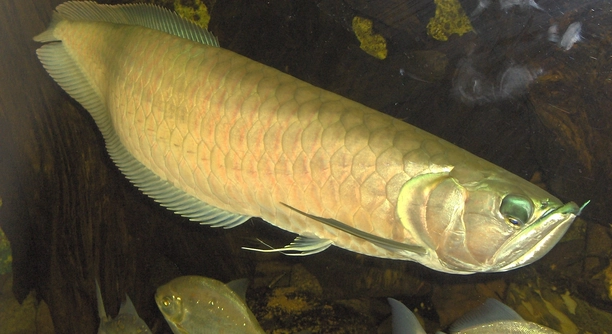
Owning an arowana can be a rewarding experience, but sometimes these elegant fish may seem restless or unfocused in their tank. Understanding what might be distracting them is important for their well-being and environment.
Several factors can contribute to an arowana’s distraction, including excessive noise, improper lighting, poor water quality, overcrowded tanks, lack of hiding spots, incompatible tank mates, and irregular feeding schedules. Each of these elements can significantly affect the fish’s behavior and health.
Addressing these factors can help create a calmer environment for your arowana and improve its overall activity and comfort in the tank.
Excessive Noise in the Tank Environment
Arowanas are sensitive to their surroundings, and loud or constant noises can easily make them anxious. Household appliances, music, or frequent tapping on the glass can disrupt their calm and natural behavior. Even vibrations from nearby construction or heavy foot traffic may be enough to stress them. Over time, this stress can cause the fish to swim erratically or hide excessively. Creating a quieter, stable environment is key to maintaining their focus and health. Soft background sounds or low vibrations are usually acceptable, but sudden loud noises should be minimized. Adjusting the tank location away from high-traffic areas or heavy equipment can significantly reduce disturbances. Providing a stable environment allows your arowana to exhibit more natural and relaxed behavior, improving both its mood and physical condition.
Reducing noise in the tank area helps the fish feel secure and more comfortable in its habitat.
Arowanas thrive in calm settings where sudden movements or loud sounds are limited. Ensuring minimal noise exposure promotes regular feeding habits and prevents stress-related health issues. Using a sturdy tank stand and placing the aquarium on a low-traffic surface reduces vibrations. Softly playing ambient sounds can sometimes mimic natural water environments without causing agitation. Observing your arowana’s reactions to different noise levels helps in understanding its tolerance and adjusting the environment accordingly. Consistent quiet periods are essential, especially during feeding or resting times, so the fish can maintain a predictable routine. Over time, these small adjustments make a noticeable difference in behavior, allowing the arowana to interact more naturally with its tank environment.
Improper Lighting
Too much or too little light can affect an arowana’s focus and comfort. Bright lights may stress them, while dim lighting can limit their activity.
Balancing natural and artificial light helps maintain normal behavior and overall health.
Arowanas need a lighting schedule that simulates a natural day-night cycle. Overexposure to intense light can lead to constant hiding, rapid swimming, or color fading. Conversely, insufficient light can reduce their appetite and cause lethargy. Using adjustable LED lights or placing the tank near a window with indirect sunlight can provide adequate illumination without overwhelming the fish. Monitoring your arowana’s reactions to changes in light intensity allows you to make informed adjustments. Consistent lighting also supports tank plants and contributes to a healthier ecosystem. Light plays a critical role in their internal rhythm, so maintaining a stable and appropriate schedule helps your arowana remain active and alert. Regularly observing their behavior and adjusting lighting ensures both comfort and visual appeal within the tank.
Poor Water Quality
Dirty or unbalanced water can quickly distract and stress an arowana. Ammonia, nitrite, and nitrate levels need regular monitoring. Untreated water may cause sluggish behavior, loss of appetite, or frequent hiding.
Maintaining clean water is essential for an arowana’s focus and health. Regular water changes, testing chemical levels, and using a reliable filtration system prevent harmful buildup. Tap water should be treated to remove chlorine and other chemicals. Monitoring pH and hardness ensures a stable environment. Stress from poor water conditions can weaken the immune system, making the fish more susceptible to illness. Arowanas are particularly sensitive to sudden changes, so gradual adjustments are better than abrupt corrections. Consistency in water maintenance helps the fish remain active, alert, and comfortable in its tank.
Proper water circulation and oxygenation also influence behavior. Stagnant areas or uneven flow can make an arowana avoid certain parts of the tank, limiting exercise and natural movement. Adding aeration or adjusting filter output ensures the fish has access to well-oxygenated water throughout the tank. Combining these methods with regular water testing creates a stable environment where distractions caused by poor water quality are minimized, allowing the arowana to focus on natural behaviors like swimming, hunting for food, and interacting with its environment more confidently.
Overcrowded Tanks
Too many fish in the same tank can overwhelm an arowana. Competition for space and food often causes stress and erratic behavior.
Overcrowding disrupts swimming patterns and territorial instincts. Arowanas require ample space to move freely. Limited space may lead to aggression, injury, or hiding. Adequate tank size and compatible tank mates reduce conflict. Monitoring interactions ensures less dominant fish are not constantly stressed.
Arowanas are territorial by nature and need clear swimming areas. When multiple fish share the tank without proper space, they may chase or nip at each other. This constant activity distracts them from normal behaviors like feeding or resting. Dividers, larger tanks, or reducing the number of fish can help create a calmer environment. Maintaining a balanced population promotes healthier interactions and allows the arowana to display natural movement and social behavior. Proper planning of tank size and stocking levels is critical to ensuring your arowana remains active, confident, and unstressed.
Lack of Hiding Spots
Arowanas feel exposed without places to hide. Open tanks can make them nervous and easily distracted. Providing caves, plants, or driftwood gives a sense of security.
Hiding spots reduce stress and encourage natural behavior. Fish with safe areas swim more confidently and display regular feeding habits.
Incompatible Tank Mates
Arowanas can become stressed when housed with aggressive or overly active fish. Conflicts over territory or food may lead to constant vigilance, leaving them distracted. Choosing peaceful, similarly sized species helps maintain harmony and prevents erratic or defensive behavior.
Irregular Feeding Schedules
Inconsistent feeding can unsettle an arowana. Predictable times and portion sizes encourage focused behavior and support healthy growth.
Overly Bright Decorations
Highly reflective or flashy tank decorations may divert attention. Subtle, natural décor helps the arowana remain calm and attentive in its environment.
What should I do if my arowana seems constantly distracted?
If your arowana appears restless or unfocused, start by reviewing its environment. Check for excessive noise, poor water quality, or overcrowding. Ensure lighting is appropriate and that the fish has hiding spots. Gradual adjustments to feeding schedules and tank setup can reduce stress. Observing its daily routine helps identify triggers. Small changes, like moving the tank away from busy areas or adding decorations for security, often make a noticeable difference in behavior. Consistency in care and environment is key to helping the arowana regain focus and show normal activity.
How often should I check water quality for my arowana?
Water quality should be monitored at least once a week. Test for ammonia, nitrite, nitrate, pH, and hardness. Regular checks prevent harmful buildup that distracts or stresses your fish. Minor changes can be adjusted immediately, while larger problems may require partial water changes or filtration improvements. Maintaining stable conditions keeps your arowana healthy, active, and calm. Observing the fish for signs like gasping, hiding, or unusual swimming can also indicate water issues before chemical tests reveal them.
Can tank mates affect my arowana’s behavior?
Yes, tank mates play a significant role. Aggressive or highly active fish can make an arowana nervous and distracted. Select peaceful, similarly sized species that won’t compete for territory or food. Monitor interactions closely and separate fish if conflicts arise. Properly chosen companions support a calmer, more focused environment. Over time, harmonious tank mates allow your arowana to display natural swimming patterns and feeding habits without constant stress or distraction.
How does lighting impact my arowana’s focus?
Lighting directly affects an arowana’s activity and comfort. Too bright lights can cause stress, while dim or inconsistent lighting may reduce activity and appetite. A balanced day-night cycle with soft natural or adjustable LED lighting works best. Observe your fish’s reaction to light changes to find a comfortable level. Stable lighting supports regular behavior, helps regulate internal rhythms, and enhances overall tank appearance without overwhelming the fish.
Are decorations important for an arowana’s focus?
Yes, decorations influence arowana behavior. Providing hiding spots, plants, or driftwood gives security, reducing stress and distraction. Avoid overly reflective or flashy items that can divert attention or cause nervous swimming. Natural, subtle décor creates a more comfortable environment where the fish can swim freely, feed properly, and interact calmly with tank mates. Decorations also help break up empty space, allowing your arowana to feel protected without feeling confined.
What is the best way to manage feeding schedules?
Regular, consistent feeding helps an arowana stay focused and reduces stress. Feed at the same times each day and provide appropriate portions. Avoid overfeeding, which can lead to water quality issues and sluggish behavior. Monitor appetite and adjust based on activity levels. Predictable feeding routines support healthy growth, maintain energy levels, and allow the fish to anticipate food without becoming anxious or distracted. Over time, this consistency encourages natural hunting and feeding behavior within the tank.
How can I tell if my arowana is stressed or distracted?
Signs include erratic swimming, hiding frequently, reduced appetite, or unusual aggression. Stress may also appear as color fading or resting at the bottom of the tank. Observing patterns over days or weeks helps identify triggers. Environmental adjustments, proper tank mates, and stable water conditions often resolve these behaviors. Paying attention to subtle changes ensures your arowana remains healthy and focused.
Are there long-term effects if distractions are not addressed?
Yes, ongoing stress can weaken the immune system, stunt growth, and increase susceptibility to disease. Behavioral issues may become persistent, including constant hiding, aggression, or disinterest in food. Addressing distractions early helps maintain physical health and mental well-being, ensuring a calmer, more attentive arowana that thrives in its environment. Regular monitoring and preventive care are essential for long-term stability.
Can I use plants to improve my arowana’s focus?
Live or artificial plants provide hiding spots and reduce open space stress. They break up visual monotony, create comfort, and allow for more natural swimming patterns. Plants should not overcrowd the tank but offer a mix of open swimming areas and sheltered spots. Proper placement enhances security without limiting movement. Over time, plants contribute to a balanced and less distracting environment, supporting calm and natural behavior.
Is tank size critical for arowana focus?
Absolutely. Arowanas need ample swimming space to remain active and reduce stress. Overcrowded or small tanks limit movement, increase territorial disputes, and cause distraction. A properly sized tank allows natural behaviors, calmer interactions, and a healthier routine. Ensuring enough space, along with compatible tank mates and adequate décor, is essential for maintaining attention and well-being in the fish.
Final Thoughts
Caring for an arowana requires attention to both its physical and environmental needs. This fish is naturally sensitive and can become easily distracted by elements in its tank that seem minor but have a significant impact. Excessive noise, improper lighting, poor water quality, overcrowding, lack of hiding spots, incompatible tank mates, and irregular feeding routines all contribute to stress or restless behavior. Each factor affects how the fish moves, eats, and interacts with its surroundings. By addressing these elements individually, you create a stable and comfortable environment where the arowana can behave naturally and maintain good health. Simple adjustments, like ensuring clean water, providing hiding spaces, or placing the tank in a quieter area, often make a visible difference in its focus and activity. Consistency and observation are key. Watching the fish’s behavior over time helps identify which changes are effective and which may need further adjustment.
Regular maintenance is another essential component of ensuring your arowana remains attentive and calm. Cleaning the tank, testing water parameters, and performing partial water changes prevent toxic buildup and reduce stress. Lighting should be balanced to simulate a natural day-night cycle, while decorations and plants can provide security and reduce nervousness caused by open or overly reflective spaces. Feeding schedules should be consistent, with appropriate portion sizes to encourage healthy appetite and predictable routines. Tank mates must be chosen carefully to prevent aggression or excessive competition, which can distract and unsettle your arowana. Each of these steps may seem small on its own, but combined, they create an environment that supports both mental and physical well-being. Attention to detail in these areas prevents long-term problems like illness, stunted growth, or chronic stress, which can have lasting effects on the fish’s quality of life.
Ultimately, the key to maintaining a focused and comfortable arowana is understanding its natural tendencies and responding to its needs. A calm, organized, and thoughtfully arranged tank allows the fish to express natural behaviors like swimming freely, exploring its environment, and feeding without distraction. Being attentive to the fish’s reactions to changes in its environment also helps prevent stress before it becomes a problem. Patience, consistency, and observation are essential, as arowanas often respond gradually to improvements in their surroundings. Providing clean water, balanced lighting, proper tank mates, and safe spaces will encourage healthy and focused behavior. Creating this supportive environment not only improves the arowana’s daily life but also strengthens the bond between the fish and its caretaker, allowing for a more rewarding and stable experience in maintaining a thriving aquarium.

Hello,
If you enjoy the content that we create, please consider saying a "Thank You!" by leaving a tip.
Every little bit helps us continue crafting quality advice that supports the health, happiness, and well-being of pets around the world, for pets of all shapes, sizes, and species.
We really appreciate the kindness and support that you show us!