
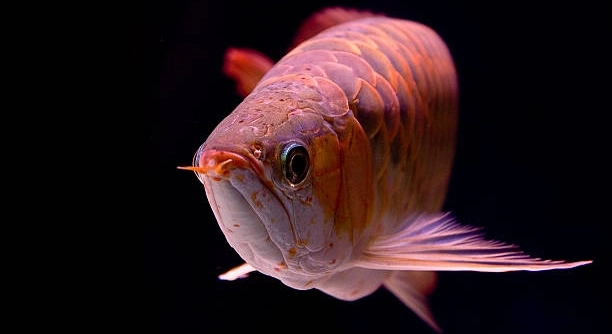
Arowanas are fascinating fish that often display unique behaviors in their tanks. Observing them can be rewarding, especially when they seem to prefer certain areas over others for resting or swimming quietly. Their choices are rarely random.
Arowanas typically select favorite spots based on safety, water flow, and comfort. Locations near stable structures, moderate currents, and consistent lighting tend to attract them, as these conditions mimic natural habitats and reduce stress, encouraging repeated use of specific areas.
Learning what influences these preferences helps owners create a more comfortable environment. Small adjustments in tank setup can make a noticeable difference in their daily behavior.
Factors That Influence Favorite Spots
Arowanas tend to choose areas in their tank that feel secure and comfortable. They often gravitate toward spots near plants, decorations, or corners where they can hide if needed. Water flow is another key factor; arowanas prefer gentle currents that allow them to swim without excessive effort. Lighting also plays a role, as these fish often favor areas with consistent, moderate illumination rather than harsh bright spots. Temperature stability is important too, since sudden fluctuations can make them move frequently, avoiding stressful zones. Their choices are subtle but meaningful, showing how they adapt to their surroundings. Observing these behaviors can provide insight into what makes your arowana feel safe. Adjusting tank elements like positioning plants, adding soft hiding spots, or regulating flow can significantly impact their comfort. Over time, repeated observation helps owners understand which areas the arowana consistently prefers and why, allowing for a more harmonious tank environment.
Spot placement often aligns with comfort, safety, and consistent conditions that reduce stress for the fish.
Creating a tank layout that supports these preferences encourages the arowana to establish a routine. Using stable decorations, controlling light intensity, and maintaining proper water flow can enhance their experience. Over time, this attention to detail strengthens the fish’s sense of security, encouraging it to settle in its favorite locations.
Observing Patterns in Behavior
Watching your arowana daily reveals patterns in how it uses its space.
Noting the times and conditions when it occupies certain areas helps identify preferences. These patterns can indicate comfort levels, interactions with other tank inhabitants, or reactions to changes in lighting and water flow. By keeping track of these behaviors, owners can adjust the environment to better match the fish’s natural inclinations. For example, if the arowana consistently avoids a corner with strong current, reducing flow there may encourage exploration. Similarly, adding visual barriers or soft surfaces to areas it favors can reinforce a sense of security. Understanding these behavioral cues allows for proactive adjustments, helping the fish feel more at ease and reducing stress-related activity. Observing patterns not only improves daily care but also fosters a deeper appreciation for the subtle ways arowanas interact with their environment. This knowledge is useful for maintaining long-term health and ensuring the tank setup supports natural behavior and comfort.
Environmental Comfort
Arowanas are sensitive to their surroundings. They prefer calm areas with stable water temperature and gentle flow, avoiding zones with sudden disturbances. Proper lighting and secure hiding spots make certain areas more appealing, influencing where they spend most of their time.
Maintaining consistent water quality and temperature is crucial for arowanas. Areas with fluctuating conditions or strong currents often remain unused. Soft decorations or driftwood provide a sense of security, encouraging the fish to settle in these spots. Over time, arowanas learn which parts of the tank feel safe and will return to them regularly. Observing these choices can help owners fine-tune tank setup to meet their fish’s comfort needs, ensuring a balanced and stress-free environment that supports natural behavior and overall health.
Water flow, temperature, and secure hiding spots work together to define arowanas’ preferred locations. Owners can adjust tank elements to encourage activity in certain zones. Gradual changes, like repositioning décor or modifying light intensity, help the fish adapt without stress. By carefully monitoring their behavior, it’s possible to create areas that consistently attract the arowana, supporting both physical well-being and natural instincts. The repeated use of these spots reflects the fish’s comfort level and how well the environment meets its needs, showing that small adjustments can have a noticeable impact.
Social and Territorial Influences
Arowanas can be influenced by other fish in the tank. They often choose areas that provide distance from potential rivals or aggressive species, preferring locations that allow easy monitoring of surroundings without confrontation.
Territorial instincts affect where arowana settles. In a community tank, they may claim corners or spaces near sturdy decorations as personal territory, returning consistently. Interaction with other fish, whether passive or aggressive, shapes movement patterns. Social stress can drive the fish toward quieter regions, while familiar companions may allow more open swimming. Placement of decorations or visual barriers can reduce conflict, giving the arowana control over its space. Understanding these social dynamics allows for better tank management and can prevent unnecessary stress, ensuring the fish maintains healthy behavior and predictable routines in a shared environment.
Lighting and Visibility
Arowanas prefer areas with moderate lighting, avoiding overly bright or dim spots. Balanced illumination helps them feel secure while swimming and observing their surroundings. Certain angles or shaded corners can quickly become favorites for resting or slow exploration.
Clear water enhances visibility and comfort. Arowanas tend to pick spots where they can see potential threats and other tank inhabitants, which reduces stress and supports natural behavior.
Feeding and Activity Areas
Favorite spots are often near feeding zones. Arowanas learn where food is usually offered and may spend time nearby even when not eating. These areas combine safety, accessibility, and opportunity, making them attractive for regular visits.
Influence of Tank Decorations
Decorations like driftwood, rocks, and plants help define preferred areas. They provide shelter, visual barriers, and resting spots, shaping the fish’s movement and creating a sense of security. Regular use of these areas shows the arowana’s comfort and familiarity with its environment.
FAQ
Why does my arowana stick to one corner of the tank?
Arowanas often choose corners that feel secure. These spots provide a sense of safety and allow them to observe the tank without feeling exposed. Stable water conditions, moderate lighting, and nearby decorations make these areas comfortable, which encourages repeated visits.
Can lighting affect my arowana’s preferred spots?
Yes. Arowanas are sensitive to light intensity. Harsh or uneven lighting can push them to shaded or softly lit corners. Consistent, moderate lighting helps them feel comfortable while swimming and resting. Adjusting light placement can influence which areas they favor.
Do other fish affect where my arowana spends time?
Absolutely. Arowanas are territorial and will avoid aggressive or overly active tankmates. They often settle in areas with fewer disturbances. Providing visual barriers, extra space, and quiet corners reduces stress and encourages predictable use of favored spots.
How important is water flow in choosing a spot?
Water flow plays a big role. Arowanas prefer gentle currents that make swimming effortless. Strong or uneven flow areas are often avoided. Ensuring a balanced water circulation helps them move comfortably while maintaining their chosen resting zones.
Does temperature influence their location choices?
Yes, very much. Arowanas seek areas with stable temperatures. Sudden fluctuations can cause them to move repeatedly. Keeping water consistently within the recommended range creates reliable zones they will regularly use.
Do decorations really make a difference?
They do. Driftwood, plants, and rocks provide shelter and visual security. These elements define territories and preferred spots. The fish feels safe near stable structures and tends to return to these areas regularly, demonstrating comfort and familiarity.
Can food locations affect their favorite spots?
Yes. Arowanas quickly associate feeding areas with rewards. They often spend time near these zones, even outside feeding times. Placement of food and observation of feeding behavior can help reinforce certain areas as safe and attractive spots.
Will changing the tank layout confuse my arowana?
Significant changes can be stressful. Arowanas rely on familiar landmarks for orientation. Gradual adjustments, like moving a decoration slightly at a time, allow the fish to adapt without losing preferred zones or feeling insecure.
Is behavior different between young and adult arowanas?
Yes. Younger arowanas may explore more and have less defined favorite spots. Adults tend to settle into consistent areas, influenced by comfort, safety, and territory. Observing their behavior over time helps owners understand these developmental differences.
How can I encourage my arowana to use more of the tank?
Create multiple comfortable zones with moderate lighting, gentle flow, and secure hiding spots. Introduce decorations that divide space naturally and provide visual barriers. Feeding in different areas can also encourage movement and exploration, helping the fish feel safe while expanding its activity range.
Does stress affect their location choices?
Definitely. Stress from aggressive tankmates, poor water quality, or sudden disturbances pushes arowanas to hide or remain in safer corners. Maintaining a calm, stable environment reduces stress, allowing the fish to explore and settle comfortably in favored spots.
Are some behaviors signs of illness rather than preference?
Yes. Excessive hiding, lethargy, or constant swimming in one corner can indicate health issues. While favorite spots are normal, sudden changes in behavior should prompt checking water quality, diet, and overall fish health to ensure the environment supports well-being.
Can observing spot preferences help with tank management?
Absolutely. Monitoring where your arowana spends time provides insight into comfort, territorial behavior, and environmental needs. Adjusting light, flow, temperature, and decoration placement based on these observations improves overall tank conditions and supports natural behavior patterns.
Do arowanas ever change their favorite spots permanently?
Yes, changes in tank layout, social dynamics, or water conditions can shift preferences. Gradual changes and stable conditions minimize stress, but some adaptation is natural. Understanding these factors helps owners support their fish while respecting its choices.
How long does it take for an arowana to settle in a spot?
It varies. Some fish quickly adopt favorite areas within days, while others take weeks, depending on tank conditions and personality. Consistent environment, low stress, and proper layout encourage quicker settling and long-term comfort in chosen spots.
Can arowanas have multiple favorite spots?
Yes. Some may rotate between several comfortable zones depending on lighting, feeding, or interaction with other fish. Providing multiple safe areas allows flexibility and supports natural movement, ensuring the fish feels secure throughout the tank.
What role does water clarity play in spot preference?
Clear water improves visibility and comfort. Arowanas feel safer when they can see their surroundings, reducing stress. Dirty or cloudy water may push them to less visible corners or limit their movement, highlighting the importance of regular tank maintenance.
Do seasonal changes affect where they like to stay?
Minorly. Temperature fluctuations or changes in daylight can influence preferred spots, though stable indoor conditions often minimize these effects. Owners should monitor consistency in water conditions and lighting to ensure comfort throughout the year.
How can I tell if a spot is truly preferred or just temporary?
Observe repeated use over time. True favorite spots are visited consistently under normal conditions, even when the fish is not feeding or disturbed. Temporary use may indicate curiosity, stress, or response to a recent change in the tank setup.
Are there signs my arowana is unhappy with its chosen spot?
Yes. Constant pacing, hiding excessively, or erratic swimming suggests discomfort. Checking water quality, flow, and lighting, along with reviewing tankmates and decoration placement, can help address issues and encourage the fish to return to a comfortable, secure area.
Can monitoring spot preferences help with breeding or health issues?
Monitoring behavior and location choice provides insight into stress, comfort, and territorial tendencies. This information can help manage tank conditions to support breeding readiness or identify early signs of illness, allowing timely adjustments for the fish’s well-being and overall health.
Do arowanas ever fight over favorite spots?
In tanks with multiple arowanas or aggressive species, disputes can occur. Observing social behavior and providing multiple safe zones helps reduce conflict. Visual barriers and adequate spacing allow each fish to claim territory without constant confrontation, supporting a calmer environment and reducing stress.
Can I use spot preference to enrich the tank environment?
Yes. Understanding favored zones allows owners to place enrichment items, such as floating plants or interactive decorations, in these areas. This encourages activity, exploration, and mental stimulation while respecting the fish’s natural comfort choices.
How do I track spot preferences effectively?
Keep a simple log noting where your arowana spends time at different points of the day. Record behavior around feeding, lighting changes, and interactions with other fish. Over time, patterns emerge, helping fine-tune tank setup and ensuring consistent comfort and satisfaction.
What is the impact of overfeeding on favorite spots?
Overfeeding can change behavior, leading arowanas to linger near feeding areas more than usual. Maintaining a consistent feeding schedule prevents the fish from associating a specific spot only with food, helping maintain a balanced use of its preferred zones.
Do preferred spots differ between species of arowana?
Yes. While all arowanas share general preferences for safety, moderate flow, and stable conditions, different species may have subtle variations in behavior, territoriality, and light sensitivity. Knowing your species’ natural tendencies helps create an environment that matches their specific needs.
How long should I observe before making changes to favored areas?
Observe consistently for at least a couple of weeks under normal conditions. This period allows patterns to emerge, showing true preferences versus temporary curiosity or stress responses. Gradual adjustments based on careful observation support comfort and minimize stress.
Can tank size influence favorite spots?
Yes. In smaller tanks, limited space can force the arowana to share zones with less comfort, while larger tanks allow multiple secure areas. Understanding space requirements and providing adequate hiding spots ensures each preferred location meets the fish’s needs without overcrowding.
Do preferred spots indicate happiness or stress?
Repeated use of comfortable, secure zones generally indicates satisfaction and a sense of safety. Avoidance of areas, erratic swimming, or over-hiding signals stress or discomfort. Observing patterns helps owners distinguish between contentment and potential issues, guiding tank management effectively.
Can lighting, flow, and decorations be combined to optimize preferred spots?
Yes. Combining soft lighting, gentle currents, and stable decorations creates ideal areas that attract and retain arowanas. These adjustments support natural behavior, encourage exploration, and provide secure resting zones, enhancing overall well-being and enjoyment of the tank.
What is the best way to introduce new favorite spots?
Introduce decorations or subtle changes gradually. New hiding spots, soft surfaces, or adjusted flow should be added step by step, allowing the fish to explore and adopt them comfortably. Sudden changes may cause stress and discourage use of the new areas.
Are there signs my arowana dislikes a spot?
Yes. Avoidance, quick swimming past, or staying in other areas consistently indicates dislike. Checking lighting, flow, and nearby tankmates can help determine what makes the area uncomfortable and allow adjustments to encourage safe, preferred use.
Do arowanas change spots at different times of the day?
Yes. Some rotate between zones depending on feeding, light levels, and activity of other fish. Providing multiple comfortable areas ensures the fish has options and maintains comfort throughout daily routines.
How can I make a new area attractive for my arowana?
Replicate conditions of current favorites: moderate lighting, gentle flow, stable temperature, and secure hiding spots. Introducing familiar decorations or soft surfaces encourages exploration and adoption of the new area without causing stress.
Is it normal for arowanas to guard certain spots?
Yes. Territorial behavior can lead to guarding favorite corners or near feeding zones. Providing multiple areas and visual barriers helps reduce conflict, allowing the fish to claim space comfortably while maintaining security and predictable routines.
How does observing spot preference improve care?
Tracking preferred areas highlights comfort, stress, and social dynamics. Adjusting flow, lighting, and tank layout based on observations supports natural behavior, reduces stress, and ensures a healthy, secure environment for the arowana. It also helps owners anticipate needs and respond proactively to changes.
Can seasonal lighting adjustments change favorite spots?
Minor changes can affect preference, as light intensity and duration influence comfort and activity. Maintaining consistent indoor lighting reduces sudden shifts, helping the fish retain favorite zones while supporting predictable daily behavior patterns.
Do arowanas need multiple favorite spots for enrichment?
Yes. Multiple secure areas encourage movement, exploration, and mental stimulation. Variety helps prevent boredom, reduces stress, and allows the fish to rotate between zones, balancing activity and rest while maintaining overall comfort and well-being.
How long does it take for a new favorite spot to be established?
It varies, but usually days to weeks. Gradual introduction of secure conditions and positive reinforcement through feeding or gentle flow encourages adoption. Patience is key, as sudden changes may delay comfort and discourage use of the new area.
Is it necessary to replicate natural habitat to create favorite spots?
Replicating key aspects—such as gentle currents, moderate lighting, and shelter—supports natural instincts and comfort. Exact replication is unnecessary, but mimicking these elements helps arowanas feel secure, increasing consistent use of preferred spots and supporting natural behaviors.
Can observation of spots predict overall happiness?
Yes. Consistent use of comfortable, secure areas indicates contentment. Erratic or avoidance behaviors signal stress. Tracking patterns gives owners insight into well-being and helps maintain a tank environment that supports both security and natural activity.
Do spot preferences affect breeding behavior?
Indirectly. Secure, comfortable areas reduce stress, which is essential for breeding readiness. Preferred spots near calm zones can provide a safe space, promoting natural interactions and improving chances of successful mating in appropriate conditions.
How often should I check spot preferences?
Daily observation for a few minutes is sufficient. Note any changes in behavior, location, or interaction with tankmates. This routine helps detect stress, comfort shifts, or environmental issues early, ensuring the fish remains healthy and content.
Are certain tank shapes better for establishing favorite spots?
Long, spacious tanks with corners, hiding areas, and gentle flow patterns support clear favorite zones. Narrow or irregular tanks may limit options, forcing the fish to adapt or tolerate less preferred areas, which can increase stress. Proper layout maximizes comfort and predictable use of preferred spots.
Do favorite spots indicate personality traits?
Yes. Bold arowanas may explore more and claim central zones, while shy individuals favor corners or sheltered areas. Spot selection provides insight into temperament, territorial behavior, and social comfort within the tank environment.
Can water chemistry changes affect preferred spots?
Yes. Sudden pH, hardness, or chemical fluctuations can cause avoidance or erratic swimming. Maintaining stable water chemistry ensures chosen areas remain comfortable and reduces stress, supporting consistent use of favorite zones.
Are spot preferences consistent across tank setups?
Generally, yes, if environmental conditions are similar. Comfort, flow, lighting, and shelter drive selection. However, changes in tank layout, social dynamics, or water conditions can shift preferences. Observing behavior helps owners adapt and maintain a supportive environment.
Does feeding frequency change how spots are used?
Yes. Irregular feeding can cause fish to linger near feeding areas or explore new zones in search of food. Consistent schedules help maintain balanced use of favorite spots, ensuring comfort without over-association with food.
Can spot preference help detect early illness?
Definitely. Sudden avoidance, excessive hiding, or unusual location choices may indicate health issues. Monitoring these behaviors allows early intervention, helping maintain arowana health and preventing stress from unsafe environmental conditions.
Do juvenile arowanas have different spot habits than adults?
Yes. Juveniles often explore more and may shift frequently, while adults establish consistent favorite areas. Understanding developmental changes helps owners accommodate growth and changing needs in tank layout and comfort zones.
Can environmental enrichment influence preferred spots?
Yes. Adding plants, decorations, or mild currents can make certain areas more appealing. Gradual introduction ensures the fish explores without stress, creating multiple favored zones for comfort, activity, and mental stimulation.
Are there behavioral signs a spot is unsafe?
Yes. Rapid swimming past, flaring, or frequent escapes indicate discomfort. Adjusting flow, lighting, or removing disturbances helps ensure the area becomes safe and usable.
Do arowanas prefer elevated or lower spots?
They often favor mid to upper levels for visibility and monitoring surroundings. Lower areas may be used for resting if adequately sheltered. Tank design should consider vertical space to support natural habits and preferred zones.
Can observing favorite spots reduce tank stress overall?
Yes. Understanding preferred areas allows owners to create secure, comfortable zones. This reduces competition, stress, and erratic behavior, leading to a calmer, healthier environment that supports natural routines and predictable fish activity.
Does tank decoration density affect spot choice?
Yes. Dense areas may provide shelter but limit swimming space. Sparse decoration may reduce security. Balanced placement ensures both comfort and mobility, encouraging consistent use of favored zones.
Can seasonal temperature changes shift spots?
Minorly. Gradual indoor temperature changes may cause slight adjustments, but stable conditions maintain consistency. Observing behavior helps owners address minor fluctuations to ensure preferred areas remain comfortable.
Is it normal for arowanas to guard feeding spots?
Yes. Territorial instincts can cause guarding behavior. Multiple feeding locations and visual barriers help distribute activity, reduce stress, and maintain comfort for all fish in the tank.
Can water filtration patterns influence favorite spots?
Yes. Areas with turbulent outflow may be avoided, while gentle, even circulation attracts use. Placement of filter outputs should consider flow comfort and avoid discouraging use of preferred zones.
Do arowanas ever share spots willingly?
Occasionally, if space is sufficient and stress is low. Visual barriers and multiple zones allow peaceful sharing without conflict. Observing interactions ensures compatibility and supports natural behavior.
How do spot preferences change with tank size?
Larger tanks allow multiple secure zones and reduce territorial stress. Smaller tanks may limit options, forcing compromise and influencing where the fish spends time. Observing behavior ensures comfort regardless of tank size.
Can lighting color affect spot choice?
Yes. Softer, natural tones are often preferred over bright, artificial colors. Adjusting light to mimic natural conditions encourages use of comfortable areas and reduces stress-related avoidance.
How do tank maintenance routines affect spot preference?
Frequent disturbances during cleaning can temporarily change spot use. Gradual maintenance and predictable schedules reduce stress, helping the fish return to preferred areas quickly and maintain consistent behavior.
Can seasonal feeding changes impact spot use?
Yes. Altered feeding routines may shift focus toward new areas or increase time near food sources. Consistent schedules and placement maintain balance between activity and comfort, supporting predictable use of favorite spots.
Are there differences between male and female arowanas?
Slightly. Males may be more territorial and claim prime spots, while females often select secure areas with shelter. Observing gender-based tendencies helps optimize tank layout for comfort and reduced conflict.
Do sudden noise or vibrations change spot preference?
Yes. Loud or frequent disturbances can push arowanas to hide or avoid certain zones. Minimizing vibrations and maintaining calm conditions help preserve established favorite spots and reduce stress.
Can observing spot use guide tank redesigns?
Absolutely. Patterns reveal which areas are favored, underused, or avoided. Adjusting layout based on these insights improves comfort, encourages exploration, and supports natural behavior while preventing stress or conflict.
Is it normal for arowanas to switch favorite spots temporarily?
Yes. Temporary changes may occur due to feeding, flow changes, or interaction with other fish. Consistent use over time indicates true preference, while temporary shifts are normal behavioral adjustments.
How important is consistency in water parameters for spot preference?
Very important. Stable temperature, pH, and hardness allow arowanas to settle comfortably. Fluctuations can cause avoidance and stress, highlighting the need for regular monitoring and adjustments.
Do seasonal light cycles influence movement patterns?
Minorly. Gradual changes in light duration or intensity can affect activity and zone choice. Maintaining consistent indoor lighting supports comfort and helps preserve preferred areas.
Can tankmate behavior alter spot preference?
Yes. Aggressive or active tankmates may push arowanas to quieter zones. Observing interactions allows owners to adjust spacing, decorations, or hiding areas to reduce stress and support comfort.
How do I know if a spot is favored long-term?
Long-term favored spots are used consistently under normal conditions. Tracking repeated visits, resting behavior, and interaction with other fish over weeks indicates true preference rather than temporary use.
Can spot preference indicate stress recovery?
Yes. A return to previous favorite zones after changes in environment or social dynamics shows comfort and reduced stress, indicating adaptation and well-being.
How do I create multiple favorite spots effectively?
Combine soft lighting, gentle flow, decorations, and secure corners. Gradual introduction and consistent conditions allow the fish to explore and adopt multiple zones without
Final Thoughts
Arowanas are fascinating fish, and their behavior around the tank can tell you a lot about their comfort and well-being. One of the most noticeable patterns is their preference for specific spots. These favorite areas are not random but are influenced by several key factors. Safety is a top priority for them. Arowanas naturally seek spaces where they can observe their surroundings without feeling exposed to threats. Corners, areas near stable decorations, and places with moderate lighting often become their go-to zones. Providing these kinds of spaces in your tank helps your fish feel secure and reduces stress, which is important for their overall health. Observing where your arowana spends time can help you understand what makes it feel comfortable and happy.
Environmental conditions like water flow, temperature, and lighting also play a significant role in shaping spot preferences. Arowanas tend to avoid areas with strong currents or sudden temperature fluctuations, preferring gentle water movement and stable warmth. Light intensity can make certain zones more or less appealing. Bright lights may push the fish toward shaded corners, while evenly lit spaces often become resting areas. Tank decorations, such as driftwood, plants, and rocks, add another layer of comfort. They provide shelter, visual barriers, and a sense of security that encourages repeated use of specific spots. Even the placement of feeding areas can influence behavior, as arowanas learn to associate certain zones with food, making them more likely to spend time nearby. Paying attention to these factors allows you to create a tank that supports natural behavior and enhances your fish’s quality of life.
Social and territorial factors are just as important as environmental ones. Arowanas can be sensitive to the presence of other fish, especially aggressive or overly active species. They often choose areas where they can maintain personal space and feel in control of their territory. Multiple comfortable zones, visual barriers, and careful placement of decorations help reduce conflict and stress. Observing your fish over time helps you notice patterns in behavior, such as where it hides, rests, or patrols. These patterns provide insight into both personality and comfort levels. By understanding these preferences and making small, thoughtful adjustments to the tank layout, you can create a stable and enriching environment. This attention to detail not only supports your arowana’s well-being but also allows you to enjoy watching it interact naturally with its surroundings. Over time, maintaining consistent conditions, monitoring behavior, and responding to changes thoughtfully can lead to a healthier, calmer, and more confident fish that thrives in its favorite spots.

Hello,
If you enjoy the content that we create, please consider saying a "Thank You!" by leaving a tip.
Every little bit helps us continue crafting quality advice that supports the health, happiness, and well-being of pets around the world, for pets of all shapes, sizes, and species.
We really appreciate the kindness and support that you show us!