
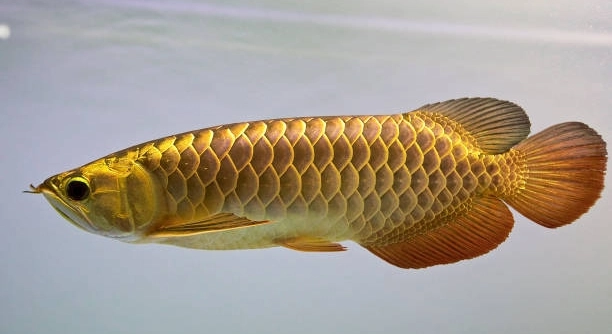
Are your fish tank decorations starting to feel outdated or your aquatic environment a little dull? Small changes in your tank can completely transform the look and feel, making it more enjoyable for both you and your fish.
Upgrading your tank does not require a complete overhaul. Simple improvements such as adding efficient filtration systems, enhanced lighting, nutrient-rich substrates, air-driven ornaments, or carefully chosen plants can significantly improve water quality, visual appeal, and overall aquatic health.
Even minor adjustments can create a more vibrant, balanced, and healthy environment for your aquatic pets to thrive and look their best.
Upgrading Your Tank Lighting
Proper lighting can make a significant difference in how your aquarium looks and how healthy your fish and plants are. LED lights are energy-efficient, produce less heat, and provide brighter illumination compared to standard bulbs. Adjustable LEDs allow you to simulate natural day and night cycles, helping fish feel more comfortable and encouraging plant growth. Colored lights can also highlight the natural colors of your fish, making the tank more visually appealing. Replacing old lighting can be simple, requiring minimal tools and time. A well-lit tank makes maintenance easier by allowing you to spot algae, debris, or signs of stress in your fish quickly. Investing in high-quality lighting is not just about appearance; it directly affects the health of your aquarium’s ecosystem. Proper illumination can reduce plant decay, promote photosynthesis, and improve oxygen levels, contributing to a more balanced and thriving tank environment.
Good lighting enhances both the look and health of your aquarium. Bright, efficient LEDs improve plant growth and fish activity.
Lighting upgrades create an inviting, vibrant tank. Fish display better colors, plants thrive, and daily observation becomes easier. Even a small improvement can drastically enhance the tank’s overall atmosphere, making it more enjoyable to watch and maintain. Properly timed lighting supports natural fish behavior, encourages feeding routines, and reduces stress. Adjusting light intensity or adding timers ensures consistency, preventing sudden shifts that can disturb your aquatic environment. Over time, the right lighting can also minimize algae growth, reducing the need for frequent cleaning. By choosing LED options with adjustable settings, you maintain control over both aesthetics and functionality. Simple changes in lighting can transform an ordinary tank into a captivating, healthy display.
Enhanced Filtration Systems
Filtration is essential for keeping water clean and safe for your fish. Good filters remove debris, reduce toxins, and maintain stable water conditions.
Upgrading to a high-quality filter ensures better water circulation and healthier aquatic life. It prevents the accumulation of waste and harmful chemicals, keeping your tank balanced.
Proper filtration improves water clarity and overall tank health. Mechanical filters trap physical debris, biological filters break down waste, and chemical filters remove impurities. Using a combination system covers all aspects of water quality, reducing stress on fish and promoting longevity. Filters with adjustable flow allow customization for different species, ensuring delicate fish are not disturbed. Regular maintenance of upgraded filters is simpler, with easy-to-clean cartridges or reusable media. Investing in enhanced filtration reduces the risk of disease, algae buildup, and cloudy water, providing a consistently safe environment. Even small tanks benefit from advanced filtration systems, as they stabilize the ecosystem efficiently. Over time, improved filtration decreases the frequency of full water changes, saving both effort and water. A well-filtered aquarium encourages healthy fish behavior, stronger immune systems, and better growth for both plants and animals.
Adding Live Plants
Live plants improve water quality and provide hiding spots for fish. They absorb excess nutrients, reduce algae growth, and create a more natural tank environment that benefits both fish and the overall ecosystem.
Live plants contribute significantly to tank stability. Fast-growing species like hornwort or java moss absorb nitrates efficiently, reducing harmful chemical buildup. Plants release oxygen during the day, supporting fish respiration, and their roots help prevent substrate compaction. Adding a variety of plant types creates depth, texture, and natural behavior opportunities for fish, such as exploring or grazing. Choosing plants suited to your tank’s lighting and water conditions ensures they thrive, minimizing maintenance and replacing dead foliage less frequently. Even a few well-placed plants can dramatically enhance the tank’s appearance and ecological balance.
Plant selection and placement influence both aesthetics and function. Taller plants in the back provide a backdrop, while shorter plants in the front open swimming space. Floating plants offer shade and hiding areas, reducing fish stress. Combining plants with different leaf shapes, sizes, and growth rates adds visual interest and creates microhabitats. Consistent trimming and care prevent overcrowding, keeping plants healthy and encouraging continuous growth. A diverse plant setup reduces nitrate spikes, improves oxygen levels, and offers natural filtration benefits. Over time, plants become a self-sustaining part of the aquarium, contributing to a stable, low-maintenance, and visually pleasing tank that supports fish health and behavior naturally.
Installing an Air Pump
Air pumps increase oxygen levels and improve water circulation. They create bubbles that promote surface movement, ensuring fish have enough oxygen and reducing stagnant areas in the tank.
Using an air pump also helps prevent debris buildup by keeping water moving. Proper circulation supports beneficial bacteria growth in the filter and substrate.
Air pumps enhance the tank’s ecosystem while creating gentle currents that encourage fish activity. They support gas exchange, maintaining oxygen levels and reducing harmful carbon dioxide accumulation. Pumps also provide movement for plants and prevent water from becoming stagnant, which can lead to poor water quality. Adding air stones or diffusers spreads bubbles evenly, increasing circulation efficiency and creating a visually appealing effect. Choosing an appropriate pump size ensures it meets your tank’s volume needs without stressing fish. Regular maintenance prevents clogging and keeps performance consistent. Air pumps are a simple yet effective upgrade that supports a healthier, more dynamic aquatic environment.
Upgrading the Substrate
A nutrient-rich substrate supports plant growth and provides a stable base for decorations. It helps anchor roots and encourages healthy bacterial colonies that maintain water quality and tank balance.
Different substrates serve different purposes. Fine gravel is good for small plants, while sand allows burrowing species to thrive.
Installing a Heater
A reliable heater maintains consistent water temperature, essential for tropical fish health. Stable warmth reduces stress, supports proper digestion, and prevents temperature-related illnesses. Proper placement ensures even heat distribution and avoids cold spots, keeping all tank areas suitable for fish and plants.
Adding Decorations
Decorations offer hiding spots and create a more natural environment. Rocks, caves, and driftwood provide shelter and reduce stress, improving fish behavior and overall tank harmony.
FAQ
How often should I upgrade my tank equipment?
Upgrades depend on tank size, fish species, and equipment quality. Filters and heaters may last several years, but lighting and air pumps might need replacement sooner. Observing fish behavior and water quality helps determine when improvements are necessary.
Can I mix live and artificial plants?
Yes, combining both types can balance aesthetics and maintenance. Live plants improve water quality, while artificial plants require minimal care. Strategically placing them maintains hiding spots and enhances visual appeal without compromising the tank’s health.
Is a stronger filter always better?
Not necessarily. The filter must match the tank size and species needs. Too strong a flow can stress fish, especially smaller or delicate species. Adjustable filters provide better control and maintain a stable environment.
Do air pumps make noise that bothers fish?
Most air pumps are quiet, and gentle bubbling does not disturb fish. Positioning pumps outside the tank or using tubing and diffusers can minimize noise further while maintaining circulation and oxygen levels.
Which lighting is best for tropical tanks?
LED lighting with adjustable intensity is ideal. It supports plant growth, enhances fish colors, and allows simulation of day-night cycles. Timers help maintain consistent light schedules, which reduces stress and promotes healthy behavior.
How can I prevent algae growth after upgrades?
Maintaining a proper balance of light, nutrients, and water changes reduces algae. Introducing fast-growing plants, cleaning decorations regularly, and avoiding overfeeding also help control algae naturally without chemicals.
Do I need to rearrange decorations after upgrades?
Rearranging can improve water flow, create hiding spots, and reduce dead zones. When adding new decorations, consider fish movement and access to plants, ensuring a safe and functional layout.
Will upgrading the substrate affect water chemistry?
Yes, certain substrates release nutrients or alter pH. Research the type of substrate and its impact on water chemistry. Monitor parameters after installation to ensure a stable and healthy environment for fish and plants.
How do I maintain upgraded equipment?
Regular maintenance is essential. Clean filters monthly, check heaters and pumps for proper function, and trim plants as needed. Consistent care prevents malfunctions, ensures efficiency, and extends the life of upgrades.
Can small tanks benefit from these upgrades?
Absolutely. Even small tanks gain from improved lighting, filtration, and air circulation. Enhancements promote stable water conditions, healthier fish, and a visually appealing setup regardless of tank size.
Are there safety concerns with electrical upgrades?
Yes, always use grounded outlets and drip loops for cords. Ensure equipment is designed for aquarium use and follow manufacturer instructions. Proper setup prevents accidents and maintains a safe environment for both fish and tank owners.
How soon will I see results after upgrading?
Visible improvements, such as clearer water, healthier plants, and more active fish, may appear within days to weeks. Some benefits, like plant growth and color enhancement, take longer, requiring consistent maintenance and observation.
Can I install multiple upgrades at once?
Yes, but it’s best to monitor changes gradually. Sudden shifts in temperature, lighting, or water flow can stress fish. Adding one or two improvements at a time allows adjustment and minimizes risk.
Do upgrades reduce the need for frequent water changes?
Enhanced filtration, live plants, and circulation help maintain stable water conditions. While they reduce stress on water quality, regular partial water changes are still necessary to remove waste, prevent toxin buildup, and maintain a healthy tank.
Is it worth investing in high-end equipment?
High-quality equipment often lasts longer, performs better, and requires less frequent maintenance. Investing in reliable brands ensures consistent tank conditions, safer operation, and improved long-term results for both fish and plants.
How do I choose the right heater for my tank?
Match the heater wattage to the tank size, and consider species-specific temperature needs. Submersible heaters offer consistent heating, while adjustable models allow precise control. Placement near circulation points ensures even temperature distribution.
Will fish adapt quickly to upgraded tanks?
Most fish adapt well, especially if changes are gradual. Maintaining familiar hiding spots, water parameters, and feeding routines helps reduce stress during the transition and encourages healthy behavior.
Can upgrades improve breeding conditions?
Yes, upgrades like stable heaters, proper lighting, and plants provide ideal conditions for spawning. Clean water, hiding areas, and consistent temperature improve reproductive success and fry survival.
Are there upgrades that help reduce tank odors?
Filtration systems, live plants, and proper substrate management help control odor by reducing waste and maintaining balanced water chemistry. Regular maintenance and avoiding overfeeding further minimize unpleasant smells.
How do I balance aesthetics with function in upgrades?
Prioritize fish health while choosing visually appealing elements. Combine live plants, decorations, and substrates that enhance the tank’s look without compromising filtration, lighting, or circulation. Functionality should always support a stable, safe aquatic environment.
Can I use upgrades in a community tank with multiple species?
Yes, but consider species-specific requirements. Adjustable lighting, moderate filtration, and diverse hiding spots help meet the needs of all inhabitants while reducing stress and aggression. Proper research ensures compatibility and long-term success.
Do upgrades affect water testing routines?
Upgrades do not replace water testing but may reduce extreme fluctuations. Regular monitoring of pH, ammonia, nitrite, and nitrate ensures that new equipment maintains healthy conditions and that adjustments are effective.
Will upgraded tanks require more cleaning?
Not necessarily. Efficient filtration, live plants, and good circulation reduce debris accumulation. Routine maintenance remains important, but upgrades often make cleaning easier and less frequent while keeping the tank visually appealing.
How do I know which upgrades to prioritize first?
Focus on improvements that most directly affect fish health, like filtration, heating, and lighting. Secondary upgrades, such as decorations or substrate enhancements, can be added afterward to enhance aesthetics and functionality without stressing the aquatic environment.
Are upgrades expensive to maintain?
Maintenance costs vary. High-quality equipment often requires less frequent replacement and cleaning, saving money over time. Energy-efficient devices like LED lights and reliable pumps help reduce ongoing utility costs while improving tank performance.
Can I retrofit old tanks with modern upgrades?
Yes, many tanks can accommodate new filters, heaters, lights, and pumps. Ensure compatibility with tank size, electrical requirements, and available space. Retrofitting improves performance, safety, and appearance without needing a complete replacement.
Do upgrades benefit freshwater and saltwater tanks equally?
Many upgrades, like filtration, lighting, and air circulation, are beneficial for both. Specific needs differ, so ensure equipment is suitable for freshwater or saltwater conditions, particularly regarding salinity, water flow, and species requirements.
How do I monitor the success of upgrades?
Observe water clarity, plant growth, fish behavior, and overall ecosystem stability. Consistent readings in water testing and visible health improvements indicate that upgrades are effective and providing the intended benefits.
Final Thoughts
Upgrading your tank does not have to be complicated or expensive. Small changes in equipment and environment can make a noticeable difference in both the health of your fish and the overall look of your aquarium. Simple improvements, such as better lighting, enhanced filtration, or the addition of live plants, can create a more balanced and visually appealing space. These upgrades not only improve the daily conditions for your fish but also reduce the stress of maintaining water quality. Investing in quality equipment ensures that your tank operates efficiently and consistently, making it easier to care for your aquatic pets. Over time, even minor enhancements add up, creating a more stable ecosystem and a tank that feels complete and lively.
Paying attention to details like substrate choice, decorations, and air circulation is just as important as the main equipment. A nutrient-rich substrate supports plant growth, while decorations and hiding spots provide a natural environment that helps fish feel secure. Air pumps improve circulation and oxygen levels, which supports healthy fish behavior and prevents stagnant areas. These elements work together with proper lighting and filtration to maintain a healthy and thriving aquarium. Regular observation of your tank will allow you to notice changes and adjust upgrades as needed. Maintaining balance between aesthetics and functionality ensures that your aquarium remains both beautiful and suitable for the life within it.
Making thoughtful upgrades also saves time and effort in the long run. A well-maintained tank with the right equipment reduces frequent cleaning, prevents common water quality issues, and encourages healthier plants and fish. Observing fish behavior and water clarity after each upgrade can help identify what works best for your tank’s specific needs. Combining gradual improvements with consistent maintenance supports long-term success, creating a sustainable and pleasant environment. By focusing on the essential upgrades and caring for each component of your tank, you can enjoy a vibrant and thriving aquarium that is easier to manage, healthier for your fish, and visually rewarding to watch. Thoughtful attention to these details transforms a basic tank into a well-balanced and lively home for your aquatic pets.

Hello,
If you enjoy the content that we create, please consider saying a "Thank You!" by leaving a tip.
Every little bit helps us continue crafting quality advice that supports the health, happiness, and well-being of pets around the world, for pets of all shapes, sizes, and species.
We really appreciate the kindness and support that you show us!