
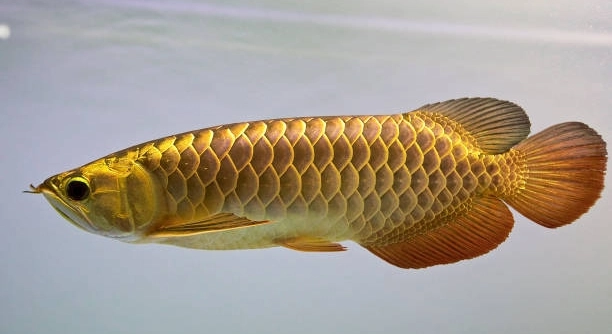
Is your Arowana showing signs of curiosity or gentle movements when you approach the tank? Many fish slowly become familiar with their owners, revealing subtle behaviors that indicate growing comfort and recognition over time.
Arowanas demonstrate familiarity through consistent swimming patterns near their owner, responding to presence or feeding cues, and exhibiting calm behavior. These indicators suggest trust and adaptation, reflecting both environmental comfort and positive interactions with the caretaker, reinforcing the human-fish bond.
Observing these behaviors can improve your relationship with your Arowana and ensure its continued well-being and comfort in its aquatic environment.
Recognizing Your Arowana’s Body Language
Your Arowana’s body language is a clear sign of how comfortable it is around you. When it swims calmly near the tank glass as you approach, this indicates familiarity. Gentle movements and smooth fin motions show it feels safe and unthreatened. In contrast, sudden jerks or hiding behavior suggest discomfort. Over time, consistent exposure to your presence allows the fish to adjust its responses. You might notice the Arowana following your hand slowly or pausing mid-swim to observe. This is a positive reaction that shows recognition. Eye contact with the fish can also indicate trust, as Arowanas are attentive and aware of their environment. Subtle gestures, like slight shifts in body orientation toward you, are additional signs of adaptation. Repeated observation of these behaviors helps you understand its mood. Recognizing these cues allows you to interact in ways that reinforce comfort, creating a stable environment for both the fish and yourself to enjoy mutual recognition.
Watching these movements daily builds confidence in reading your Arowana and strengthens trust slowly over time.
Paying close attention to these signals helps you maintain a calm environment, supporting your fish’s natural behavior and overall well-being.
Feeding Response and Recognition
Arowanas often show recognition through their feeding behavior, reacting specifically when they see you approach with food.
When your Arowana begins to anticipate feeding times, it often swims to the front of the tank or follows your movements. This behavior demonstrates familiarity with routines and a growing association between your presence and food. Feeding responses may include opening its mouth or swimming energetically, but not erratically, as the fish learns the timing and predictability of meals. Offering food consistently in a calm manner encourages trust, reinforcing positive interactions. Observing how the Arowana reacts to different feeding cues—like hand motions or specific utensils—can also show its level of adaptation. Over weeks, these small behaviors develop into predictable patterns, showing that the fish recognizes you as the source of care. Maintaining a structured feeding schedule allows the Arowana to feel secure while reinforcing trust and comfort in your presence. Such behavior is not instant but gradually builds as the fish associates you with safety and nourishment.
Consistency in approach and feeding routines ensures your Arowana remains relaxed and responsive, reinforcing the growing bond through repeated, positive interactions.
Interaction with Your Movements
Your Arowana may follow your hand slowly across the tank, showing awareness and interest in your presence. Subtle tracking and turning toward movements are signs that it is getting used to seeing you frequently and is comfortable with your actions around the tank.
Repeated exposure to your movements allows the fish to anticipate actions without stress. For instance, when you walk past the tank, it may adjust its swimming path to watch or stay near the front. This behavior shows it recognizes you as a familiar part of its environment. Over time, gentle gestures like tapping lightly on the tank or moving slowly near the water surface will elicit calm responses rather than sudden escapes. Tracking behavior, slow orientation changes, and relaxed swimming near you indicate trust. These subtle interactions develop naturally when the fish feels safe, reinforcing comfort and easing stress during routine maintenance or feeding.
The way the Arowana responds to hand movements reflects its growing recognition of you. Calm, predictable reactions suggest comfort, while nervous swimming indicates adjustment is still ongoing. Observing these reactions can guide how you approach tank interactions, allowing you to strengthen trust without startling the fish or forcing responses.
Changes in Swimming Patterns
Arowanas often modify their swimming paths when they are becoming familiar with their owner. They may swim closer to the front or follow predictable loops near areas you frequent.
When your Arowana begins swimming in consistent patterns near your presence, it indicates adaptation and comfort. It may circle calmly, linger near the tank glass, or adjust its route when you approach. These changes are not sudden but develop gradually as the fish links your presence with security and routine. Arowanas are intelligent and observant, and repeated exposure to non-threatening movements fosters recognition. Swimming calmly near you shows confidence and an absence of stress, unlike rapid darting or hiding.
Consistent observation of these swimming adjustments helps you understand its mood and comfort level. Recognizing this behavior allows you to interact without causing unnecessary stress, supporting both the fish’s well-being and the overall harmony of the tank environment.
Eye Contact and Awareness
Your Arowana may focus on your movements, pausing to observe when you approach. This attention shows growing recognition and comfort, as it becomes familiar with your presence and routines around the tank.
Sustained observation, such as following your hand or noticing gestures, indicates trust. The fish is learning to associate you with safety and care.
Gentle Surface Interaction
Arowanas often swim near the water surface when expecting interaction. They may approach slowly during feeding or when you move nearby, showing recognition without stress. Their calm behavior at the surface reflects adaptation to human presence, suggesting a developing bond based on routine and familiarity.
Reacting to Feeding Cues
Arowanas respond to consistent feeding signals, including hand movements or specific locations in the tank. Recognizing these cues shows comfort and trust.
FAQ
How long does it take for an Arowana to get used to its owner?
The time varies depending on the fish’s personality and previous experiences. Some Arowanas may begin showing signs of recognition within a few weeks, while others may take several months. Consistent, gentle interaction and predictable routines help accelerate the process. Avoid sudden movements or changes in the tank environment, as these can slow progress.
What are the signs my Arowana is comfortable with me?
Calm swimming near the tank front, slow following of hand movements, and consistent eye contact are strong indicators. The fish may also linger near areas you frequent or show anticipation during feeding times. Relaxed fins, smooth movements, and lack of sudden darting suggest trust and familiarity.
Can Arowanas recognize different people?
Yes, they can distinguish between familiar and unfamiliar individuals over time. Recognition usually comes through repeated exposure and consistent interaction. The fish tends to respond more positively to people involved in daily care, particularly feeding or cleaning routines, while unfamiliar individuals may cause cautious or defensive behavior.
How should I approach my Arowana to build trust?
Move slowly and deliberately when near the tank. Avoid tapping the glass or making sudden gestures, as these can startle the fish. Spending short periods observing the fish calmly encourages comfort. Over time, combining slow movements with feeding routines reinforces positive association, helping the fish feel safe and secure.
Does tank environment affect adaptation to humans?
Absolutely. A stable environment with proper water quality, temperature, and minimal stressors helps Arowanas adjust to humans faster. Avoid sudden changes in lighting, tank decor, or water parameters, as these can increase stress levels and slow the fish’s ability to feel secure around you.
Can Arowanas become affectionate or interactive?
While Arowanas do not display affection in the same way mammals do, they can show recognition and comfort with human presence. Approaching the tank when you are near, following hand movements, and responding to feeding cues are examples of interactive behavior that demonstrate trust.
Is it normal for an Arowana to hide despite getting used to me?
Yes, occasional hiding can occur even in comfortable fish. It may be influenced by mood, minor stress, or changes in the environment. Consistent, calm interactions and predictable routines usually reduce hiding over time, allowing the fish to demonstrate more visible recognition and comfort.
How can I encourage more interaction?
Regular, gentle exposure is key. Feed at consistent times, move slowly near the tank, and avoid startling gestures. Observing responses and gradually increasing interaction encourages the fish to approach the front of the tank or respond to hand movements without stress.
Are all Arowanas equally responsive to humans?
No, responsiveness varies by species and individual temperament. Some Arowanas are naturally curious and adapt quickly, while others are shy or more cautious. Patience and routine are essential for all types, with progress visible through small, consistent signs of comfort and recognition.
What should I avoid when trying to build trust?
Avoid sudden tapping on the glass, rapid hand movements, loud noises, or frequent changes in feeding schedules. These actions can stress the fish and slow adaptation. Consistency, calm presence, and respect for the fish’s space encourage comfort and familiarity over time.
Can I interact with my Arowana outside feeding times?
Yes, short, calm interactions without food can help the fish associate your presence with safety rather than just feeding. Observing its behavior and gentle movements near the tank gradually reinforce trust, helping the fish become comfortable and responsive.
How can I tell if my Arowana is stressed?
Signs of stress include rapid or erratic swimming, hiding for extended periods, clamped fins, or refusal to eat. These behaviors indicate discomfort or environmental issues. Maintaining stable water conditions, predictable routines, and gentle interactions reduces stress and supports adaptation to your presence.
Will Arowanas remember their owners after time apart?
Yes, they can remember familiar humans after periods of separation. Consistent interaction over weeks or months strengthens recognition, and upon returning, the fish may show signs of familiarity, such as approaching the tank front or responding to familiar cues.
What role does feeding play in building trust?
Feeding is a major factor in recognition and comfort. Consistently providing food in a calm, predictable manner creates positive associations with your presence. Over time, the fish learns to anticipate meals and responds more confidently to human interaction, reinforcing familiarity and trust.
How can I tell if my Arowana is bored?
A bored Arowana may swim in repetitive patterns or show reduced interest in the environment. Offering stimulation, gentle interaction, and observation encourages natural behaviors and supports mental engagement, which can enhance responsiveness to your presence and strengthen recognition.
Is it safe to touch my Arowana?
Direct contact is generally not recommended. Arowanas have delicate scales and are sensitive to handling. Trust is best built through observation, feeding, and gentle movements around the tank, rather than physical contact, which can stress or injure the fish.
How do I know if my Arowana enjoys interaction?
Calm, predictable swimming near the tank, slow following of hand movements, and consistent anticipation during feeding indicate positive interaction. The absence of stress signals, such as darting or hiding, shows the fish is comfortable and responds favorably to your presence.
Can Arowanas recognize voices or sounds?
While not fully proven, some Arowanas appear to respond to consistent, calm sounds associated with feeding or daily routines. Gentle, repeated auditory cues may reinforce recognition, but visual cues and routine interaction remain the most reliable indicators of familiarity.
How important is patience in building trust?
Patience is essential. Arowanas take time to adapt, and progress may be slow. Consistent, calm interaction, predictable routines, and careful observation help the fish develop comfort and recognition without stress, creating a stable environment where trust can naturally grow.
What is the best way to maintain long-term comfort?
Continue predictable routines, monitor water quality, and allow gentle observation. Avoid sudden changes, loud noises, or irregular feeding. Long-term comfort relies on consistent, calm care, allowing the Arowana to remain relaxed, confident, and responsive to your presence over time.
Final Thoughts
Building a bond with your Arowana takes time, patience, and consistent care. These fish are intelligent and observant, but they are also sensitive to changes in their environment. Subtle behaviors, like following hand movements, lingering near the tank front, or adjusting swimming patterns, are strong indicators that your fish is becoming comfortable with your presence. Trust does not develop overnight, and forcing interaction can cause stress. It is important to respect the natural instincts of your Arowana while providing a stable environment. Calm, deliberate movements around the tank and predictable routines help the fish feel safe, which encourages more visible signs of recognition. Observing these small behaviors allows you to understand your fish better and respond in ways that support its comfort. Over time, consistent care and gentle interaction build a quiet understanding between you and your Arowana, fostering a healthier and more harmonious tank environment.
Feeding routines play a major role in developing recognition and trust. Offering food at regular times and in a calm, controlled manner creates positive associations with your presence. Your Arowana begins to link you with safety, nourishment, and consistency. Even simple gestures, like moving slowly near the water surface or placing food in a familiar location, can reinforce comfort and adaptation. Repetition is key—over weeks and months, the fish becomes more predictable in its responses, signaling growing familiarity. Calm observation outside of feeding times also contributes to the bond, allowing the fish to associate your presence with safety rather than just meals. Recognizing the subtle differences in behavior, such as eye contact, gentle fin movements, or adjusted swimming paths, ensures you are providing care that respects your Arowana’s temperament while supporting its confidence. Consistency, patience, and careful attention to behavior are the foundation for long-term recognition and trust between you and your fish.
Maintaining a stable tank environment complements interaction and helps your Arowana feel secure. Proper water quality, temperature, and minimal disruptions reduce stress, which allows the fish to focus on adapting to your presence. Avoid sudden changes, loud noises, or erratic movements near the tank, as these can unsettle even a fish that is already showing signs of comfort. Long-term care involves understanding your Arowana’s needs and adjusting routines to encourage calm, natural behavior. Over time, the fish’s responses—whether it is following your hand, swimming near the front, or showing anticipation at feeding times—become more predictable and reliable. Observing these behaviors not only provides reassurance that the fish is comfortable but also allows you to refine how you interact with it. By combining consistent care, gentle interaction, and a stable environment, you create conditions that foster trust, comfort, and recognition, ensuring your Arowana thrives both physically and emotionally in its home.

Hello,
If you enjoy the content that we create, please consider saying a "Thank You!" by leaving a tip.
Every little bit helps us continue crafting quality advice that supports the health, happiness, and well-being of pets around the world, for pets of all shapes, sizes, and species.
We really appreciate the kindness and support that you show us!