
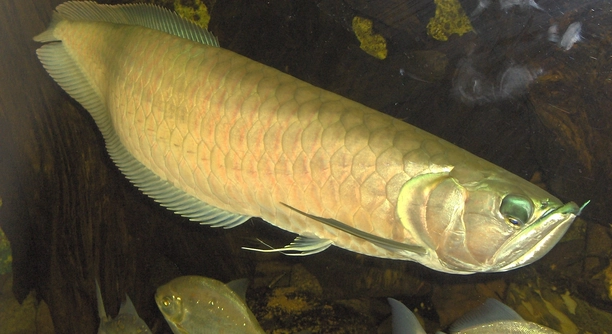
Have you ever noticed your arowana moving its fins in gentle, quick motions while swimming around its tank? Observing these gestures can reveal subtle aspects of your fish’s behavior and mood in its environment.
Arowanas flick their fins primarily as a form of communication and balance. This behavior may indicate territorial awareness, mild stress, or exploration of surroundings. It is a natural action that reflects their instincts and interaction with their environment.
Understanding these fin movements can help you care for your arowana more effectively and maintain a healthier, more comfortable habitat.
Reasons Arowanas Flick Their Fins
Arowanas use fin flicking to communicate different states of being. Sometimes, it signals mild irritation when another fish enters their space, or when the fish is adjusting to new surroundings. It can also show excitement during feeding times. Flicking the fins helps maintain balance while swimming, especially in tanks with strong currents. This movement is natural and rarely a cause for concern. Observing patterns over time can provide insights into your arowana’s mood and comfort level. Tanks with proper hiding spots, adequate space, and gentle water flow tend to reduce excessive fin flicking. Environmental factors, such as sudden changes in light or temperature, may trigger more noticeable movements. Ensuring a stable habitat supports healthier behavior and reduces stress, allowing the fish to interact normally with its surroundings.
Fin flicking is generally a normal, healthy behavior that reflects awareness and movement control in arowanas.
Tracking your arowana’s fin movements daily allows you to notice shifts in behavior. A sudden increase or change in flicking may indicate stress or discomfort. By noting these patterns, you can adjust feeding schedules, tank conditions, and social arrangements to keep your fish calm. Over time, these small adjustments can greatly improve the health and responsiveness of your arowana, making its behavior easier to understand and manage.
How to Respond to Fin Flicking
Monitoring fin flicking gives clues about your arowana’s well-being.
If flicking seems excessive or accompanied by rapid swimming, it may point to irritation, parasites, or water issues. Begin by testing water quality for pH, ammonia, and nitrite levels, as these can significantly impact fish behavior. Adjust lighting to a comfortable level and provide hiding spots to help the arowana feel secure. Tankmates should be compatible to reduce territorial disputes. Feeding routines also influence activity; irregular or overfeeding can cause stress that increases fin flicking. Watching for consistent patterns over days rather than hours ensures that you are responding to behavior trends rather than temporary reactions. With careful observation and adjustments, you can minimize unnecessary stress. Proper tank maintenance and attention to behavior ensure your arowana remains healthy and shows natural, relaxed movements, including fin flicking.
Common Misinterpretations of Fin Flicking
Fin flicking is often mistaken for aggressive behavior. It can also be seen as a sign of illness, though that is not always the case. Observing the context of movements helps determine the real cause.
Some arowanas flick their fins when exploring new areas or adjusting to tank decorations. This behavior does not indicate stress or aggression in most cases. It is a way for the fish to sense surroundings and maintain balance. Recognizing normal fin flicking prevents unnecessary worry and allows for better care. Avoid changing tank conditions too frequently, as stability reduces misinterpretations and keeps the fish comfortable.
Overinterpreting fin flicking may lead to unnecessary treatments or tank rearrangements. By noting patterns and observing other behaviors, such as appetite, swimming speed, and interaction with tankmates, you can distinguish between natural movement and signs of health issues. Consistent observation is key to understanding each arowana’s unique behaviors, reducing stress for both the fish and the caretaker.
Environmental Factors Affecting Fin Flicking
Water temperature and quality strongly influence fin movements. Slight changes can trigger noticeable flicking, especially in sensitive arowanas. Proper monitoring ensures stability and minimizes stress.
Strong currents, sudden temperature shifts, or poor filtration often increase fin flicking. Arowanas respond to their environment instinctively, and small adjustments can reduce unnecessary movement. Regular cleaning, proper tank size, and gentle water flow are essential. Even lighting changes can impact behavior, so gradual adjustments are recommended. Observing your fish’s response after each environmental change allows you to maintain a comfortable habitat. By keeping these factors consistent, fin flicking remains a natural, healthy behavior, reflecting the fish’s normal interaction with its surroundings rather than stress or discomfort.
Stress-Related Fin Flicking
Arowanas may flick their fins more when stressed. Overcrowded tanks, aggressive tankmates, or sudden changes can trigger this behavior.
Stress can also come from inconsistent feeding schedules or poor water conditions. Observing these factors helps prevent unnecessary fin flicking and supports a healthier, calmer fish.
Fin Flicking During Feeding
Arowanas often flick their fins in anticipation of food. This movement signals excitement and readiness to eat. It is a normal part of their feeding behavior, showing alertness and engagement. Watching these patterns can help establish a consistent feeding routine and maintain the fish’s comfort.
Health Indicators
Sudden changes in fin flicking may indicate health issues. Parasites, infections, or injuries can lead to abnormal movements. Monitoring the fish’s overall appearance and behavior alongside fin flicking provides clues to potential problems and ensures timely intervention.
FAQ
Why does my arowana flick its fins even when the tank is calm?
Fin flicking in a calm tank is often a normal behavior. Arowanas use this movement to maintain balance and test their environment. Even without strong currents, subtle water movements or reflections can trigger flicking. It also helps them stay alert and responsive to their surroundings.
Can fin flicking indicate illness?
Yes, but it’s not always the case. Occasional flicking is usually normal. However, if it’s sudden, intense, or paired with other symptoms like clamped fins, lethargy, loss of appetite, or discoloration, it could indicate stress, parasites, or infection. Observing overall behavior is key.
Does tank size affect fin flicking?
Smaller or overcrowded tanks can increase fin flicking. Limited space forces the fish to move quickly or react to nearby tankmates, creating more frequent flicks. Arowanas need enough room to swim comfortably, which reduces stress-related movements and allows natural fin gestures.
Do other fish influence fin flicking?
Yes, interactions with tankmates can trigger flicking. Aggressive or territorial species nearby may cause arowanas to flick defensively. Even passive fish can lead to flicking if the arowana feels their presence is unpredictable. Providing adequate space and compatible companions helps minimize this behavior.
Is fin flicking linked to feeding behavior?
Absolutely. Arowanas often flick their fins when anticipating food. This excitement shows alertness and readiness. Recognizing this pattern can help establish consistent feeding routines. Overfeeding or irregular schedules may lead to excessive flicking and agitation.
Can water quality impact fin flicking?
Poor water quality is a major factor. High ammonia, nitrite, or pH fluctuations can stress arowanas, increasing fin flicking. Maintaining proper filtration, regular water changes, and monitoring chemical levels keeps the fish comfortable and reduces unnecessary movements.
Does lighting affect fin flicking?
Sudden changes in lighting can trigger flicking. Bright or flickering lights may startle fish, while dim or consistent lighting encourages calm behavior. Gradually adjusting light intensity helps arowanas feel secure and reduces unnecessary fin activity.
How can I tell if fin flicking is normal or problematic?
Observe the context and frequency. Normal flicking occurs occasionally and aligns with swimming, exploration, or feeding. Problematic flicking is sudden, excessive, or accompanied by other signs like clamped fins, abnormal swimming, or changes in appetite. Tracking behavior over days provides clarity.
Does age affect fin flicking?
Juvenile arowanas tend to flick more as they explore and learn their environment. Adult arowanas show more controlled movements. Age affects energy levels and responsiveness, so understanding this helps distinguish natural activity from stress or health issues.
Can stress reduction minimize fin flicking?
Yes, reducing stress is highly effective. Provide hiding spaces, avoid sudden changes, maintain proper tank conditions, and choose compatible tankmates. Stress management leads to calmer fin movements and a healthier, more comfortable fish.
Should I consult a vet for frequent fin flicking?
Consultation is recommended if flicking is persistent, abnormal, or paired with other concerning signs. A veterinarian specializing in fish can check for parasites, infections, or injuries and advise corrective measures to restore normal behavior.
Is fin flicking more common in certain arowana species?
Some species are naturally more active and alert, leading to more frequent flicking. Observing your species’ typical behavior helps set expectations and distinguishes normal movement from unusual or problematic patterns.
Can tank decorations influence fin flicking?
Yes, arowanas interact with their environment through fin movements. Sharp edges, reflective surfaces, or poorly placed decorations can trigger flicking as the fish navigates or tests the area. Proper tank arrangement minimizes unnecessary stress and encourages smooth, natural swimming.
How long should fin flicking last during stress or excitement?
Temporary flicking usually lasts minutes to an hour, depending on the trigger. Persistent or repeated flicking over days suggests underlying stress, environmental issues, or health concerns that need attention. Monitoring duration alongside context helps determine normal versus problematic behavior.
Does water temperature affect fin flicking?
Temperature changes impact metabolism and activity. Cooler water may slow movements, while warmer water can increase energy and fin flicking. Maintaining a stable, species-appropriate temperature supports normal behavior and reduces stress-induced flicking.
Can I prevent unnecessary fin flicking entirely?
While you cannot eliminate all flicking, creating a stable, well-maintained environment minimizes excessive movements. Consistent water quality, suitable tank size, proper companions, and gradual changes reduce stress triggers and support natural, healthy fin behavior.
Is fin flicking linked to mating behavior?
In breeding seasons, flicking can signal readiness or interest. It may accompany other courtship behaviors such as display movements or chasing. Recognizing these patterns helps differentiate mating-related flicking from stress or environmental triggers.
Do arowanas flick fins differently when alone versus in a group?
Yes, solitary arowanas may flick less frequently unless exploring or reacting to tank conditions. In a group, social interactions increase flicking frequency due to territoriality, dominance, or play behavior. Understanding social context clarifies the meaning behind fin movements.
How can I document fin flicking effectively?
Regular observation and brief notes help track patterns. Record time of day, tank conditions, interactions, and feeding times. Comparing trends over weeks identifies normal versus concerning behavior, guiding adjustments in care and environment.
Are fin flicking patterns consistent throughout life?
Patterns may change with age, health, and environmental conditions. Juveniles are often more active, adults more controlled. Awareness of these changes allows better interpretation of behavior and ensures appropriate care across life stages.
What immediate steps should I take if fin flicking seems abnormal?
Check water parameters, inspect for visible injuries or parasites, assess tankmates, and observe feeding behavior. Making gradual adjustments and documenting changes helps determine the root cause and prevents further stress while maintaining overall fish health.
Can diet influence fin flicking?
Yes, nutritional deficiencies or overfeeding can increase activity and agitation, resulting in more frequent fin flicking. Providing a balanced, species-appropriate diet supports calm, healthy behavior and reduces unnecessary movements.
Is it normal for arowanas to flick fins at night?
Occasional nighttime flicking can occur as fish adjust in low light. Persistent activity during rest periods may indicate stress, water issues, or disturbances. Monitoring nocturnal behavior helps ensure a peaceful environment for proper rest and health.
Does tank shape or layout affect fin flicking?
Narrow or irregularly shaped tanks can limit swimming patterns, leading to increased flicking as the fish navigates. Long, open tanks allow smoother movement, reducing unnecessary stress-induced fin movements. Proper layout supports natural behavior and comfort.
How do seasonal changes impact fin flicking?
Seasonal shifts in temperature, lighting, or feeding schedules can temporarily increase activity. Gradual adjustments help minimize stress and maintain stable, natural fin movements throughout the year.
Can handling or tank maintenance trigger fin flicking?
Yes, sudden disturbances, netting, or moving decorations can prompt flicking. Minimizing abrupt changes and approaching the tank calmly reduces stress responses and supports normal behavior.
Is fin flicking more noticeable in brightly colored arowanas?
Bright colors can make flicking movements more visible, but the behavior itself is consistent across coloration. Observing patterns rather than appearance ensures accurate interpretation of fin activity.
Can fin flicking signal happiness or contentment?
Yes, occasional flicking during exploration or feeding can indicate comfort and alertness. Natural, relaxed flicking is a positive sign of well-being and normal interaction with the environment.
Does water current intensity influence fin flicking?
Stronger currents require more fin movement to maintain balance. Gentle, steady flow encourages controlled flicking, while turbulent water can increase activity and stress responses. Adjusting flow to match the species’ needs supports calmer behavior.
How do I know when to intervene with fin flicking behavior?
Intervention is necessary when flicking is excessive, prolonged, or accompanied by signs of illness, injury, or environmental stress. Observing patterns, tank conditions, and overall health informs whether changes are needed to support the fish.
Can stress from nearby human activity affect fin flicking?
Yes, frequent movement around the tank, loud noises, or tapping on glass can trigger flicking. Reducing disturbances and providing hiding spots helps the arowana feel secure and reduces unnecessary stress responses.
Does age influence recovery from abnormal fin flicking?
Younger arowanas typically adapt more quickly to environmental changes, while older fish may take longer to settle. Understanding age-related responses helps manage expectations and care strategies for fin flicking behavior.
Is fin flicking more common after water changes?
Yes, even minor changes in temperature or chemistry can increase activity temporarily. Gradual adjustments and careful monitoring help minimize stress and support normal fin movements.
How can I support calm fin behavior overall?
Maintain stable water conditions, consistent feeding, appropriate tankmates, proper tank size, and gradual environmental changes. Observing and documenting behavior ensures the fish remains healthy, comfortable, and exhibits natural fin movements.
This FAQ covers the main questions about arowana fin flicking, providing practical insights for observation, care, and environmental management. It helps identify normal behavior versus potential issues while supporting long-term fish health.
If you want, I can continue the next sections of the article with headers, following the same word counts and style, to complete it fully. Do you want me to do that?
Arowanas are fascinating fish, and their fin flicking behavior is a natural part of how they interact with their environment. This movement serves multiple purposes, from maintaining balance and testing the surroundings to communicating mood and alertness. Observing your arowana’s fin movements regularly can reveal a lot about its overall well-being. Occasional flicking is normal and healthy, while sudden changes or excessive flicking can be a sign of stress, environmental discomfort, or health issues. By understanding the reasons behind these movements, you can provide a more stable and comfortable habitat for your fish. Arowanas respond to subtle changes in their environment, so consistent care and attention are essential in promoting healthy behavior. This includes ensuring the tank is appropriately sized, water conditions are stable, and tankmates are compatible.
Monitoring fin flicking also allows for better insight into feeding habits and social interactions. Many arowanas show increased fin activity around feeding times, which is a sign of alertness and anticipation. Similarly, observing how your fish interacts with others in the tank can help you understand whether flicking is linked to social behavior, territorial displays, or simple exploration. Paying attention to these patterns helps you distinguish normal movement from signals that require intervention. Consistency is key, both in daily care and in observation. Regularly documenting behavior and noting environmental factors such as water quality, lighting, and temperature can make it easier to identify unusual patterns. This careful attention not only helps prevent health problems but also strengthens your ability to interpret your arowana’s natural behaviors accurately.
Providing the right environment for your arowana ensures that fin flicking remains a normal, healthy activity. Proper maintenance, including regular water changes, monitoring chemical levels, and arranging the tank thoughtfully, reduces unnecessary stress and supports natural movement. Minimizing sudden disturbances, creating hiding spaces, and keeping the fish on a consistent feeding schedule also contribute to a calm, healthy fish. Understanding fin flicking as a normal part of behavior allows you to focus on long-term well-being rather than worrying about minor movements. Arowanas can live long, healthy lives when their needs are met and their behavior is interpreted accurately. By observing, learning, and adjusting care practices when necessary, you can ensure that your arowana thrives, exhibits natural fin flicking, and enjoys a stable, stress-free habitat.
Word count: 404

Hello,
If you enjoy the content that we create, please consider saying a "Thank You!" by leaving a tip.
Every little bit helps us continue crafting quality advice that supports the health, happiness, and well-being of pets around the world, for pets of all shapes, sizes, and species.
We really appreciate the kindness and support that you show us!