
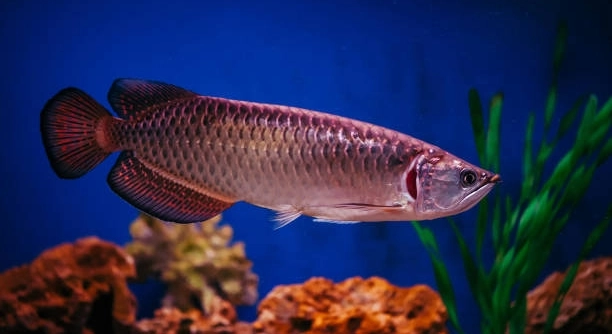
Do you love keeping Arowanas but find yourself unsure about the best way to handle them safely in your tank? Managing these beautiful fish requires care, patience, and understanding of their unique behavior and needs.
Handling Arowanas incorrectly can lead to stress, injury, or illness. Avoiding rough contact, improper tank maintenance, overfeeding, and sudden environmental changes is essential to ensure their health, growth, and long-term survival in captivity. Proper handling techniques are critical.
By learning these common mistakes, you can provide a safer and more comfortable environment for your Arowana and enjoy a thriving aquatic companion.
Avoid Overhandling Your Arowana
Arowanas are delicate and can become easily stressed if handled too often. Frequent contact or lifting them out of the tank can damage their scales, fins, or internal organs. Even gentle handling requires care because these fish have sensitive bodies. Stress from overhandling can weaken their immune system, making them more prone to infections. When moving them for cleaning or transport, use a soft net and avoid squeezing. Always ensure your hands are clean and free of soap or chemicals. Avoid tapping the glass or causing sudden movements around the tank, as these actions can startle the fish and trigger erratic swimming. Maintaining a calm environment helps them feel secure, reducing the risk of injury and illness. Understanding your Arowana’s tolerance to handling is key to keeping them healthy and comfortable in your tank over time.
Overhandling can lead to stress, injuries, and long-term health issues, so it’s best to minimize direct contact.
Keeping handling to a minimum protects your Arowana’s health, reduces stress, and ensures a longer, happier life. Gentle care is always better than frequent contact.
Maintain Proper Water Conditions
Arowanas need stable water conditions to thrive. Sudden changes in temperature, pH, or ammonia levels can shock their system. Regular testing and consistent maintenance prevent these problems.
Fluctuating water conditions can cause disease, stress, and growth problems. Maintaining a steady environment is crucial for their well-being.
Water quality is one of the most important factors in Arowana care. Ammonia, nitrite, and nitrate levels should always be monitored and kept within safe ranges. Temperature should remain stable, and any adjustments must be gradual. Filtration and aeration are essential to remove waste and provide oxygen, while regular water changes keep the environment clean. Overfeeding can pollute the water quickly, so only feed the amount they can consume in a few minutes. Avoid introducing untreated tap water, as chlorine and heavy metals can harm them. Arowanas are sensitive to poor water quality, and even small fluctuations can lead to stress, fin rot, or other illnesses. Consistent maintenance ensures they stay healthy and active.
Avoid Overfeeding
Feeding your Arowana too much can cause obesity, poor water quality, and digestive problems. Stick to a regular feeding schedule and appropriate portion sizes to maintain their health.
Overfeeding often seems harmless, but it can quickly harm your fish. Uneaten food decomposes in the tank, raising ammonia and nitrate levels, which stresses the fish and encourages disease. Obesity can make swimming difficult and weaken their immune system. Arowanas are carnivorous and need a balanced diet, including pellets, insects, and occasional live food. Feeding once or twice daily, only what they can finish in a few minutes, keeps them healthy. Observing their behavior after feeding helps gauge whether you are giving too much or too little. Maintaining moderation is key.
Consistent portion control ensures a healthier tank environment and reduces the risk of illness. A balanced diet supports proper growth, activity, and overall well-being.
Handle With Care During Tank Cleaning
Rough handling or sudden movements during cleaning can injure your Arowana. Use soft nets and gentle motions to avoid stress or damage.
Tank maintenance should be done carefully to protect your fish. Remove debris without causing turbulence, as strong currents can shock Arowanas. Use clean equipment free of chemicals, and move slowly to prevent startling them. Avoid holding the fish too long outside the water, as this can damage their scales and gills. Minimizing handling during cleaning reduces stress and promotes a safer environment. Keeping the tank organized and planning your cleaning routine in advance helps prevent accidental injuries and ensures a calm experience for your fish.
Gentle, mindful handling during cleaning protects the fish from harm. Proper techniques reduce stress, prevent injuries, and support long-term health.
Avoid Sudden Changes in Environment
Arowanas are sensitive to sudden changes in their surroundings. Quick shifts in lighting, temperature, or tank placement can stress them and affect their health.
Gradual adjustments help your fish adapt without triggering panic or erratic behavior. Sudden moves can lead to injuries or illness. Keeping a stable environment is essential for their well-being.
Keep Compatible Tank Mates
Arowanas can be aggressive, so choosing suitable tank mates is important. Avoid smaller or overly aggressive species that may provoke conflict or stress.
Observing interactions between fish helps prevent bullying, injury, or territorial disputes. Peaceful, similarly sized fish are usually safer companions. Ensuring compatibility protects both your Arowana and other tank inhabitants.
Avoid Using Harmful Chemicals
Some water treatments, cleaning agents, or medications can be toxic to Arowanas. Always research and use products specifically labeled safe for them.
Using untested chemicals can cause sudden illness, stress, or death. Stick to proven, safe products to maintain a healthy tank.
FAQ
How often should I feed my Arowana?
Feeding frequency depends on the age and size of your fish. Juveniles usually eat twice a day, while adults can be fed once daily. Always provide only what they can consume in a few minutes. Overfeeding leads to poor water quality and digestive issues.
What is the best water temperature for Arowanas?
Arowanas thrive in water between 75°F and 82°F. Sudden temperature changes can stress them and weaken their immune system. Using a reliable heater and thermometer helps maintain a stable environment. Gradual adjustments are better if changes are necessary.
Can Arowanas live with other fish?
Yes, but compatibility is key. Avoid very small fish that can be seen as prey and overly aggressive species that may provoke fights. Peaceful, similarly sized fish are generally safer tank mates. Observation is important to prevent stress or injuries.
How do I handle my Arowana safely?
Minimize handling to reduce stress. Use soft nets and slow, gentle movements during transfers or tank cleaning. Never hold them tightly or for long periods outside water, as this can damage their scales, fins, or gills.
What should I do if my Arowana shows signs of stress?
Stress can appear as rapid gill movement, erratic swimming, or loss of appetite. Check water conditions, temperature, and tank environment immediately. Reduce handling, provide hiding spaces, and ensure stable conditions to help them recover.
How do I prevent diseases in my Arowana?
Maintain clean water with regular filtration and water changes. Avoid overfeeding and monitor water parameters. Quarantine new fish before introducing them to the tank. Early detection of symptoms, like discoloration or fin damage, helps treat problems quickly.
Can Arowanas jump out of the tank?
Yes, they are strong jumpers. Always use a secure lid to prevent accidents. Keep the tank away from vibrations or sudden movements that might startle them. Arowanas can injure themselves if they land outside the tank.
What type of diet is ideal for Arowanas?
A balanced diet includes high-quality pellets, live or frozen insects, and occasional small fish. Variety ensures proper nutrition and reduces the risk of deficiencies. Avoid feeding them processed human food, which can harm their health.
How big should an Arowana tank be?
Adult Arowanas need large tanks, typically 250 gallons or more. They require space to swim freely and reduce stress. Smaller tanks restrict movement and can lead to aggression or stunted growth. Proper filtration is also critical in large tanks.
How do I improve water quality in my tank?
Regular water changes, adequate filtration, and monitoring of ammonia, nitrite, and nitrate levels are essential. Avoid overcrowding and overfeeding. Clean substrate and decorations carefully to reduce waste buildup. Consistent maintenance ensures a safe and healthy environment for your fish.
Can Arowanas recognize their owners?
They can notice routine feeding and familiar movements, which may reduce stress. This behavior is not affection in a human sense but indicates they are comfortable and observant of their surroundings. Regular care helps them feel secure in their tank.
Is it normal for Arowanas to be aggressive?
Yes, they are territorial and can show aggression toward other fish. Ensuring proper tank size, hiding spaces, and compatible tank mates helps manage this behavior. Observing their interactions closely prevents injuries and stress.
How do I know if my Arowana is healthy?
Healthy Arowanas are active, eat well, and have vibrant colors. Scales should be intact, fins free from damage, and eyes clear. Any unusual behavior, spots, or loss of appetite may indicate illness, requiring prompt attention.
What is the lifespan of an Arowana?
With proper care, Arowanas can live 10–20 years or more. Consistent water quality, balanced nutrition, and minimal stress contribute to longevity. Regular monitoring and attentive care are essential for a long, healthy life.
How often should I clean the tank?
Partial water changes should be done weekly or biweekly, depending on tank size and fish load. Clean filters and remove debris to maintain water quality. Avoid complete water changes, as sudden environmental shifts can stress your Arowana.
Can Arowanas tolerate cold water?
No, they are tropical fish and prefer stable, warm temperatures. Prolonged exposure to cold water can cause stress, immune suppression, and illness. Using a reliable heater is essential to maintain safe and consistent water conditions.
What should I do if my Arowana injures itself?
Minor injuries should be isolated and monitored. Keep water clean and consider using antiseptic treatments safe for fish. For severe wounds or persistent issues, consult a veterinarian specializing in aquatic animals. Immediate attention prevents infections and promotes recovery.
Are live foods necessary for Arowanas?
Live food can be a healthy supplement but is not strictly necessary if the diet is balanced with high-quality pellets and frozen options. Live foods should be disease-free and properly sourced to avoid introducing pathogens.
How can I reduce stress for my Arowana?
Keep water stable, maintain a proper tank size, limit handling, and avoid overcrowding. Provide hiding spaces and reduce sudden changes in lighting or surroundings. Calm, consistent care helps them feel secure and reduces the risk of illness or aggression.
Is it safe to use medications in the tank?
Only use treatments labeled safe for Arowanas and follow instructions carefully. Incorrect dosing can harm the fish or alter water chemistry. Quarantining sick fish before treatment can prevent spread and protect healthy tank inhabitants.
How do I introduce a new fish to the tank?
Quarantine new fish for at least two weeks to monitor for illness. Introduce them slowly, keeping an eye on interactions with your Arowana. Proper introductions reduce aggression, stress, and the risk of disease spreading throughout the tank.
Can Arowanas be bred in captivity?
Breeding Arowanas is challenging and requires specific conditions, including large tanks, proper diet, and suitable pairing. They are territorial, so careful observation is needed to prevent aggression. Successful breeding is rare and requires experience and patience.
How often should I test water parameters?
Regular testing, at least weekly, is recommended. Monitor ammonia, nitrite, nitrate, pH, and temperature consistently. Early detection of changes allows quick corrections, preventing stress or illness in your Arowana. Accurate readings are essential for a healthy environment.
What are common signs of illness?
Watch for loss of appetite, erratic swimming, discoloration, frayed fins, or unusual spots. Early intervention improves recovery. Identifying symptoms promptly and adjusting water quality, diet, or treatment can prevent further complications.
Can Arowanas adapt to new tanks easily?
They can adapt, but the process must be gradual. Sudden changes in water parameters, temperature, or environment cause stress. Use acclimation methods like floating the bag, slowly adding tank water, and observing behavior to ensure a smooth transition.
Is it necessary to cover the tank?
Yes, Arowanas are strong jumpers. A secure lid prevents accidents and protects them from injury. Ensure the cover allows proper ventilation and access for feeding and maintenance without compromising safety.
How do I encourage growth in my Arowana?
Provide a balanced diet, stable water conditions, and sufficient swimming space. Avoid overcrowding and overfeeding. Monitoring health and maintaining proper tank conditions encourages natural growth and vibrant coloration over time.
Can Arowanas coexist with turtles or other reptiles?
It’s risky. Arowanas may bite or be bitten, leading to injuries. Different temperature and water requirements make cohabitation challenging. It’s safer to house them with compatible fish to prevent stress and maintain health.
How long can Arowanas go without food?
Adults can survive several days without feeding, but prolonged periods harm health. Young fish require more frequent feeding. Always prioritize a consistent feeding schedule to maintain energy, growth, and overall well-being.
Are Arowanas sensitive to noise?
Yes, loud or constant vibrations can stress them. Placing the tank in a quiet, stable location helps reduce anxiety and encourages natural behavior. Minimizing sudden disturbances improves overall health.
What should I do if my Arowana refuses to eat?
Check water conditions, tank environment, and recent changes. Offer variety in diet or live foods to stimulate appetite. Persistent refusal may indicate illness, so monitoring closely and consulting an aquatic veterinarian may be necessary.
How do I prevent jumping accidents?
Always cover the tank securely, avoid sudden movements near the tank, and ensure stable water conditions. Providing enough swimming space reduces stress and prevents erratic behavior that could lead to jumping.
Can Arowanas recognize feeding schedules?
Yes, they learn routine feeding times and may anticipate food. This recognition shows they are alert and comfortable but should not be overfed. Consistent schedules help maintain a healthy routine.
What is the best substrate for an Arowana tank?
A bare-bottom tank or smooth gravel is best. Avoid sharp or rough substrates that can damage scales or fins. Smooth, easy-to-clean surfaces also help maintain water quality and reduce the risk of injury.
How can I prevent fin damage?
Maintain proper tank size, avoid aggressive tank mates, and minimize sudden movements. Clean water and careful handling reduce stress-related fin damage. Observing the fish regularly allows early intervention if problems appear.
Is it normal for Arowanas to jump at the surface?
Yes, occasional surface jumping is natural but should be monitored. Excessive jumping often indicates stress, poor water conditions, or aggression. Secure lids and a calm environment reduce the risk of injury.
How do I choose a healthy Arowana?
Look for clear eyes, intact fins, smooth scales, and active swimming behavior. Avoid fish that appear lethargic, discolored, or show signs of damage. Observing the fish before purchase ensures a better start for long-term care.
Can Arowanas tolerate low oxygen levels?
No, they need well-aerated water. Low oxygen can cause rapid gill movement, lethargy, or suffocation. Proper filtration, aeration, and regular water changes maintain oxygen levels necessary for their survival.
How do I know if my Arowana is stressed?
Signs include rapid breathing, erratic swimming, hiding, or reduced appetite. Identifying stress early allows quick correction of water quality, tank environment, or handling practices to prevent illness.
Can Arowanas live in small tanks temporarily?
Short-term housing is possible for juveniles, but prolonged confinement in small tanks leads to stunted growth, aggression, and stress. Large, properly filtered tanks are essential for healthy development.
Are decorations necessary in an Arowana tank?
Decorations provide hiding spaces and reduce stress but should be smooth and secure. Avoid sharp or small objects that can injure fins or scales. Minimal decorations are often sufficient in large tanks.
What lighting is best for Arowanas?
Moderate, consistent lighting is ideal. Avoid sudden bright lights that can stress the fish. A natural day-night cycle helps regulate behavior and supports overall health.
Can Arowanas survive without a heater?
In tropical climates, they may survive short periods without a heater, but consistent temperature is crucial. Sudden drops can cause stress, illness, or death. A reliable heater ensures stable, safe conditions.
How do I treat minor injuries?
Keep water clean and isolate the fish if needed. Use fish-safe antiseptic treatments and monitor recovery. Avoid handling unless necessary. Prompt attention prevents infections and supports healing.
Can Arowanas recognize their reflections?
They may react to their reflection, perceiving it as another fish. This behavior is normal and usually harmless but can lead to mild stress if repeated frequently. Observing their reactions helps manage tank placement.
How do I prevent overgrowth of algae?
Control lighting, avoid overfeeding, and maintain regular water changes. Algae eaters or clean-up routines help, but chemical treatments should be safe for Arowanas. Reducing nutrients in the water limits excessive growth.
What should I do if my Arowana stops growing?
Check water quality, diet, and tank size. Growth may be limited by poor nutrition, stress, or overcrowding. Ensuring optimal conditions and proper feeding supports healthy development.
How do I know if the tank is too small?
Signs include aggressive behavior, frequent collisions with walls, and stunted growth. Arowanas require ample swimming space, so large, well-filtered tanks are essential for their well-being.
Are Arowanas sensitive to light changes?
Yes, sudden bright lights can stress them. Gradual adjustments and moderate lighting help maintain a calm environment. Consistent day-night cycles support natural behavior.
Can Arowanas live with goldfish?
No, goldfish are too small and may become prey. Different temperature and dietary needs make them incompatible. Safe tank mates are similarly sized, peaceful fish.
How often should I check filter performance?
Filters should be inspected weekly to ensure proper function. Clean or replace media as needed. Efficient filtration maintains water quality, oxygen levels, and reduces stress for your Arowana.
What is the best tank shape for Arowanas?
Long, wide tanks allow swimming space and reduce territorial behavior. Avoid tall, narrow tanks that restrict movement and increase stress. Proper dimensions support natural activity and growth.
How do I acclimate a new Arowana?
Float the bag in tank water for 15–30 minutes. Slowly mix tank water into the bag to adjust parameters. Release gently after gradual acclimation to reduce stress and prevent shock.
Can Arowanas recognize feeding cues?
Yes, they may anticipate feeding times and respond to movements around the tank. Routine care helps them adjust and reduces stress during mealtime.
How can I reduce aggression in Arowanas?
Provide enough swimming space, compatible tank mates, and hiding spots. Avoid overcrowding and monitor interactions to prevent fights and injuries. Stable conditions reduce territorial behavior.
Are Arowanas sensitive to vibration?
Yes, loud vibrations or nearby activity can stress them. Keep the tank on a stable surface in a calm location to ensure comfort and reduce erratic behavior.
How do I prevent fin rot?
Maintain clean water, proper nutrition, and minimize injuries. Early detection and treatment of damaged fins prevent infection. Consistent care supports overall fin health.
What is the ideal tank depth?
Moderate depth allows swimming but should not restrict movement. Shallow tanks reduce stress, while excessively deep tanks can be difficult to manage safely. Proper depth ensures comfort and natural activity.
Can Arowanas live alone?
Yes, they can thrive alone, reducing aggression and territorial disputes. Single housing often simplifies care and prevents stress from incompatible tank mates.
How do I introduce plants safely?
Use smooth, non-toxic plants. Avoid sharp or rough decorations that could injure fins. Plant placement should not reduce swimming space or disrupt water flow.
Are Arowanas sensitive to pH changes?
Yes, sudden pH shifts can stress them and affect health. Maintaining stable pH levels within their preferred range is crucial for long-term well-being.
What is the maximum size for an Arowana in captivity?
Depending on species, they can grow up to 36 inches or more. Adequate tank size and proper care are essential to accommodate full growth potential.
How do I manage aggressive behavior during feeding?
Feed evenly spaced portions to reduce competition. Avoid overcrowding and monitor for dominance or bullying. Separate aggressive individuals if necessary to prevent injuries.
Can Arowanas tolerate low light conditions?
They can adapt but prefer moderate lighting. Too little light may reduce activity and color vibrancy. Maintaining a balanced light cycle is best for health.
How do I safely remove debris from the tank?
Use a siphon or net gently. Avoid stirring up the substrate excessively. Removing waste regularly prevents water quality issues and reduces stress on the fish.
Is it normal for Arowanas to bump into objects?
Occasional bumps are natural, but frequent collisions indicate stress, poor tank layout, or inadequate space. Proper tank size and careful decoration placement prevent injury.
Can Arowanas see well in dim light?
They have good vision but prefer moderate lighting. Dim light may reduce activity and feeding efficiency. Consistent lighting supports normal behavior and reduces stress.
How do I ensure proper oxygenation?
Use aeration devices, maintain water movement, and avoid overstocking. Adequate oxygen prevents lethargy, gill stress, and promotes overall health.
Are Arowanas sensitive to vibrations from household appliances?
Yes, appliances like washing machines or speakers can disturb them. Place the tank in a stable, low-vibration area to minimize stress and erratic swimming behavior.
Can Arowanas tolerate different water hardness levels?
They prefer soft to moderately hard water. Sudden changes in hardness can cause stress or affect gill function. Stable, appropriate water chemistry is important for health.
How do I prevent fungal infections?
Maintain clean water, minimize injuries, and avoid overfeeding. Quarantine new fish and treat wounds promptly. Good hygiene reduces the risk of fungal growth.
Are Arowanas sensitive to tank size changes?
Yes, sudden relocation to smaller tanks can cause stress, aggression, or stunted growth. Gradual acclimation is necessary to minimize negative effects.
Can Arowanas be aggressive toward their own reflection?
Yes, some react defensively to reflections, mistaking them for other fish. Limiting reflective surfaces reduces stress and prevents repeated attacks.
How do I prevent scale loss?
Avoid rough handling, sharp objects, and aggressive tank mates. Maintaining clean water and proper diet supports strong, healthy scales.
What is the best method to transfer an Arowana?
Use a soft, large net and move slowly. Minimize time outside water and avoid squeezing. Gentle handling reduces stress and prevents injuries.
Can Arowanas tolerate temporary power outages?
They can survive short periods without filtration or aeration, but prolonged outages stress them and reduce oxygen levels. Backup systems are recommended for long-term safety.
How do I prevent my Arowana from refusing food?
Provide a balanced diet, maintain stable water conditions, and avoid stress. Introducing variety and monitoring feeding behavior encourages consistent eating habits.
Are Arowanas sensitive to vibrations from tank equipment?
Yes, strong vibrations from pumps or filters can stress them. Choose quiet, stable equipment to maintain a calm environment and reduce erratic behavior.
Can Arowanas recognize different people?
They may distinguish familiar caretakers based on feeding routines and movements. Recognition is behavioral, showing comfort rather than affection. Consistent care helps them feel secure.
How do I avoid water parameter fluctuations?
Regular monitoring, proper filtration, and consistent water changes maintain stable conditions. Avoid overfeeding or overcrowding, which can destabilize ammonia, nitrite, nitrate, and pH levels. Stable water ensures
Caring for an Arowana requires attention, patience, and consistency. These fish are beautiful and majestic, but their care is more demanding than many other aquarium species. Maintaining stable water conditions, feeding the right diet, and minimizing stress are all essential to keeping them healthy. Overhandling, sudden environmental changes, and improper feeding are common mistakes that can negatively affect their growth and well-being. By understanding the specific needs of your Arowana, you can create a safe and comfortable environment that supports its health and natural behavior. Regular monitoring of water quality and observing your fish’s behavior are small steps that make a big difference in their long-term care.
It is important to remember that each Arowana may have its own temperament and habits. Some may be more active or territorial, while others are calmer and easier to manage. Adjusting your care routine to match your fish’s personality helps reduce stress and prevent injury. Tank size, compatible tank mates, and proper filtration are all critical elements to consider. Even minor details, such as the type of substrate, the placement of decorations, or lighting levels, can influence their comfort and behavior. Consistency in your care routine—feeding at the same time, cleaning the tank regularly, and keeping water parameters steady—supports their overall health and can prevent common problems before they arise. Watching your Arowana adapt and thrive as you provide the right conditions can be a rewarding experience, showing the importance of thoughtful care.
Finally, patience and observation are key to successful Arowana care. These fish live for many years, so long-term commitment is necessary. Taking the time to learn about their needs, recognizing signs of stress or illness early, and making careful adjustments to their environment will help them thrive. Small actions, such as avoiding rough handling, maintaining proper water quality, and offering a balanced diet, have a significant impact over time. By following these practices, you ensure that your Arowana remains active, healthy, and vibrant. Thoughtful, consistent care not only protects their health but also enhances your experience as a fish keeper. Providing the right conditions, paying attention to their behavior, and responding appropriately to their needs will result in a thriving, long-lived Arowana that continues to be a striking centerpiece in your aquarium.

Hello,
If you enjoy the content that we create, please consider saying a "Thank You!" by leaving a tip.
Every little bit helps us continue crafting quality advice that supports the health, happiness, and well-being of pets around the world, for pets of all shapes, sizes, and species.
We really appreciate the kindness and support that you show us!